

-
Products
-
Food Packaging Solution
Mission & PhilosophyRenmin Eco-Tech adheres to the philosophy of green, innovation, and responsibility, placing customers at the center and valuing dedicated professionals. We aim to integrate sustainability and eco-consciousness into every product.
 Green Innovation Leading the Future
 -
Our Story
Why Choose Us?Hangzhou Renmin Eco-tech Co., Ltd, situated in the picturesque city of Hangzhou, Zhejiang, is a leading paper product research, development, and sales company. Established in 2004, we specialize in eco-friendly solutions such as Base Paper Rolls, PE Coated Paper Rolls, Paper Cup Fans, Paper Bowl and Box Fans, Die-cut Sheets, etc, for food packaging, and Aluminum Foil Film laminated paper.
 Coming From China, Marketing To The World.
 -
News
 Aluminum Foil Paper Bowls: Structure, Performance & Foodservice Applications
What Aluminum Foil Paper Bowls Actually Are — And Why the Laminate Structure Matters Aluminum foil paper bowls are composite containers built from two bonded materials: a structural paperboard base t...
 English
 中文简体
中文简体 Français
 Español
 عربى
عربىIndustry News
What Is Golden Boba? Ingredients, Taste, and How It Differs from Black Tapioca
You order a milk tea at a busy counter, and the barista asks: regular tapioca or golden boba? The golden option arrives as translucent amber beads instead of the familiar glossy black pearls. It looks sweeter, and it usually is. Golden boba has become a standard menu choice in bubble tea shops across Asia, North America, and Europe, yet many regular drinkers cannot explain what it is or how it differs from classic tapioca. What started as a visual twist on the traditional pearl is now a standard option from Taipei to Los Angeles.
Here is the direct answer: golden boba is a tapioca pearl made from tapioca starch and brown sugar, sometimes with a touch of caramelized sugar. The sugar goes into the dough before the pearls are shaped, then the pearls are simmered in brown sugar syrup. That process creates the honey-to-amber color and a mild caramel flavor. Black boba, by contrast, gets its dark color from added caramel coloring in the dough or from a long soak in dark syrup.
Content
What Is Golden Boba Made Of?
Golden boba starts with the same base ingredient used for all tapioca pearls: starch extracted from cassava root. The color and flavor differences come from brown sugar and from the absence of artificial dark coloring. A typical golden boba recipe contains just three ingredients:
- Tapioca starch – the structural base that creates the signature chewy texture.
- Brown sugar – the source of the golden color and a gentle caramel sweetness.
- Water – the binder that turns the starch and sugar into a workable dough.
Commercial versions sometimes add a vegetable-based binder or a small amount of caramel to improve consistency and extend shelf life, but the three-ingredient formula remains the industry baseline. The pearls are rolled from the raw dough, and the brown sugar inside darkens and caramelizes during cooking, which explains why the finished pearl looks golden rather than white or pitch black.
Golden Boba vs. Classic Black Boba
Put side by side, the differences are clearer.
| Characteristic | Golden Boba | Black Boba |
|---|---|---|
| Color source | Brown sugar in the dough, caramelized during cooking | Caramel coloring in the dough or dark syrup coating |
| Appearance | Translucent amber or honey tones | Opaque black or very dark brown |
| Flavor | Mild caramel sweetness from the pearl itself | Neutral base; sweetness comes mainly from the soaking syrup |
| Texture | Chewy and soft, slightly lighter in density | Chewy and dense |
| Best paired with | Milk tea, fruit tea, coconut-based drinks | Milk tea, brown sugar milk, slushies |
Both types follow the same cooking routine: boil until tender, then rest in brown sugar syrup so the sweetness can penetrate. The practical difference is that golden boba carries its caramel flavor internally, while black boba leans on the syrup around it.
What About Crystal Boba?
Golden boba is sometimes confused with crystal boba, but the two are not related. Crystal boba is a translucent, jelly-like topping made mainly from konjac flour and water; it contains no tapioca starch and has a much softer, cleaner bite. Golden boba keeps the dense, chewy texture of traditional tapioca pearls and behaves exactly like black boba in a drink: it sits at the bottom, gets sucked up through a wide straw, and holds its shape for hours.
What Does Golden Boba Taste Like?
Golden boba tastes like a soft caramel candy with a chewy starch center. Because brown sugar is worked into the dough, the sweetness is present in every bite, not just on the surface. The molasses-like note is gentle, and the starch keeps it from becoming cloying.
In a classic milk tea, golden boba adds a dessert-like caramel layer. In a fruit tea or a coconut-based drink, the caramel stays subtle enough to complement the drink. If you are serving golden boba as a topping for shaved ice or yogurt, it performs the same way as black boba but with a warmer, rounder flavor profile that many customers prefer. Keep the drink's syrup light when using golden boba; the pearls already bring enough sweetness on their own.
How Golden Boba Is Made and Stored
Making the Dough
Brown sugar is dissolved in hot water, then mixed with tapioca starch. The dough is kneaded until smooth, rolled into thin ropes, and cut into small pieces. Each piece is shaped into a ball by hand or with a forming tray. Speed matters at this stage: the dough dries out quickly, so it needs to stay covered while the pearls are being formed.
Cooking and Soaking
Fresh pearls go into boiling water for 20 to 30 minutes depending on size. After cooking, they are drained and transferred to a pot of warm brown sugar syrup. The soak can last from a few minutes to several hours. A longer soak deepens the color and the sweetness, but it also softens the outer layer, so most shops aim for a balance and serve golden boba within four to six hours of cooking.
Storage and Shelf Life
Cooked golden boba left in sugar syrup can be refrigerated for 24 to 48 hours. Before serving, reheat it in boiling water or syrup for a few minutes to restore the chewy texture. Raw pearls can be dusted with starch and frozen for several weeks; cook them directly from frozen with a slightly longer boil time. Once the pearls turn hard or develop a sour smell, they should be discarded.
Choosing the Right Cup for Golden Boba Drinks
Bubble tea is a cold beverage in most formats, so the serving cup needs to handle ice, condensation, and a wide straw without losing stiffness. For shop owners, the choice of cup affects both cost and the perceived quality of the drink.
Cup Volume Standards
- 16 oz (473 ml) – the standard size for boba milk tea and fruit tea.
- 22 oz (650–700 ml) – a jumbo size for extra toppings and larger thirst.
- 12 oz (355 ml) – a smaller portion for kids' drinks, tasting menus, or lighter orders.
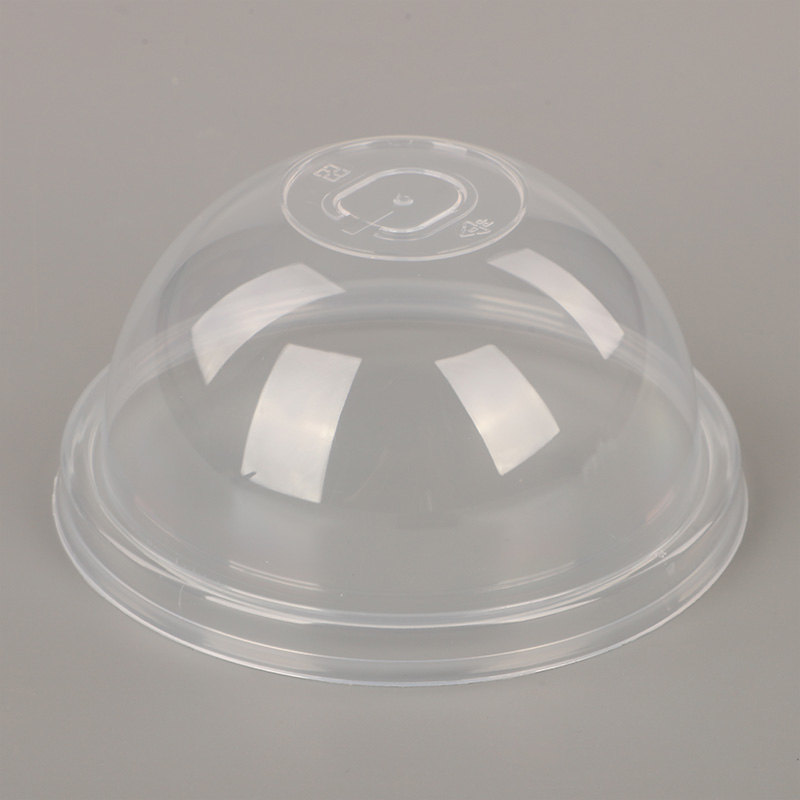
A 16 oz cup holds roughly one serving of milk tea plus a generous portion of golden boba, which matches how the drink is usually built: pearls first, then ice, then tea. A 22 oz cup works well if customers regularly add two toppings or choose a large size. Dome lids are useful for drinks with extra toppings, since the taller profile gives the pearls and ice room to sit above the rim without spilling.
Lining and Lid Compatibility
Cold cups need a moisture barrier to keep the paperboard from softening. The main options are PE lining, PLA lining, and water-based coatings. PLA-lined cups are a common choice for shops that advertise compostable packaging. If your menu emphasizes sustainability, a 16 oz compostable cold paper cup matches the standard boba portion in a plant-based format.
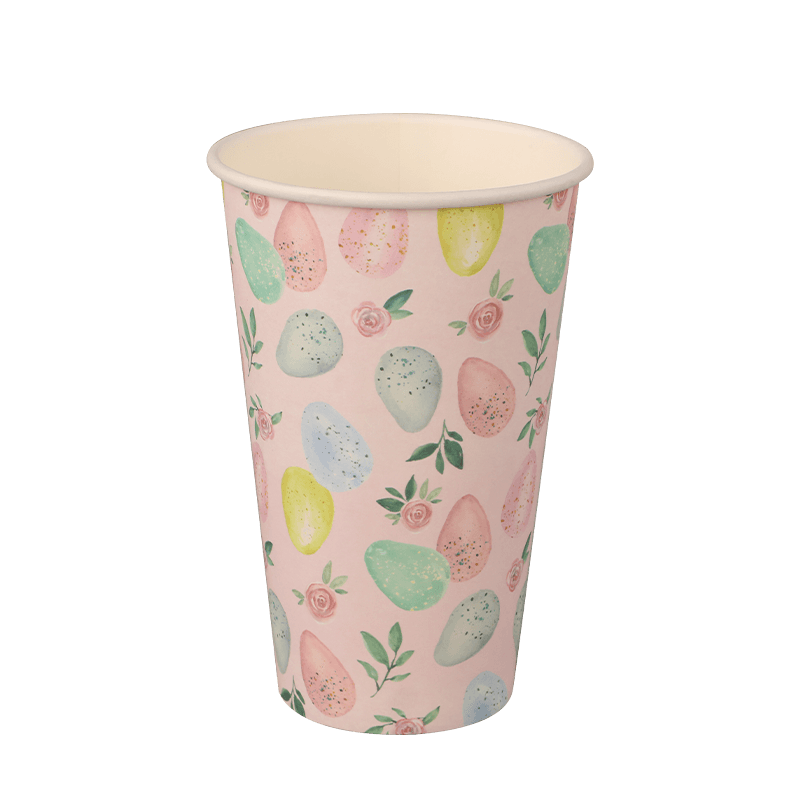 16oz Cold Milk Tea Paper Cups Suppliers, Factory - Hangzhou Renmin Eco-tech Co.,Renmin Eco-tech - China 16oz Cold Milk Tea Paper Cups Suppliers and Factory, Custom 16oz Cold Milk Tea Paper Cups for sale,View Product →
For larger orders, the 22 oz cold drinking paper cup gives you jumbo capacity with a grease- and moisture-resistant lining. Lids matter just as much: a dome lid gives toppings room, while a flat lid keeps the drink sealed during delivery. The 90 mm cold cup lid set fits 12–16 oz cold cups and is one of the most common formats in bubble tea takeaway packaging.
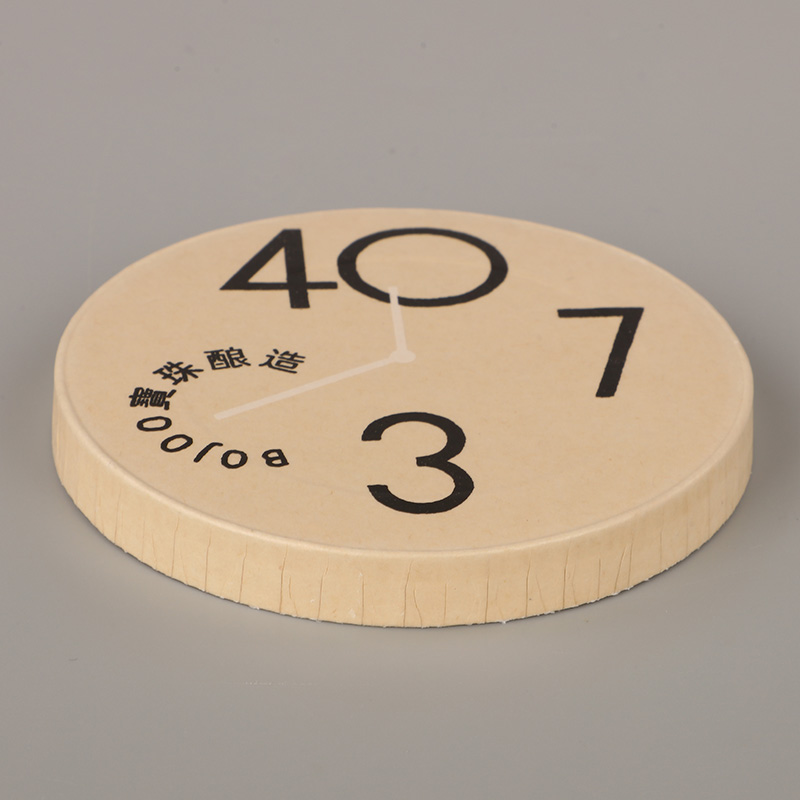 12/16oz 90mm Cold Cup Lids Suppliers, Factory - Hangzhou Renmin Eco-tech Co., LtRenmin Eco-tech - China 12/16oz 90mm Cold Cup Lids Suppliers and Factory, Custom 12/16oz 90mm Cold Cup Lids for sale, Product Description...View Product →
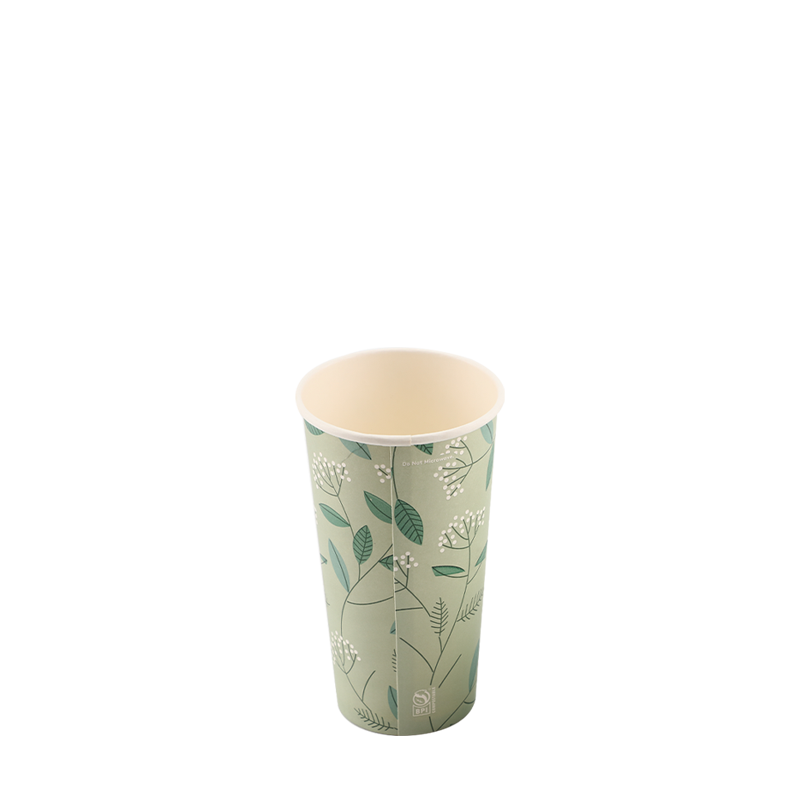
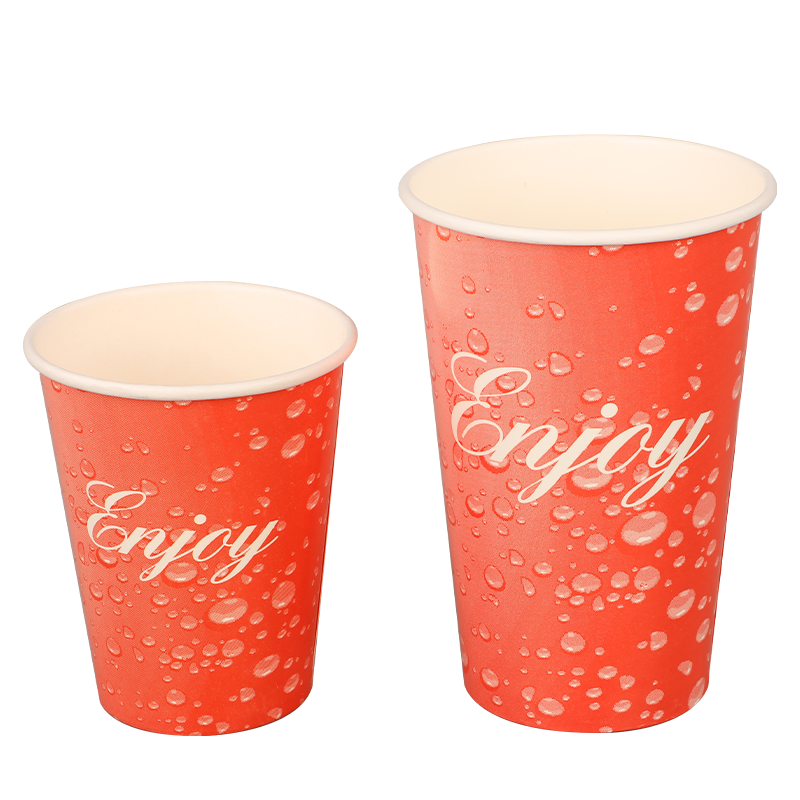 22oz Cola Cold Drinking Paper Cup Suppliers, Factory - Hangzhou Renmin Eco-tech Renmin Eco-tech - China 22oz Cola Cold Drinking Paper Cup Suppliers and Factory, Custom 22oz Cola Cold Drinking Paper Cup for sale, Produ...View Product →
Before committing to a cup, check the cold drinking paper cup buying guide to match lining type, wall stiffness, and lid diameter with your planned menu. If you want more control over quality, cup production starts with food-grade paperboard; many brands choose virgin wood pulp cupstock paper for clean fibers, predictable stiffness, and reliable printing results.
The Takeaway for Bars and Drink Brands
Golden boba is simple to explain to customers: chewy tapioca pearls made with brown sugar, golden in color and caramel-sweet in taste. It is also simple to add to a menu because the cooking and handling routine is the same as black boba. The real work is in the serving format.
Evaluate three things before selecting your cold cup: the lining type, the lid diameter, and the cup volume for each size on your menu. Standardizing on a common lid size across multiple cup volumes reduces inventory complexity and prevents leakage issues, which is what delivery customers notice first. If sustainability is part of your brand story, choose cups that match that promise with compostable or recyclable coatings. The best golden boba deserves a cup that does not distract from the drink.
Your email address will not be published. Required fields are marked *
We're Here To Help.

Copyright © HANGZHOU RENMIN ECO-TECH CO.,LTD. All Rights Reserved
Eco Friendly Food Packaging Solution Food Paper Packaging Manufacturer
