


 English
 中文简体
中文简体 Français
 Español
 عربى
عربى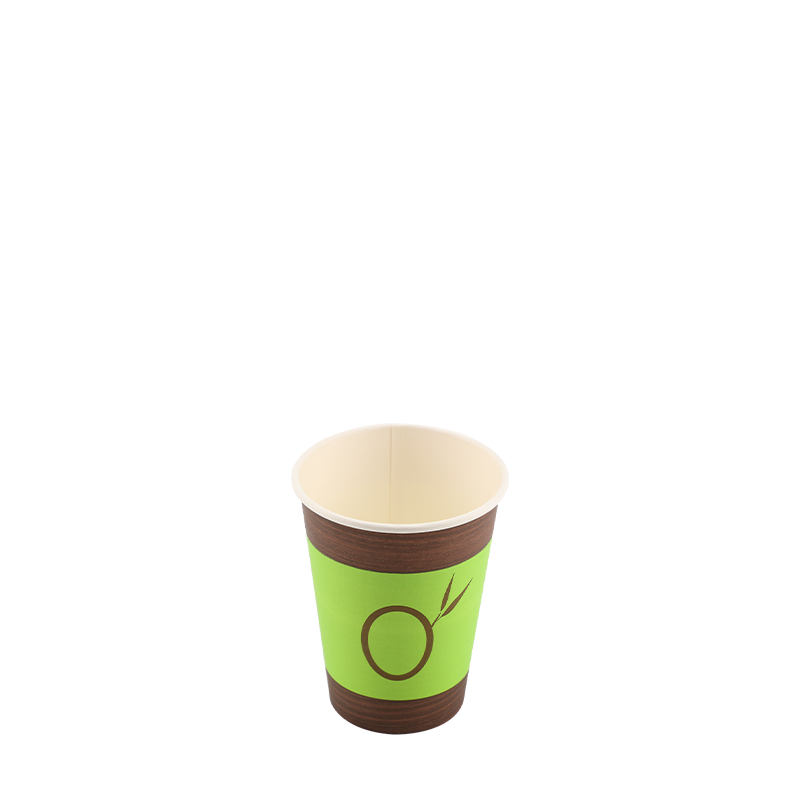
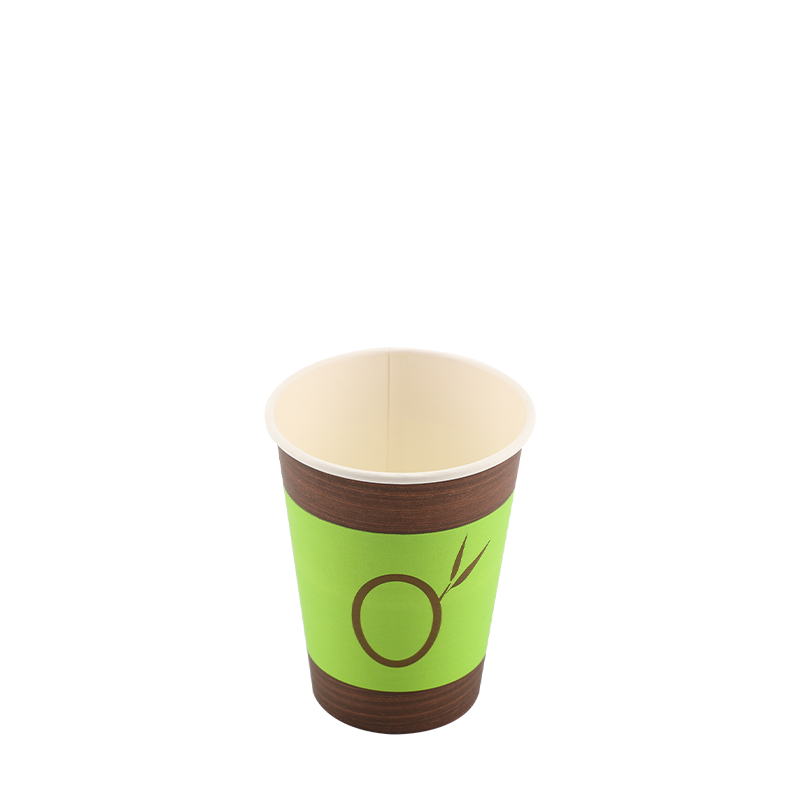
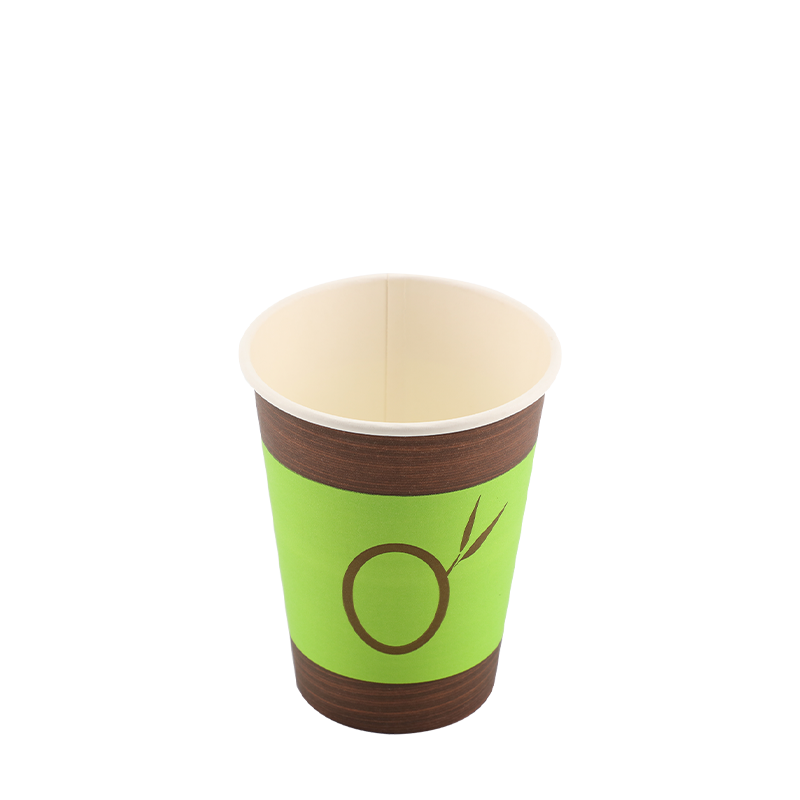
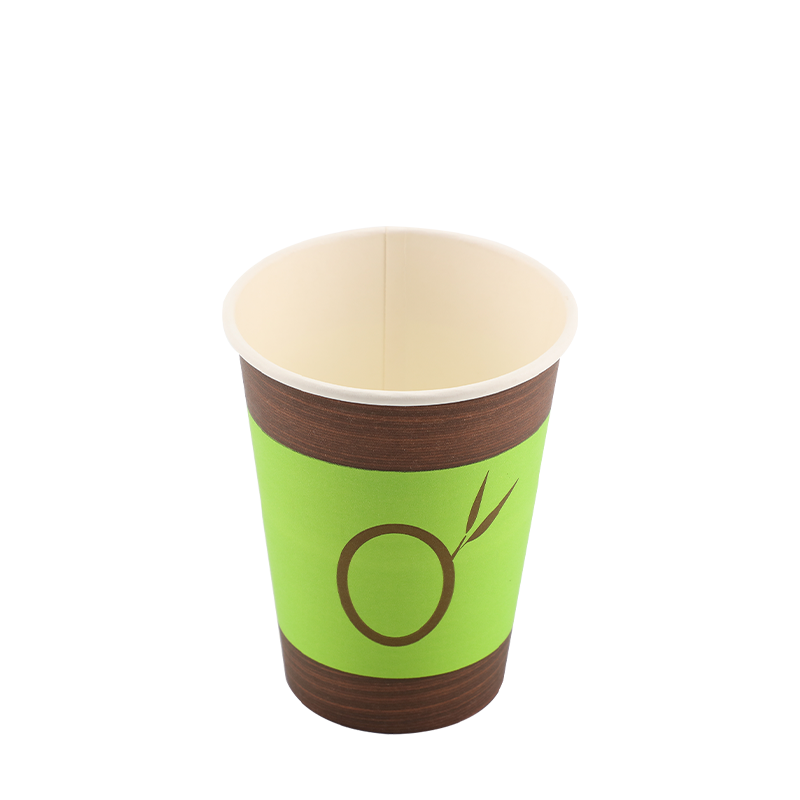
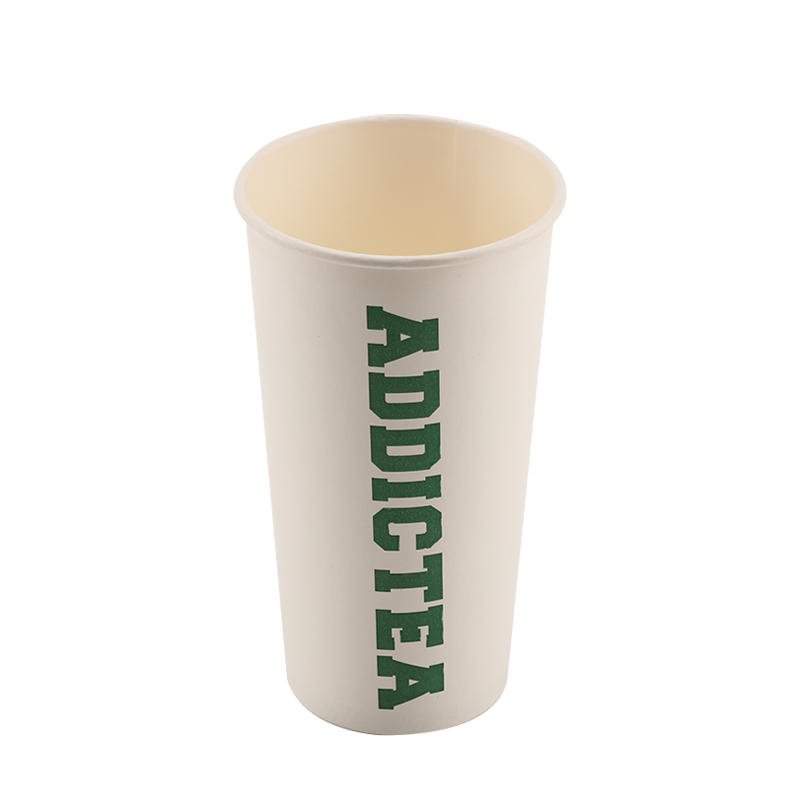
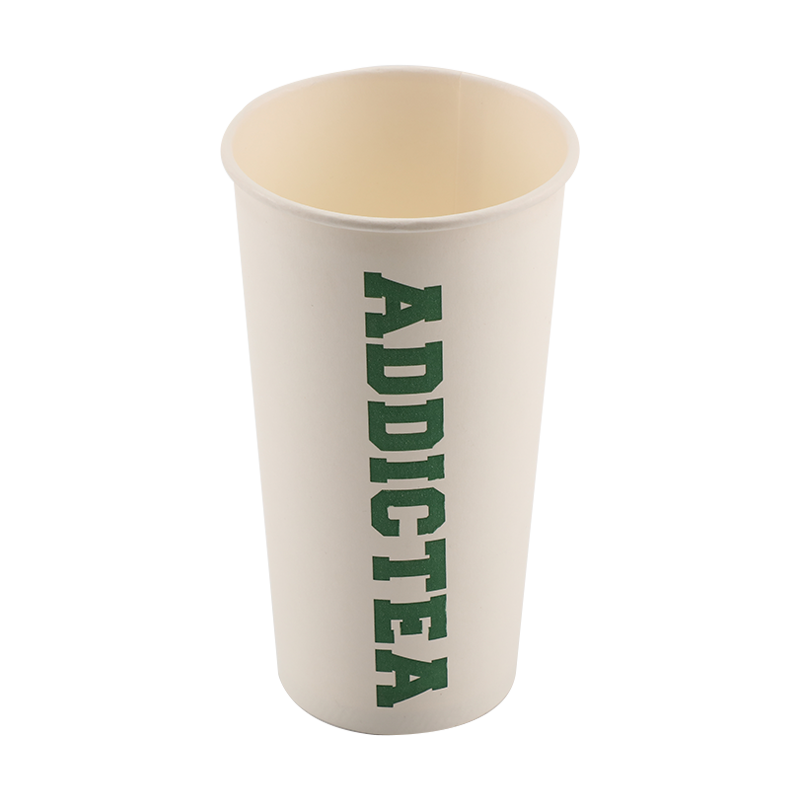


How PLA Coating Works in Compostable Hot Paper Cups
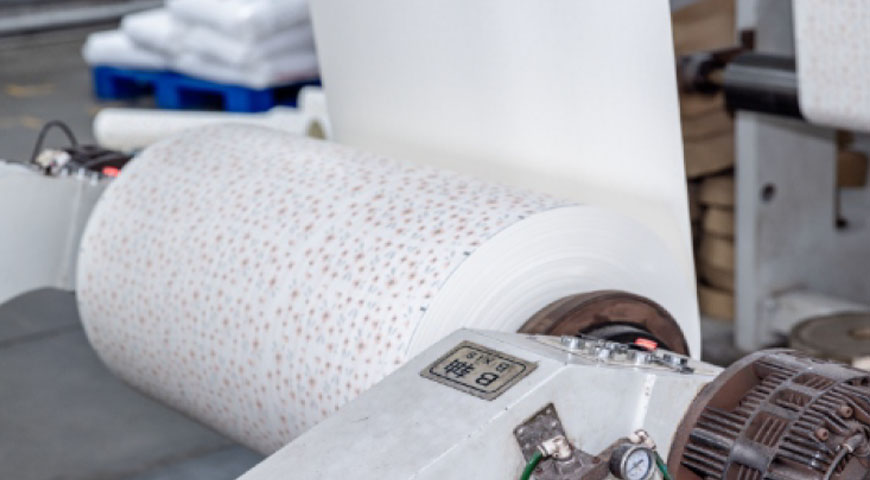
The key functional layer in most Compostable Hot Paper Cups is a polylactic acid (PLA) lining derived from fermented plant starch — typically corn or sugarcane. Unlike the polyethylene (PE) lining used in conventional paper cups, PLA bonds tightly with the paper substrate to create a waterproof, grease-resistant barrier while remaining biologically compatible with composting microorganisms.
Under industrial composting conditions — sustained temperatures above 58°C (136°F), adequate moisture, and microbial activity — PLA hydrolysis breaks polymer chains into lactic acid monomers, which microbes then metabolize into CO₂, water, and organic residue. This process typically completes within 90 to 180 days, compared to the centuries required for conventional plastic linings to degrade.
It is worth noting that PLA degradation is not triggered by ambient temperature or UV exposure alone. Cups left in a standard landfill or home compost bin may degrade far more slowly due to insufficient heat and microbial density — which is why the end-of-life infrastructure matters as much as the material itself.
Industrial Composting vs. Home Composting: What Buyers Need to Know
The distinction between industrial composting (also called commercial or municipal composting) and home composting is critical when evaluating claims on packaging. Most PLA-lined compostable cups carry certifications such as EN 13432 (Europe) or ASTM D6400 (North America), both of which validate degradation under industrial — not home — composting conditions.
| Parameter | Industrial Composting | Home Composting |
|---|---|---|
| Temperature | 55–65°C (131–149°F) | 20–40°C (68–104°F) |
| Typical Duration | 90–180 days | 1–3 years (variable) |
| Suitable for PLA cups | Yes | Generally No |
| Infrastructure required | Dedicated facility | Backyard bin |
For businesses procuring cups in volume, confirming local waste management infrastructure before selecting a compostable solution is essential. In regions where industrial composting programs are accessible, Compostable Hot Paper Cups present a measurably superior end-of-life outcome compared to conventional PE-lined alternatives.
Heat Resistance Thresholds and Practical Limits
A common procurement concern is whether compostable cups maintain structural integrity under the same thermal conditions as traditional paper cups. PLA-lined cups generally retain their shape and leak-proof performance at beverage temperatures up to approximately 85°C (185°F), which covers the standard serving range for drip coffee (75–85°C) and most hot teas.
However, prolonged exposure above 90°C — such as holding steam-temperature espresso or freshly boiled water for extended periods — can begin to soften the PLA layer. For cafes or foodservice operations frequently serving beverages at extreme temperatures, specifying cups with a thicker paper wall (typically 250–300 gsm) or pairing with a cardboard sleeve can extend safe holding time and improve grip comfort.
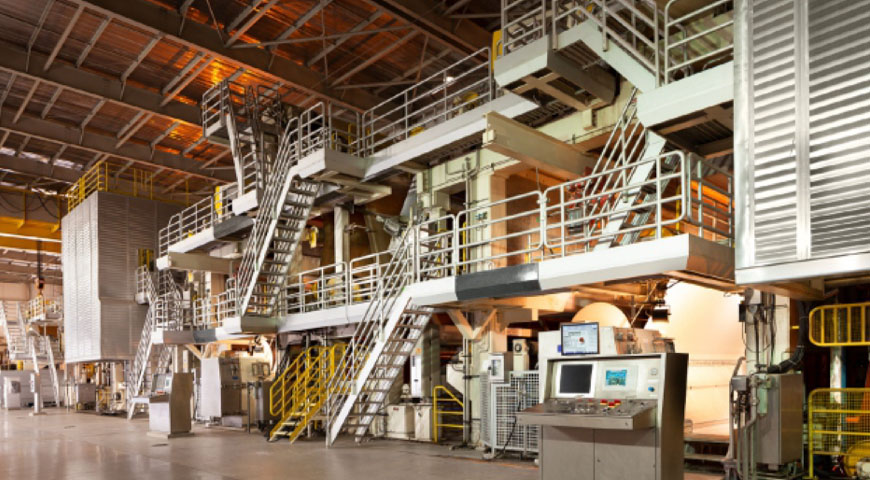
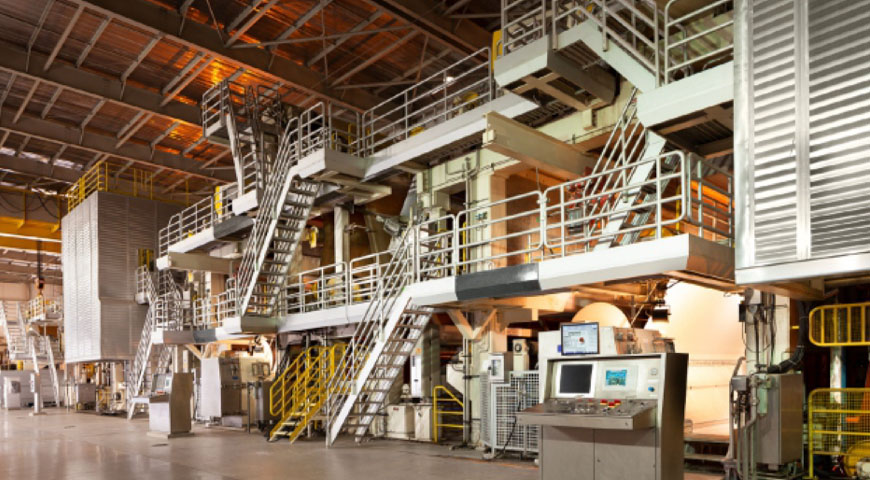
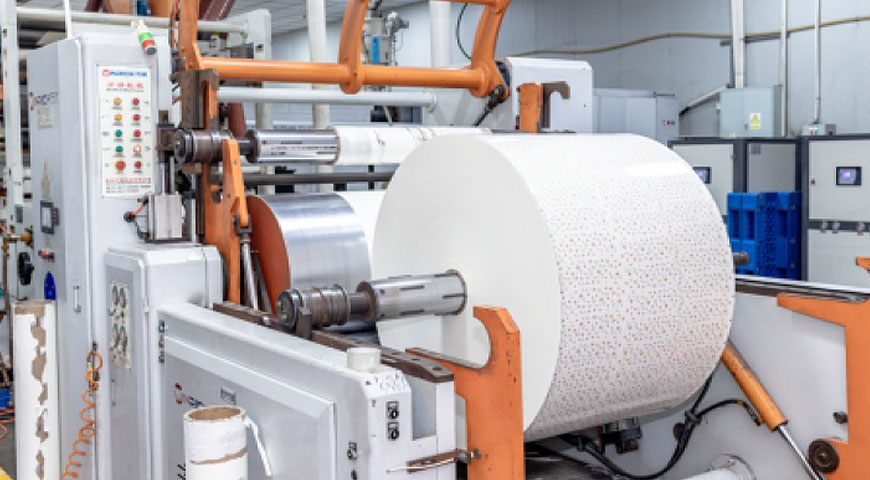
At Hangzhou Renmin Eco-tech Co., Ltd., our manufacturing process controls PLA coating weight and distribution to optimize the balance between heat resistance and compostability, ensuring cups perform reliably throughout a standard service window without compromising their end-of-life credentials.
Certifications That Actually Matter When Sourcing Compostable Cups
The compostable packaging market has grown rapidly, and so has the volume of unverified "eco-friendly" claims. When evaluating suppliers, the following certifications provide meaningful third-party validation:
- ASTM D6400 — U.S. standard for plastics designed for composting in industrial facilities; covers disintegration rate, ecotoxicity, and heavy metal limits.
- EN 13432 — European equivalent; required for products marketed as compostable within the EU. Mandates 90% disintegration within 12 weeks under industrial conditions.
- BPI (Biodegradable Products Institute) — North American third-party certification body that tests to ASTM D6400 and maintains a public database of certified products.
- OK Compost INDUSTRIAL (TÜV Austria) — European mark indicating compliance with EN 13432; widely recognized by composting facilities across Europe.
- ISO 14001 — While not compostability-specific, this environmental management system certification (held by Hangzhou Renmin Eco-tech Co., Ltd.) reflects a supplier's systemic commitment to minimizing environmental impact across production operations.
Buyers supplying markets in the EU or North America should require documentary evidence of at least one of the product-level certifications above — not simply a supplier's self-declaration — to substantiate sustainability claims to end customers or regulators.
Base Paper Specification: What the Gsm and Pulp Source Tell You
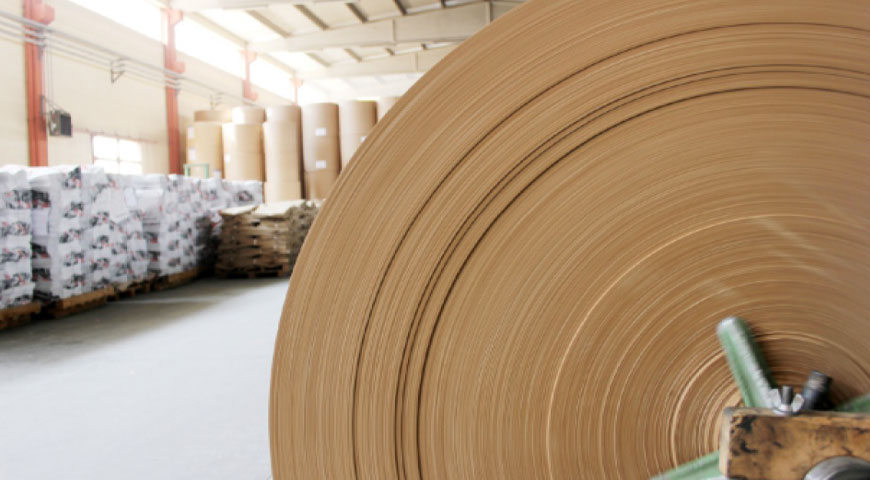
The paper substrate accounts for the majority of a compostable cup's weight and structural performance. Key variables to assess when comparing suppliers include:
- Grammage (gsm): Single-wall cups for hot beverages typically use 170–350 gsm paper. Higher grammage provides better insulation and rigidity but increases material cost. Double-wall constructions achieve superior insulation through an air gap rather than heavier paper alone.
- Virgin vs. recycled pulp: Most food-contact compostable cups use virgin wood pulp to meet hygiene standards and maintain consistent PLA adhesion. Post-consumer recycled fiber can be used for the outer sleeve in double-wall designs without compromising food safety.
- FSC or PEFC certification: These forest management certifications confirm that wood pulp is sourced from responsibly managed forests — an important consideration for companies with comprehensive sustainability procurement policies.
Understanding base paper specification also affects print quality. Cups destined for branded coffee chains or high-visibility retail require a smooth surface with consistent whiteness (typically 85–92% ISO brightness) to support sharp flexographic or offset printing.
OEM Considerations for Custom Compostable Cup Production
For foodservice brands, distributors, or retailers looking to develop private-label compostable cups, several production parameters determine both lead time and cost efficiency:
- Minimum Order Quantities (MOQ): OEM runs for custom-printed compostable cups typically start at 50,000–100,000 units per SKU. Lower MOQs are available for stock designs with label customization.
- Artwork and print setup: Full-wrap custom printing requires die-cut fan sheets matched precisely to cup diameter and height. Providing print-ready vector artwork in correct dimensions avoids costly reprints.
- Size standardization: Common cup sizes — 8 oz, 12 oz, 16 oz, 20 oz — are compatible with most lid systems already in use. Confirming lid compatibility before finalizing cup diameter prevents operational disruption at the customer end.
- Stacking and palletization: Cups are nested and sleeve-stacked for shipping efficiency. Specifying pallet configuration early simplifies warehouse planning and reduces freight cost per unit.
As an OEM and ODM manufacturer, Hangzhou Renmin Eco-tech Co., Ltd. supports the full development cycle from paper substrate selection and PLA coating specification through to printed cup production and export documentation — enabling efficient sourcing for buyers in the USA, Europe, Japan, Australia, and beyond.