

 English
 中文简体
中文简体 Français
 Español
 عربى
عربى
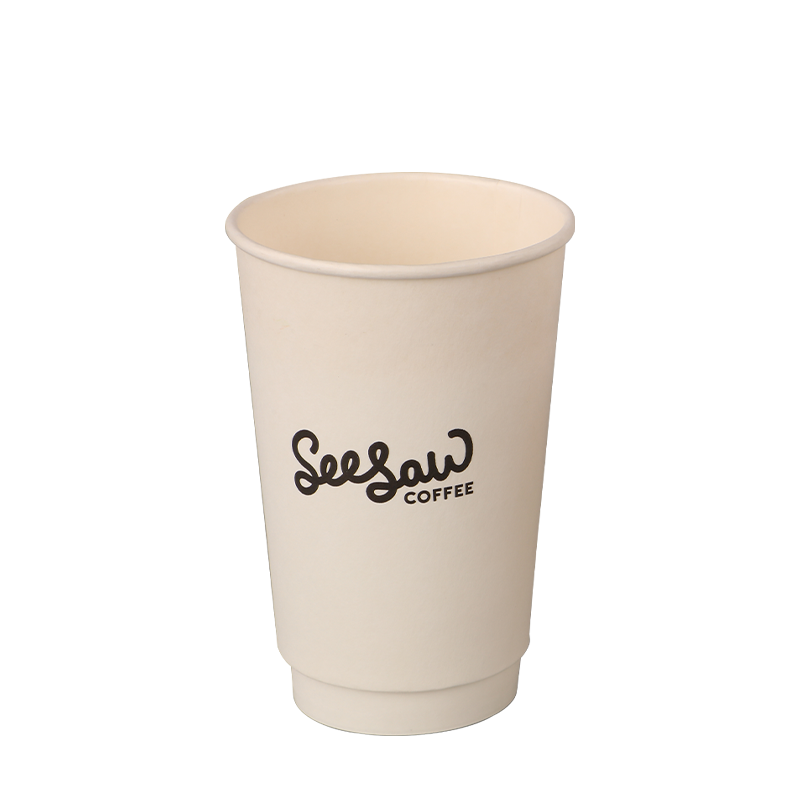
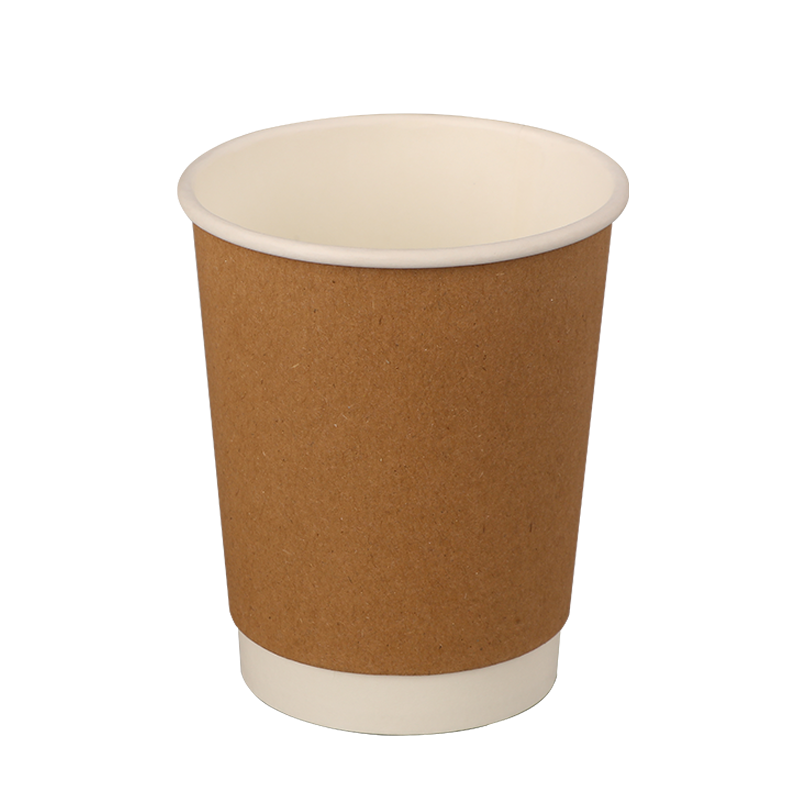

How the Air Gap in Double Wall Cups Actually Works
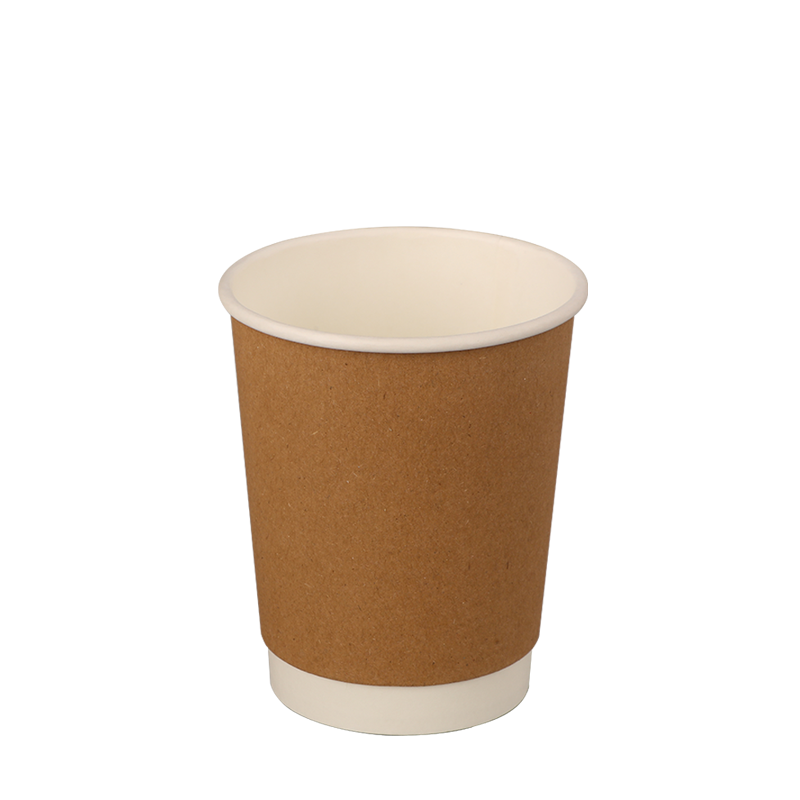
The defining feature of a Double Wall Hot Paper Cup is the insulating air pocket trapped between two layers of food-grade paperboard. This dead-air layer behaves much like the cavity wall insulation used in buildings: still air conducts heat poorly, so it slows the transfer of thermal energy from the hot liquid inside to the outer surface a consumer touches. The result is an outer wall that stays significantly cooler than a single-wall cup at the same fill temperature.
The gap typically ranges from 1.5 mm to 3 mm. Wider is not always better—an overly thick gap adds material cost and affects the cup's stackability. Manufacturers calibrate gap width against wall paper weight to hit a target outer-surface temperature, often aiming for below 45 °C when the fill is at 80 °C, which most human-factors standards consider comfortable for sustained grip.
Because the insulation is structural rather than added-on (no separate sleeve required), the cup retains its clean profile and stacks efficiently in high-volume dispensing equipment—an important logistical advantage for chain coffee shops and hotel banquet operations.
PE vs. PLA Inner Coating: A Practical Comparison
Both PE (polyethylene) and PLA (polylactic acid) coatings serve the same basic function—creating a waterproof, food-safe barrier on the inner paper surface—but they differ substantially in end-of-life behavior and processing requirements.
| Property | PE Coating | PLA Coating |
|---|---|---|
| Raw material source | Petroleum-derived | Corn starch / sugarcane |
| Heat tolerance | Up to ~85 °C (stable) | Up to ~50–55 °C (softens) |
| Compostability | Not compostable | Industrially compostable |
| Recyclability | Requires specialist de-coating | Requires industrial composting facility |
| Cost | Lower | Higher (10–30% premium typical) |
| Best application | Mainstream hot beverages | Eco-conscious brands, events |
A key practical note: PLA's lower heat-distortion temperature means it is better suited to beverages served below 70 °C—matcha lattes, warm milk teas—rather than espresso-based drinks that may reach 85–90 °C. Buyers specifying PLA-coated cups for high-temperature applications should verify the supplier's actual heat tolerance test data rather than relying on generic certification claims.
Virgin Wood Pulp vs. Bamboo Pulp: Raw Material Considerations
Both virgin wood pulp and bamboo pulp meet food-contact safety standards, but they have different fiber characteristics that affect the finished cup's feel and environmental profile.
- Virgin wood pulp (typically bleached kraft from softwood or hardwood) produces a smoother, more uniform surface that is easier to print on with high-resolution graphics. Its longer fibers give excellent tensile strength, which matters for the structural integrity of a double-wall cup under wet-heat conditions.
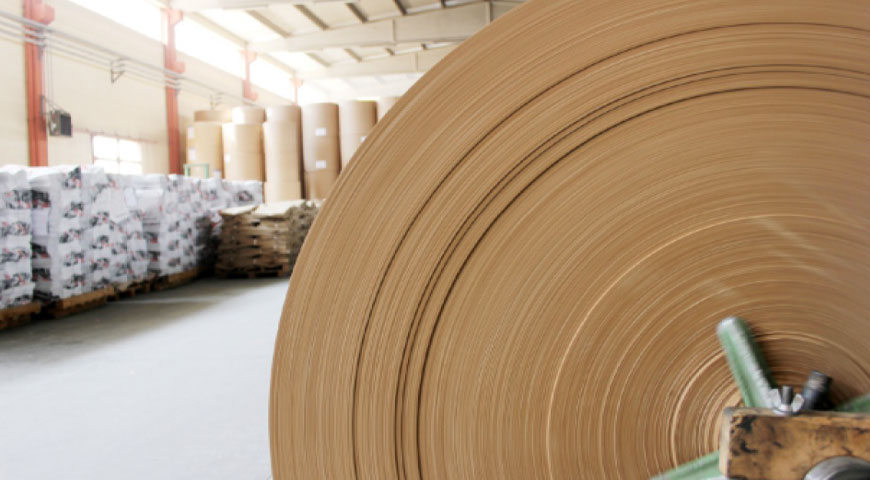
- Bamboo pulp is harvested from a fast-regenerating grass that reaches harvestable maturity in 3–5 years versus 25–70 years for commercial timber. Bamboo fibers are shorter and silkier, lending a slightly textured surface. The pulp is naturally lower in lignin, which reduces the need for harsh bleaching chemicals.
- From a carbon-accounting perspective, bamboo sequesters carbon rapidly during growth, though the net benefit depends heavily on pulping process efficiency and transportation distances.
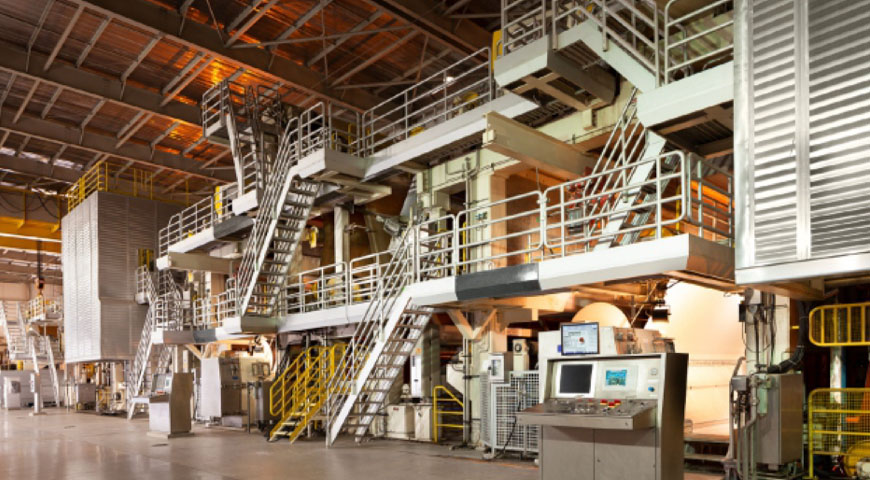
At Hangzhou Renmin Eco-tech Co., Ltd., we source base paper from certified mills and maintain ISO14001:2004 environmental management certification, allowing customers to incorporate verified material data into their own sustainability reporting.
Lid Compatibility and Seal Integrity Under Temperature Cycling
A leak-proof lid fit depends on the dimensional tolerance between the cup's rim and the lid's locking channel. For double-wall cups, the rim is typically wider and stiffer than a single-wall equivalent, which can affect lid interchangeability if buyers mix cups from different suppliers on the same lid SKU.
The three most common lid materials used with hot-beverage cups are:
- PET (polyethylene terephthalate) — transparent, good for showcasing layered drinks, but rated for temperatures up to around 70 °C. Not ideal for espresso or any drink poured above 75 °C.
- PP (polypropylene) — opaque or translucent, heat-stable to approximately 100 °C, the standard choice for mainstream hot coffee applications. More resistant to lid deformation on high-temperature fills.
- Spill-proof / sip-through lids — typically PP with an integrated drinking aperture and reclosable tab. These add a premium feel and are increasingly specified for upscale chain accounts and airline/business event catering.
Temperature cycling—heating and briefly cooling—can cause minor dimensional shifts in both cup rim and lid. Reputable cup manufacturers conduct simulated use tests (fill, lid, carry, tilt at standard angles) to confirm that seal integrity is maintained across the expected thermal range before a design is released to production.
Customization Variables That Affect Minimum Order Quantities
B2B buyers often discover that customization scope is the single biggest driver of MOQ. Understanding which variables trigger new tooling or press setup helps procurement teams negotiate more effectively.
- Cup size: Each volume (8 oz, 12 oz, 16 oz, 20 oz) requires a dedicated die-cut fan and forming mandrel. Ordering multiple sizes simultaneously can spread tooling amortization, but each size still carries its own production run minimum—commonly 50,000–100,000 units per size for offset-printed custom artwork.
- Print color count: Flexographic printing costs scale with the number of color stations. A single PMS color on a white base is the lowest-cost option; full CMYK process printing or spot UV finishes add press passes and raise break-even volume.
- Coating type: Switching from PE to PLA coating may require a separate production run to avoid cross-contamination on extrusion lines, which some mills handle by dedicating specific days to each coating type—affecting lead times as well as MOQ.
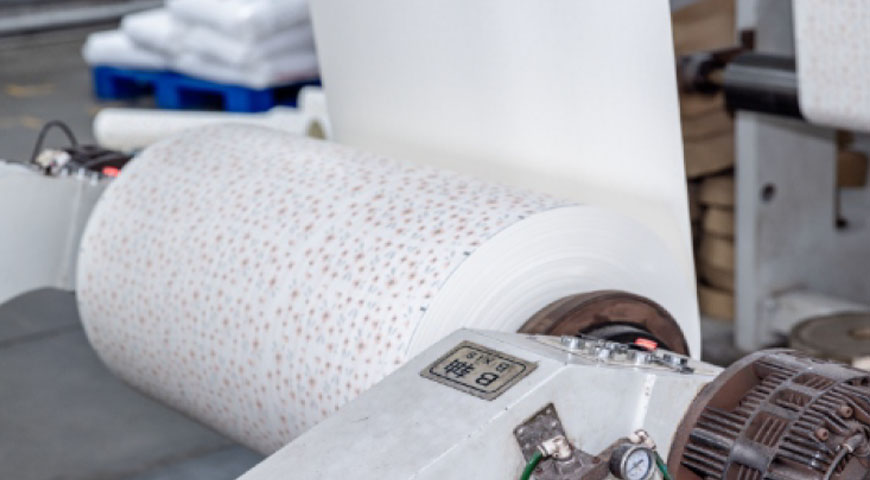
- Paper weight: Standard double-wall constructions use 190–220 gsm for the inner wall and 170–190 gsm for the outer; requesting heavier board for a premium rigid feel is possible but may exceed standard reel widths and trigger additional sheeting steps.
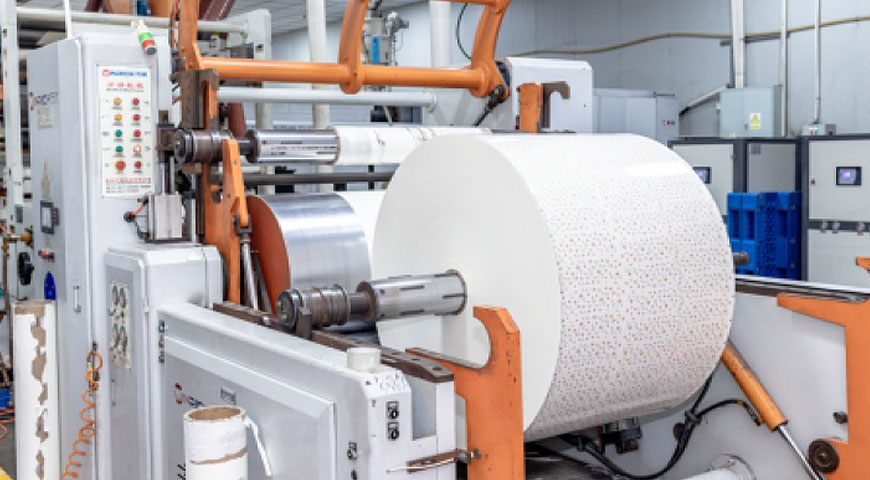
As an OEM/ODM manufacturer, Hangzhou Renmin Eco-tech Co., Ltd. produces Double Wall Hot Paper Cups across a range of sizes and coating options, with structured sampling processes that allow buyers to validate print quality and structural performance before committing to full production volumes.
Stacking, Storage, and Dispensing Performance in High-Volume Environments
A cup that performs well when filled but jams or collapses in an automatic cup dispenser creates costly operational disruptions in high-traffic venues. Double-wall cups present specific stacking geometry challenges because the outer wall flares slightly relative to the inner wall, changing the effective taper angle that determines how tightly cups nest.
Key metrics that buyers should request from manufacturers:
- Stack height per 50 cups: Determines how many cups fit in a standard tube dispenser. A tighter stack allows more cups per refill cycle, reducing staff intervention.
- Dispensing force: The force required to separate the bottom cup from a nested stack. If too high, automatic dispensers misfire; too low, and cups dislodge during transit.
- Humidity resistance of the outer wall: In high-humidity storage environments (e.g., kitchen back-of-house areas), uncoated outer walls can absorb moisture and soften, compromising the cup's side-wall compression strength and causing dispensing failures.
For export customers shipping to high-humidity markets in Southeast Asia or East Africa, specifying a moisture-barrier outer wrap or requesting accelerated-aging test data (typically 40 °C / 90% RH for 48 hours) before finalizing specifications is a prudent step that experienced suppliers can accommodate.