

 English
 中文简体
中文简体 Français
 Español
 عربى
عربى
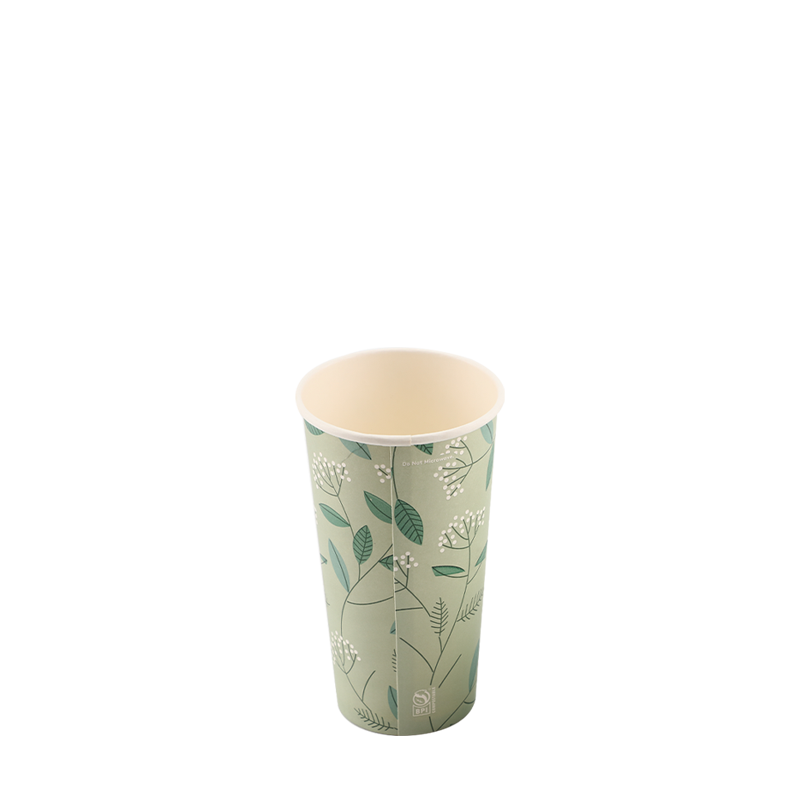
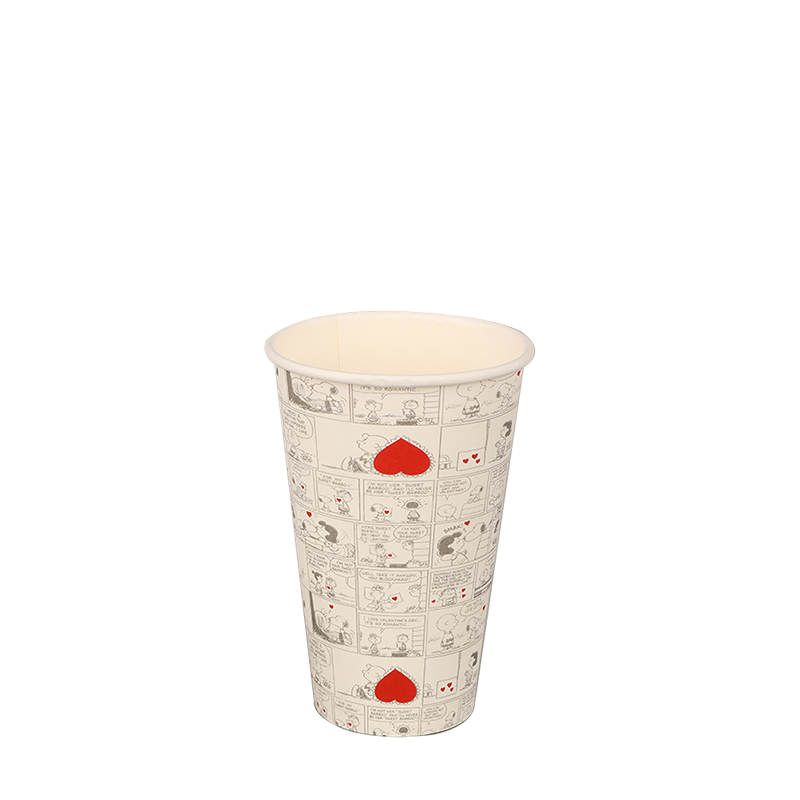
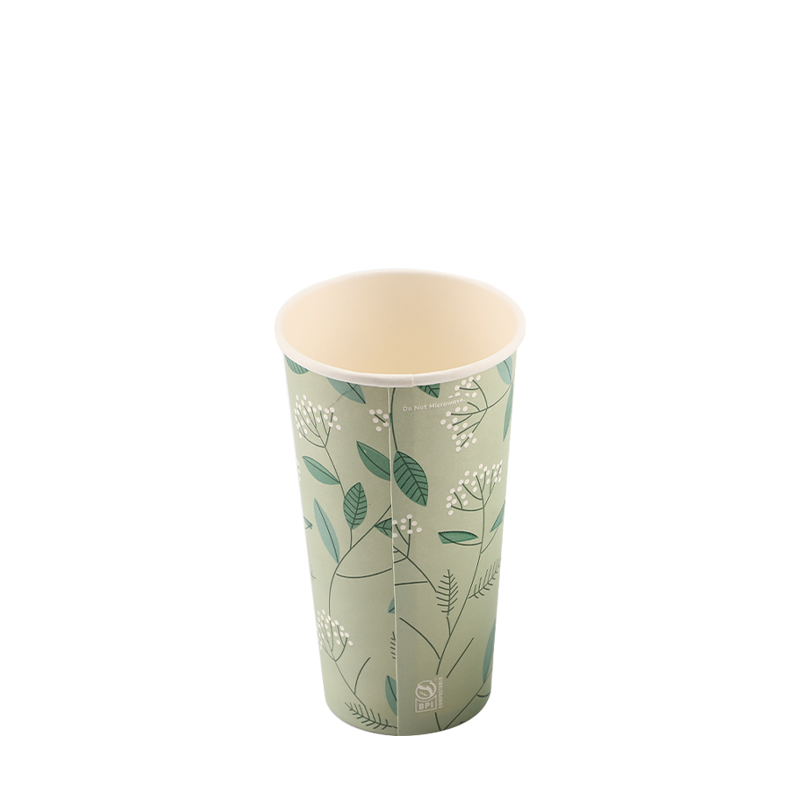
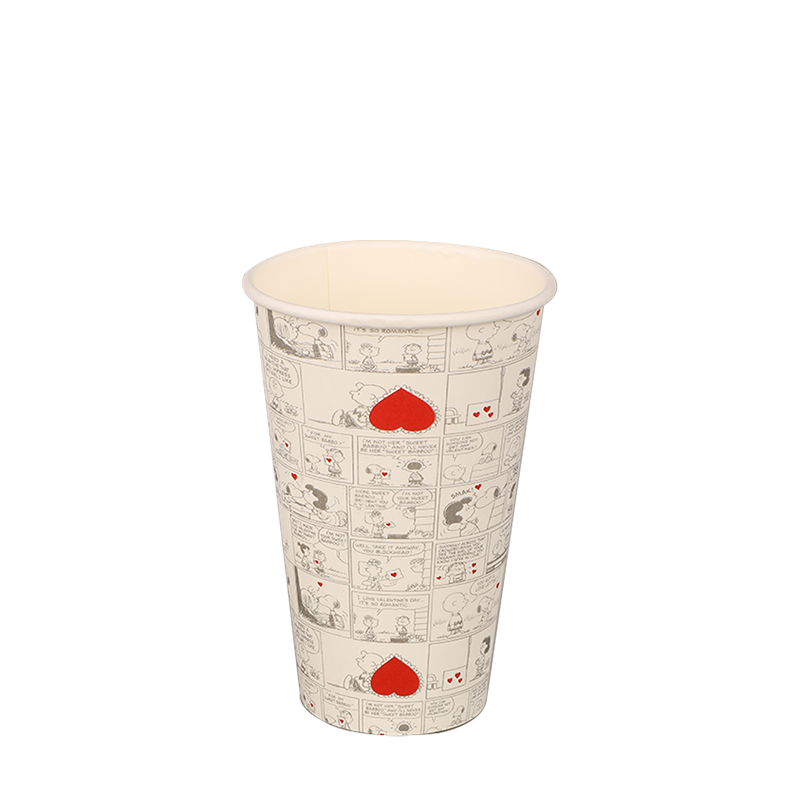


How PE and PLA Coatings Affect the Performance of Single Wall Hot Paper Cups
The inner coating of a Single Wall Hot Paper Cup plays a decisive role in its leak resistance, heat tolerance, and end-of-life disposal. Two materials dominate the market: PE (polyethylene) and PLA (polylactic acid).
PE-coated cups have been the industry standard for decades. The film bonds tightly to the virgin wood pulp base paper, creating a reliable moisture barrier that performs consistently across a wide temperature range — typically up to 95°C. This makes them suitable for coffee, tea, and hot water dispensing without concern for delamination during normal use.
PLA-coated cups use a plant-based film derived from corn starch or sugarcane. They are commercially compostable under industrial conditions (typically requiring temperatures above 58°C for several weeks), making them a preferred option for venues with certified composting infrastructure. However, PLA softens at lower temperatures than PE, so it is less suited for very high-temperature beverages held for extended periods.
| Coating Type | Heat Resistance | Compostability | Cost | Best For |
|---|---|---|---|---|
| PE | Up to ~95°C | Not compostable | Lower | High-volume, cost-sensitive operations |
| PLA | Up to ~85°C | Industrially compostable | Higher | Eco-focused brands with composting access |
At Hangzhou Renmin Eco-tech Co., Ltd., we supply both PE and PLA-coated cup stocks, allowing buyers to select the coating that aligns with their sustainability commitments and operational requirements.
Choosing the Right Size: A Practical Guide to Single Wall Cup Capacities
Capacity selection directly affects beverage presentation, material cost per unit, and customer satisfaction. Single wall hot paper cups are commonly offered in the following sizes, each serving distinct functions:
- 4 oz — Espresso shots, taste samples, and condiment cups at hotel buffet stations. The compact form reduces material usage and cost per piece.
- 6 oz — Small Americanos, flat whites, and hot teas at specialty coffee bars or breakfast shops.
- 7 oz — A transitional size popular in vending machines and office water dispensers across Asian markets.
- 8 oz — The most widely used size globally for standard brewed coffee and takeout tea orders.
- 12 oz — Medium lattes, cappuccinos, and iced-to-hot dual-use situations in café chains.
- 16 oz — Large format drinks, event service, and convenience store self-serve stations.
When selecting size for a new venue or product line, consider not just volume but also lid compatibility. A mismatch between cup rim diameter and lid SKU is one of the most common sourcing errors. Standardizing on a single rim diameter across multiple sizes — where operationally feasible — simplifies inventory and reduces the risk of leakage from poorly fitting lids.
Why Virgin Wood Pulp Paper Matters in Hot Beverage Cups
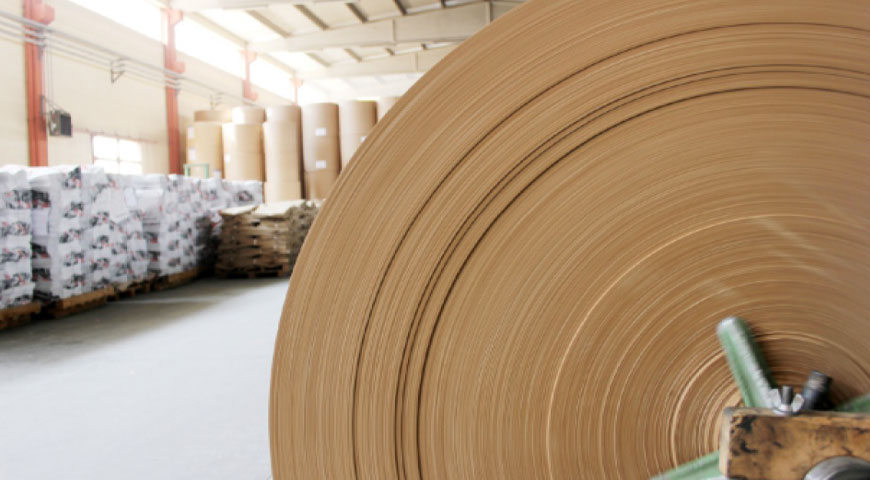
The base paper used in hot beverage cups is not interchangeable with standard office or packaging paper. Virgin wood pulp paper — paper produced directly from unprocessed cellulose fibers without recycled content — is the industry norm for food-contact hot cup applications for several interconnected reasons.
First, virgin fiber delivers consistent tensile strength. Recycled fibers vary in length and integrity depending on their source, which can lead to inconsistent performance during forming, coating adhesion, and under heat stress. For a cup holding liquid at 85–90°C, structural consistency is non-negotiable.
Second, virgin pulp contains no residual inks, dyes, or contaminants from prior use cycles. Regulatory frameworks in the EU, USA, and Japan impose strict limits on the migration of substances from food-contact materials into beverages. Virgin pulp base stock is the easiest way to meet those thresholds reliably.
Third, the smooth fiber surface of virgin pulp accepts PE and PLA coatings more uniformly, resulting in a more consistent moisture barrier across the cup surface — particularly critical at the side seam and base, which are the two most common leak points.
Single Wall vs. Double Wall vs. Corrugated: When Each Makes Economic Sense
Procurement decisions between cup wall types are often driven by total cost of use rather than unit price alone. Here is how the three formats compare across the dimensions that matter most to foodservice operators and distributors:
| Factor | Single Wall | Double Wall | Corrugated Sleeve |
|---|---|---|---|
| Unit Material Cost | Lowest | ~30–50% higher | Medium (cup + sleeve) |
| Heat Insulation | Low — sleeve recommended | Good | Good |
| Print Surface | Full cup exterior | Full cup exterior | Cup + sleeve (separate) |
| Weight per 1,000 pcs | Lightest | Heavier | Heaviest |
| Best Application | High-volume, cost-sensitive | Premium retail / café | Specialty or event use |
For operations prioritizing lowest landed cost per unit — office pantries, large-scale event catering, hotel breakfast buffets, and institutional procurement — Single Wall Hot Paper Cups remain the most rational choice when paired with a low-cost cup sleeve. The sleeve adds insulation without the structural overhead of a second paper wall, keeping material use proportional to actual need.
Custom Printing on Single Wall Paper Cups: What Buyers Need to Know Before Ordering
Printed paper cups serve dual roles: they contain the beverage, and they communicate the brand. For buyers ordering custom-printed single wall cups, several technical and commercial factors determine whether the final output matches expectations.
Ink and Food Safety Compliance
All inks applied to the cup exterior must be food-grade and migration-tested. Reputable manufacturers use water-based or UV-cured inks with low migration potential to ensure that volatile compounds do not transfer through the paper wall into the beverage. Ask for test reports referencing EU Regulation No. 10/2011 or FDA 21 CFR standards when sourcing for regulated markets.
Color Registration and Single vs. Multi-Color Printing
Single-color printing — typically a brand logo or simple pattern — is the most cost-effective option and suitable for early-stage brands or high-volume commodity orders. Multi-color flexographic printing allows full brand expression but requires precise registration across the cylindrical cup surface. Minimum order quantities (MOQs) for custom print runs typically start at 50,000 to 100,000 pieces, depending on the number of colors and cup size.
Artwork Preparation Tips
- Submit artwork as vector files (AI or EPS) at actual print size to avoid resolution loss.
- Account for the side seam area — a 5–8 mm overlap zone where design elements should be avoided or kept simple.
- Use Pantone color codes rather than RGB or CMYK approximations to ensure color consistency across print runs.
- Request a physical proof or press sheet before approving mass production.
At Hangzhou Renmin Eco-tech Co., Ltd., our OEM/ODM capabilities cover single and multi-color print runs across all standard cup sizes, with design support available for customers developing new packaging concepts from scratch.
Storage, Shelf Life, and Handling Best Practices for Paper Cup Distributors
Paper cups are sensitive to environmental conditions in ways that are often underestimated until quality complaints arise downstream. Proper warehouse and logistics handling protects both the cup's structural integrity and its food-contact safety.
- Humidity control: Store cups in a dry environment below 65% relative humidity. Excess moisture causes the base paper to absorb water, softening the cup wall and degrading the adhesion of the inner PE or PLA coating — the primary cause of field leakage complaints.
- Temperature range: Ambient warehouse temperatures between 10°C and 30°C are ideal. Avoid storage near heat sources or in direct sunlight, which can cause thermal stress to the coated paper and warp cup stacks.
- Stacking height: Cartons should not be stacked beyond the manufacturer's recommended pallet height (typically 5–6 cartons high for standard 8 oz/12 oz SKUs). Over-stacking deforms the bottom cartons and crushes the rim of cups in the lower stack, causing lid-fit failures.
- Shelf life: Most single wall hot paper cups carry a 24-month shelf life from production date under proper storage conditions. FIFO (first in, first out) rotation is essential for high-turnover distributors to avoid selling aged stock with degraded coating integrity.
- Packaging integrity: Do not open inner sleeves until point of use. The original sleeve packaging protects cups from dust and contaminants that could compromise food-contact compliance.