


 English
 中文简体
中文简体 Français
 Español
 عربى
عربى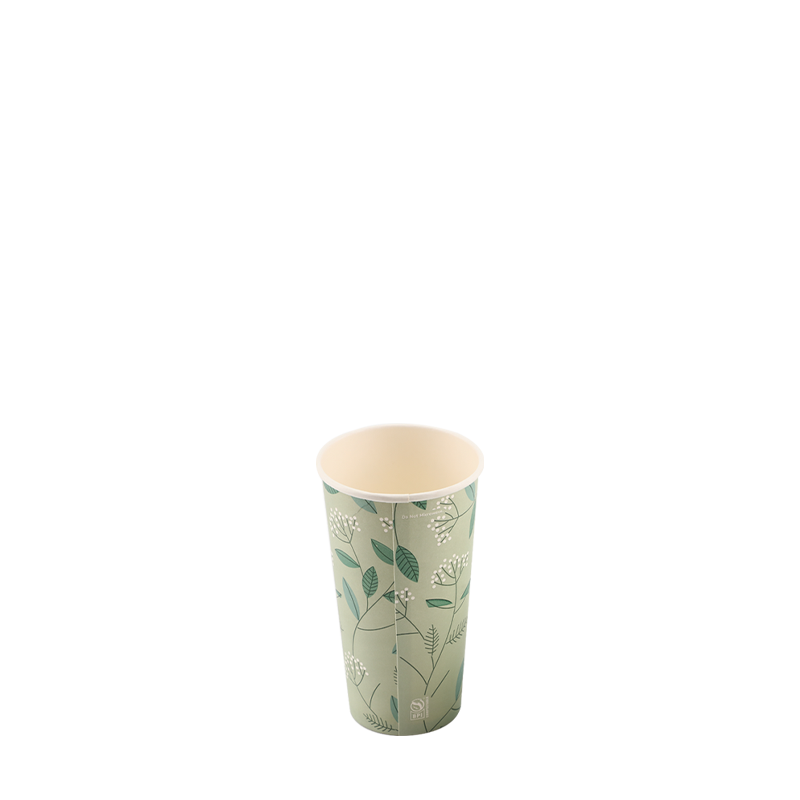
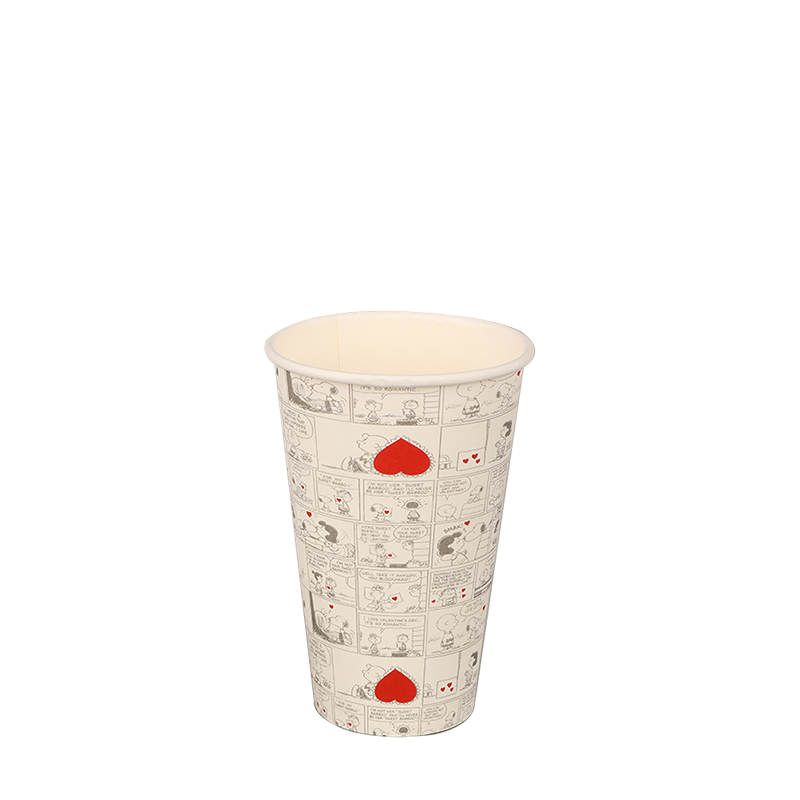
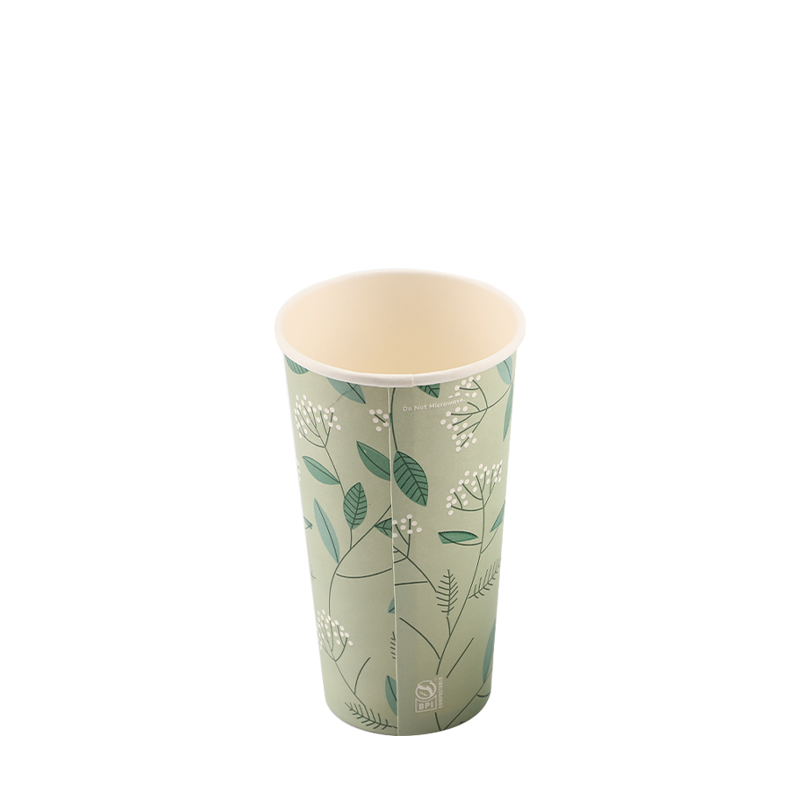
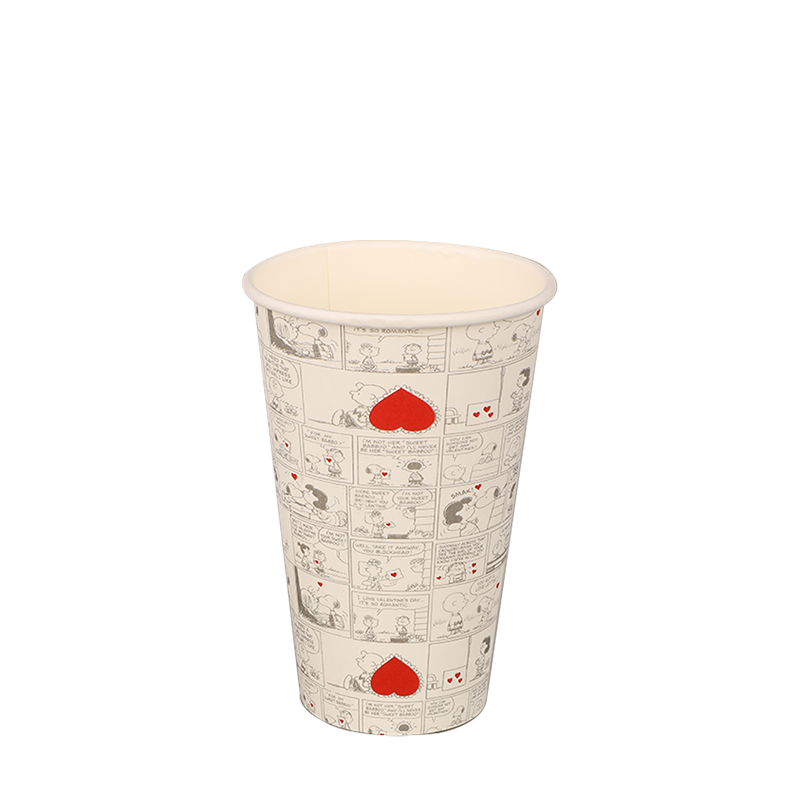
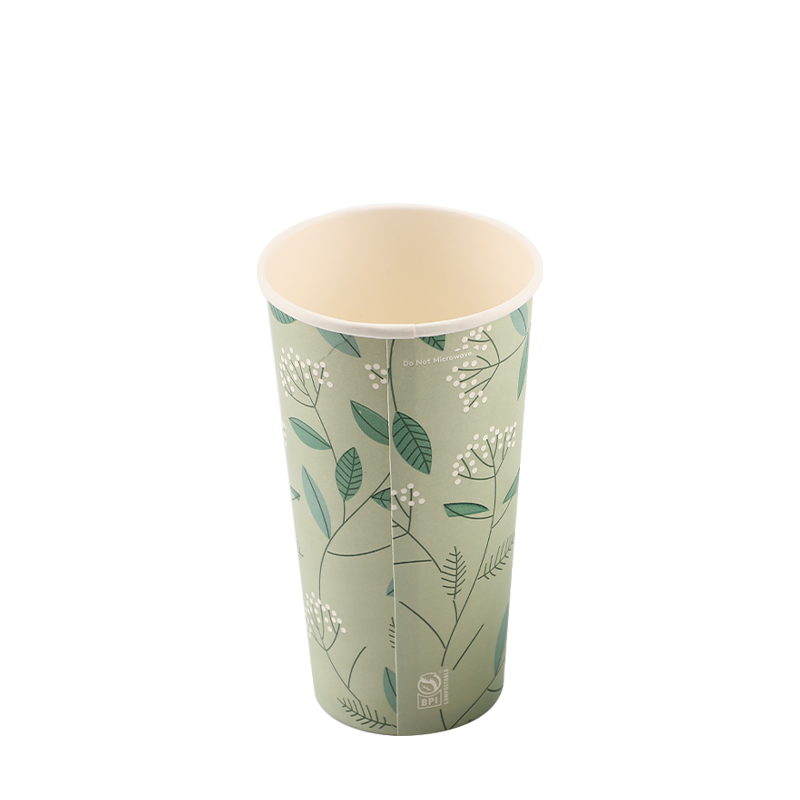
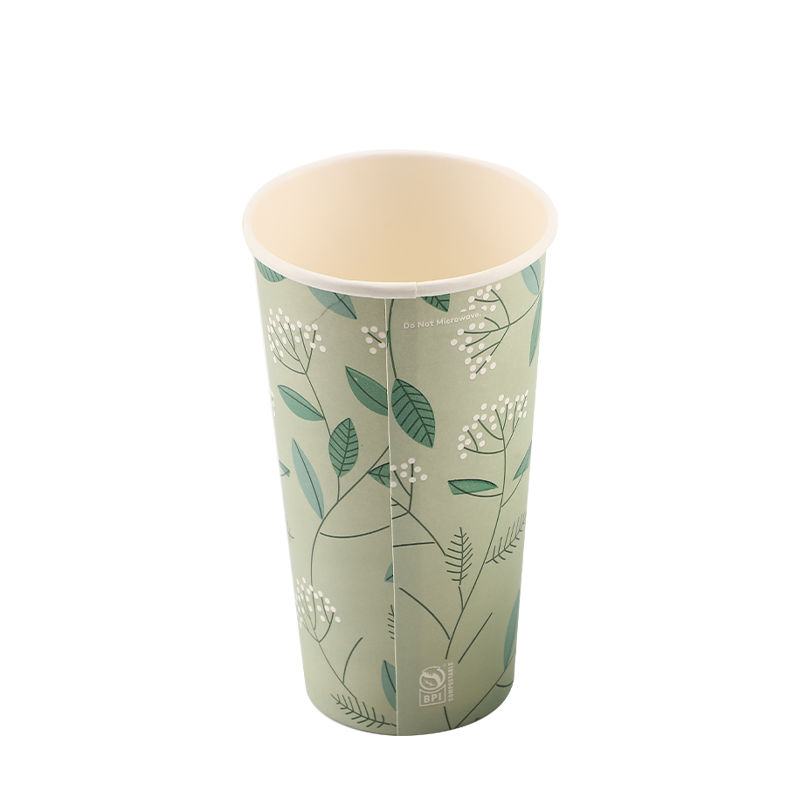
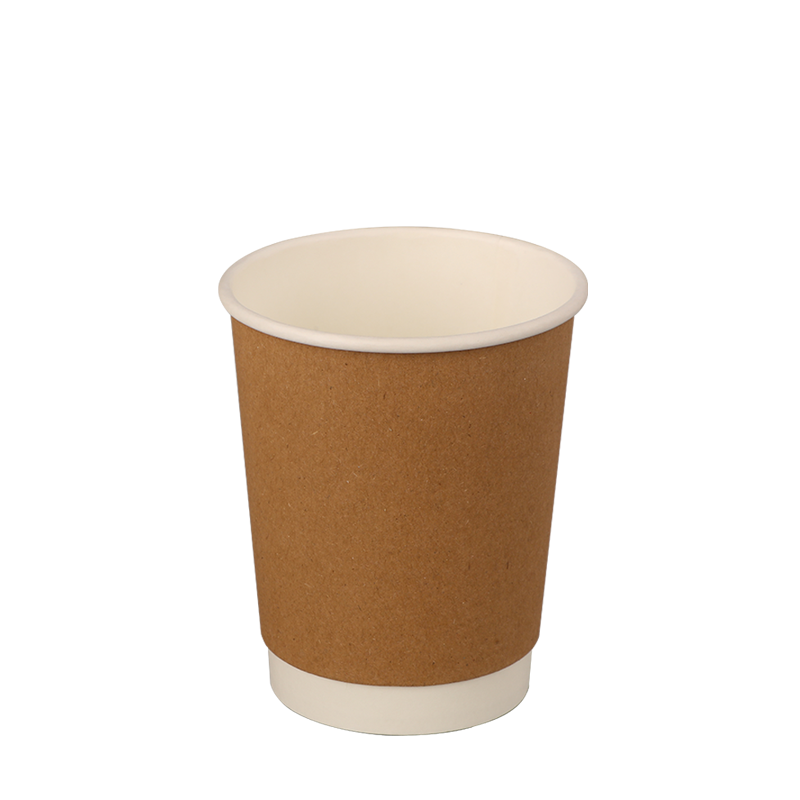
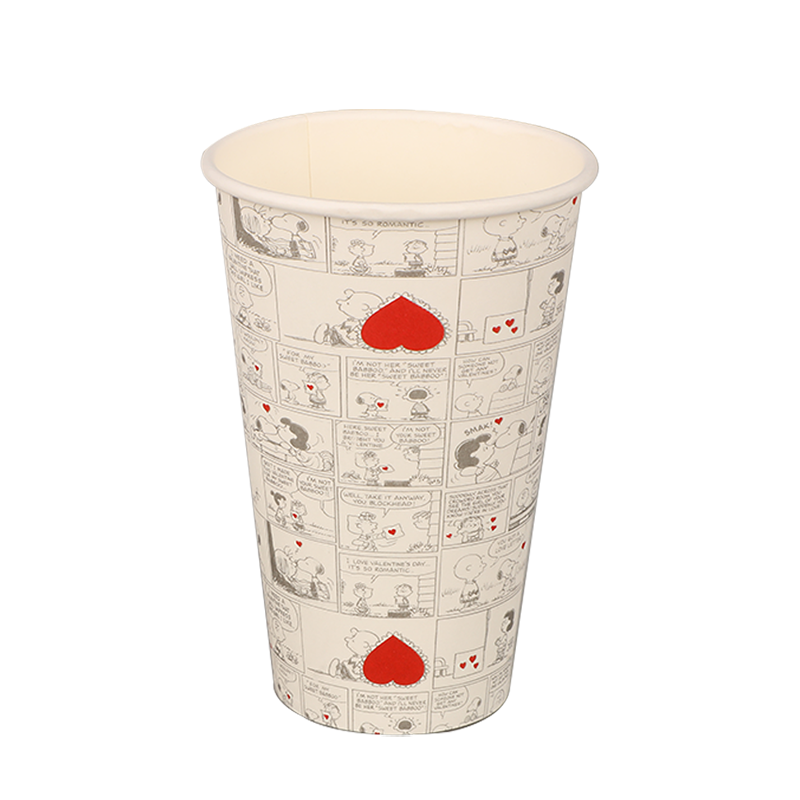
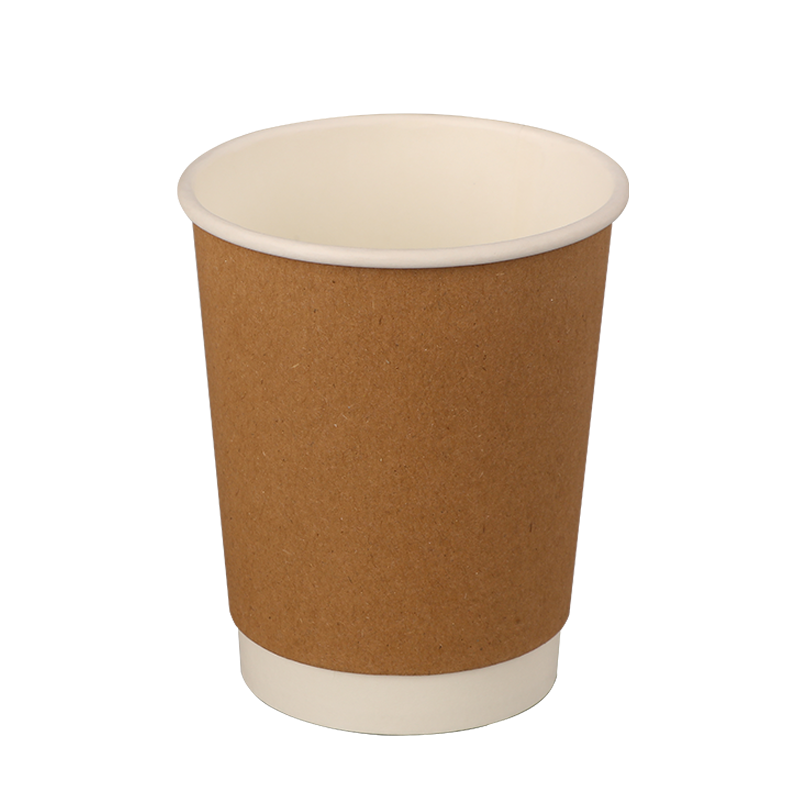
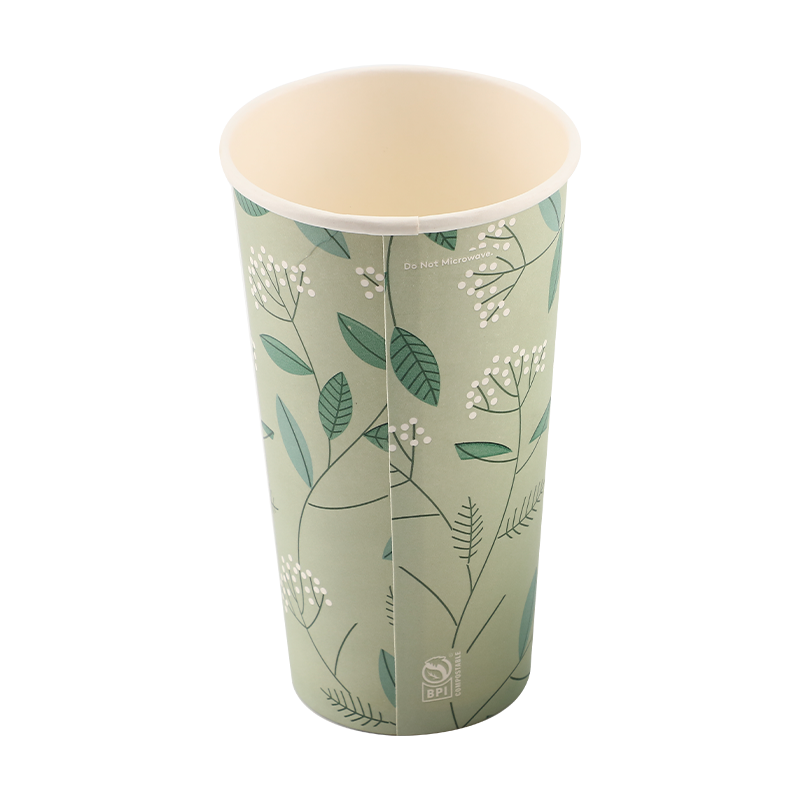
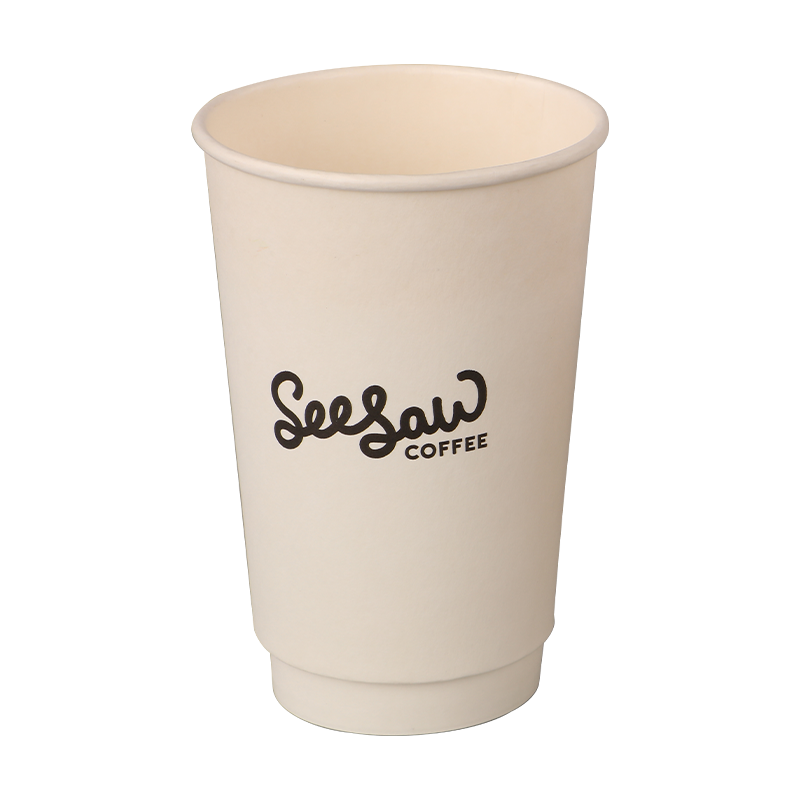
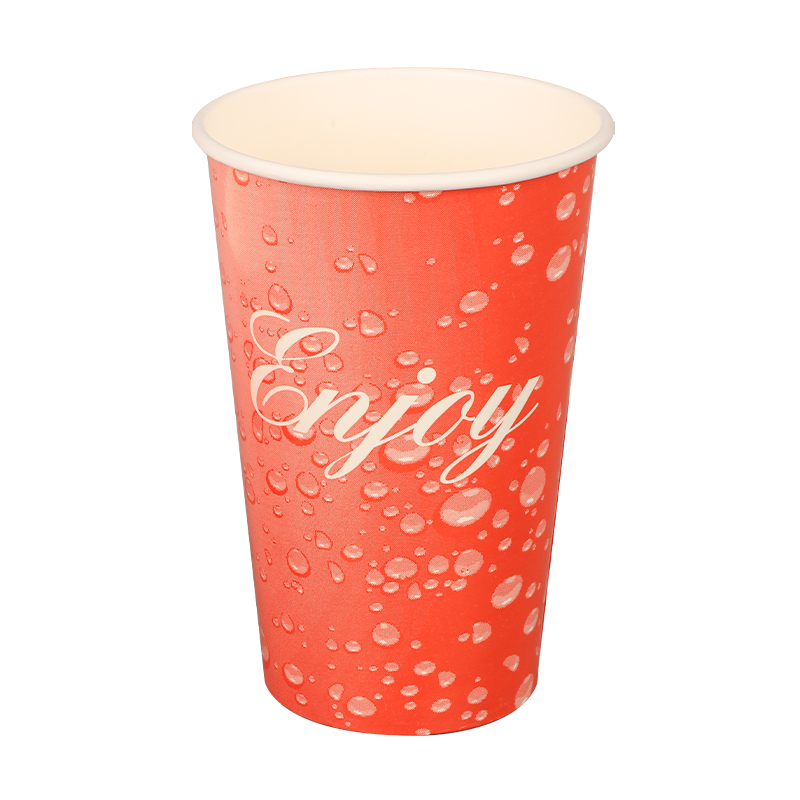
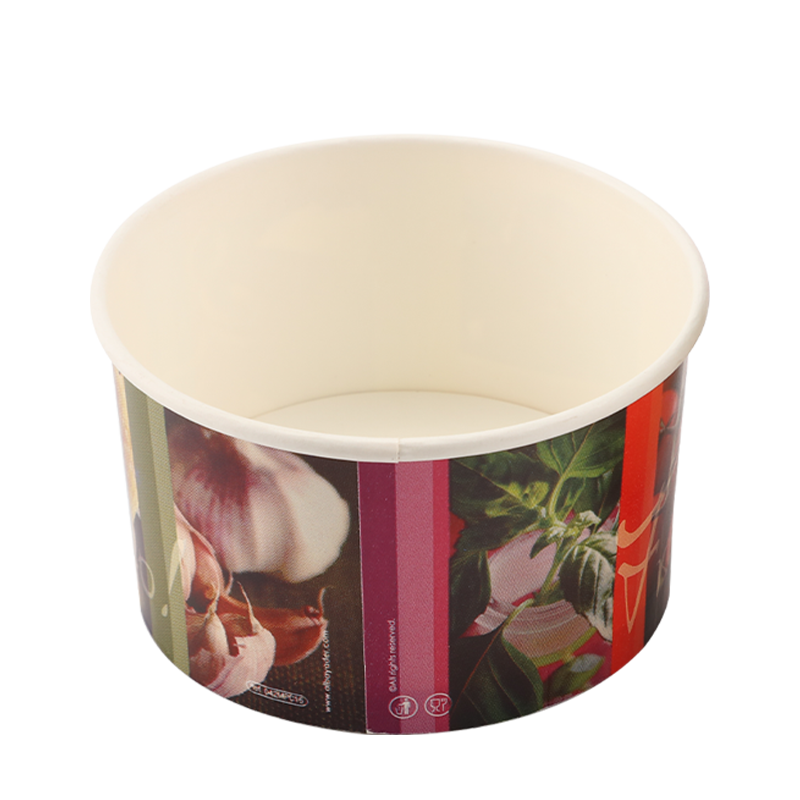
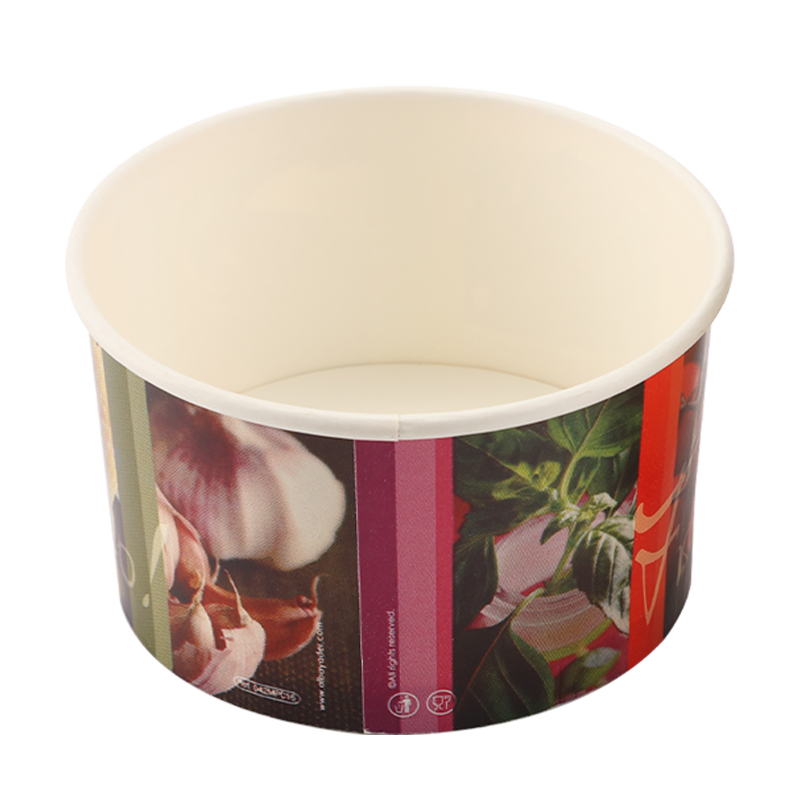
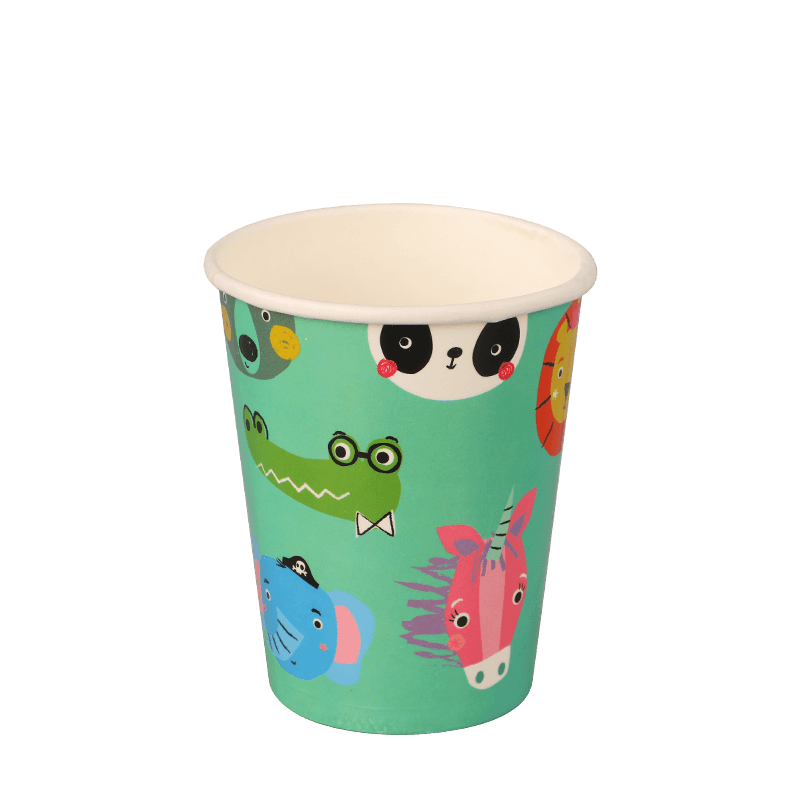
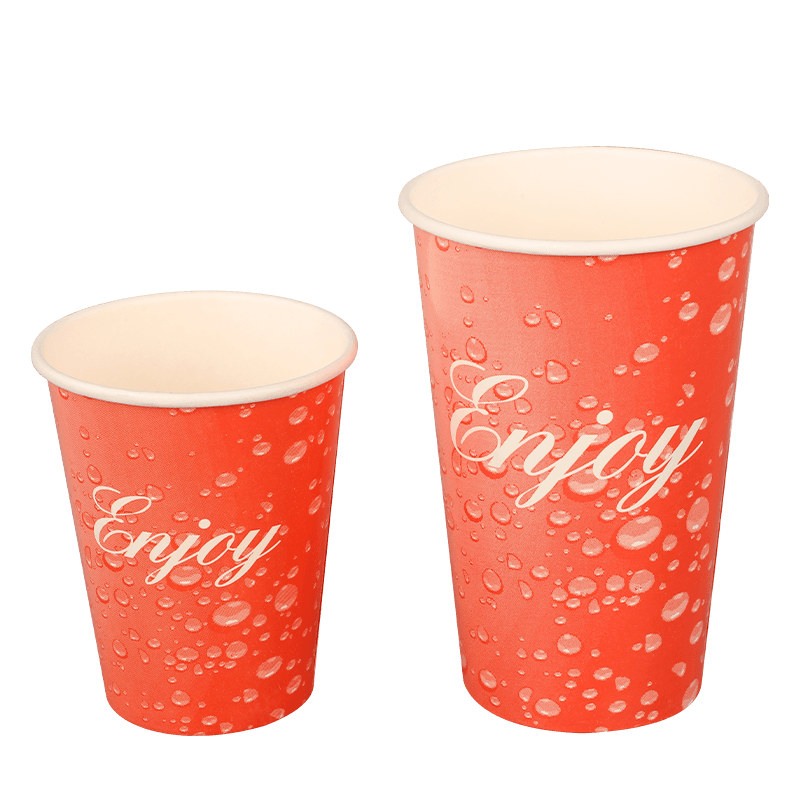

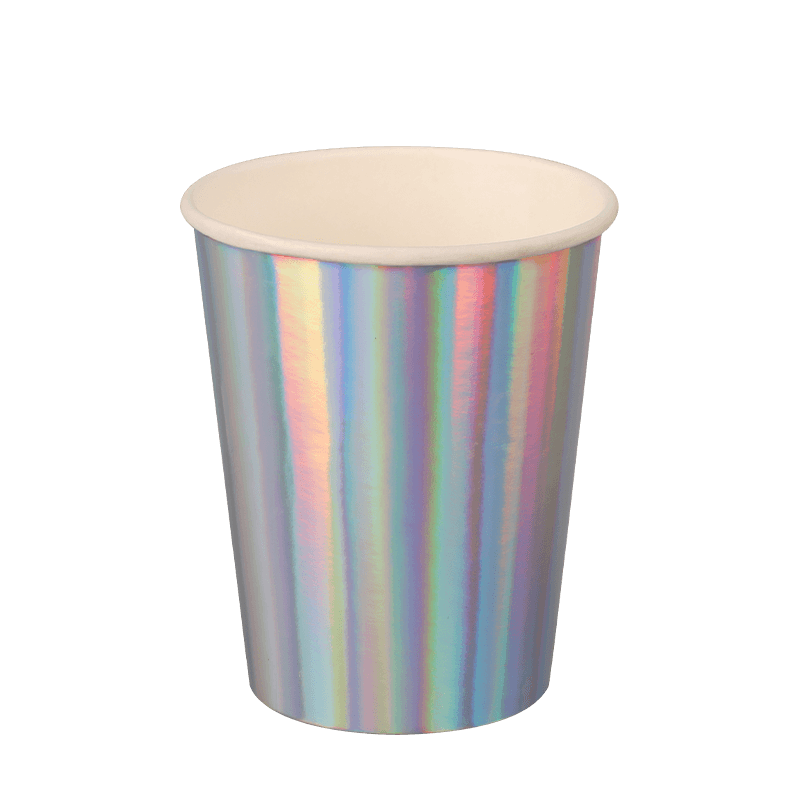
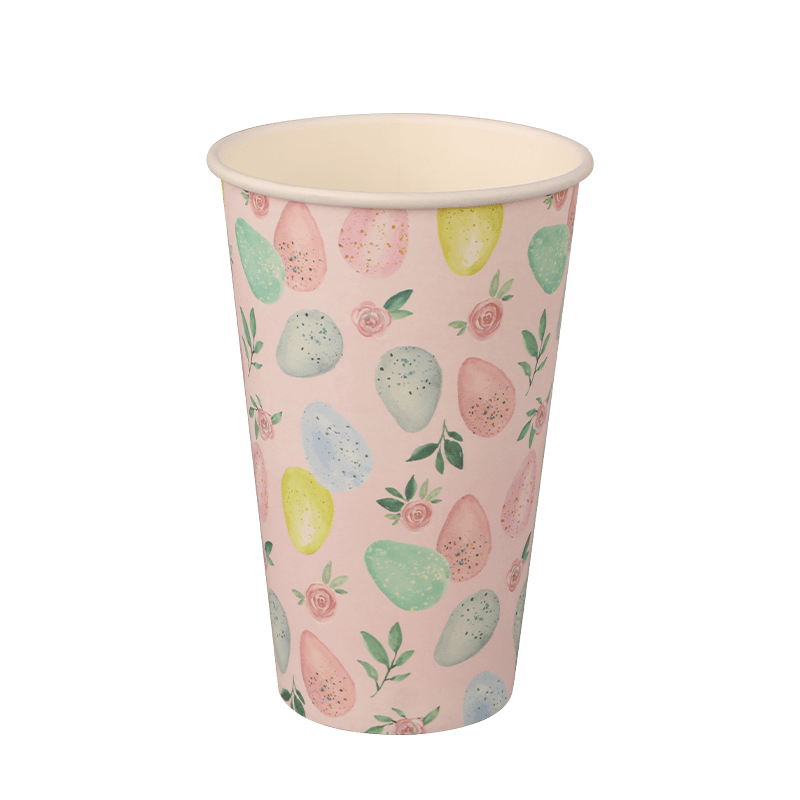
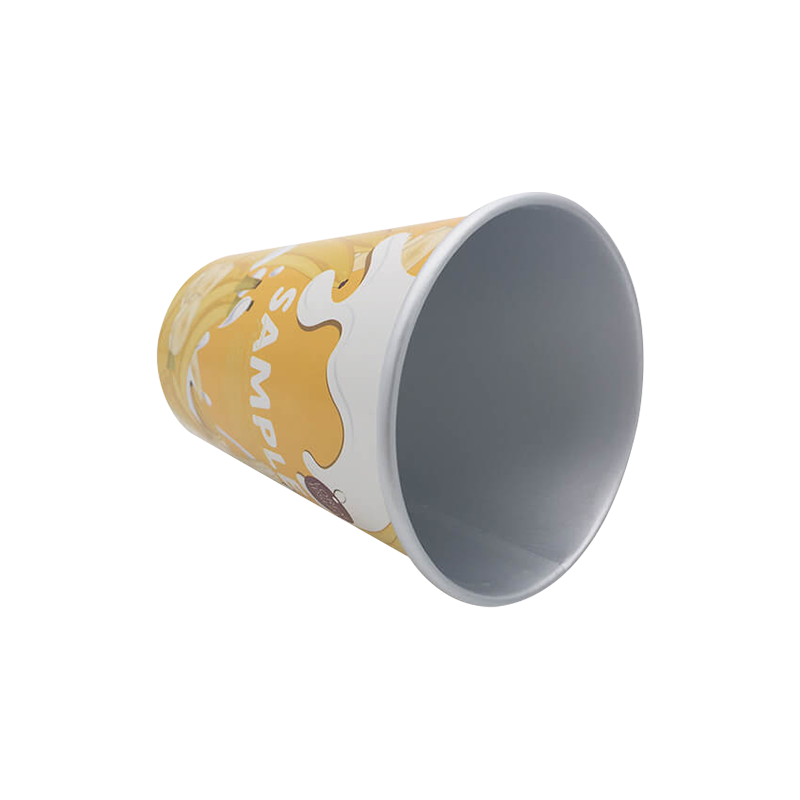
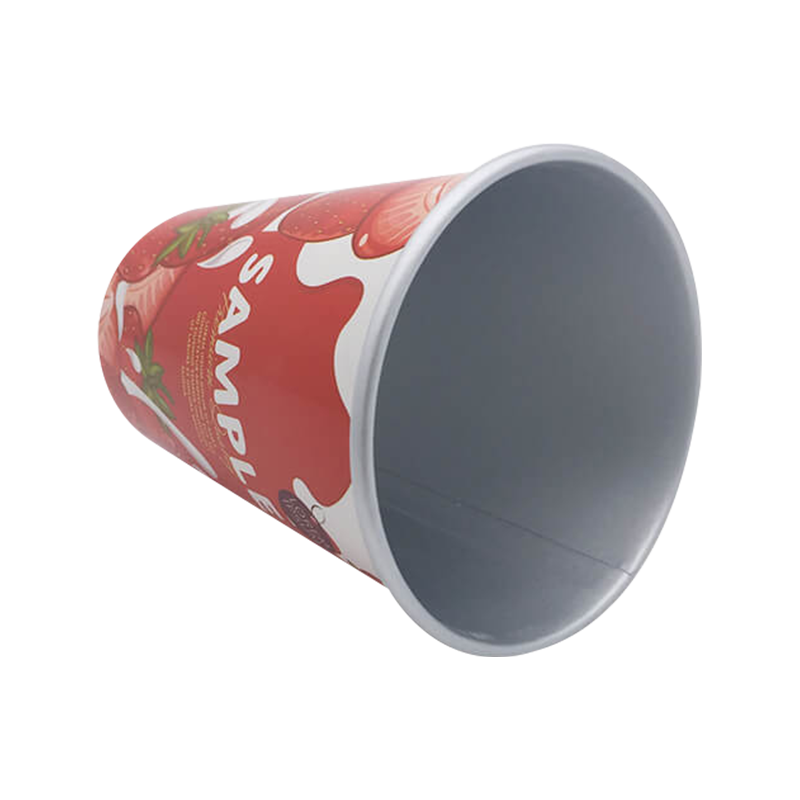


The Anatomy of a Disposable Paper Cup: What the Layers Actually Do
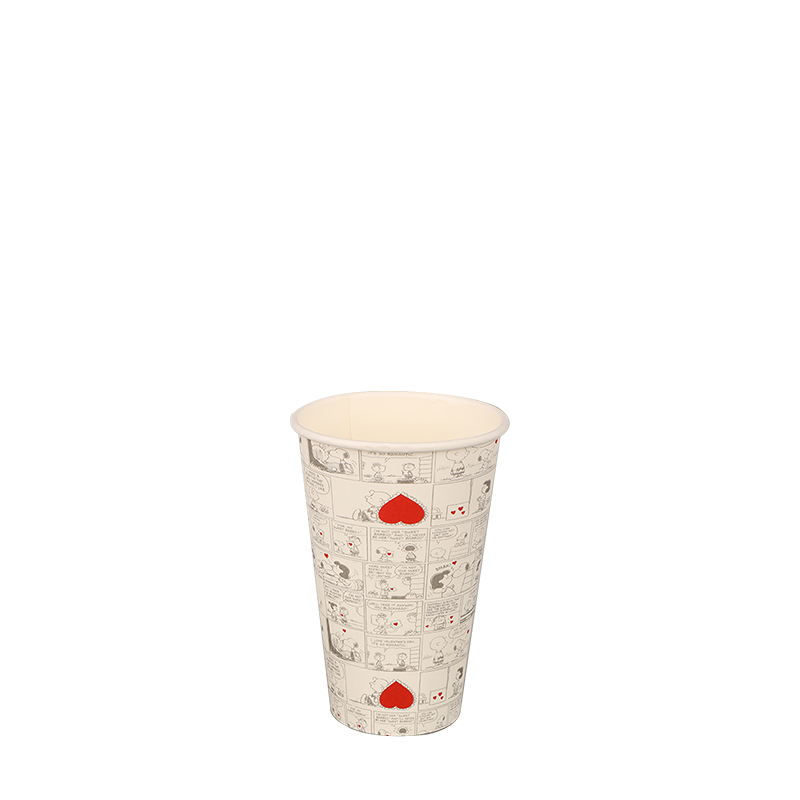
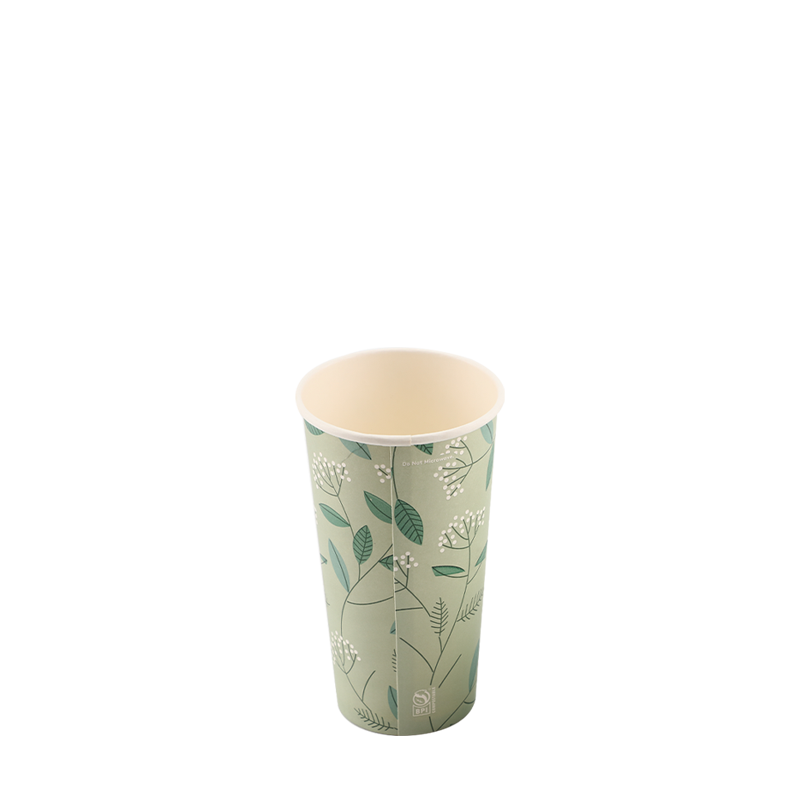
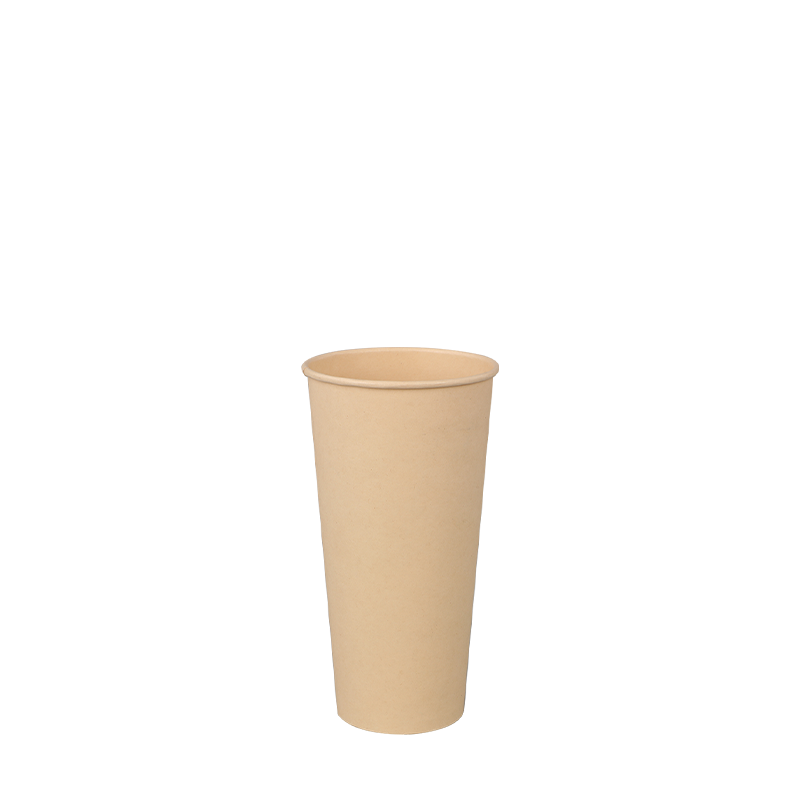
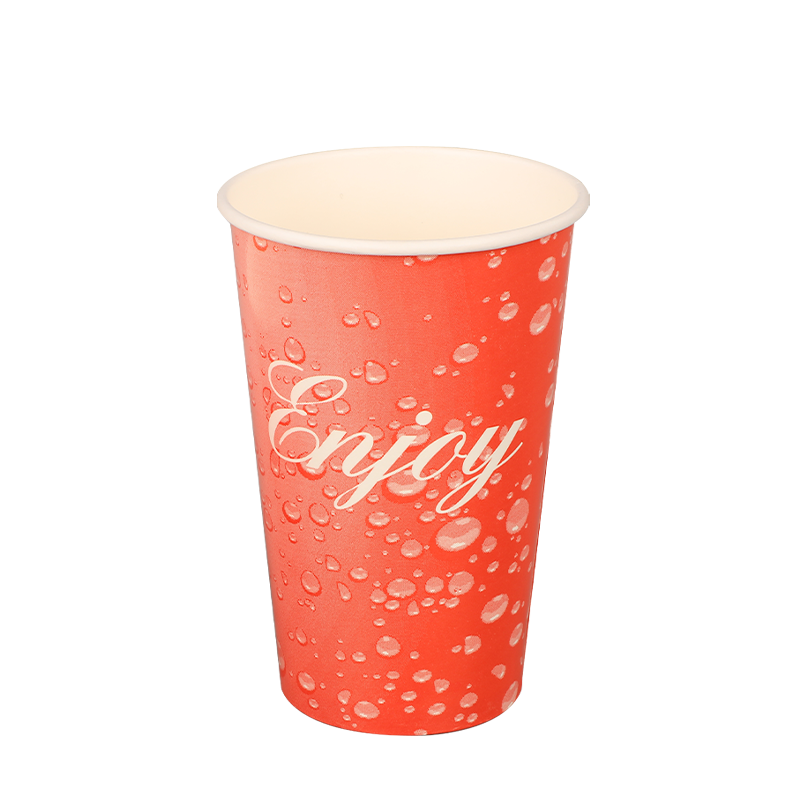
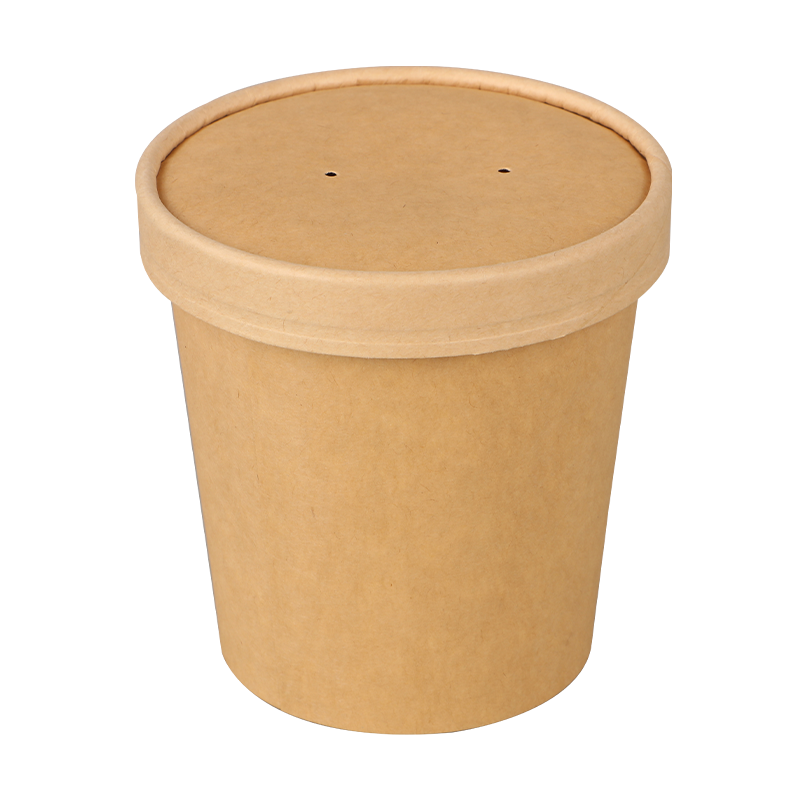
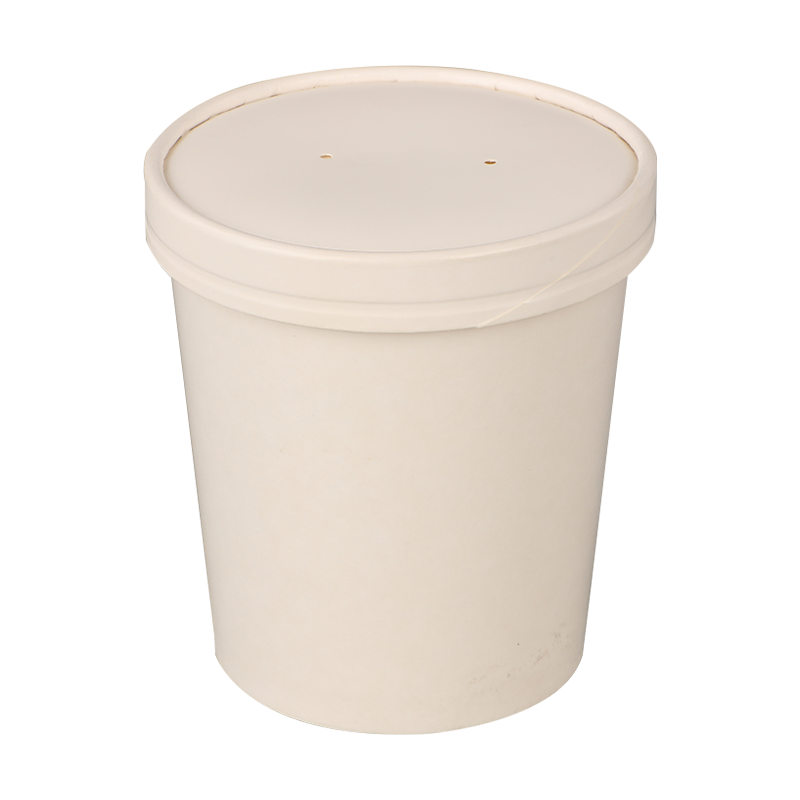
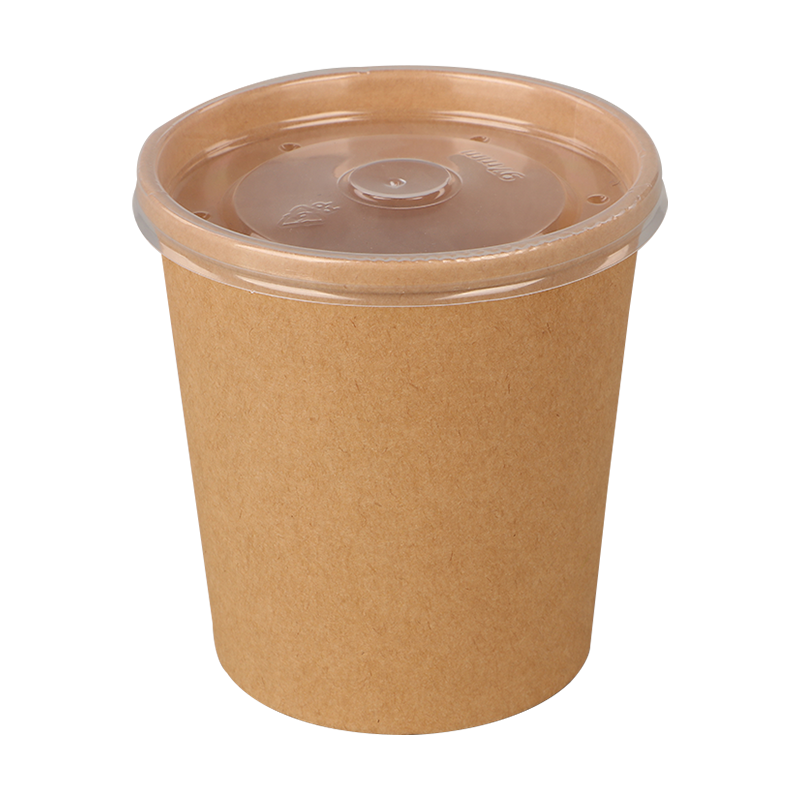
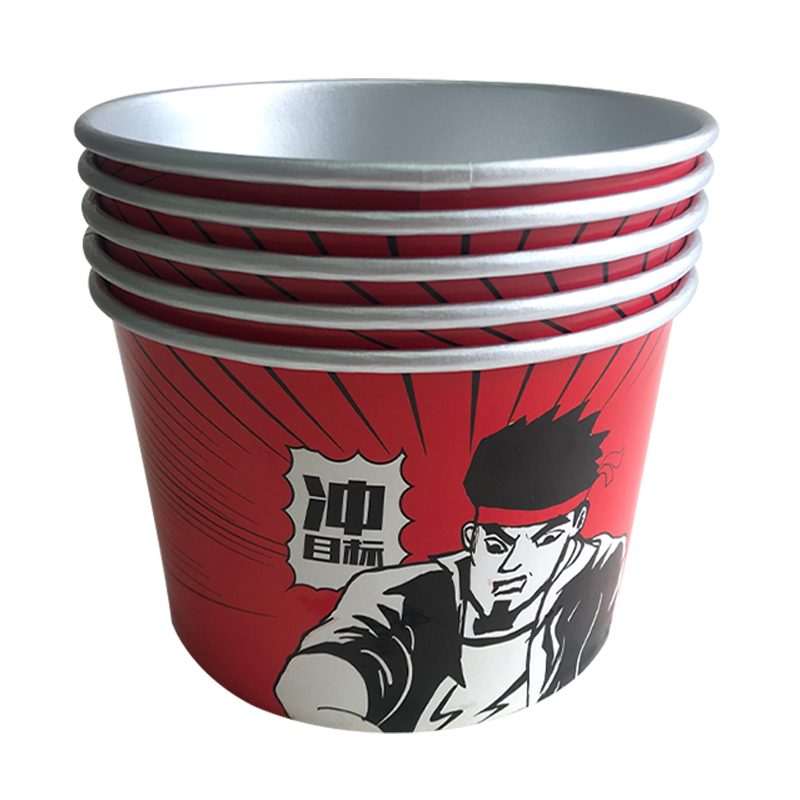
A disposable paper cup is a multi-layer engineered product, not a simple paper cylinder. Understanding the function of each layer is essential for buyers evaluating material specifications and sustainability claims:
- Base paper (paperboard): The structural core, typically 170–350 gsm depending on cup size and application. Grammage directly determines sidewall rigidity and resistance to deformation under load. Food-grade virgin pulp is standard; recycled fiber content is increasing but requires careful migration testing.
- PE (polyethylene) coating: A thin inner layer — typically 15–25 gsm — that creates the liquid barrier preventing the paperboard from absorbing moisture and losing structural integrity. Single-PE cups (inner coating only) are the mass-market standard; double-PE adds an outer coating for condensation resistance in cold-drink applications.
- PLA coating (alternative to PE): A plant-derived bioplastic film used in compostable cup construction. Functional performance is comparable to PE for cold and warm beverages; heat resistance is limited to approximately 50°C for standard PLA, making it unsuitable for hot-fill applications without crystallized PLA (CPLA) variants.
- Outer print layer: Applied before forming. Ink adhesion, food-safety compliance of inks (especially for direct-contact areas), and color fastness under condensation are quality indicators that vary significantly between suppliers.
The coating-to-paperboard ratio is the primary lever controlling both performance and recyclability. Thicker coatings improve barrier performance but make fiber recovery harder at recycling facilities — a tension that drives much of the current material innovation in the sector. We produce food-grade disposable paper cups built on verified base paper and coating specifications for both conventional and compostable applications.
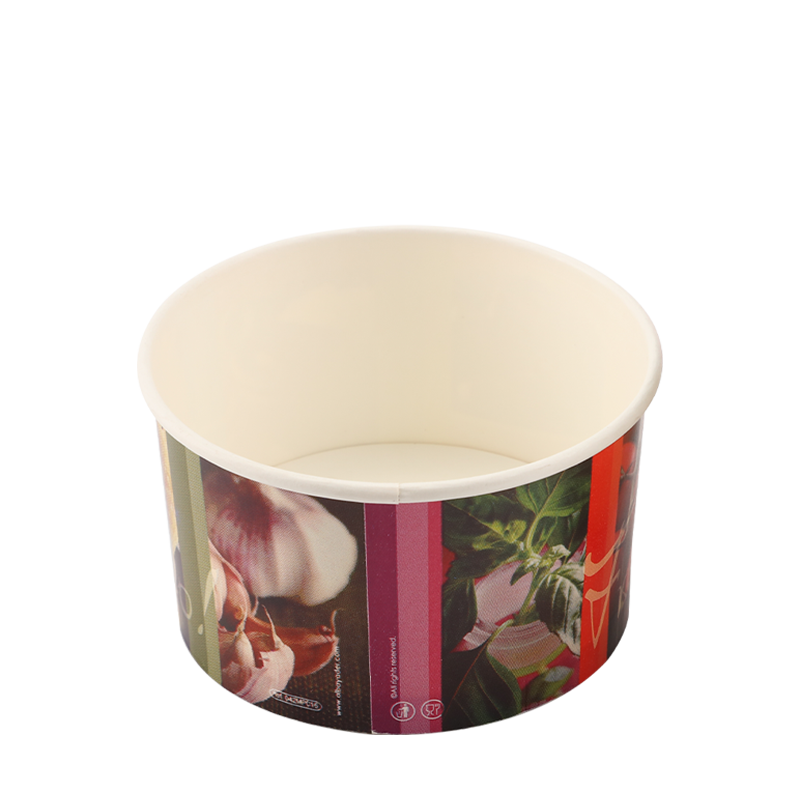
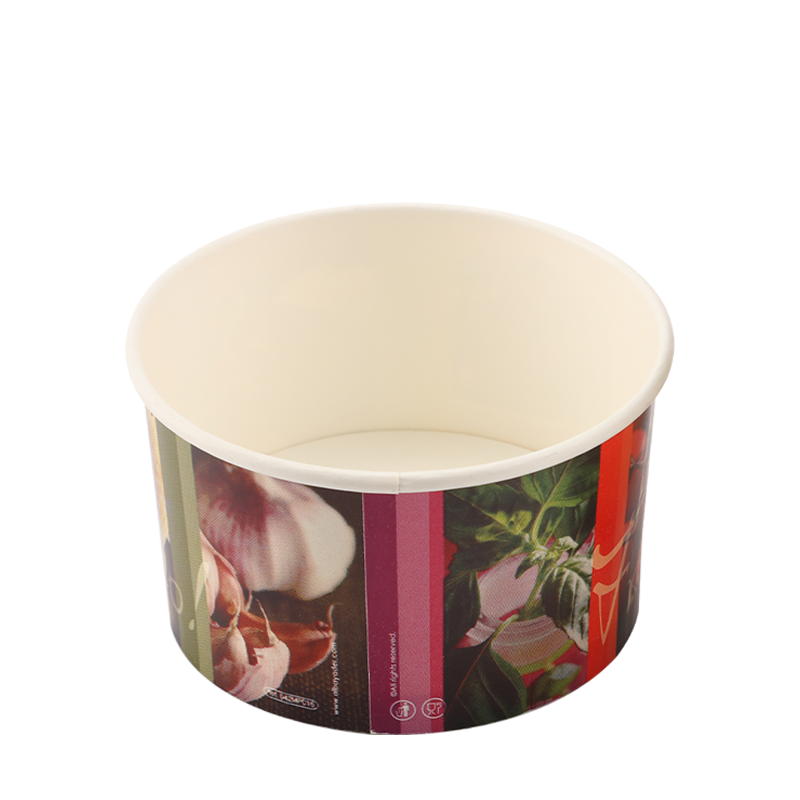
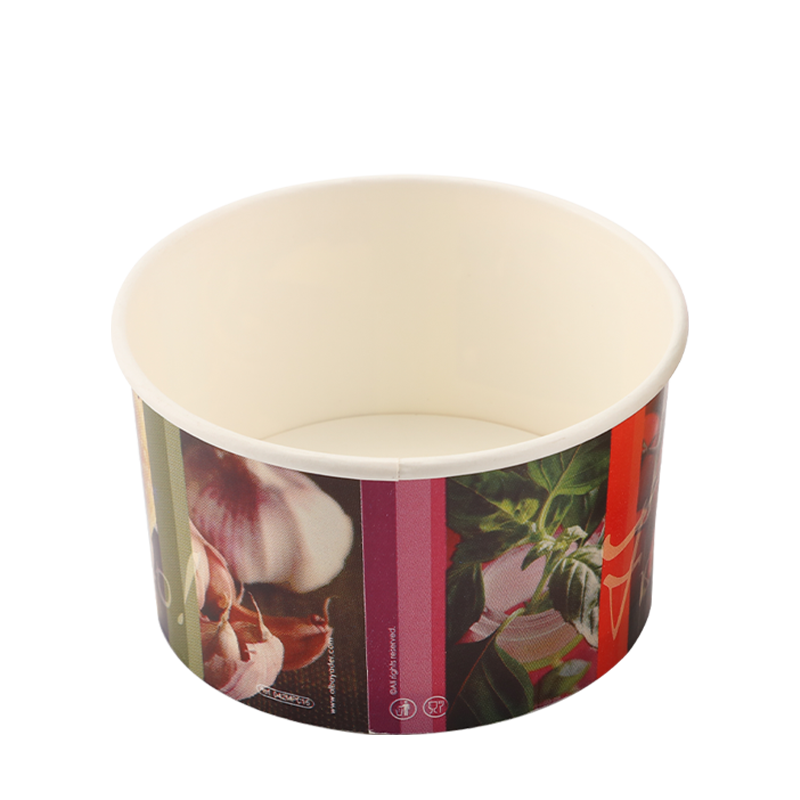
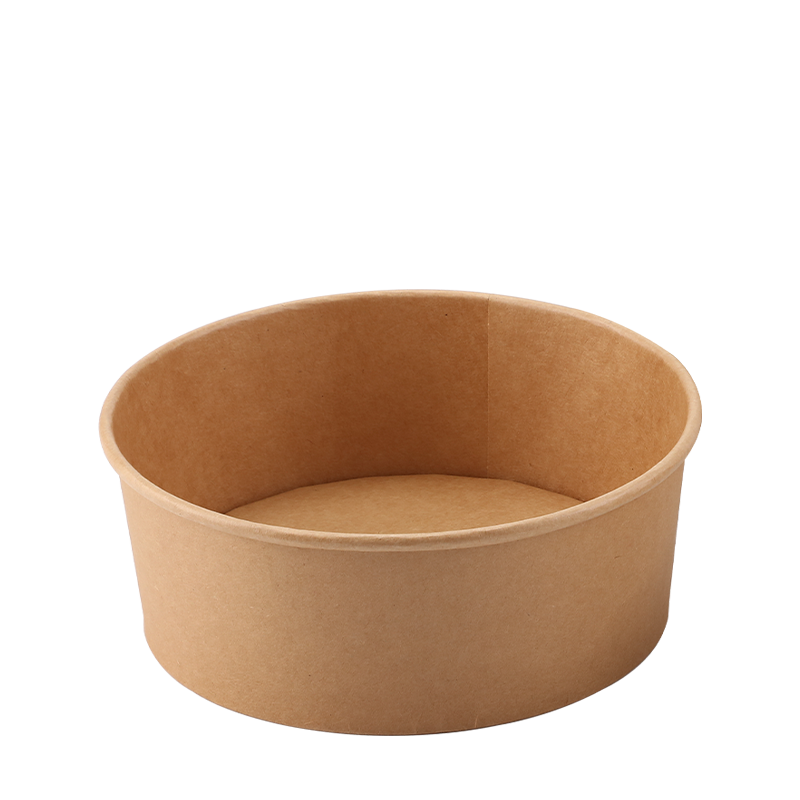
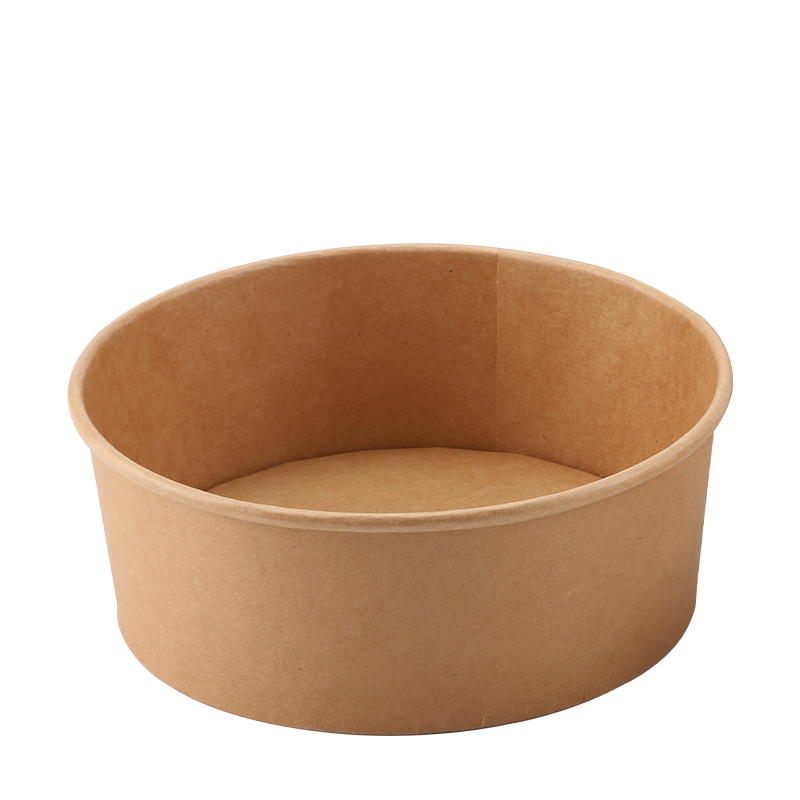
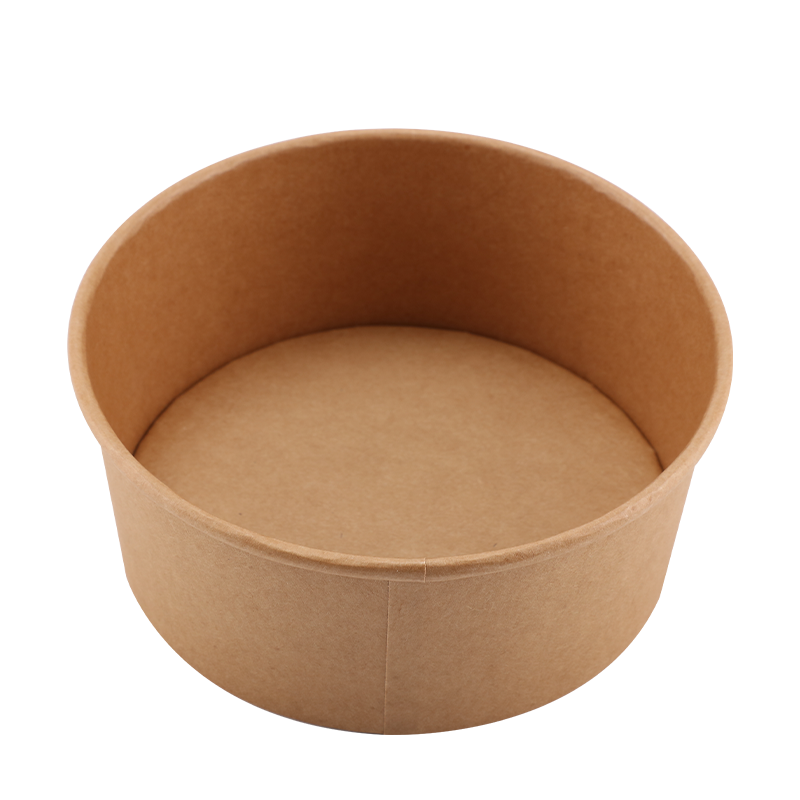
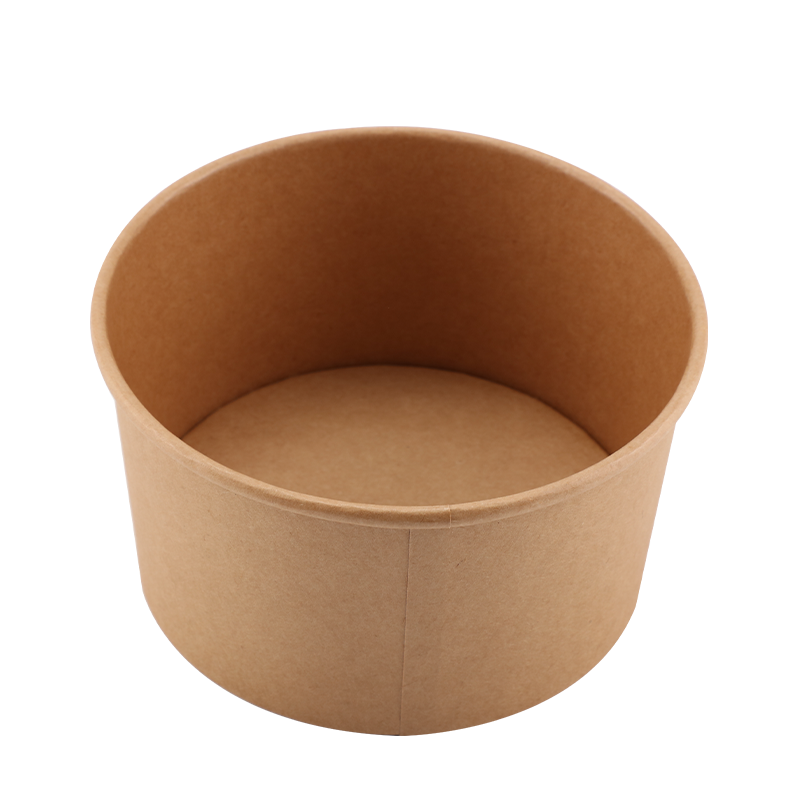
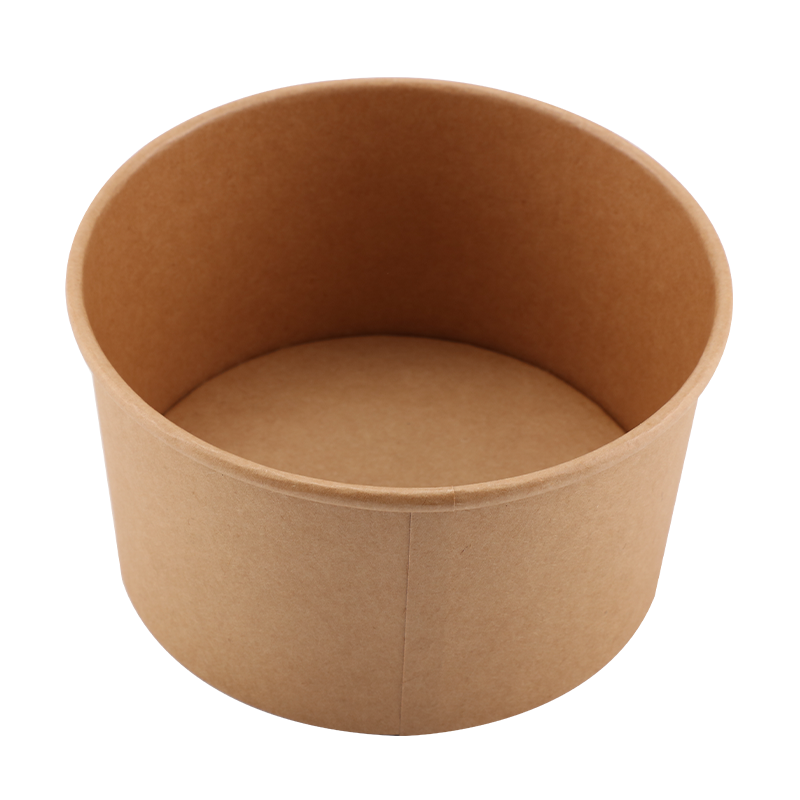
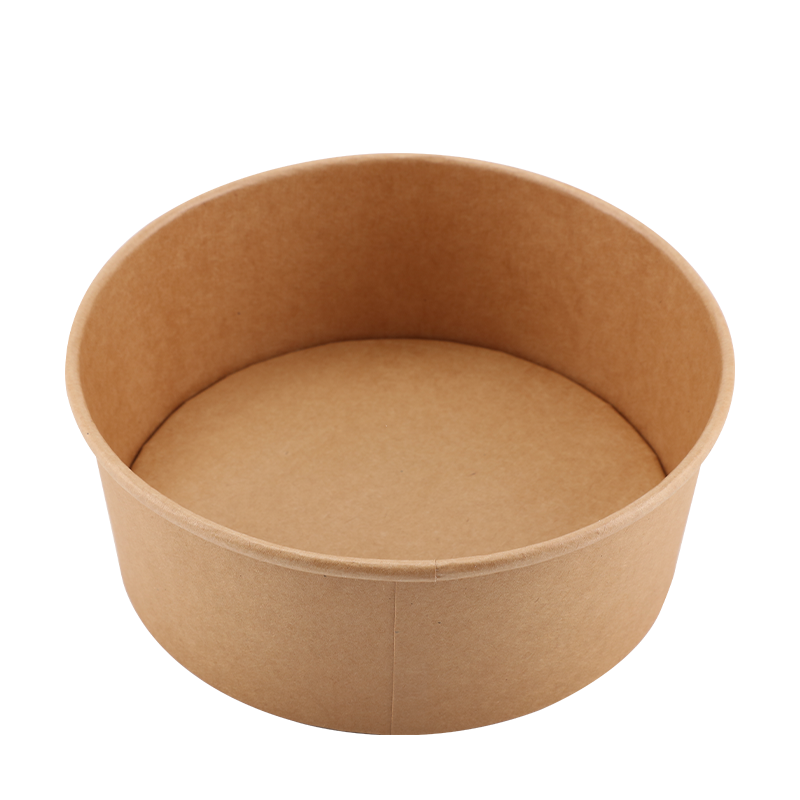
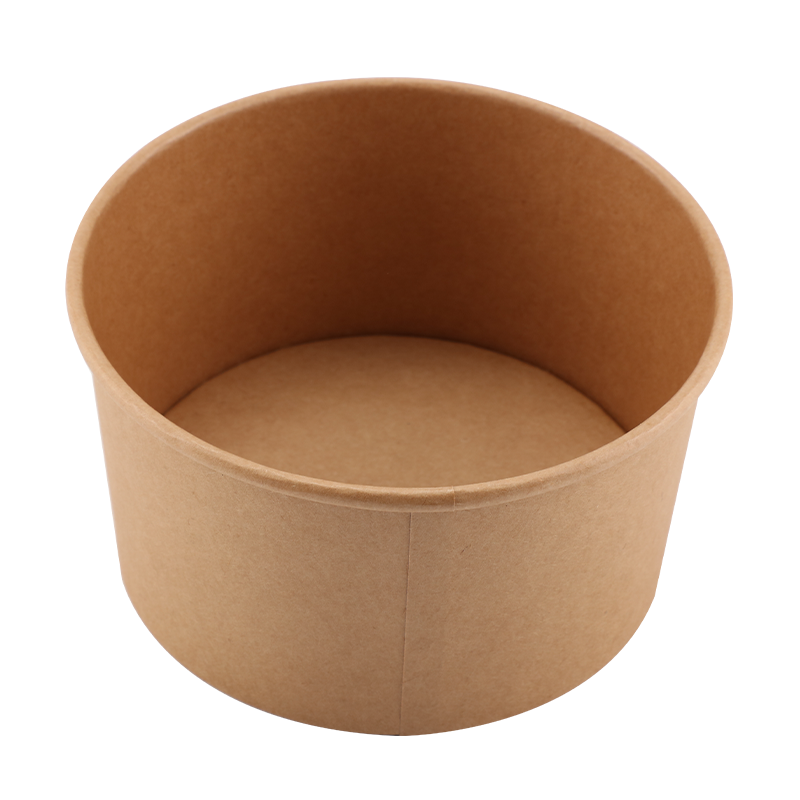
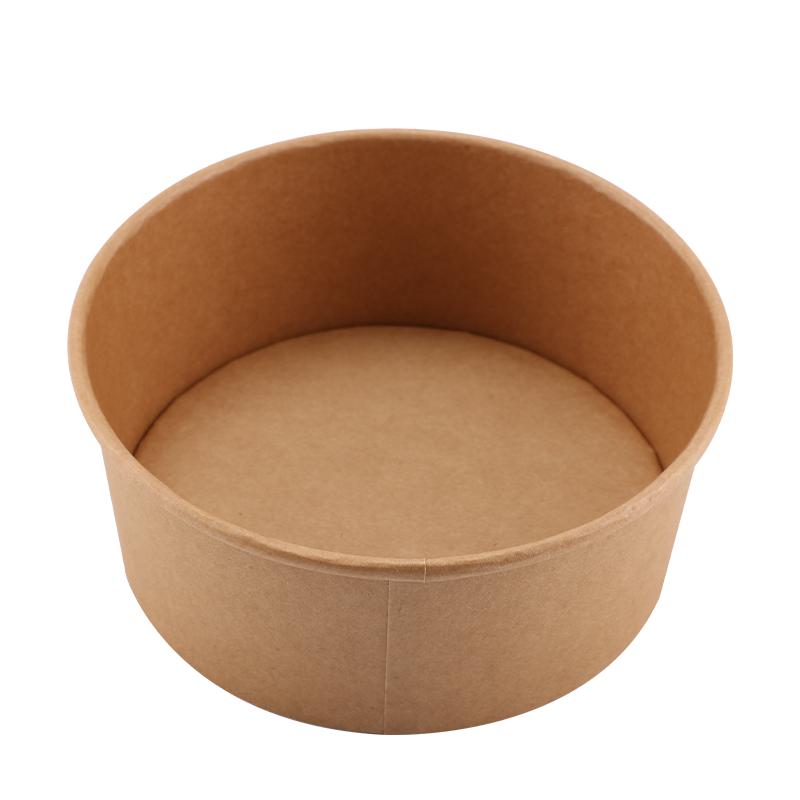
Paper Bowl Structural Engineering: Why Geometry Matters More Than Grammage
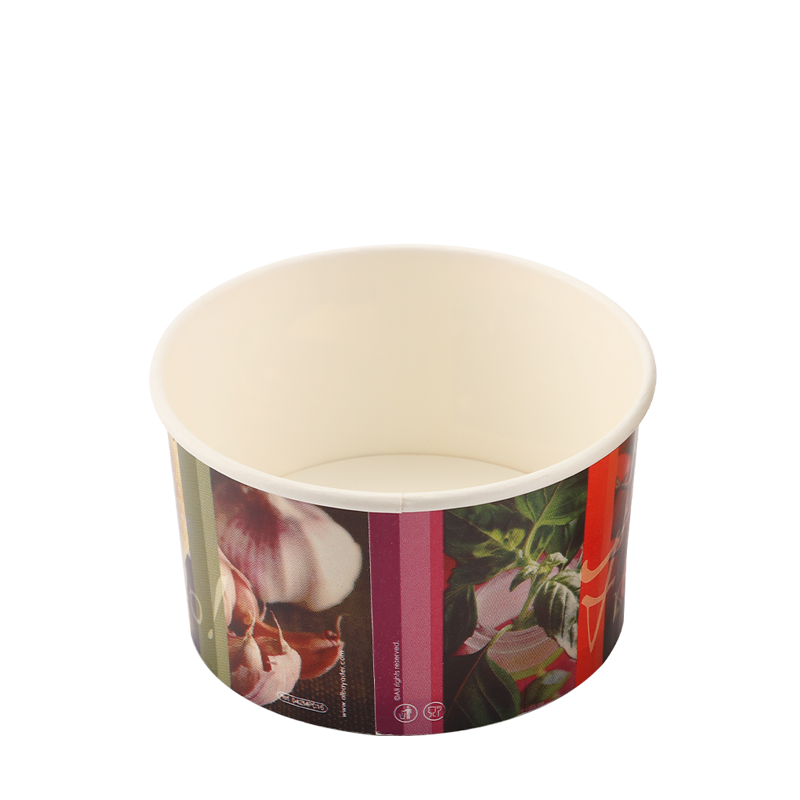
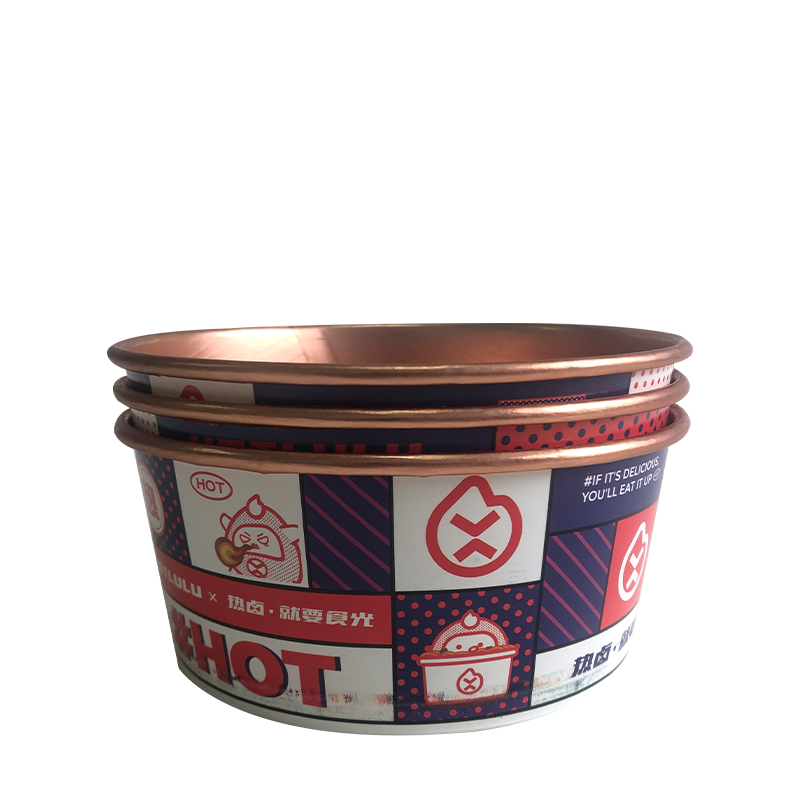
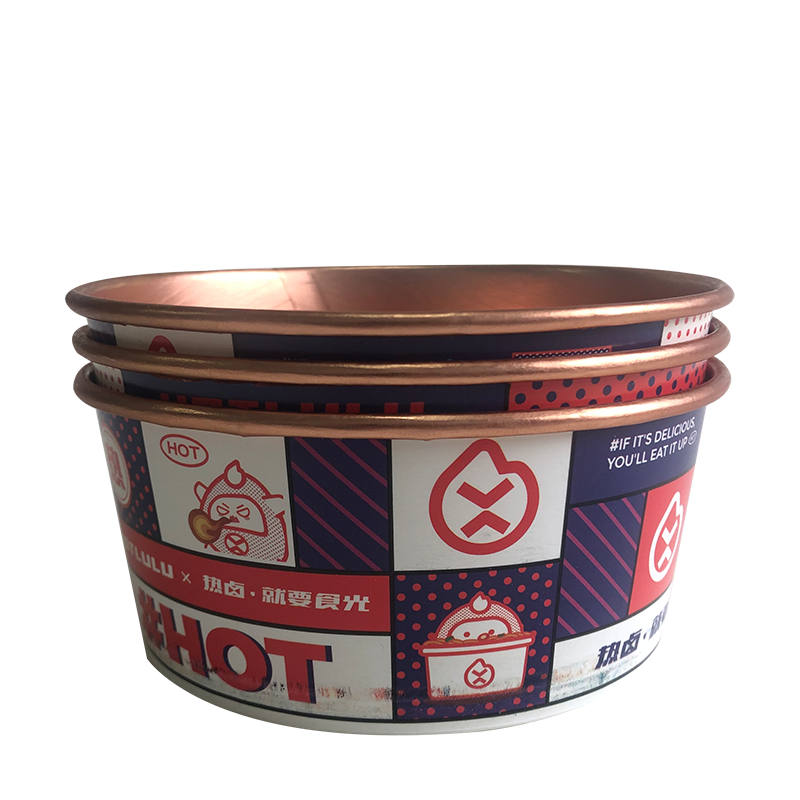
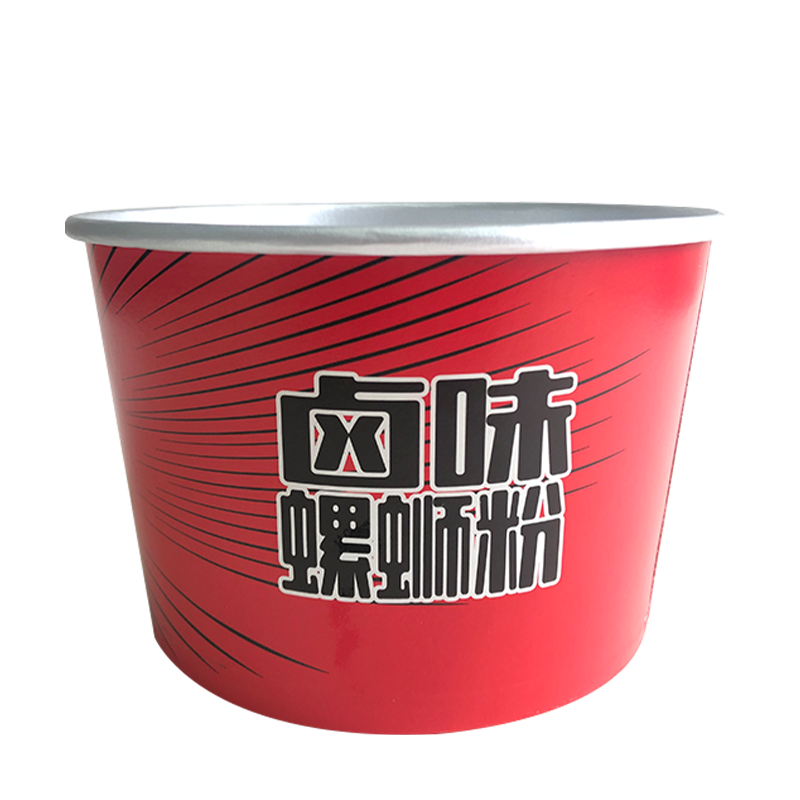
Disposable paper bowls must simultaneously resist vertical compression (stacking), lateral deformation (handling while full), and moisture absorption (prolonged food contact). Achieving all three through paperboard specification alone is cost-prohibitive — structural geometry does most of the work:
- Fluted sidewall profile: Vertical or angled ribs pressed into the sidewall during forming. Each rib acts as a column under compression load, allowing thinner paperboard to achieve the same stacking strength as a heavier flat-wall design. Standard in mid-range bowls, it also improves grip insulation.
- Double-wall construction: Two paperboard layers with an air gap between them. Primarily used for hot-food bowls where insulation reduces exterior surface temperature and extends the user's comfortable hold time. Air gap width — typically 3–5 mm — directly controls insulation performance.
- Base panel design: A reinforced base panel with an upward-stepped rim (the "base curl") distributes bottom load across a wider footprint, reducing puncture risk from concentrated pressure points such as fork tines or chopstick tips.
- Rim curl diameter: A wider rim curl improves lid-seal compatibility and adds structural rigidity to the bowl opening — critical for delivery applications where the bowl may be inverted, stacked, or subjected to lateral G-forces in transit.
In buyer testing, bowls with equivalent grammage but superior geometric design consistently outperform on load-bearing and moisture-resistance metrics — a finding that argues for requesting physical samples and conducting fill tests rather than relying solely on material specification sheets.
Hot vs. Cold Applications: Specifying the Right Cup for the Beverage
Hot and cold disposable cups are not interchangeable despite visual similarity. Using the wrong product creates performance failures and potential liability exposure:
| Specification | Hot Cup | Cold Cup |
|---|---|---|
| Base paperboard gsm | 260–350 gsm | 170–260 gsm |
| Coating configuration | Single PE inner | Double PE (inner + outer) |
| Insulation | Single or double wall | Single wall standard |
| Rim design | Rolled rim for sleeve / lid | Flared rim for dome lid |
| Fill temperature | Up to 95°C | -10°C to ambient |
| Key failure mode if misused | Exterior condensation, label bleed | Sidewall deformation, seam failure |
The outer PE coating on cold cups is specifically designed to manage condensation — without it, ambient moisture causes the paperboard to soften and the printed exterior to deteriorate rapidly. Operators switching beverage menus from hot to cold (or vice versa) must re-evaluate their cup specification, not simply reorder the same SKU.
Recyclability and Compostability Claims: What the Certifications Actually Mean
Sustainability labeling on paper cups and bowls is one of the most frequently misrepresented areas in food packaging procurement. Buyers need to distinguish between technically accurate but practically misleading claims:
- "Recyclable" ≠ widely recycled: PE-coated paper cups are technically recyclable at specialist facilities, but fewer than 10% of municipal recycling programs in most markets can process them. A cup labeled recyclable that enters a standard mixed-paper stream will typically be landfilled anyway.
- "Compostable" without certification is meaningless: Verified industrial compostability requires EN 13432 (EU) or ASTM D6400 (North America) certification, confirmed by accredited third-party testing. Self-declared compostability claims without these marks should be treated as unverified.
- Industrial vs. home compostable: Most PLA-coated cups are certified for industrial composting only — they require sustained temperatures of 55–60°C maintained for weeks, conditions not replicated in home compost bins. Marketing these products as simply "compostable" to consumers has drawn regulatory scrutiny in the EU and UK under green claims legislation.
- Fiber-based recyclability initiatives: Several major paper cup manufacturers now offer cups with aqueous (water-based) barrier coatings as an alternative to PE, improving fiber recovery rates at standard paper mills. This technology carries a cost premium but is gaining traction in markets with strong extended producer responsibility (EPR) frameworks.
For B2B buyers making sustainability claims to their own customers, the documentation chain matters as much as the product itself. Requesting the underlying test reports — not just certificate numbers — and confirming the scope covers the specific product format (cup fan, assembled cup, or finished printed cup) is the only reliable way to substantiate end-market claims.
Size Standardization and Lid Compatibility: Avoiding the Most Common Procurement Error
Rim diameter standardization in disposable paper cups is more complex than it appears. There is no universal global standard — rim dimensions vary by region, manufacturer, and product series, creating frequent compatibility failures when cups and lids are sourced separately:
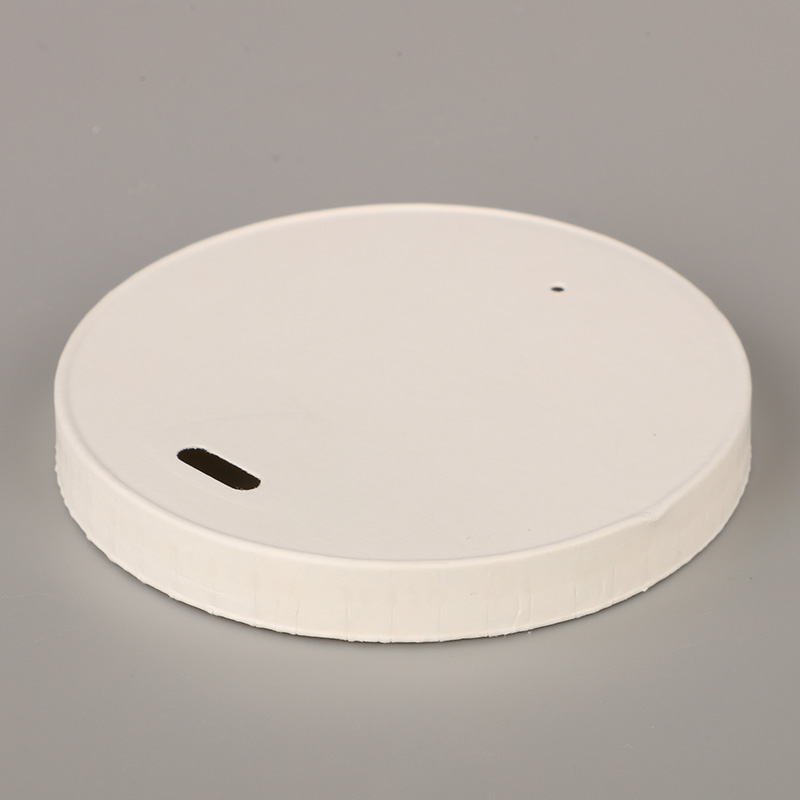
- North American sizing conventions: The most common hot cup rim diameters are 79 mm (8–10 oz), 90 mm (12–20 oz), and 98 mm (24–32 oz). These align with the major US cup lid series, but even within these nominal sizes, ±0.5 mm variance between manufacturers can result in lids that seat loosely or require excessive force to fit.
- European sizing conventions: European cup markets use a separate nominal series, and the same stated volume (e.g., 300 ml) may correspond to materially different rim diameters depending on cup height and taper angle.
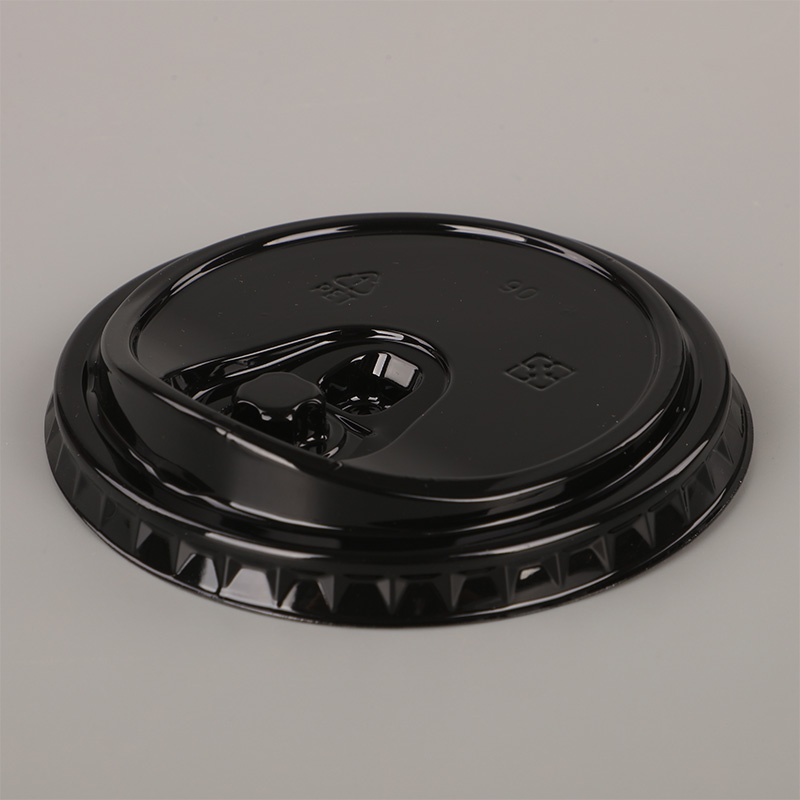
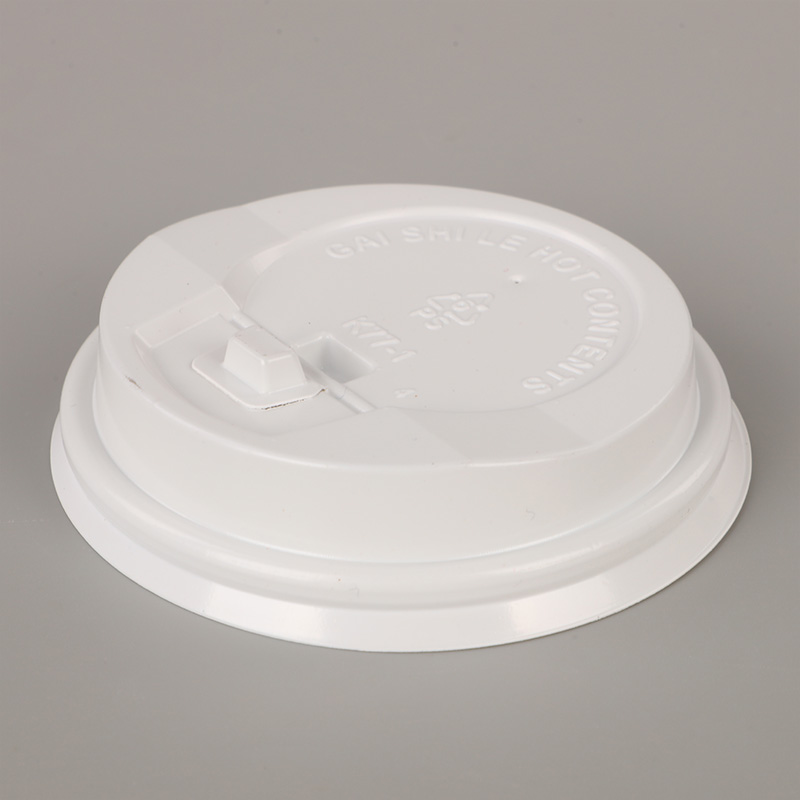
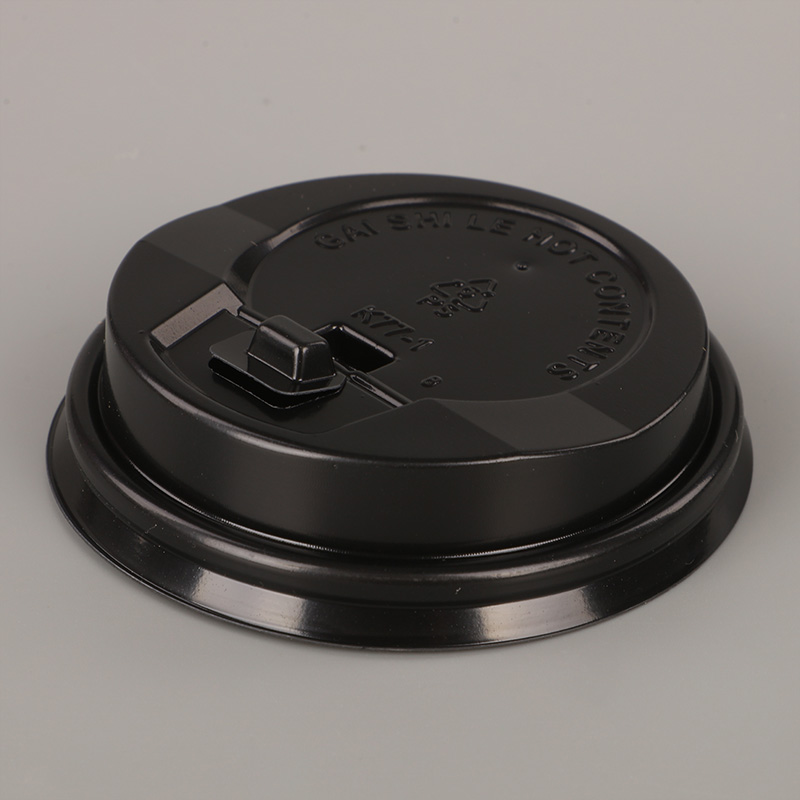
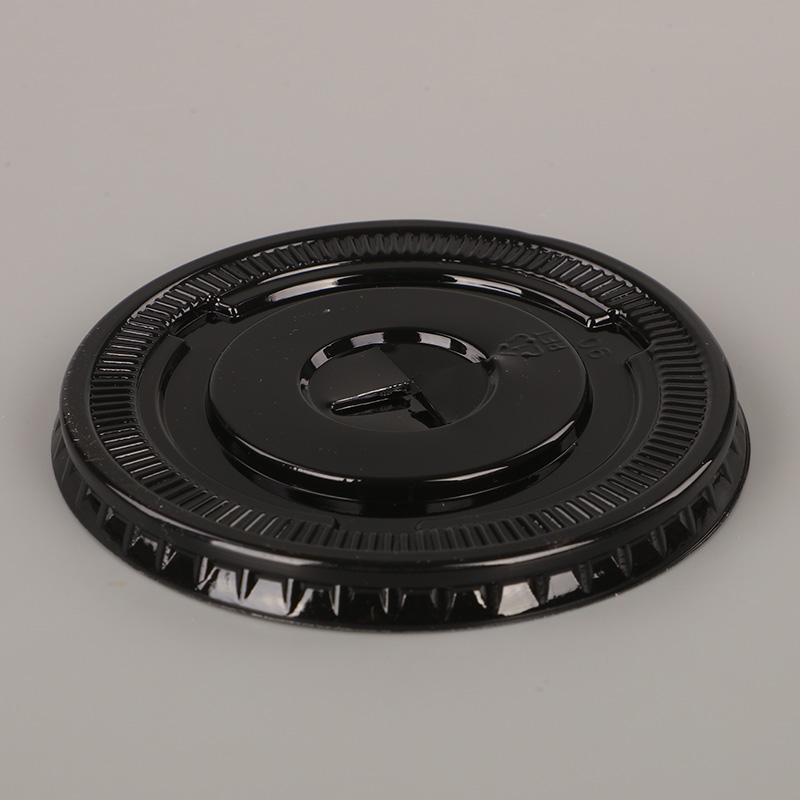
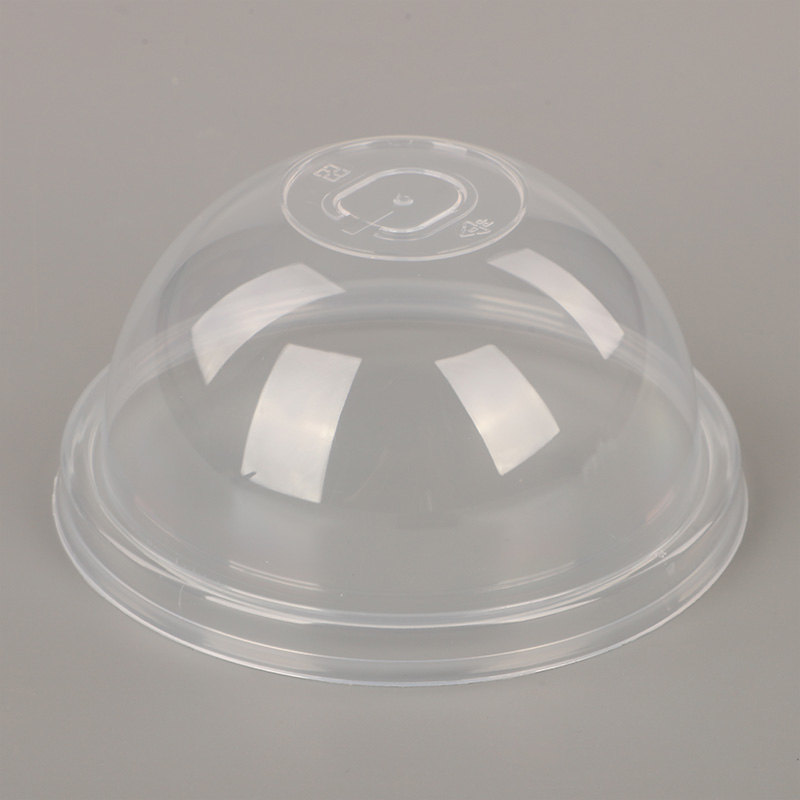
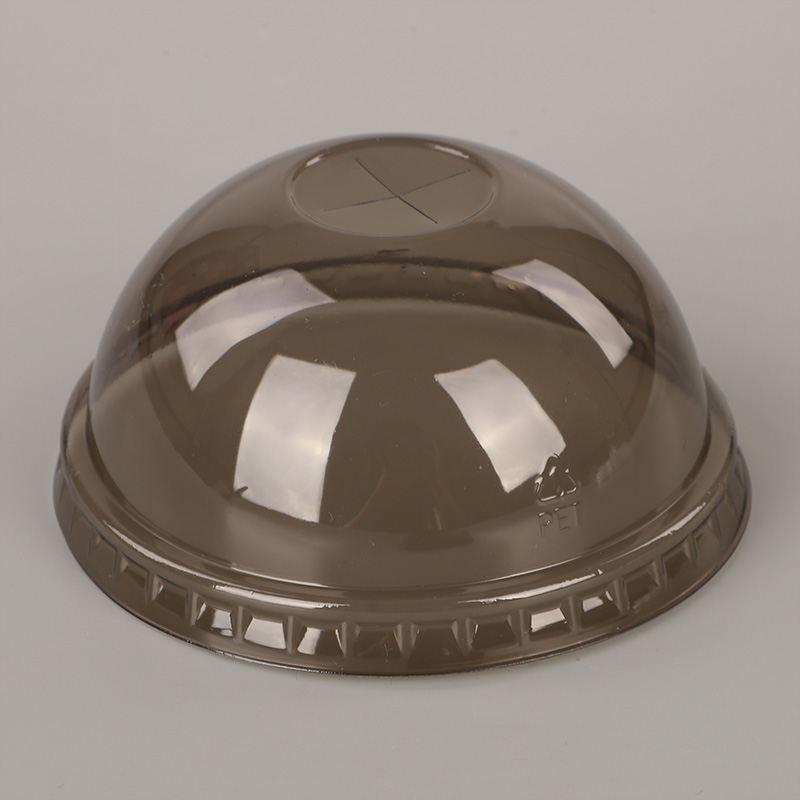
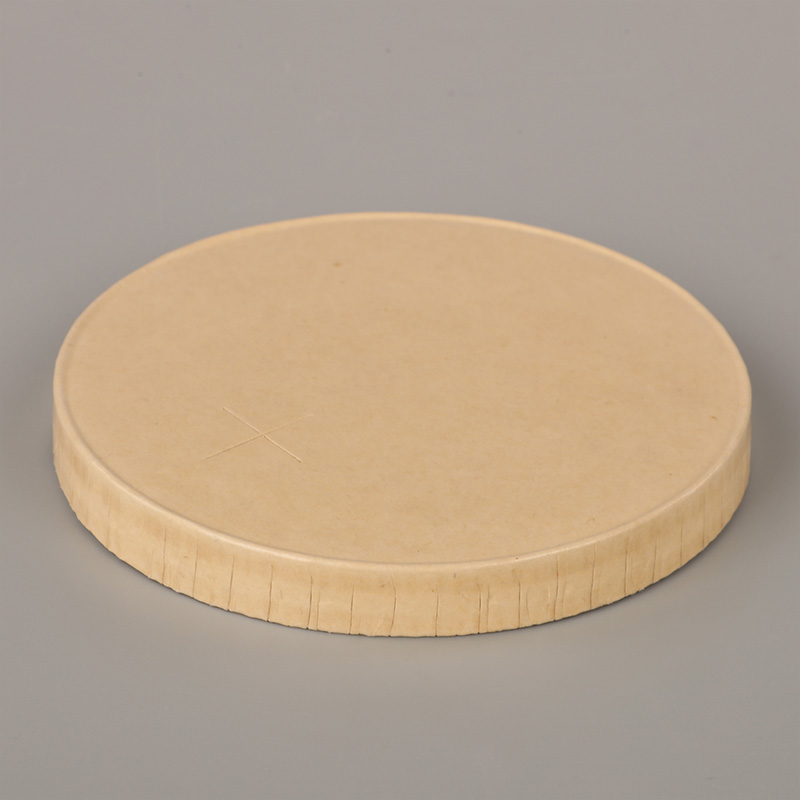
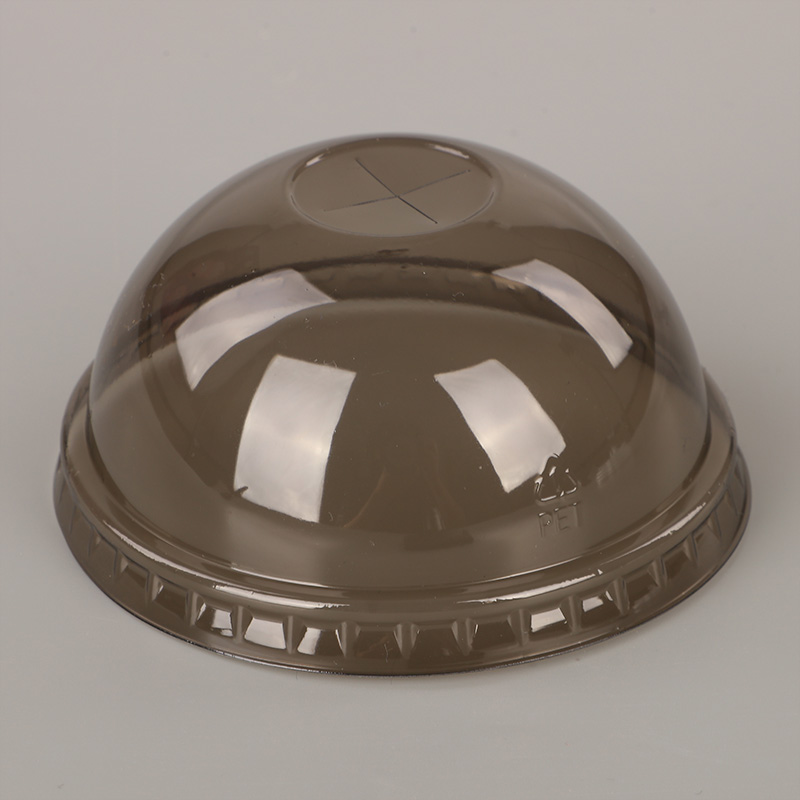
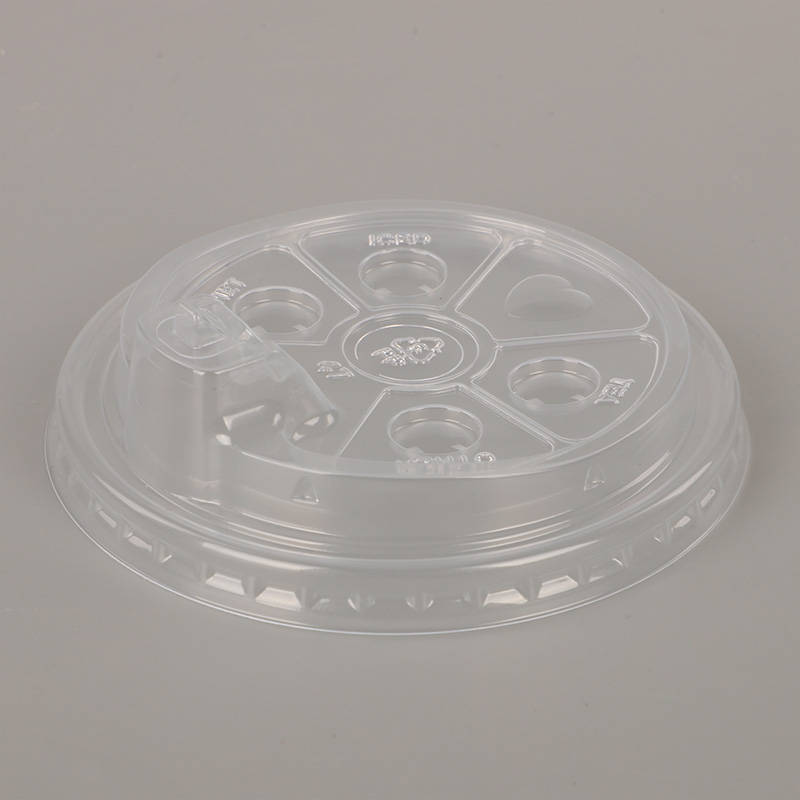
- Cold cup dome lid geometry: Cold cup flared rims require dome lids with a specific snap-fit profile. The lip geometry — particularly the inner channel depth — must be matched to the cup's rim curl dimensions. A 1 mm mismatch in channel depth can result in lids that either pop off under light pressure or cannot be removed by the consumer.
- Bowl lid sealing: For delivery-oriented bowl applications, leak-resistance testing under inversion and lateral pressure should be conducted with the actual lid-bowl combination intended for deployment — not tested separately.
The safest procurement practice is to source cups and lids from the same manufacturer or confirm compatibility through physical fit testing before committing to volume orders. We supply a coordinated range of disposable paper bowls and cups designed with matched rim specifications to eliminate downstream compatibility issues.