




 English
 中文简体
中文简体 Français
 Español
 عربى
عربى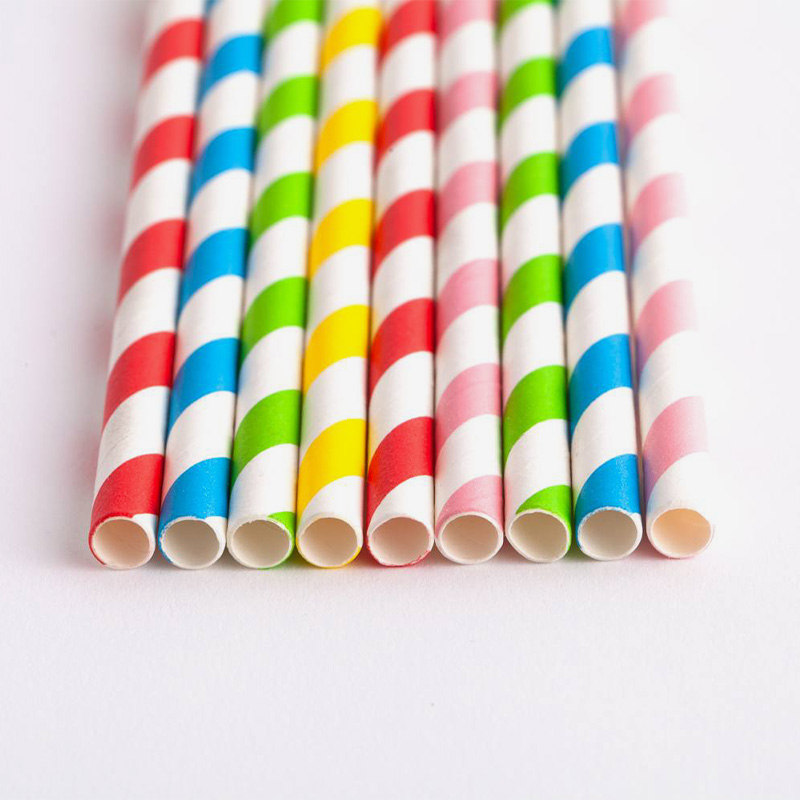



How Paper Straws Are Constructed: The Spiral Winding Process and Its Effect on Performance
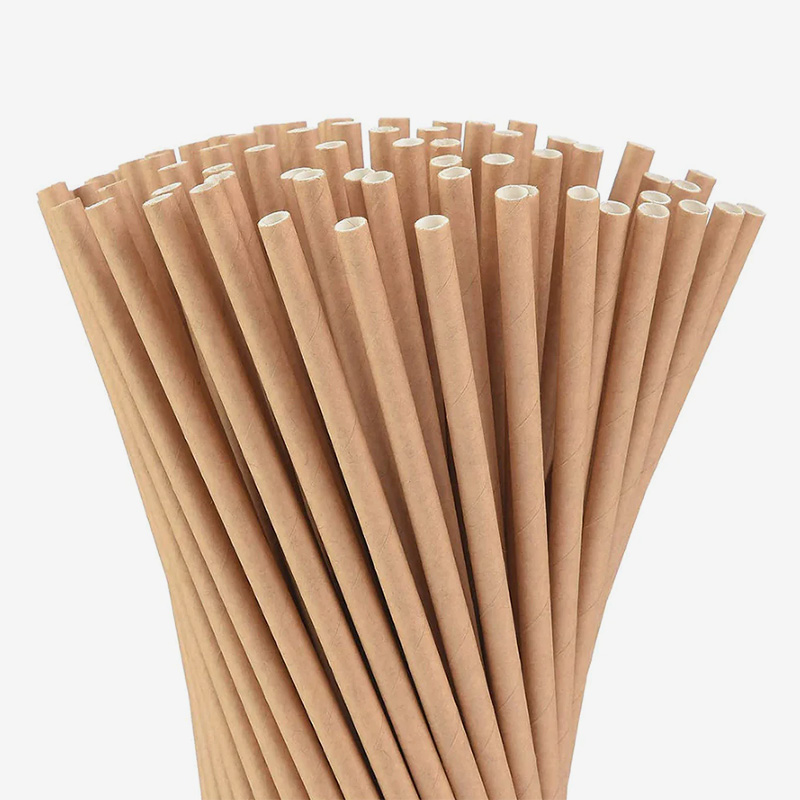
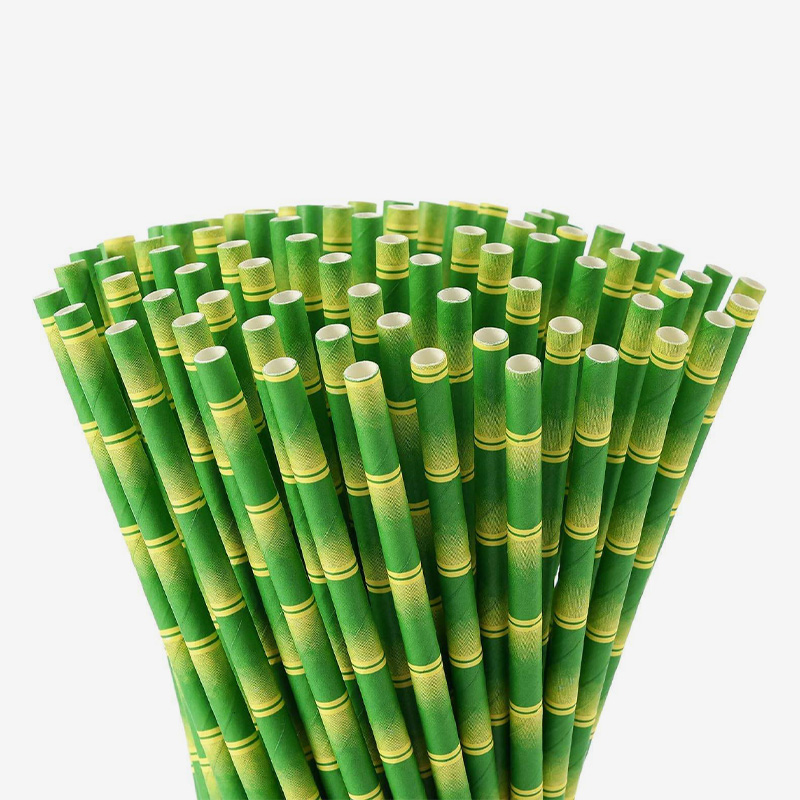
The structural integrity of a paper straw — its resistance to softening, its ability to maintain a circular cross-section under suction, and its overall durability in liquid contact — is determined primarily by its construction method rather than simply by the paper grade used. The dominant production method for commercial paper straws is spiral winding, and understanding this process explains many of the performance characteristics that operators and consumers observe in use.
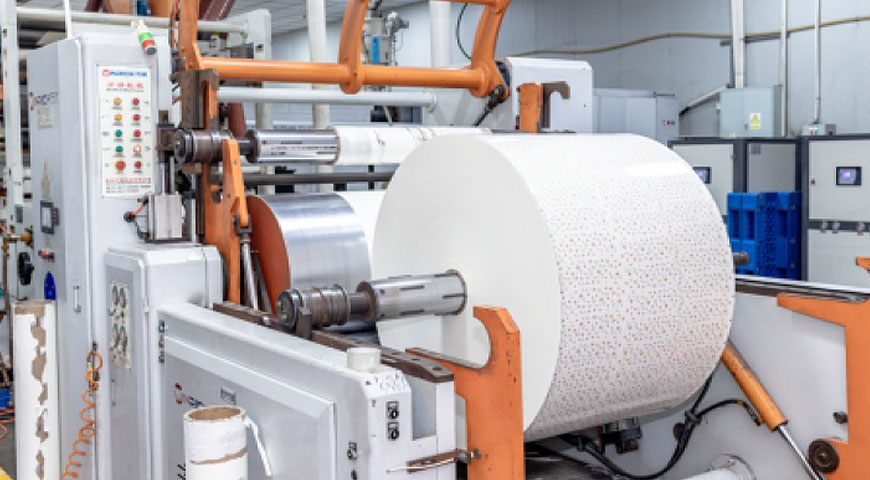
In spiral winding, two or more continuous strips of food-grade paper are wound helically around a mandrel at a defined pitch angle, with each layer offset from the previous one so that the seam lines of adjacent layers do not align. A food-safe adhesive — typically water-based and compliant with food contact material regulations — bonds the layers together as they are wound. The resulting tube has a wall structure where the paper fibers of each layer run at alternating angles to the straw axis, which gives the finished straw significantly higher resistance to radial compression (crushing under finger pressure or suction) than a straight-wound construction where all fiber orientations are parallel. Most commercial paper straws use three to four paper layers in their wall construction, with total wall thicknesses typically ranging from 0.45 mm to 0.65 mm depending on the application.
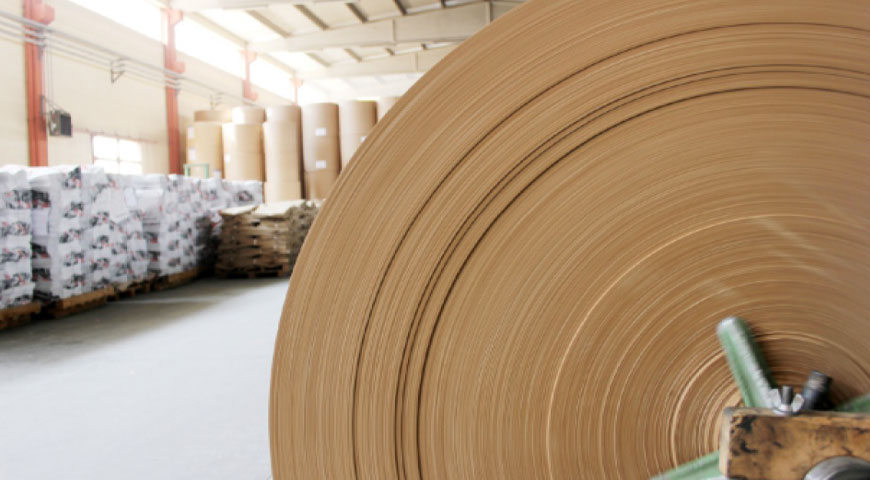
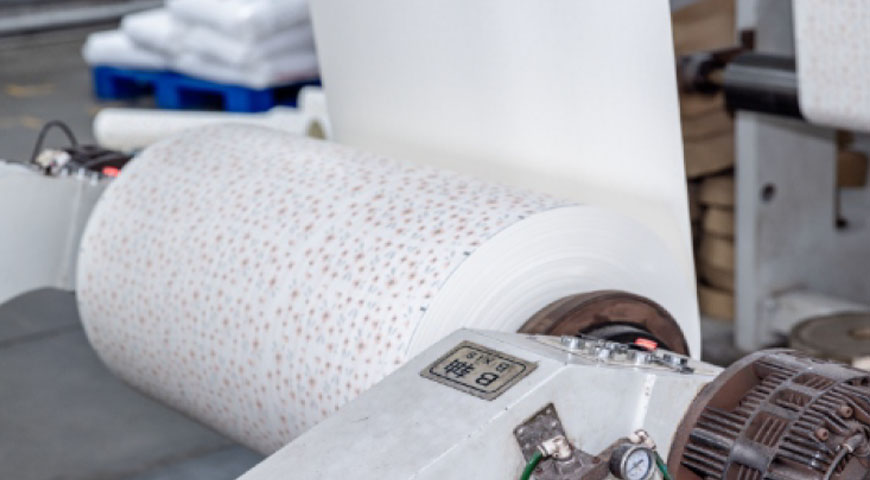
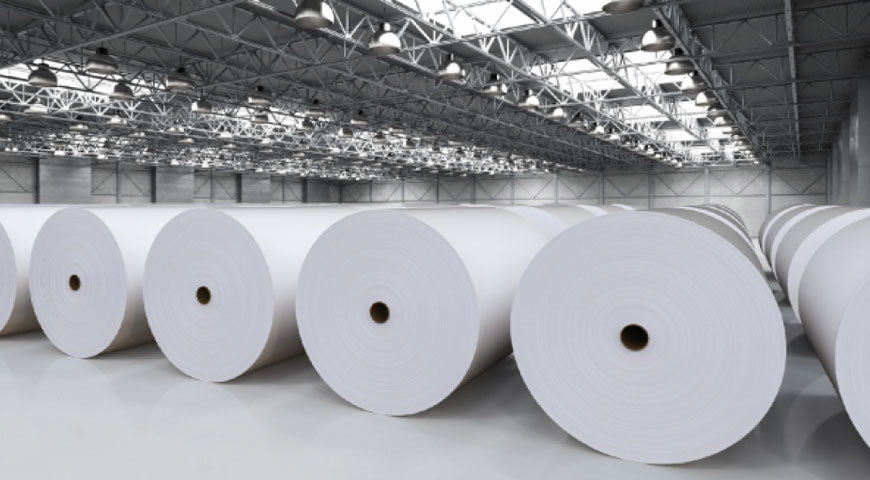
The number of layers and the paper weight per layer are the primary variables that determine both wet strength retention and wall rigidity. A three-layer straw using 60 gsm paper per layer will have different performance characteristics than a four-layer straw using 45 gsm paper per layer, even if the total wall weight is similar — because the additional layer count creates more adhesive bondlines, which contribute meaningfully to wet rigidity. At Hangzhou Renmin Eco-tech, the base paper rolls we produce for straw applications are manufactured to controlled thickness and moisture content tolerances, as dimensional consistency at the paper substrate level is essential for maintaining winding geometry and bond quality throughout high-speed production runs.
Wet Strength Retention in Paper Straws: What It Means and How It Is Achieved
Wet strength retention is the single most important functional property of a paper straw, and it is the characteristic that most directly determines whether a straw remains usable for the intended duration of a drink or becomes limp and unpleasant within minutes. Despite its commercial importance, wet strength in paper straws is achieved through several distinct mechanisms, and buyers who understand these mechanisms can ask more precise questions when evaluating straw specifications.
Wet Strength Agents in the Paper Substrate
Standard paper loses the majority of its dry strength when wetted because water disrupts the hydrogen bonds between cellulose fibers that give paper its stiffness. Wet strength agents — chemical additives incorporated into the paper during manufacturing — create covalent or ionic crosslinks between fiber surfaces that persist when the paper is wet. The most widely used wet strength agents for food-contact paper applications are polyamidoamine-epichlorohydrin (PAE) resins, which form covalent ester and amide bonds with cellulose hydroxyl groups that are stable in water. PAE-treated paper retains 20–40% of its dry tensile strength when fully saturated, compared to 3–8% for untreated paper. For paper straw applications, a base paper with PAE wet strength treatment is essentially the minimum specification for acceptable in-use performance — untreated paper straws begin to soften within 5–10 minutes of liquid contact regardless of wall thickness.
Adhesive Contribution to Wet Rigidity
The inter-layer adhesive in a spiral-wound paper straw contributes independently to wet rigidity. Water-based adhesives that cure to a water-resistant film — rather than remaining water-soluble after drying — maintain their bonding function when the straw wall is wetted from the outside or from moisture migration through the wall. Adhesive systems that remain water-sensitive after curing will allow inter-layer delamination when the straw is in prolonged liquid contact, causing the straw wall to separate into individual layers and collapse. The specification of a water-resistant adhesive system, combined with a wet-strength-treated base paper, produces synergistic wet performance that significantly exceeds what either feature alone would deliver.
Surface Coating Options
Some paper straw constructions incorporate a thin food-safe coating on the inner bore surface — the surface in direct contact with the beverage — to reduce the rate of moisture absorption into the paper wall. Wax coatings and thin PE coatings have been used for this purpose, though PE-coated inner surfaces compromise the full biodegradability of the straw and are increasingly avoided in markets where compostability certification is required. Water-based barrier coatings derived from starch, cellulose derivatives, or polyvinyl alcohol (PVA) can provide a meaningful moisture resistance improvement while maintaining compostability, but their performance in prolonged hot beverage contact is more limited than PE and requires careful specification for the intended application.
Diameter and Length Specifications for Paper Straws: Matching Dimensions to Beverage Application
Paper straws are not a one-size-fits-all product, and selecting the correct diameter and length for a specific beverage application affects both functional performance and consumer experience. The range of commercial straw dimensions is broader than many buyers realize, and the functional logic behind dimension selection is grounded in fluid dynamics and practical use ergonomics.
Inner bore diameter is the primary determinant of flow rate. For a given suction pressure, flow rate through a straw scales with the fourth power of the inner radius — this is the Hagen-Poiseuille relationship for laminar flow in tubes. In practical terms, this means that a straw with an inner diameter of 8 mm delivers approximately three times the flow volume per unit of suction effort compared to a 6 mm straw. Thin beverages such as water, juice, and iced tea flow adequately through 6–8 mm diameter paper straws. Thick beverages — milkshakes, smoothies, bubble tea with tapioca pearls, thick fruit blends — require larger bore diameters of 10–12 mm to allow solid inclusions to pass without blockage and to reduce the suction effort required to draw thick liquid through the straw. Using a standard 6 mm straw for bubble tea is a common specification error that produces a frustrating consumer experience regardless of the straw's material quality.
| Inner Diameter | Typical Length | Primary Application |
| 5–6 mm | 150–180 mm | Cocktails, water, juice, espresso-based drinks |
| 7–8 mm | 195–210 mm | Standard cold beverages, iced coffee, lemonade |
| 10–12 mm | 210–230 mm | Bubble tea, smoothies, milkshakes, thick blends |
| 6–8 mm | 240–260 mm | Tall cups, mason jars, extra-large takeaway formats |
Straw length should be specified relative to the cup or vessel height plus a functional extension above the rim. A straw that sits flush with or below the cup rim forces the consumer to tilt the cup to drink — an unacceptable ergonomic outcome for hot beverages and a spill risk for cold ones. The conventional rule is that the straw should extend 20–30 mm above the cup rim when inserted to the base of the cup. Operators using multiple cup sizes should consider stocking two straw lengths — a standard and a tall — to accommodate their cup range without compromise.