


 English
 中文简体
中文简体 Français
 Español
 عربى
عربى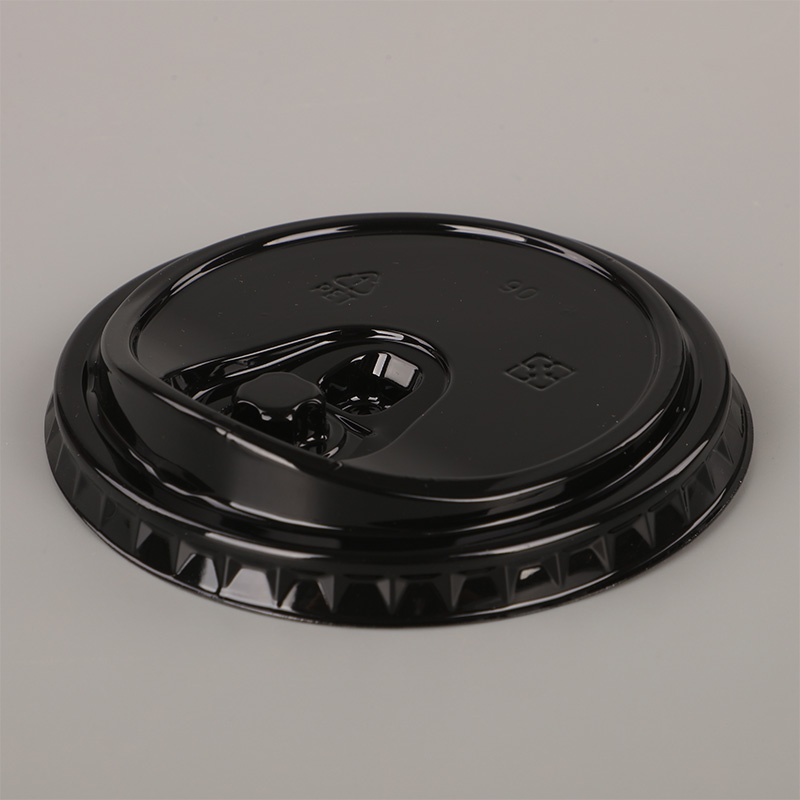
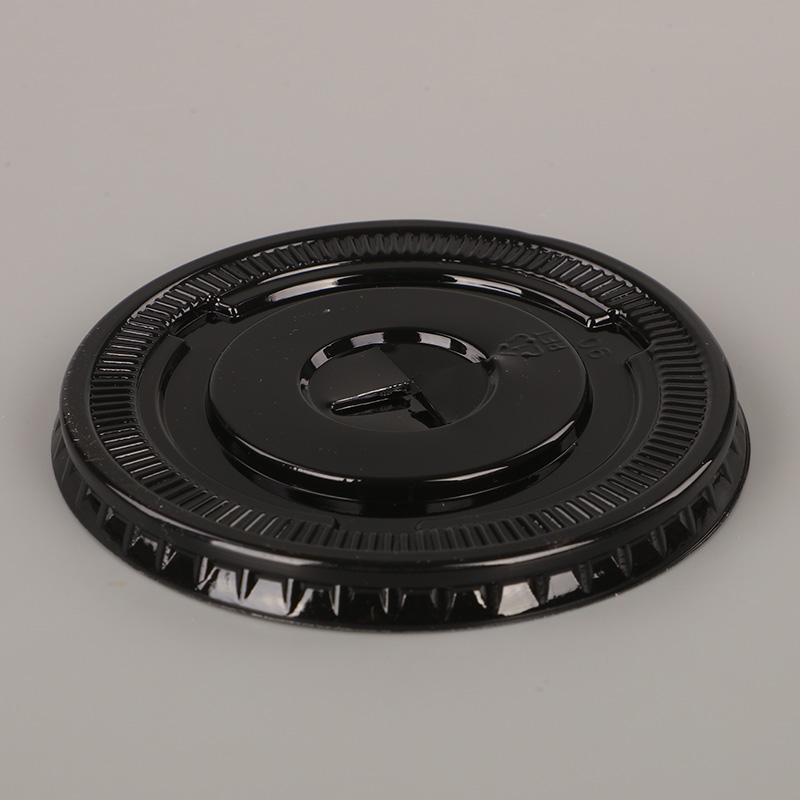
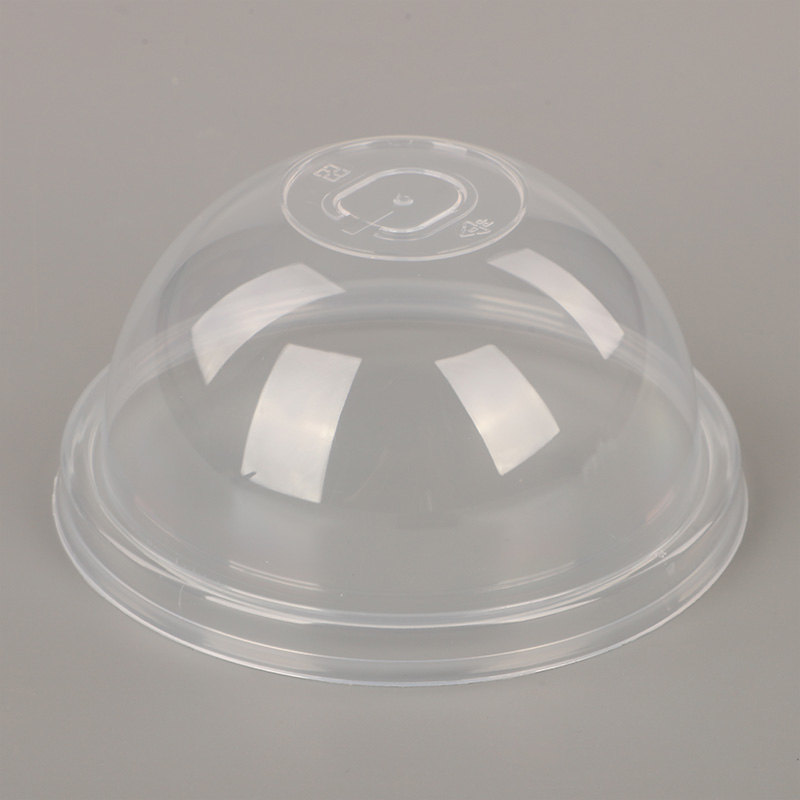
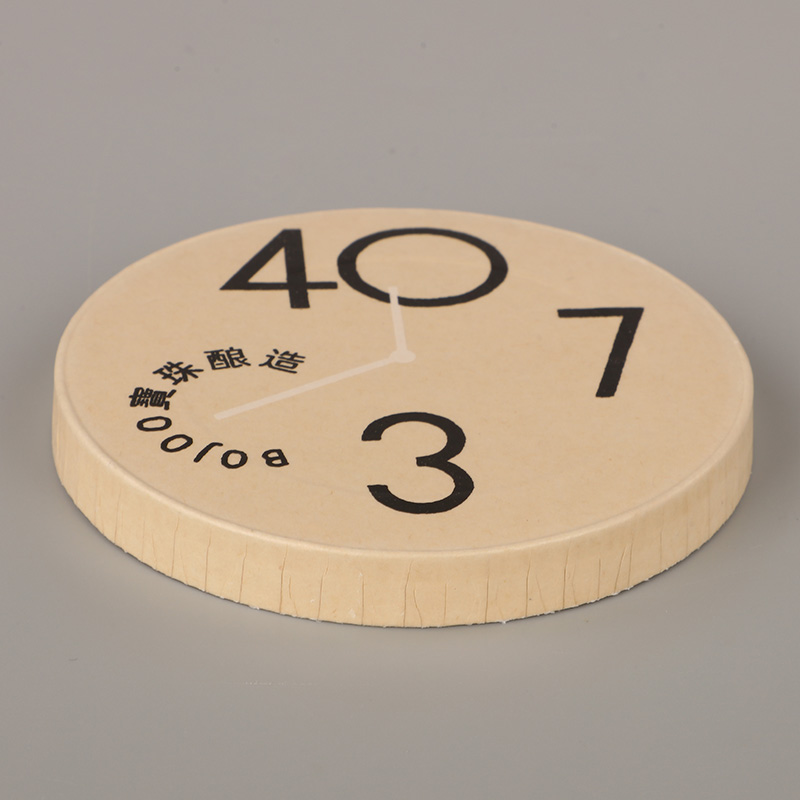
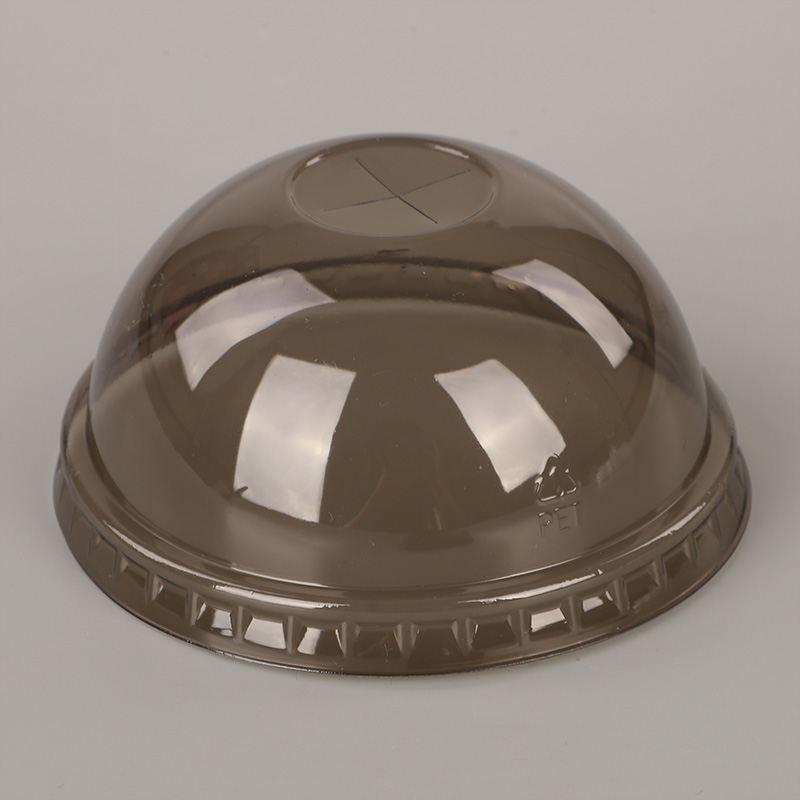


Lid-to-Cup Fitment Mechanics: Why Dimensional Tolerance Matters More Than Material
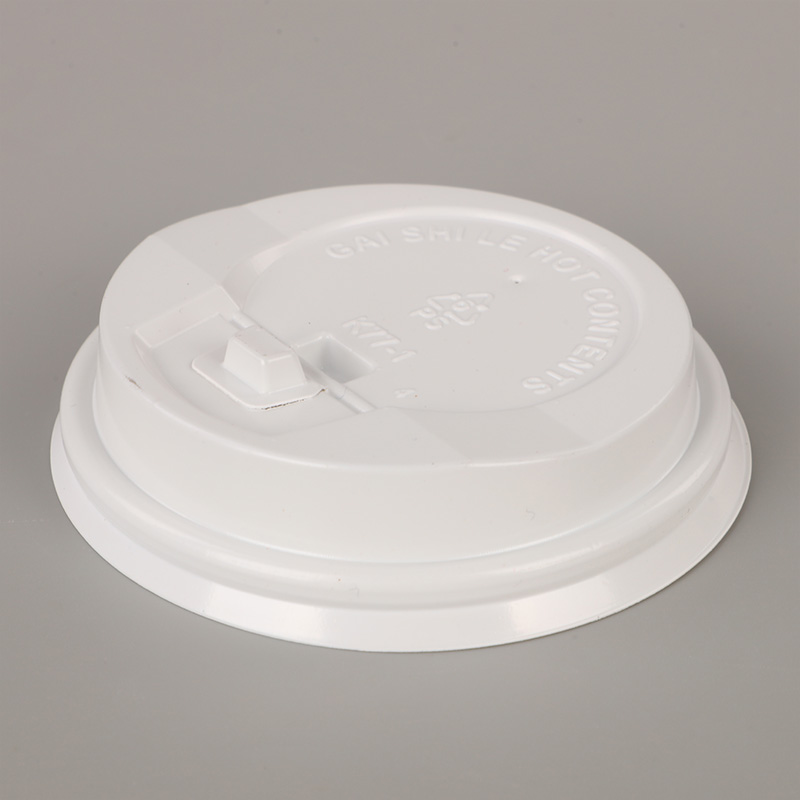
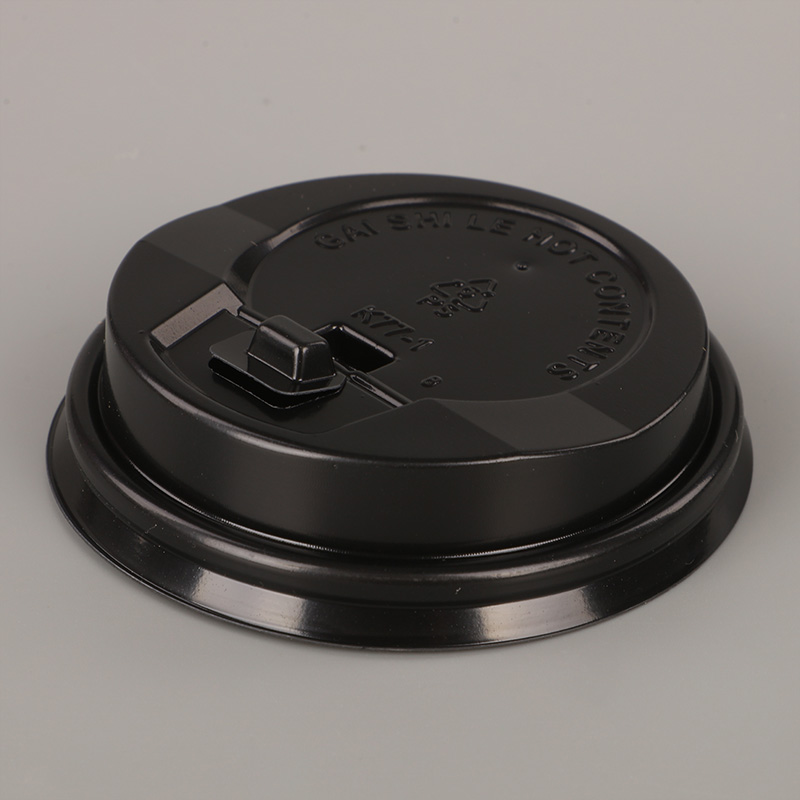
Whether a lid is plastic or paper, the single most critical performance variable in any lid-and-cup system is dimensional fitment — the precision with which the lid's inner profile engages the cup's rim geometry. A lid that fits poorly will leak, pop off during transit, or require excessive force to seat, regardless of how well the lid material itself performs. Understanding the mechanics of lid fitment helps buyers avoid the common mistake of sourcing lids and cups from different suppliers without verifying dimensional compatibility.
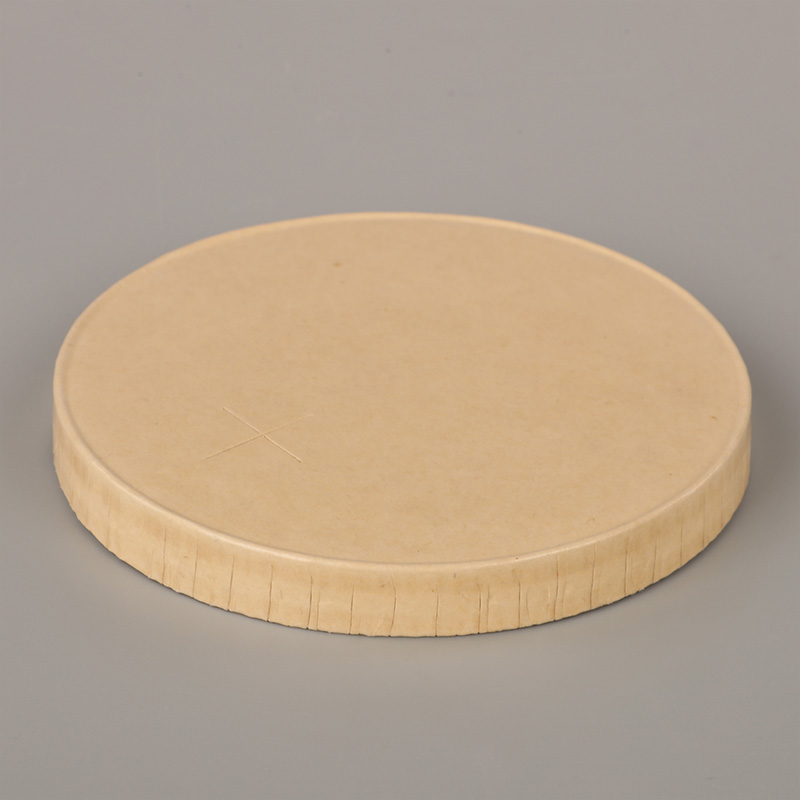
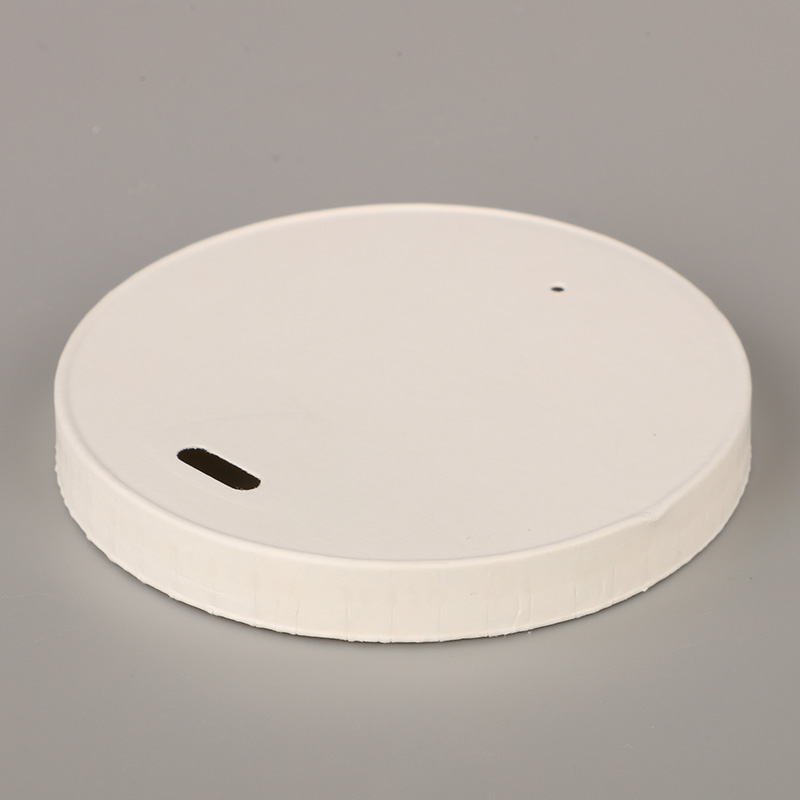
Plastic & Paper Lids achieve fitment through a different mechanism. Rather than a snap-fit, most paper lids use a press-fit or friction-fit approach in which a formed paper skirt creates continuous circumferential contact pressure against the cup rim. The paper's lower elastic recovery compared to PP means that paper lids rely more on precise dimensional matching and less on material springback to maintain contact. This makes paper lid fitment more sensitive to cup rim diameter variation — a cup rim that is 0.5 mm larger than nominal due to forming tooling wear can cause a paper lid to fit loosely, while a PP lid on the same cup would compensate through its elastic deflection. At Hangzhou Renmin Eco-tech, we work with our customers to provide paper lid specifications that are matched to the exact rim profiles of their cup designs, rather than applying generic dimensional tolerances.
PP vs. PLA Plastic Lids: Material Properties That Affect Real-World Performance
Both PP and PLA are used in food-grade plastic lids for disposable cups, and while they can appear visually similar in finished form, their material properties differ in ways that have direct consequences for performance in specific beverage and environmental contexts. Choosing between them requires more than a sustainability preference — it requires understanding how each material behaves under the actual service conditions of the intended application.
Thermal Performance Under Hot Beverage Conditions
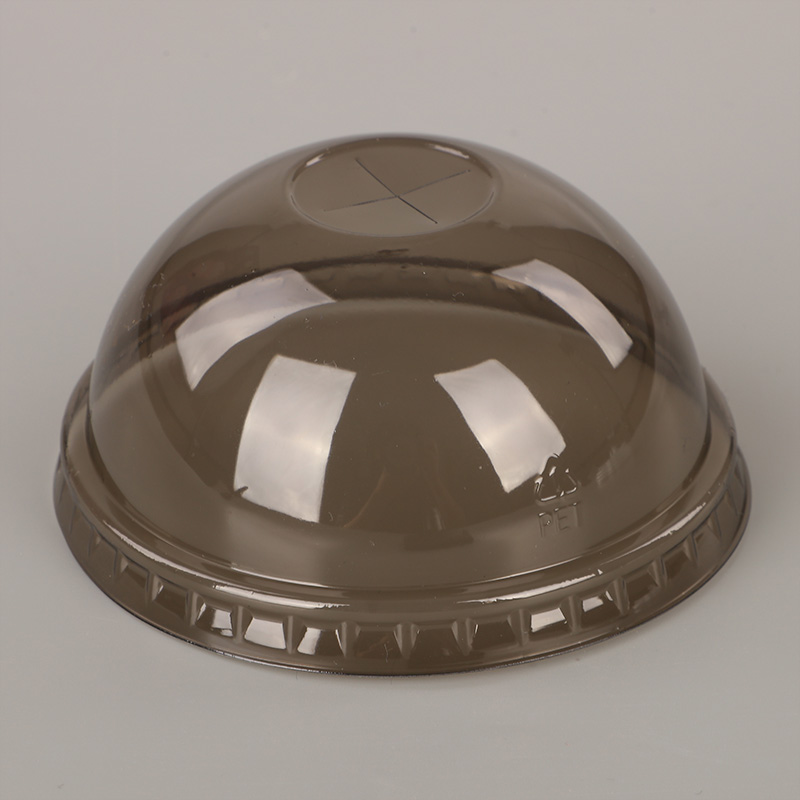
PP plastic lids have a heat deflection temperature of approximately 100–115°C depending on grade, making them fully suitable for hot beverages served at 70–85°C — the typical serving temperature range for espresso-based drinks, teas, and hot chocolate. PLA plastic lids, in their standard amorphous form, have a heat deflection temperature of only 55–60°C, which means they will soften, distort, and potentially lose their fitment seal when used with hot beverages. This is not a marginal difference — a standard PLA lid on a freshly brewed 80°C coffee will begin to deform within seconds of contact. Only crystallized PLA (CPLA), which raises the heat deflection temperature to approximately 85–90°C through a controlled annealing process, is suitable as a hot-beverage lid material. Buyers specifying PLA lids for hot beverage applications must explicitly confirm that the product is manufactured from CPLA rather than standard amorphous PLA.
Clarity and Consumer Experience
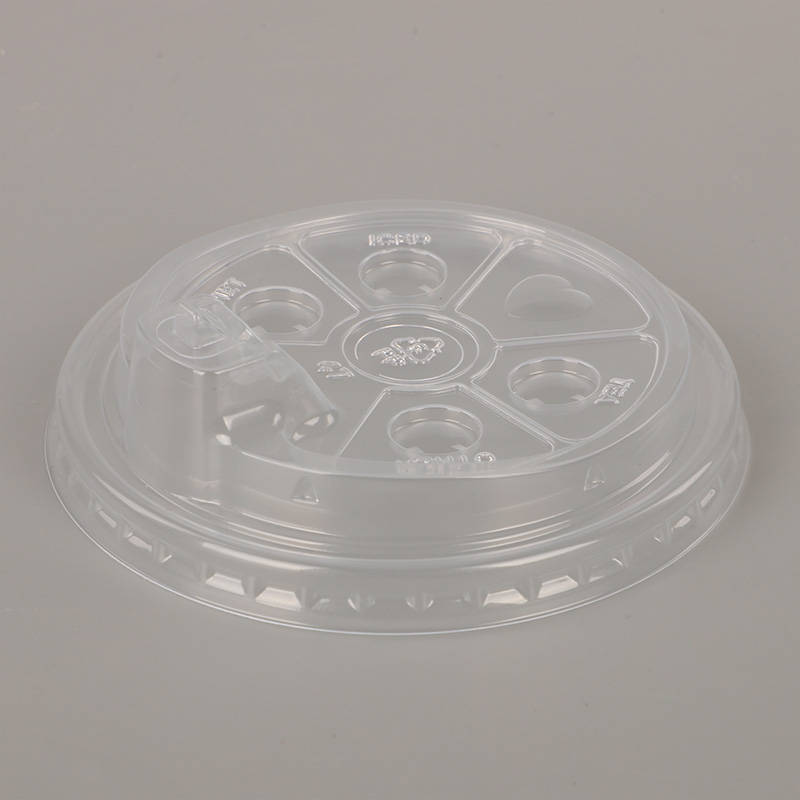
Transparent Plastic & Paper Lids for cold beverages — allowing the drink's color and any toppings to be visible — are a standard expectation in bubble tea shops, smoothie bars, and specialty cold brew outlets. Both PP and PLA can be produced in transparent grades for cold-beverage lid applications. PLA has a slightly higher clarity than standard PP due to its lower crystallinity in amorphous form, which can be an aesthetic advantage for premium cold beverage presentation. PP clarity can be improved through clarifying agent additions, but transparent PP lids typically remain slightly hazier than equivalent PLA. For hot beverage applications, transparency is less relevant since most hot beverage lids are produced in opaque white or black to manage the aesthetic of condensation and beverage residue on the lid interior.
Regulatory Compliance and Single-Use Plastic Restrictions
PP plastic lids are classified as conventional fossil-fuel-derived single-use plastic items and are subject to restriction or prohibition under the EU Single-Use Plastics Directive (SUPD) and equivalent national legislation in the UK, China, and other markets. The SUPD specifically lists beverage cup lids as a product category subject to extended producer responsibility requirements, though outright market prohibition for lids (as opposed to cups) has not been implemented in the EU as of current enforcement. PLA lids occupy a more favorable regulatory position in most jurisdictions due to their bio-based origin, but this status is subject to ongoing review and should not be assumed to be permanent or universally recognized across all markets.
Paper Lid Construction: Barrier Coatings, Forming Methods, and Structural Integrity
Paper lids for disposable cups are structurally more complex than they appear. A flat disc of coated paper must be formed into a three-dimensional lid with a functional skirt, a flat or domed top surface, and — in drinking-hole configurations — a pre-cut or scored aperture, while maintaining sufficient stiffness and barrier performance to function as a genuine spill-resistant closure. The engineering of this component requires careful coordination between the paper substrate, the barrier coating system, and the forming process.
The paperboard substrate used in paper lids typically ranges from 250 to 350 gsm, selected to provide sufficient stiffness in the formed lid geometry. Lower basis weights produce lids that flex excessively under the thumb pressure of a consumer removing the lid or under the suction pressure generated during sipping — both of which compromise the seal at the cup rim. The barrier coating on the food-contact upper surface (the surface that beverage contacts when the lid is in place) must resist both liquid penetration and the elevated temperature of hot beverages. PE coatings in the 15–20 gsm range are the most common barrier specification, providing reliable hot liquid resistance up to approximately 95°C. Water-based dispersion coatings and PLA coatings are available as more sustainable alternatives, though they currently offer lower sustained heat resistance than PE and require careful application specification to achieve comparable barrier performance.
Comparing Plastic and Paper Lids Across Key Performance Dimensions
Foodservice operators choosing between plastic lids and paper lids for their cup systems must evaluate performance across multiple dimensions simultaneously — no single criterion determines the right choice for all applications. The following comparison framework covers the dimensions most relevant to commercial decision-making, based on the material and construction realities of each format.
| Performance Dimension | PP Plastic Lids | CPLA Plastic Lids | Paper Lids (PE-coated) |
| Hot beverage suitability | Excellent (up to ~110°C) | Good (up to ~85–90°C) | Good (up to ~90–95°C) |
| Cold beverage suitability | Excellent | Excellent | Good (condensation risk on exterior) |
| Fitment tolerance range | Wide (elastic snap-fit) | Moderate | Narrow (friction-fit) |
| Regulatory compliance (EU SUPD) | Subject to EPR requirements | Favorable (bio-based) | Most favorable |
| Compostability | Not compostable | Industrially compostable | Conditionally compostable |
| Unit cost | Lowest | 30–50% above PP | 15–35% above PP |
| Custom printability | Limited (requires special inks) | Limited | Excellent (standard paper printing) |