

 English
 中文简体
中文简体 Français
 Español
 عربى
عربى

Oil and Grease Resistance in Deli Takeaway Paper Boxes: How It Works and Why It Matters
Deli takeaway paper boxes regularly come into contact with fatty, oily foods — fried chicken, pulled pork sandwiches, cheesy bakes, and oil-dressed salads. Without adequate grease resistance, the paperboard substrate absorbs lipids, loses structural rigidity, and can transfer grease to the customer's hands within minutes. Understanding the mechanisms behind grease resistance helps buyers select the right specification rather than relying on vague supplier claims.
PE Coating as a Grease Barrier
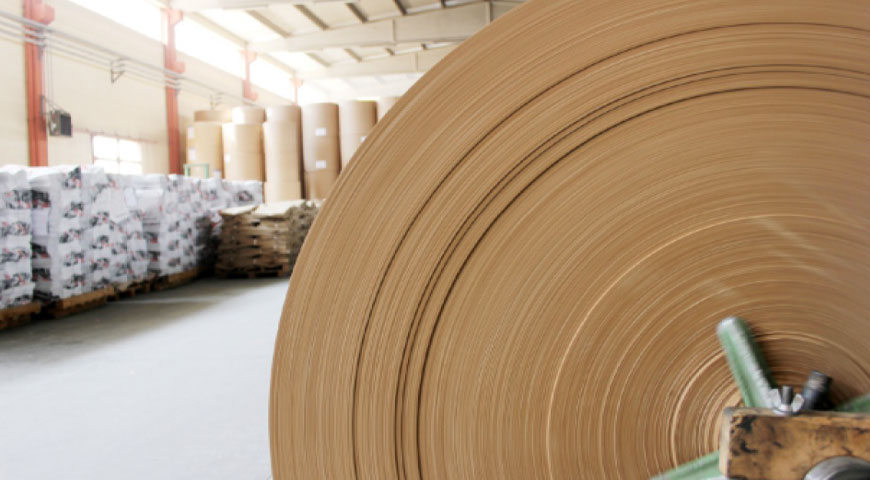
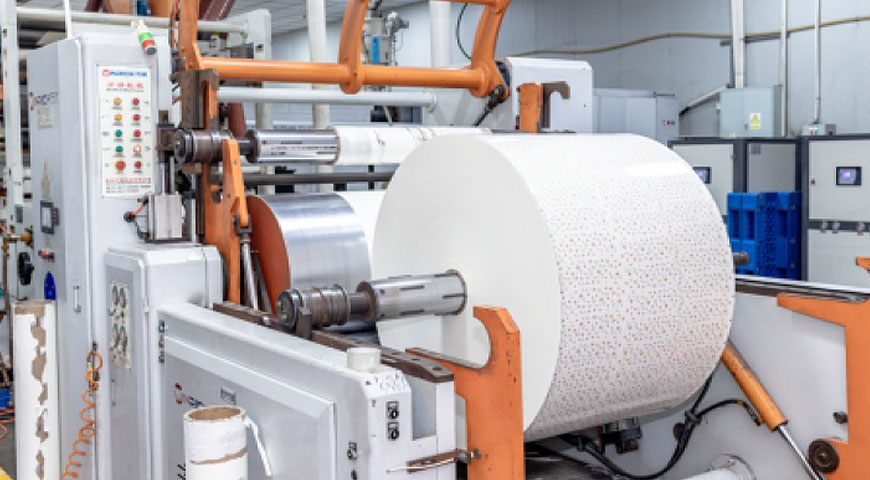
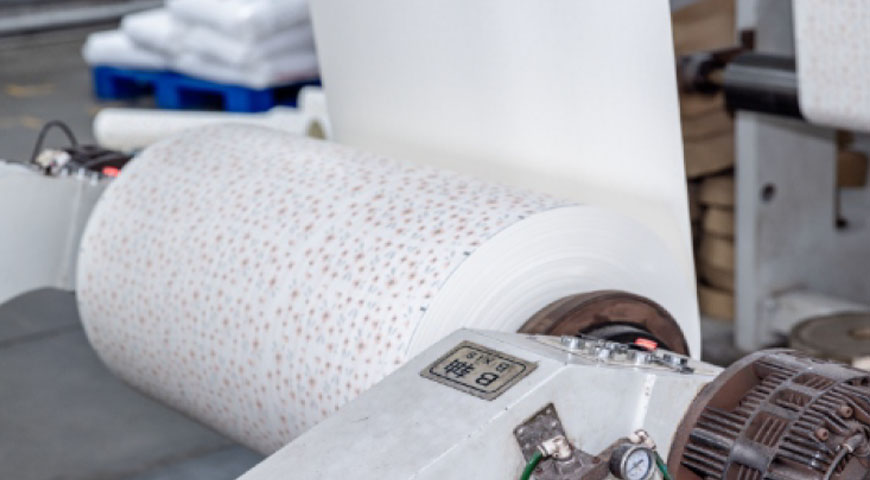
The most common grease resistance mechanism in deli takeaway paper boxes is a polyethylene (PE) coating applied to the food-contact inner surface. PE is nonpolar and therefore highly resistant to lipid penetration. A standard single PE coating of 15–20 gsm creates a continuous film that prevents oil from reaching the paper fiber below. The critical performance variable is coating uniformity — micro-gaps or pin-holes in the coating layer allow localized grease penetration that can spread laterally through the paper fiber. Reputable base paper and coated paper roll manufacturers maintain tight coating weight tolerances to minimize this risk. At Hangzhou Renmin Eco-tech, our PE coated paper rolls are produced with consistent coating weight distribution, giving converters a reliable substrate for high-grease food applications.
Fluorochemical-Free Grease Resistance
An alternative to PE coating for grease resistance is the application of fluorochemical (PFAS-based) barrier treatments directly to the paperboard surface. Historically, PFAS-treated papers were widely used in fast food packaging due to their exceptional oil repellency. However, growing regulatory restrictions — including bans in the EU, several US states, and increasing scrutiny in food-contact applications globally — have accelerated the shift toward PFAS-free alternatives. PE coating and PLA coating are the two primary PFAS-free options currently available at commercial scale for deli takeaway paper box production. Buyers specifying boxes for markets with active PFAS restrictions should explicitly confirm PFAS-free status in their procurement documentation.
Compartmentalized Deli Takeaway Paper Boxes: Design Logic and Use Cases
Compartmentalized deli takeaway paper boxes — those with internal dividers creating two or more separate food zones within a single box — solve a specific problem in deli and ready-to-eat food service: keeping distinct components of a meal separated until the customer is ready to eat. The design logic behind these boxes goes beyond simple convenience and directly affects food quality, moisture management, and presentation.
The most common compartment configurations used in deli takeaway boxes are two-compartment (approximately 70/30 or 60/40 split) and three-compartment (one large main section with two smaller side sections). The split ratio is determined by the intended meal composition — a main protein dish with two sides calls for a different division than a sandwich-plus-salad format. When ordering custom compartmentalized boxes, specifying the compartment ratio as absolute dimensions (in millimeters) rather than as a percentage avoids ambiguity between supplier and buyer.
Critically, the internal divider in a compartmentalized deli takeaway paper box must be as well-coated and grease-resistant as the box walls. A divider made from uncoated or lightly coated paperboard will absorb moisture and grease from adjacent food components, causing it to soften and collapse — defeating the purpose of compartmentalization entirely. Specifying that dividers carry the same PE coating specification as the main box walls is an important quality requirement that is sometimes omitted in procurement briefs.
| Compartment Configuration | Typical Use Case | Key Design Consideration |
| 2-compartment (70/30) | Main dish + single side | Divider grease resistance |
| 2-compartment (50/50) | Sandwich + salad combo | Equal depth for uniform lid fit |
| 3-compartment | Protein + two sides or condiments | Divider rigidity under load |
| Single open compartment | Wraps, burritos, single-item deli portions | Box depth-to-width ratio for stability |
Paperboard Basis Weight and Box Geometry: Engineering Structural Integrity
The structural performance of a deli takeaway paper box depends on the interplay between paperboard basis weight (gsm) and the geometric design of the box itself. These two variables are not independent — a well-designed box geometry can compensate for moderate basis weight limitations, and conversely, a high-gsm board cannot fully overcome a poorly engineered fold pattern.
For rectangular and square deli takeaway paper boxes, the corner fold structure is the primary load-bearing element. Tight, clean corner folds — achieved through precise die-cutting and creasing — distribute vertical compressive loads efficiently around the perimeter of the box. Boxes with rounded corners or poorly defined crease lines concentrate stress at irregular points, leading to corner failure when boxes are stacked during delivery. A well-creased 280 gsm box will outperform a 320 gsm box with imprecise creasing under stacking compression.
Basis weight selection should scale with both box footprint and the anticipated load of food contents. General reference ranges used in deli takeaway paper box production are as follows:
- Small boxes (up to 500 ml capacity): 230–270 gsm is generally adequate for snacks, sandwiches, and light deli items where the food load is modest and handling time is short.
- Medium boxes (500–900 ml): 270–310 gsm supports heavier meal combinations such as rice-and-protein dishes, pasta, or multi-component deli plates without sidewall deflection.
- Large boxes (900 ml and above): 310–360 gsm is recommended, particularly where boxes will be stacked two or three high in delivery bags or on service counters under full load conditions.
Lid-to-base clearance height is another geometry factor that affects perceived sturdiness. A lid that sits flush with the food surface compresses contents and can create condensation pressure against the lid interior; a lid with 10–15 mm of clearance above the food allows steam to dissipate and reduces sogginess in fried or baked items.
Custom Printing Strategies for Deli Takeaway Paper Boxes Across Different Brand Scales
Custom-printed deli takeaway paper boxes communicate brand identity at the moment of consumption — when the customer is most engaged with the food experience. However, the feasibility and economics of custom printing vary significantly depending on order volume, number of SKUs, and the complexity of the artwork, making a one-size-fits-all printing strategy impractical.
High-Volume Operations: Flexographic Printing on Pre-Cut Blanks
For foodservice operators ordering 100,000 units or more per SKU, flexographic printing applied to flat die-cut blanks before box forming is the most cost-effective approach. Flexo printing on paperboard supports up to 6–8 color separations with good registration, enabling detailed brand graphics and photographic-style food imagery. Plate costs are amortized across large production runs, bringing per-unit print costs down to fractions of a cent. The key discipline for high-volume custom printing is artwork lockdown — late changes to artwork after plate production incur remake costs that can offset volume savings. Finalizing brand guidelines and color standards (Pantone references, not RGB values) before engaging the printer avoids this common source of project overrun.
Mid-Scale Brands: Stock Boxes with Custom Labels or Stickers
For operators ordering 10,000–80,000 units annually across multiple box sizes, the tooling and minimum order economics of fully custom-printed boxes can be prohibitive. A practical alternative is the use of stock-format deli takeaway paper boxes — available in standard sizes from converters' existing tooling — combined with custom-designed adhesive labels applied at the point of packing. High-quality digital label printing is available at low MOQs and short lead times, allowing seasonal promotions, limited-edition menus, and new outlet openings to be accommodated without committing to large box inventory. The visual impact is somewhat lower than full-wrap custom printing, but well-designed labels on clean-format stock boxes can achieve a professional result.
Emerging Brands: Digital Direct Printing
Digital direct printing on paperboard packaging — while still more expensive per unit than flexographic printing — has become increasingly accessible for short-run custom deli takeaway paper boxes. Digital printing eliminates plate costs entirely, making runs of 1,000–10,000 units economically viable for brand-new operations or for testing new packaging concepts before scaling. Color gamut in digital printing can exceed flexographic capability for complex photographic imagery, though the food-safe ink constraints for food-contact packaging still apply.