




 English
 中文简体
中文简体 Français
 Español
 عربى
عربى
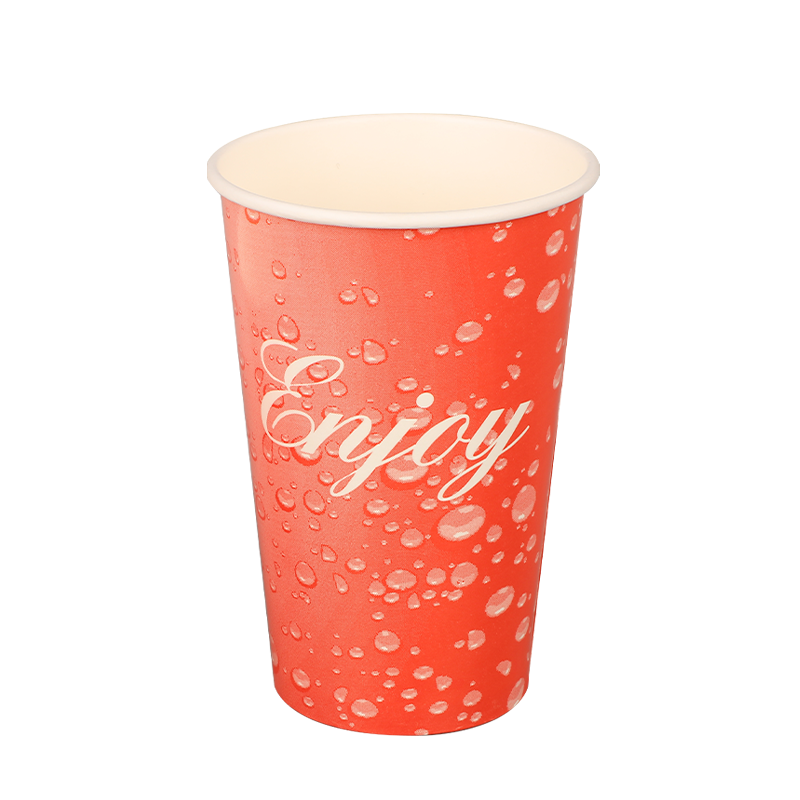
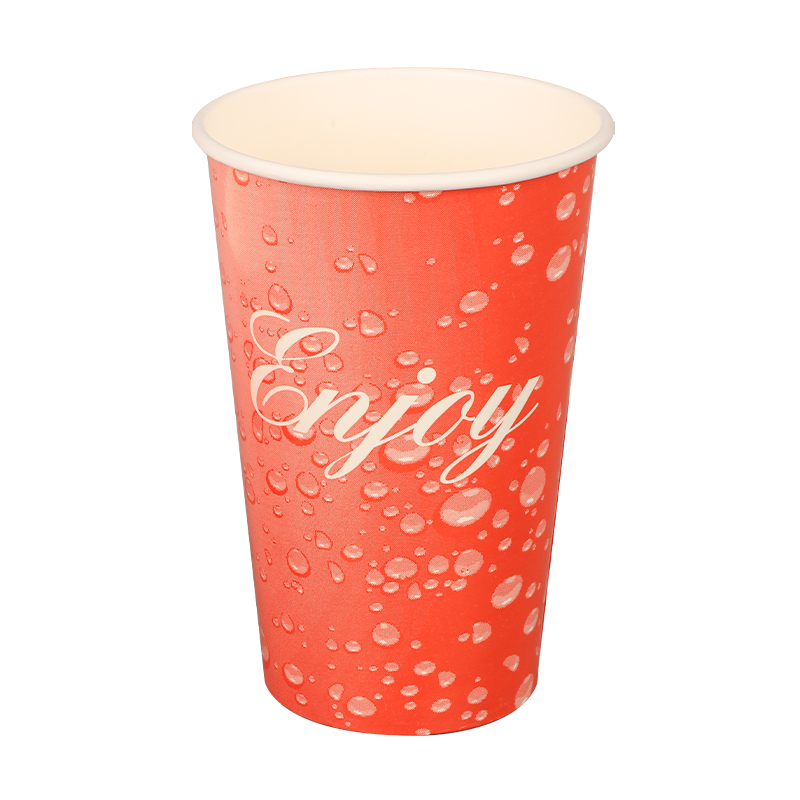
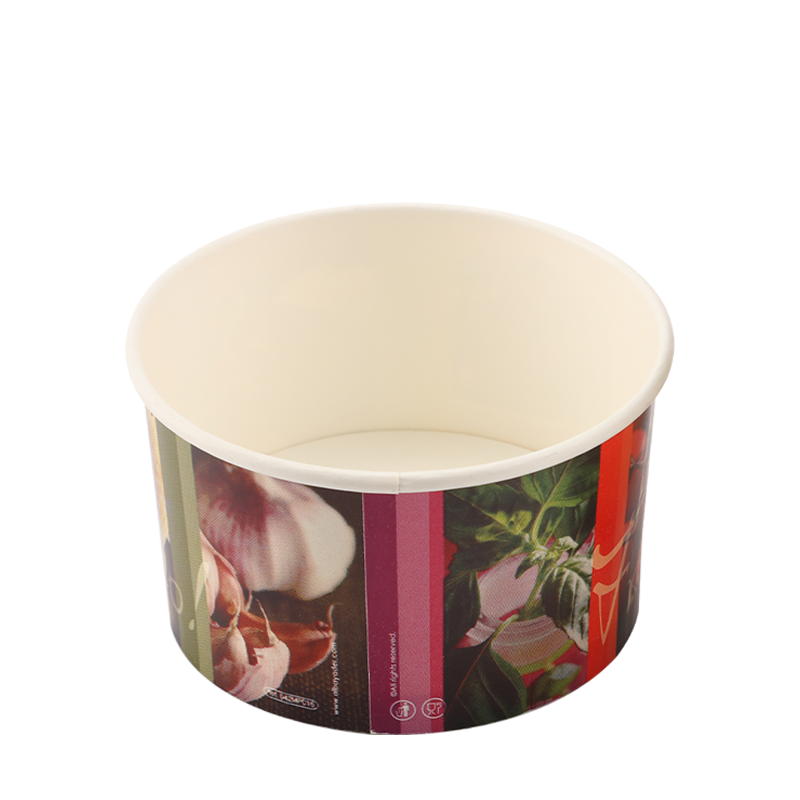
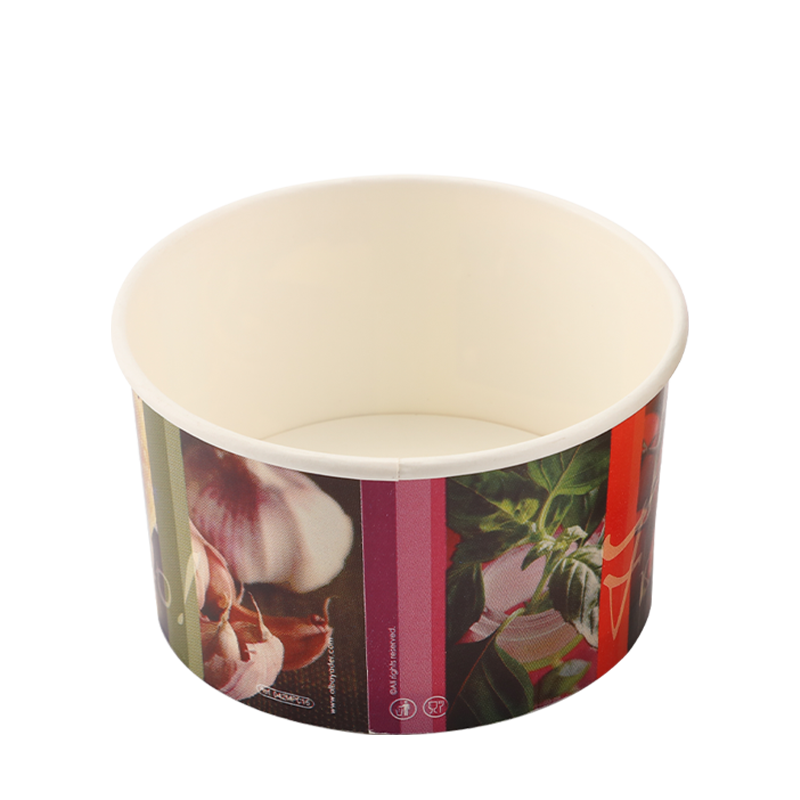
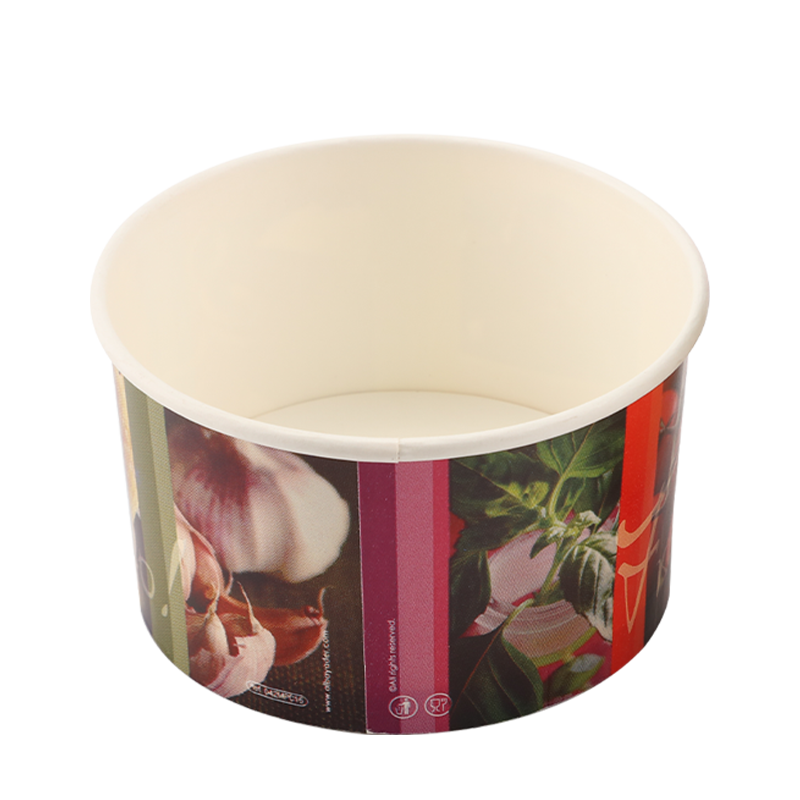
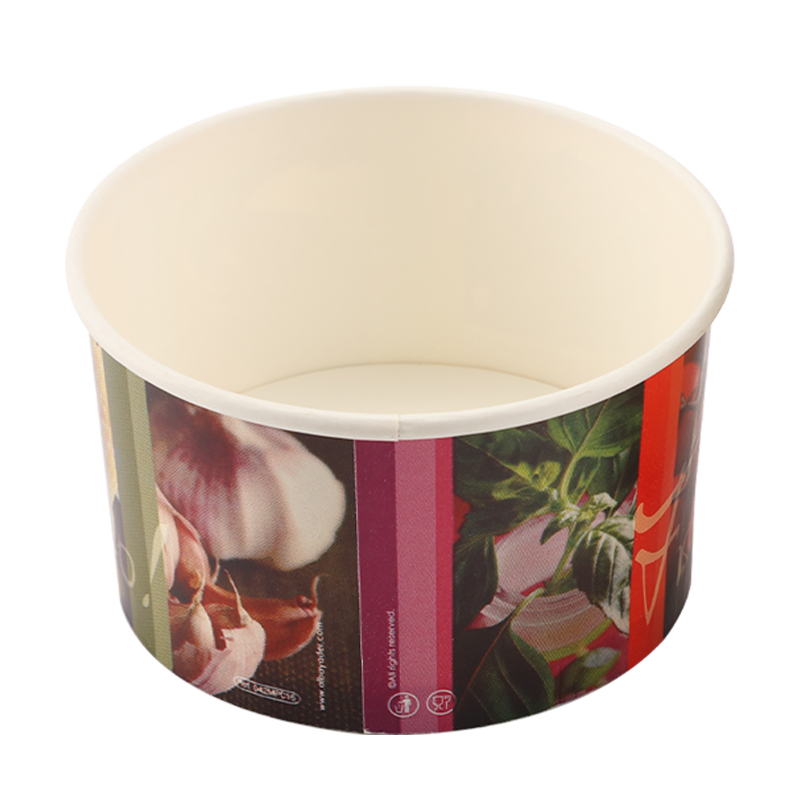



PE vs. PLA Coating: What Really Happens to Your Cold Cup After Use
The waterproof lining inside a cold drink paper cup determines not just its performance—but its entire end-of-life story. Two coatings dominate the market, and they behave very differently once the cup is discarded.
PE (Polyethylene) coating has been the industry standard for decades. It bonds tightly to the paper substrate, providing excellent moisture resistance even when the cup holds iced beverages for 30–60 minutes. However, PE is a petroleum-derived plastic. Most municipal recycling facilities cannot separate the thin plastic film from the paper fiber, meaning PE-coated cups typically end up in landfill, where they can persist for hundreds of years.
PLA (Polylactic Acid) coating is derived from plant starches such as corn or sugarcane. Under the right industrial composting conditions—temperatures above 55°C and sufficient humidity—PLA breaks down within 90–180 days. This makes PLA-coated cups genuinely compostable in certified facilities. The challenge: home compost piles rarely reach the required temperatures, so PLA cups still require proper infrastructure to realize their environmental benefit.
| Property | PE Coating | PLA Coating |
|---|---|---|
| Source material | Petroleum-based | Plant starch (corn, sugarcane) |
| Cold resistance | Excellent | Good (up to ~50°C) |
| Recyclability | Limited (plastic film separation required) | Industrially compostable |
| Degradation time | Hundreds of years | 90–180 days (industrial composting) |
| Cost | Lower | 15–30% higher |
For buyers sourcing at scale, the coating choice directly affects whether a product can be certified as compostable (look for EN 13432 or ASTM D6400 standards) and whether end customers in markets like the EU or California can legally use it. As a manufacturer specializing in eco-friendly paper packaging solutions, we offer both PE and PLA-coated options, with the flexibility to match your regional regulatory requirements.
Grammage and Wall Thickness: Why Cold Cups Are Built Differently
A common misconception in cup sourcing is treating hot and cold cup specifications as interchangeable. Structurally, they are engineered for opposite thermal challenges—and the differences show up most clearly in grammage and wall construction.
Cold drink paper cups must contend with condensation—moisture that migrates from the cold interior to the exterior surface. If the cup wall is too thin or the paper grammage too low, the cup softens within minutes, losing its structural integrity and becoming uncomfortable to hold. Industry practice places single-wall cold cups in the 200–300 gsm range for the base paper substrate, with the coating adding further rigidity.
The rim structure is another area of differentiation. Cold cups typically feature a rolled or flanged rim wider than that of hot cups, providing a more stable seat for transparent snap-on lids. This engineering detail matters enormously in high-volume takeaway operations where lids must be applied quickly without spillage risk.
- Single-wall cold cups: Suitable for short-hold drinks (juice, soft drinks); base paper typically 200–260 gsm
- Double-wall cold cups: Used for premium iced beverages where extended hold and reduced condensation on the exterior are priorities; total wall weight 280–320 gsm
- Ripple-wall cold cups: Incorporate a corrugated outer sleeve for grip and insulation, common in specialty beverage shops
When evaluating suppliers, always request a Cobb test result—a standardized measure of paper water absorption. A lower Cobb value indicates better moisture resistance, which is critical for cold cup performance. Reputable manufacturers will have this data on file alongside their GSM certifications.
Lid Compatibility and Straw Configurations: A Practical Sourcing Guide
Lid selection is one of the most overlooked variables when sourcing cold drink paper cups in bulk—yet mismatches between cup rim diameter and lid size are among the most common complaints in commercial foodservice operations.
Cold cup lids fall into three main categories, each suited to specific use cases:
- Dome lids (transparent): Allow drinks with whipped cream or toppings to be sealed without crushing garnishes. Common for smoothies, milkshakes, and specialty iced coffees. Typically available in 90mm, 98mm, or 104mm rim diameters.
- Flat lids with cross-cut or round straw hole: Designed for high-volume operations where straws are inserted at the point of service. The cross-cut design provides a tighter straw grip and reduces spill risk during transit.
- No-hole flat lids: Used for cold beverages that will be consumed immediately or for sealed retail sales. Less common in takeaway contexts but relevant for pre-packaged drinks.
A key practical note: rim diameter is not standardized across manufacturers. A 16oz cup from one supplier may have a 90mm rim while another uses 98mm. Before finalizing a cup-and-lid order from multiple sources, always verify the rim diameter specification and request physical samples for a fit test. This is especially important when transitioning from one supplier to another mid-season.
Similarly, straw compatibility is worth checking against your straw supplier's outer diameter. Most bubble tea and thick-drink straws have an OD of 8–12mm, while standard juice straws run 6–7mm. The lid's straw aperture should match your intended straw type without requiring excessive force—which can compromise the cup seal.