


 English
 中文简体
中文简体 Français
 Español
 عربى
عربى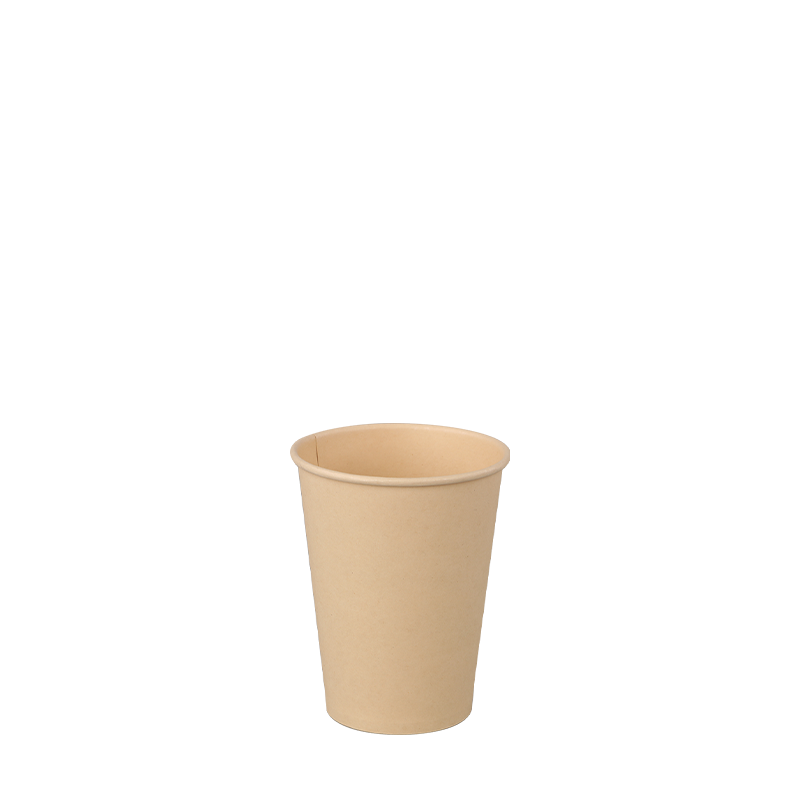
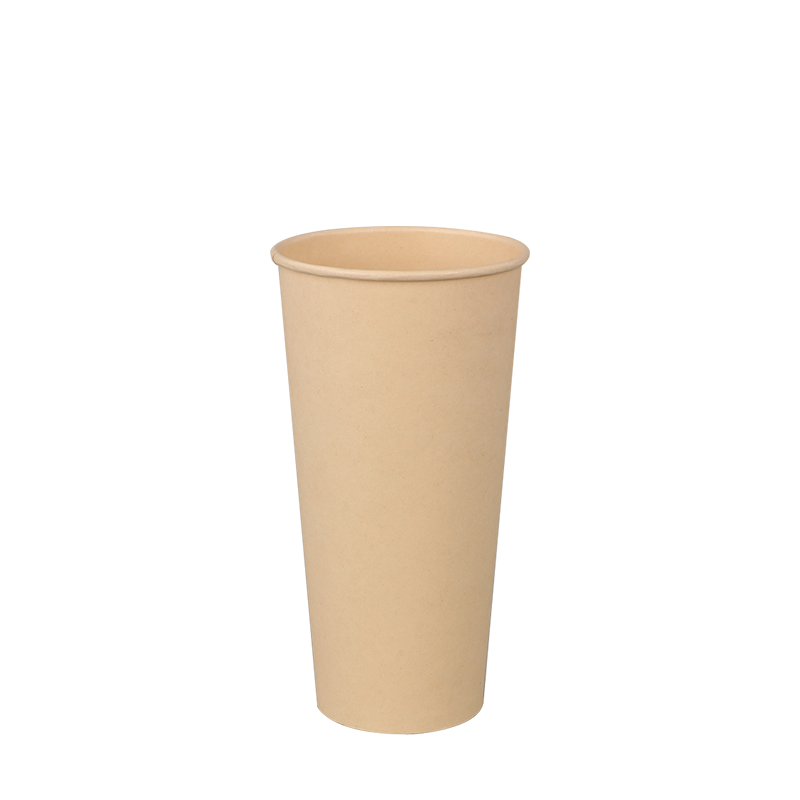
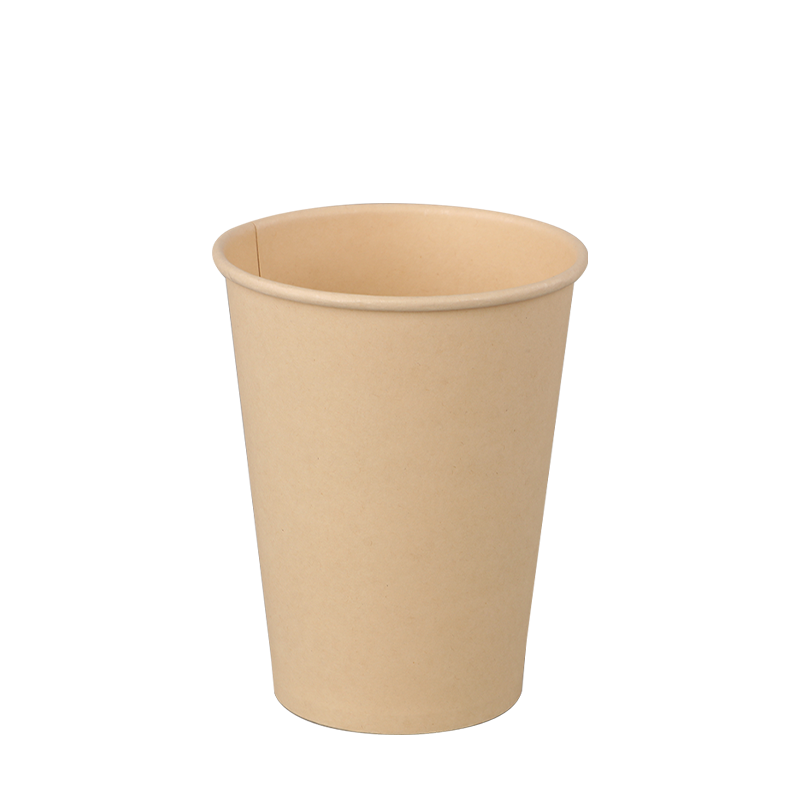
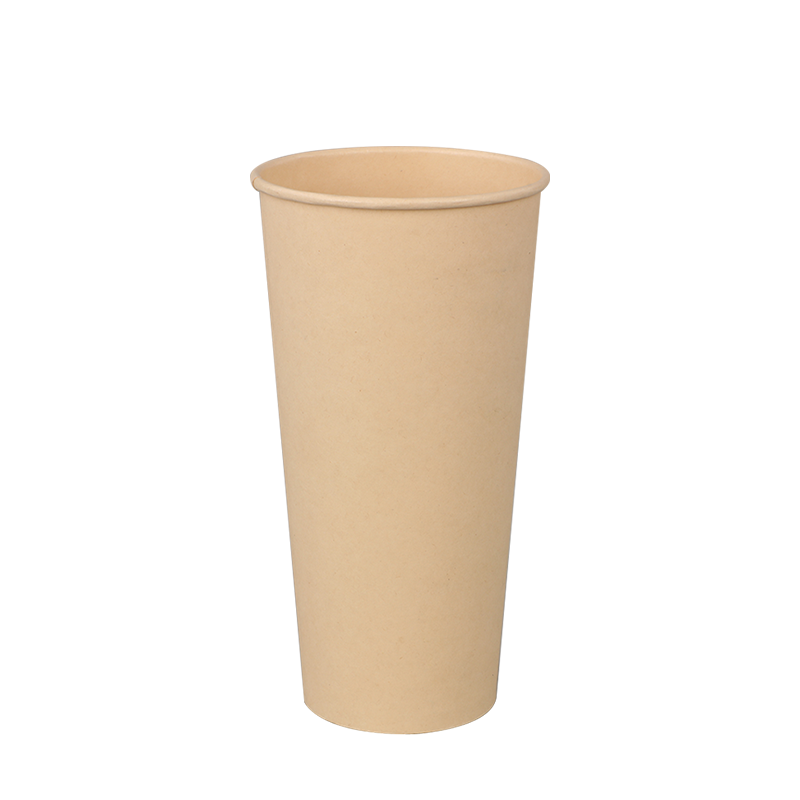
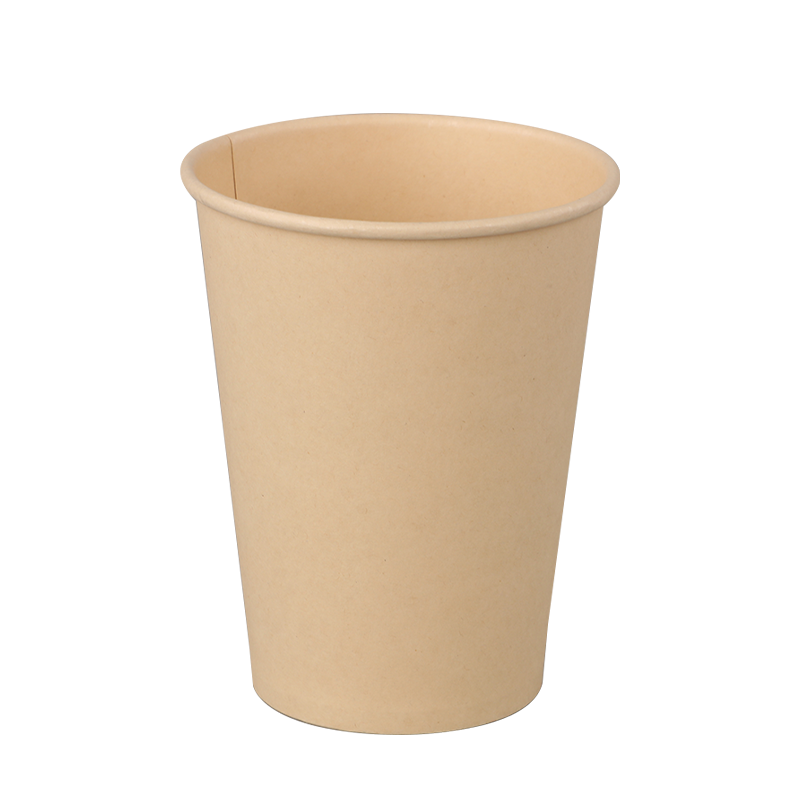

How Bamboo Fiber Changes the Structural Performance of Paper Cups
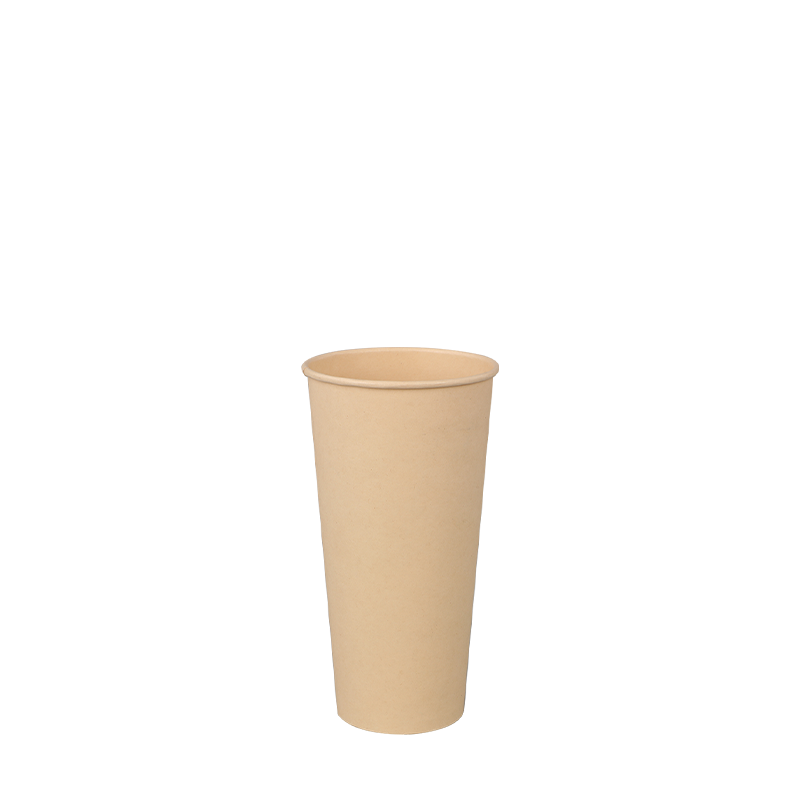
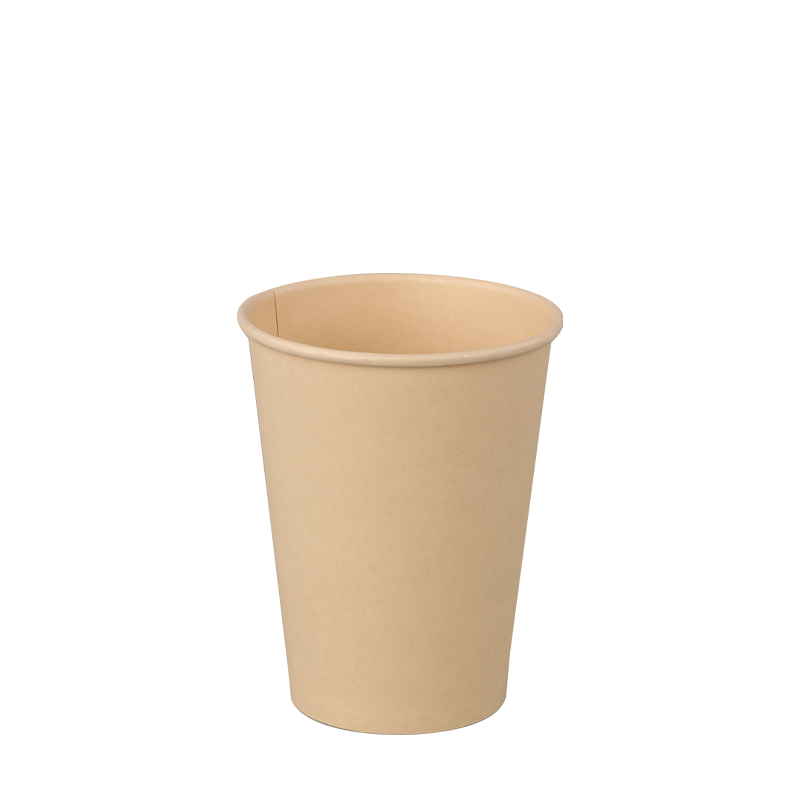
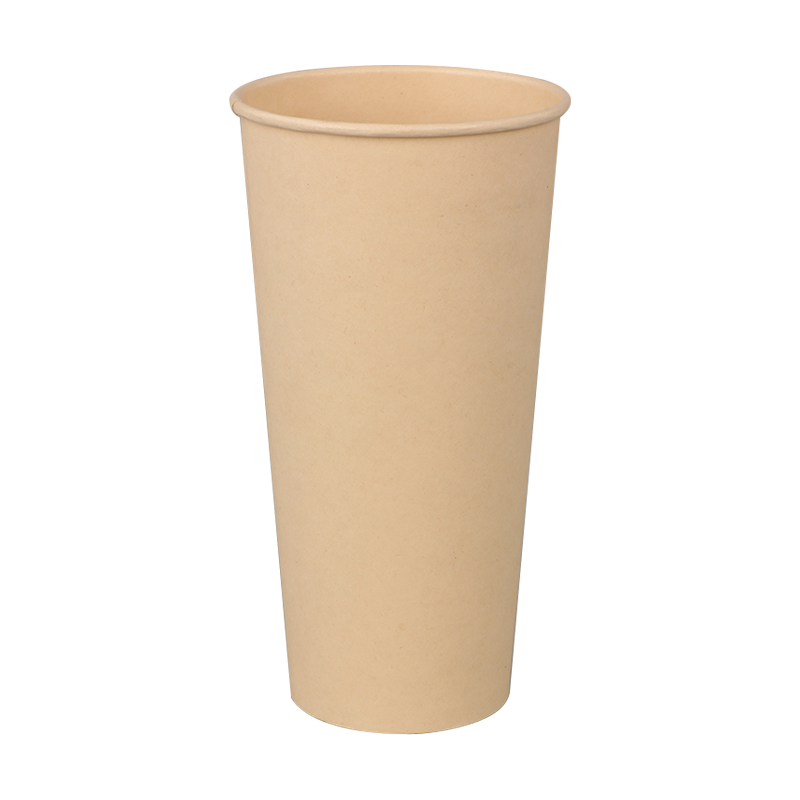
Traditional paper cups rely on virgin wood pulp as the primary raw material, which offers decent rigidity but limited wet strength. Bamboo fiber introduces a different set of mechanical properties: its cells are longer and more tightly interlocked than most softwood fibers, resulting in a higher tensile strength-to-weight ratio. When blended into cup stock, this translates to walls that resist softening and delamination even after prolonged contact with hot liquids above 90°C.
A practical consequence is reduced wall thickness without sacrificing structural integrity. Cups can be manufactured lighter—cutting material cost and shipping weight—while maintaining the rigidity needed for single-handed holding. For high-volume cafe environments where staff handle hundreds of cups per shift, this ergonomic consistency matters.
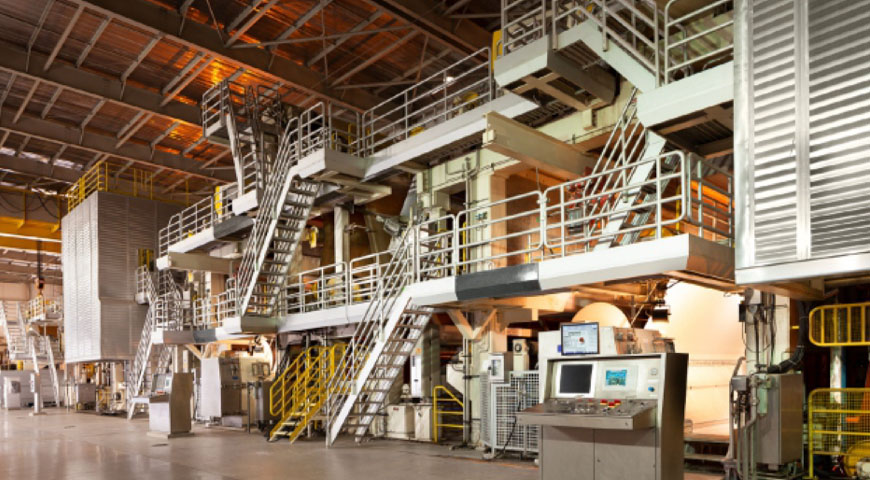
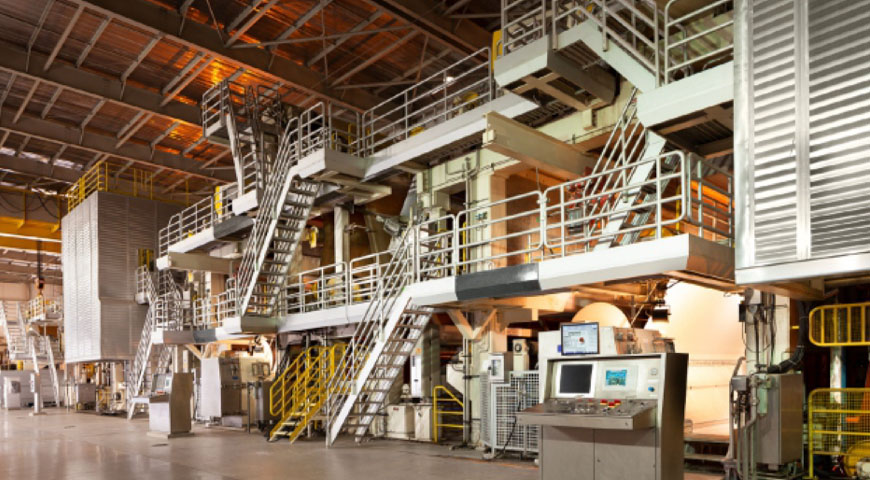
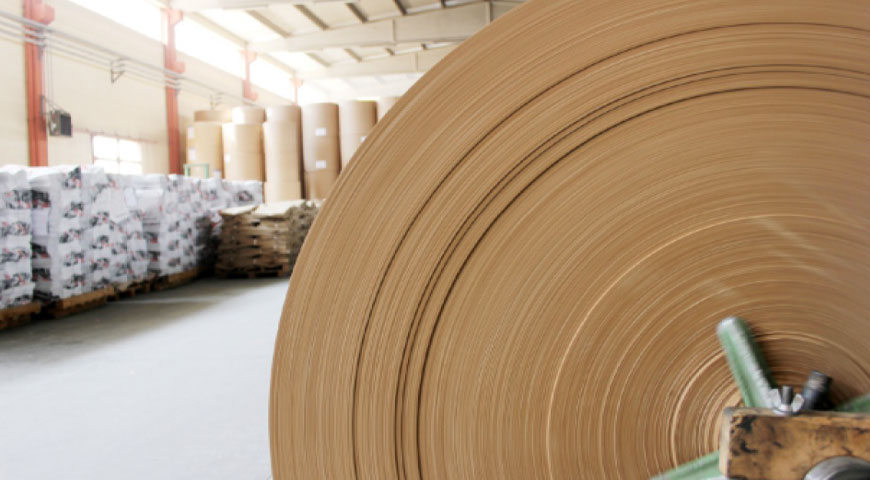
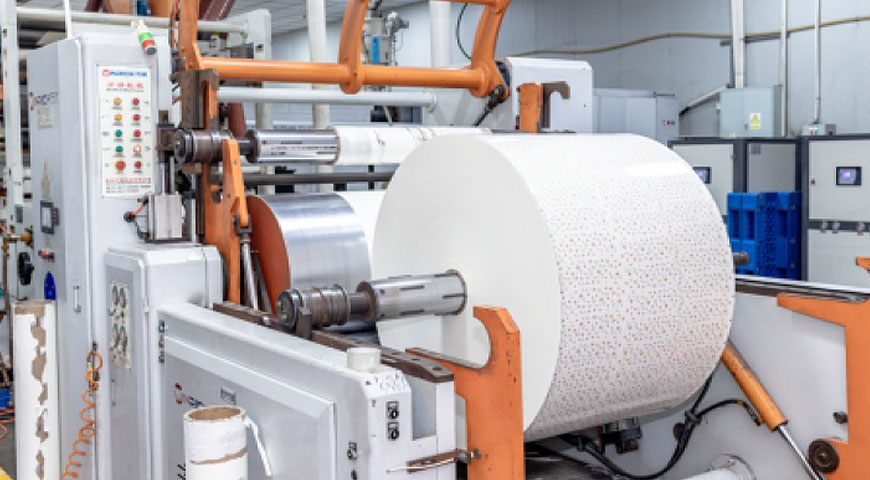
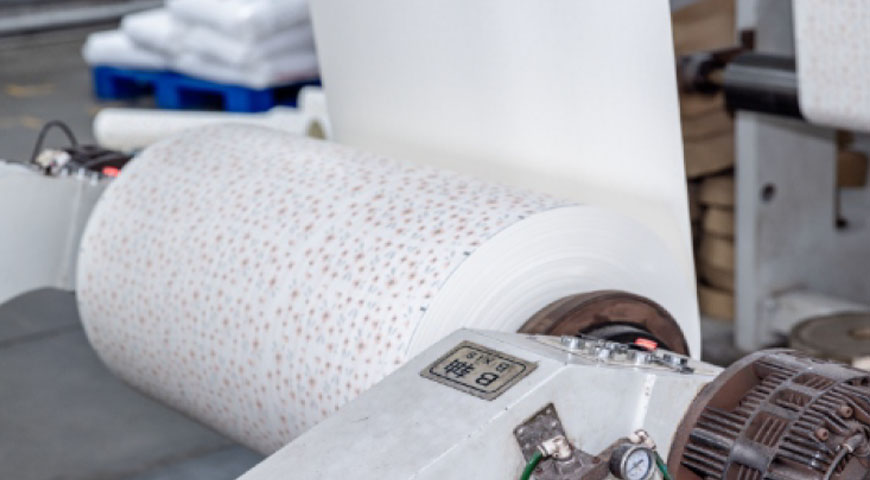
At Hangzhou Renmin Eco-tech Co., Ltd., our R&D process involves precisely calibrating the bamboo-to-wood-pulp blend ratio in our base paper rolls to balance stiffness, grammage, and surface smoothness for downstream cup-forming equipment. Getting this ratio wrong in either direction—too much bamboo or too little—affects both printability and seam integrity on high-speed cup-forming lines.
Coating Options for Bamboo Coffee Paper Cups and Their Trade-offs
The inner coating of a hot cup determines its liquid barrier performance, heat resistance, and end-of-life disposal pathway. The three most common options applied to Bamboo Coffee Paper Cups each carry distinct trade-offs:
| Coating Type | Heat Resistance | Compostability | Recyclability | Typical Use Case |
|---|---|---|---|---|
| PE (Polyethylene) | Good (up to ~100°C) | No | Difficult (mixed material) | Standard disposable coffee cups |
| PLA (Polylactic Acid) | Moderate (up to ~55°C unloaded) | Yes (industrial) | Requires separation | Eco-positioned foodservice brands |
| Aqueous / Water-based | Good | Yes (home & industrial) | Higher compatibility | Premium sustainable lines |
A critical point often overlooked in procurement: PLA-coated cups require industrial composting facilities at temperatures above 58°C for 10+ days to fully break down. Labeling them "compostable" without that caveat misleads end users and may result in cups ending up in landfill anyway. Buyers sourcing for markets with limited industrial composting infrastructure—common across Southeast Asia and parts of Africa—should factor this into their selection.
Bamboo as a Raw Material: Agronomic Facts That Affect Supply Chain Stability
Bamboo's reputation as a sustainable fiber source is well-founded, but the agronomic specifics matter when evaluating long-term supply chain resilience. Key characteristics relevant to cup manufacturers and buyers:
- Growth rate: Moso bamboo (Phyllostachys edulis), the species most used in fiber production, reaches harvestable maturity in 3–5 years versus 25–70 years for most commercial timber species.
- No replanting required: Bamboo regenerates from its root system after cutting, reducing land preparation costs and soil disruption between harvests.
- Water efficiency: It requires significantly less water per ton of fiber produced compared to cotton or eucalyptus, relevant in regions facing water stress.
- Concentration risk: China accounts for roughly 65% of global bamboo forest area, meaning geopolitical or climate events in primary growing regions—particularly Sichuan, Zhejiang, and Fujian provinces—can affect raw material pricing and availability.
For buyers placing large OEM orders, understanding the upstream fiber sourcing practices of your manufacturer is as important as the cup specs themselves. Working with an established supplier like Hangzhou Renmin Eco-tech Co., Ltd.—operating since 2004 with ISO9001 and ISO14001 certifications—provides visibility into material traceability and quality consistency across production runs.
Heat Insulation Performance: What the Numbers Actually Mean for End Users
Cup insulation is typically expressed as the time taken for the outer surface temperature to reach a threshold considered uncomfortable or unsafe for bare-hand holding—generally around 48°C. Single-wall bamboo paper cups perform comparably to standard single-wall PE-coated cups, with outer surface temperatures staying below 48°C for approximately 60–90 seconds when filled with 85°C liquid. Double-wall constructions extend this to 3–5 minutes.
For quick-service settings where customers pick up a cup and immediately add a sleeve or lid, single-wall bamboo cups are cost-effective. For specialty cafes or premium takeaway brands where the cup is handed directly without a sleeve, double-wall or ripple-wall bamboo cup variants offer the tactile comfort that prevents negative brand associations caused by a too-hot cup.
Bamboo fiber's lower thermal conductivity compared to bleached virgin pulp contributes marginally to improved insulation, though the wall construction type (single vs. double vs. ripple) remains the dominant variable. Buyers should request actual burn-test data from suppliers rather than relying on generic marketing claims about "excellent heat insulation."
Flavor Neutrality in Hot Beverage Cups: Why It Matters for Specialty Coffee
Specialty coffee roasters and third-wave cafe operators are particularly sensitive to cup-induced flavor contamination. The two main sources of off-flavors in paper cups are:
- Residual chemical bleaching agents (chlorine compounds) in the paper substrate that leach into hot liquid
- Coating migration—particularly from PE layers—when exposed to temperatures above 70°C for extended periods
Well-produced Bamboo Coffee Paper Cups using ECF (Elemental Chlorine-Free) or TCF (Totally Chlorine-Free) bleaching processes address the first issue directly. Bamboo pulp also has a naturally lower lignin content than wood pulp, requiring less chemical processing to achieve the brightness levels needed for food-contact paper, which reduces the risk of residual chemical contamination.
For buyers sourcing cups to serve single-origin pour-overs or espresso-forward drinks, requesting food-grade migration test reports (conforming to EU Regulation 10/2011 or FDA 21 CFR standards) is a straightforward way to verify flavor neutrality claims before committing to a production run.
OEM Customization Considerations for Bamboo Paper Cups at Scale
Brands sourcing custom-printed bamboo cups at volume need to evaluate several production parameters beyond artwork approval:
- Printability: Bamboo-blended cup stock has a slightly different surface texture than 100% wood pulp stock. Ink adhesion and color gamut should be tested with the specific printing method (flexographic vs. offset) before finalizing artwork.
- Seam consistency: Bamboo fiber blends can affect the behavior of the side-seam adhesive on high-speed forming lines. Reputable manufacturers run quality control checks on seam integrity under hot-fill conditions as a standard process.
- Minimum order quantities (MOQs): Custom die-cut fans for bamboo cups typically require higher MOQs than standard cup sizes due to tooling costs. Confirming MOQs by size (6oz, 8oz, 12oz, 16oz) early prevents planning bottlenecks.
- Certification documentation: Buyers in the US, EU, Japan, and Australia increasingly require third-party certifications (FSC, OK Compost, BPI) alongside factory ISO certifications. Confirm which certificates apply to bamboo cup lines specifically—not just the general factory.
As an ISO9001 and ISO14001 certified OEM/ODM manufacturer, Hangzhou Renmin Eco-tech Co., Ltd. supports customized production across cup sizes and coating types, with export experience to the USA, Europe, Japan, Australia, and Africa providing practical familiarity with regional compliance requirements.