


 English
 中文简体
中文简体 Français
 Español
 عربى
عربى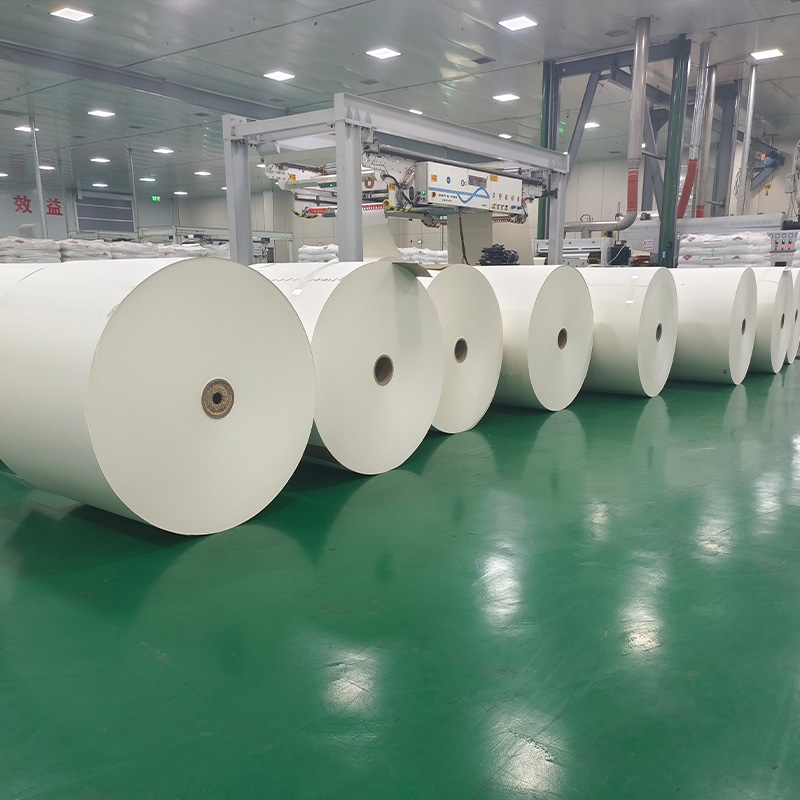


The Extrusion Coating Process and Where Quality Is Won or Lost
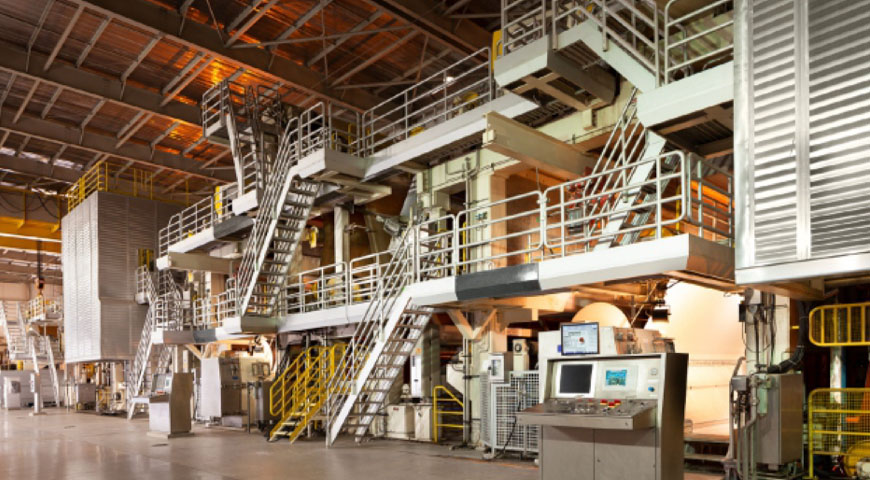
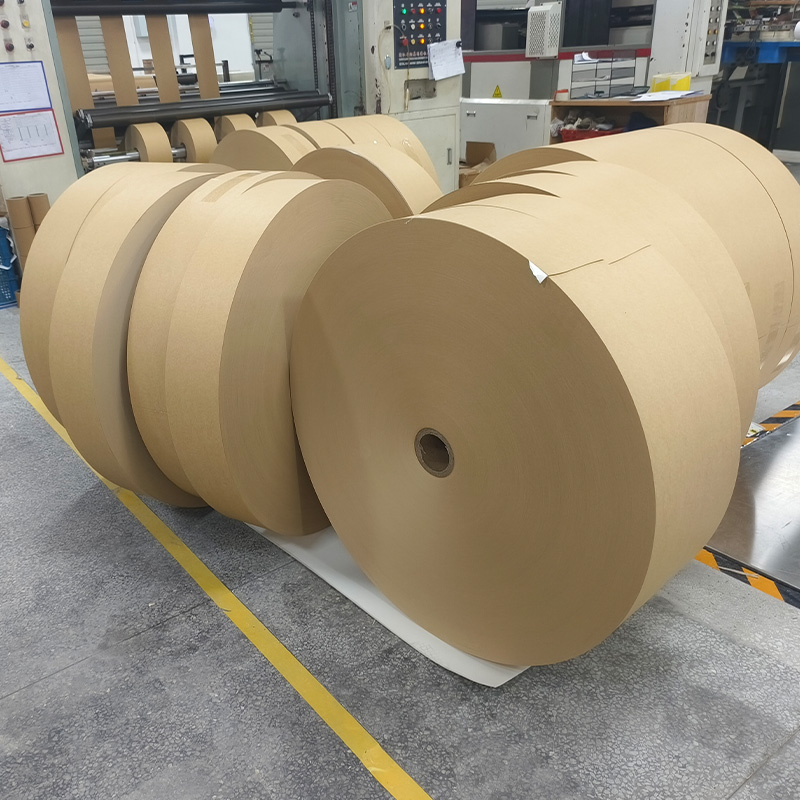
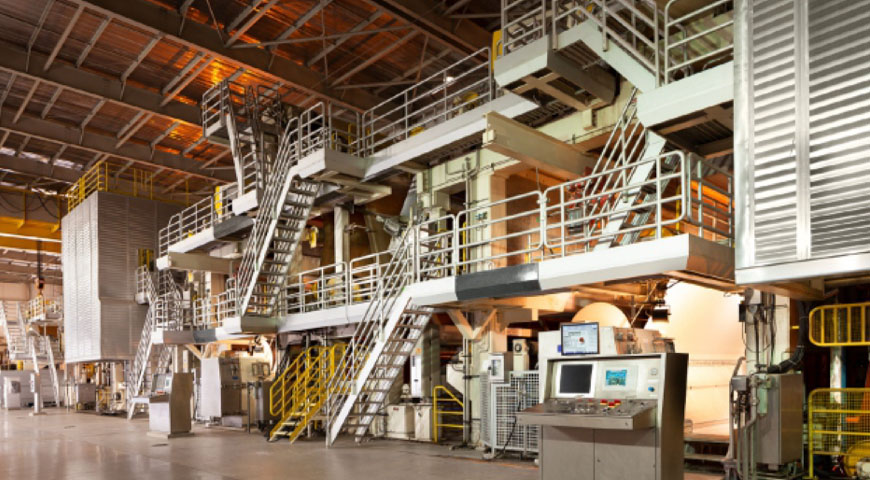
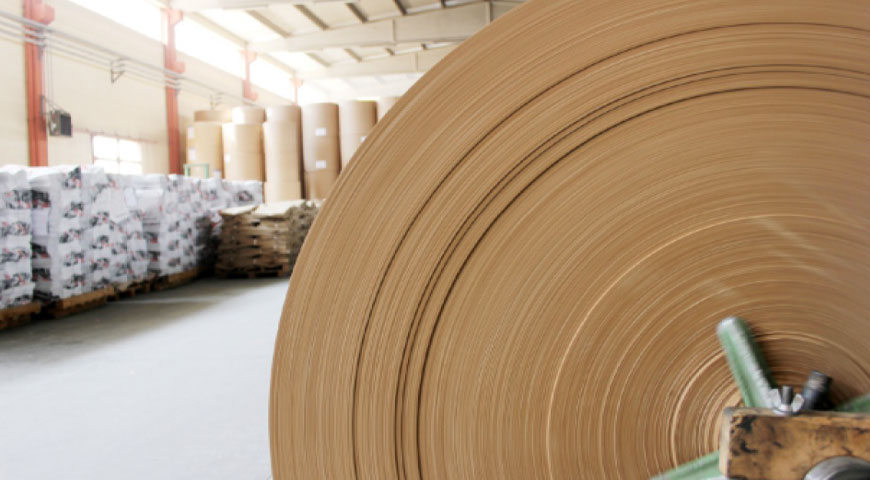
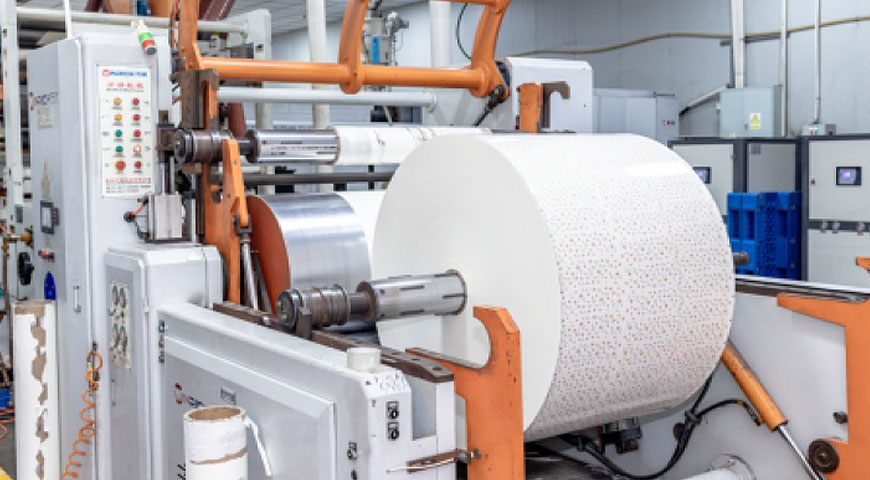
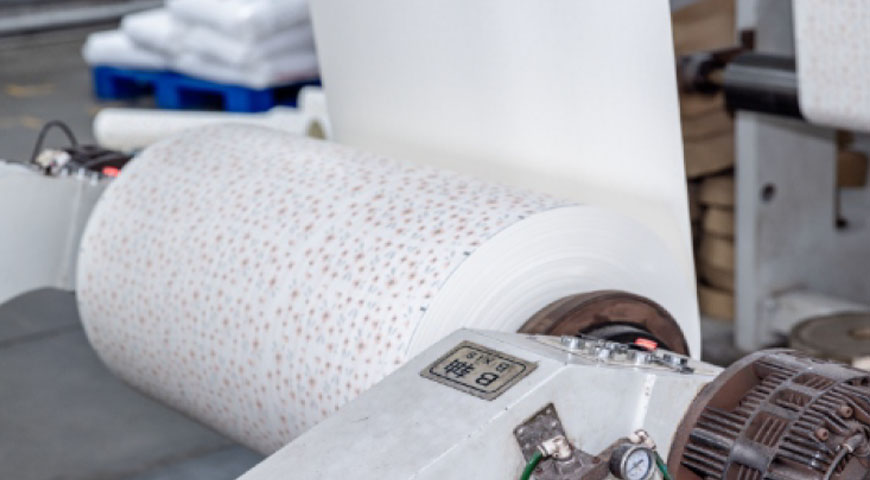
PE coated paper is produced by feeding a base paper roll through an extrusion coating line, where molten polyethylene is cast directly onto the paper surface at temperatures between 280–320°C. The molten PE is pressed against the paper by a chill roll and a pressure roll, which controls both adhesion and surface finish. The entire process happens in a fraction of a second — which means any inconsistency in base paper tension, melt temperature, or line speed produces a defect that is locked into the roll and impossible to correct afterward.
The most consequential quality variables are coat weight uniformity and adhesion strength. Coat weight is typically measured in g/m² across the full web width; a well-run line holds variation to within ±1.5 g/m². Adhesion is tested by peel strength — food-grade PE coated paper should achieve a minimum peel strength of 1.5 N/15mm to survive the thermal and mechanical stress of cup and bowl forming without delamination.
LDPE vs. HDPE Coating: Choosing the Right Grade
Not all PE is the same. The two grades most commonly used in food packaging coatings are low-density polyethylene (LDPE) and high-density polyethylene (HDPE), and they behave very differently on the forming line:
- LDPE is softer and more flexible, with a lower melting point (~110°C). It heat-seals reliably at lower temperatures, making it the default choice for standard cold and hot drink cups. Its flexibility also means it performs well on curved or embossed surfaces.
- HDPE is stiffer, with higher chemical resistance and a melting point closer to 130°C. It is preferred for applications involving oils, fats, or aggressive food acids — such as sauce cups, salad bowls, and certain frozen food packaging formats.
Using LDPE-coated paper in a high-fat food application is a common specification error that leads to coating swelling and eventual barrier failure. Confirming the PE grade with your supplier at the time of inquiry — not after production — avoids costly batch rejections.
Single-Side vs. Double-Side Coating: A Practical Decision Guide
Whether to specify single- or double-side PE coating depends on the end-use environment, not just the liquid content of the product:
| Coating Type | Typical Coat Weight | Best Suited For |
|---|---|---|
| Single-side (inner) | 15–20 g/m² | Dry environments, cold drinks in low humidity |
| Double-side | 15–20 g/m² per side | Iced drinks, tropical climates, condensation-prone applications |
| Heavy single-side | 22–28 g/m² | Hot-fill soups, long-hold hot beverages |
Double-side coating adds material cost and slightly reduces the recyclability of the finished cup, so it should only be specified where condensation or outer-surface moisture exposure is a genuine operational concern.
Food Safety Compliance: What Documentation to Request
PE resin used in food-contact coating must be food-grade — a designation that is not automatic and must be verified by documentation. When sourcing PE coated paper, buyers should request the following at minimum:
- Resin compliance declaration — confirming the PE grade meets FDA 21 CFR §177.1520 (US), EU Regulation 10/2011 (Europe), or GB 9685 (China), depending on the target market.
- Migration test report — overall migration and specific migration limits for any additives present in the resin formulation.
- Heavy metals test — particularly relevant if the coated paper will be printed, as certain pigments can contribute to heavy metal migration through the substrate.
Compliance documentation should be updated whenever the resin supplier or formulation changes. A one-time certificate issued at the start of a supply relationship does not cover subsequent production if the raw material source has shifted — a gap that has caused regulatory problems for more than a few converters during customs inspections in the EU and North America.