







 English
 中文简体
中文简体 Français
 Español
 عربى
عربى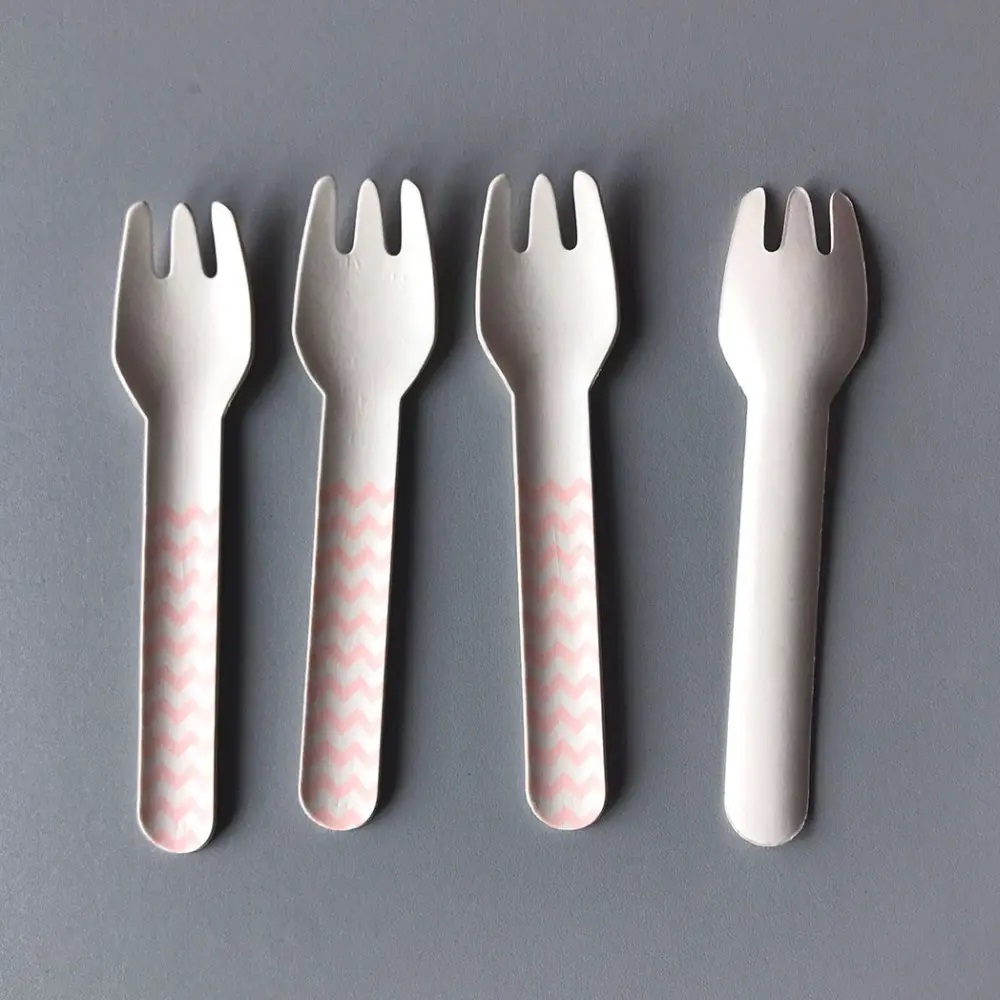







Material Comparison: Which Disposable Fork Is Right for Your Application?
Not all disposable forks are created equal. The material determines everything from heat tolerance and rigidity to compostability and regulatory compliance. Below is a practical breakdown of the most common options:
| Material | Heat Resistance | Rigidity | Compostable | Best For |
|---|---|---|---|---|
| CPLA | Up to 85°C | High | Yes (industrial) | Hot meals, green events |
| PLA | Up to 50°C | Medium | Yes (industrial) | Cold/room-temp foods |
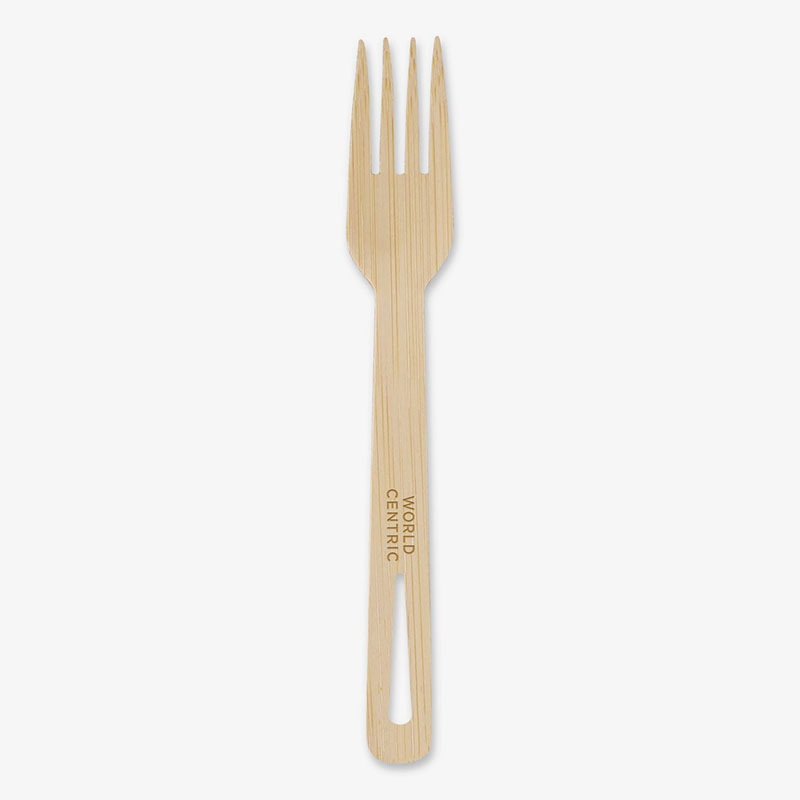
| Bamboo/Wood | Medium | Medium | Yes (home) | Dry or lightly sauced dishes |
| PS (Polystyrene) | Low | High | No | Cold snacks, budget catering |
| PP (Polypropylene) | Up to 120°C | Very High | No | Hot, oily, or heavy foods |
CPLA (crystallized polylactic acid) has emerged as the preferred eco-alternative for hot food service, combining the heat resistance operators need with the compostability that sustainability mandates require. We supply a full range of disposable fork options across these material types to match your exact service scenario.
Global Regulatory Trends Affecting Disposable Fork Procurement
Single-use plastics legislation is reshaping procurement decisions worldwide. Buyers sourcing at scale must navigate an increasingly complex compliance landscape:
- European Union (SUP Directive, 2021): Plastic cutlery — including forks — is banned across all 27 member states. Compliant alternatives must be paper-based, wood, or certified compostable bioplastics.
- United Kingdom: The England single-use plastics ban (October 2023) prohibits the supply of plastic cutlery to businesses. Scotland and Wales enacted similar restrictions earlier.
- United States: No federal ban, but states including California, New York, and Washington have enacted plastic cutlery restrictions, with opt-in distribution models increasingly required.
- China: The 2020 plastic pollution action plan bans non-degradable disposable plastic cutlery in catering services in major cities, with phased national rollout through 2025.
- India: The Plastic Waste Management Rules (amended 2022) prohibit manufacture and import of plastic cutlery below specified thickness thresholds.
For B2B buyers, this means locking in a supplier with a verified sustainable product portfolio is no longer optional — it is a procurement risk management decision. Requesting material certifications (EN 13432, ASTM D6400, or equivalent) at the quoting stage is now standard practice among professional procurement teams.
Tine Count and Geometry: What the Fork Design Actually Tells You
Fork tine (prong) count and geometry are functional specifications, not aesthetic choices. Understanding the design logic helps buyers match the product to the actual food type being served:
- 3-tine forks offer wider spacing, better suited for pasta, rice, or chunky foods where users need to scoop rather than pierce.
- 4-tine forks are the industry standard for general-purpose use — balanced between piercing ability and scooping surface area.
- Longer tines with a narrower gap improve grip on firm or slippery foods such as sausages, firm tofu, or whole cherry tomatoes.
- Shorter, wider tines with a flat base — sometimes called "salad forks" in food service — work better for leafy dishes where a scooping motion dominates.
Handle length also affects usability: most standard disposable forks range from 155 mm to 185 mm, with longer handles preferred in airline or tray-service contexts where the user's hand is partially blocked. Specifying tine geometry in your RFQ avoids the common issue of receiving a technically compliant product that creates a poor end-user experience.
Packaging Formats and MOQ Considerations for Bulk Buyers
Disposable cutlery is typically offered in three packaging configurations, each with distinct cost and logistics implications:
- Bulk/loose pack: Highest unit count per carton, lowest per-unit cost. Requires downstream sorting or dispensing infrastructure at the buyer's end. Common for high-volume canteens and stadium operations.
- Individually wrapped: Each fork heat-sealed in a paper or polybag sleeve. Preferred in airline catering, hotels, and hygiene-sensitive environments. Adds 15–30% to unit cost but eliminates contamination risk and simplifies portion control.
- Cutlery kits: Fork, knife, and spoon — sometimes with napkin and salt/pepper — pre-bundled. Widely used in delivery packaging and take-out contexts where per-order assembly is impractical.
For import buyers, standard MOQs from Chinese manufacturers typically start at 50,000–100,000 pieces per SKU for bulk formats, with higher thresholds for custom-printed or individually wrapped variants. Lead times generally run 25–45 days from order confirmation, depending on material availability and vessel scheduling. Our disposable fork range is available across all three formats with flexible customization options to meet brand and compliance requirements.
Food Safety Certifications to Request When Sourcing Disposable Forks
Cutlery makes direct contact with food and the user's mouth, making certification documentation a non-negotiable part of supplier qualification. The most relevant certifications vary by destination market:
- FDA (USA): Confirms materials comply with 21 CFR food contact regulations. Required for US import and food service supply chains.
- EU Food Contact (EC 1935/2004 + material-specific regulations): Governs all food contact materials in the EU. Suppliers should provide a Declaration of Compliance (DoC) and supporting migration test reports.
- LFGB (Germany): Stricter than baseline EU requirements; often requested by German retail buyers as a quality signal even when not legally mandated.
- EN 13432 / ASTM D6400: Compostability standards for bioplastic products. Required to substantiate "compostable" labeling claims in the EU and many US jurisdictions.
- FSC / PEFC: Relevant for wood and bamboo forks to verify sustainably sourced raw materials — increasingly demanded by corporate ESG procurement policies.
Requesting test reports rather than just certificates is best practice; test reports include migration data and expiry dates that certificates alone do not convey. A supplier unable or unwilling to provide underlying test documentation is a due-diligence red flag regardless of the certifications listed in their marketing materials.