







 English
 中文简体
中文简体 Français
 Español
 عربى
عربى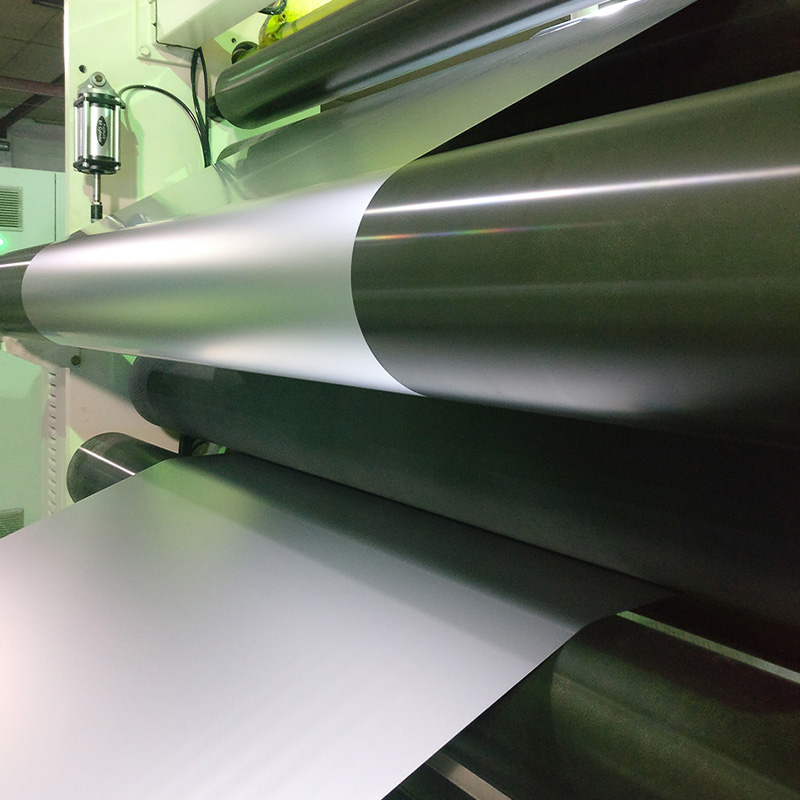



How Lamination Layer Count Affects Barrier Performance
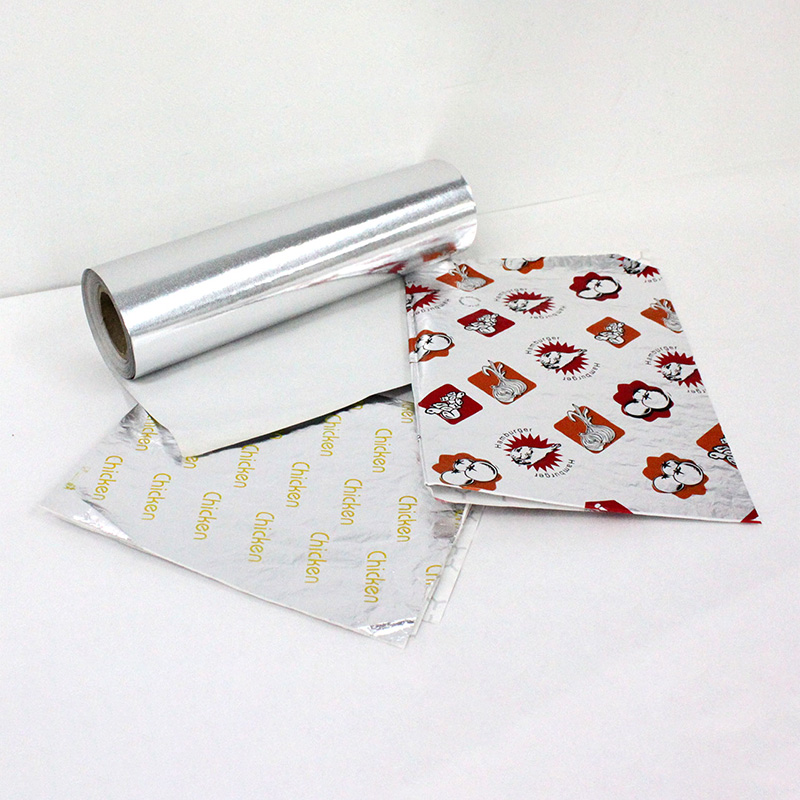
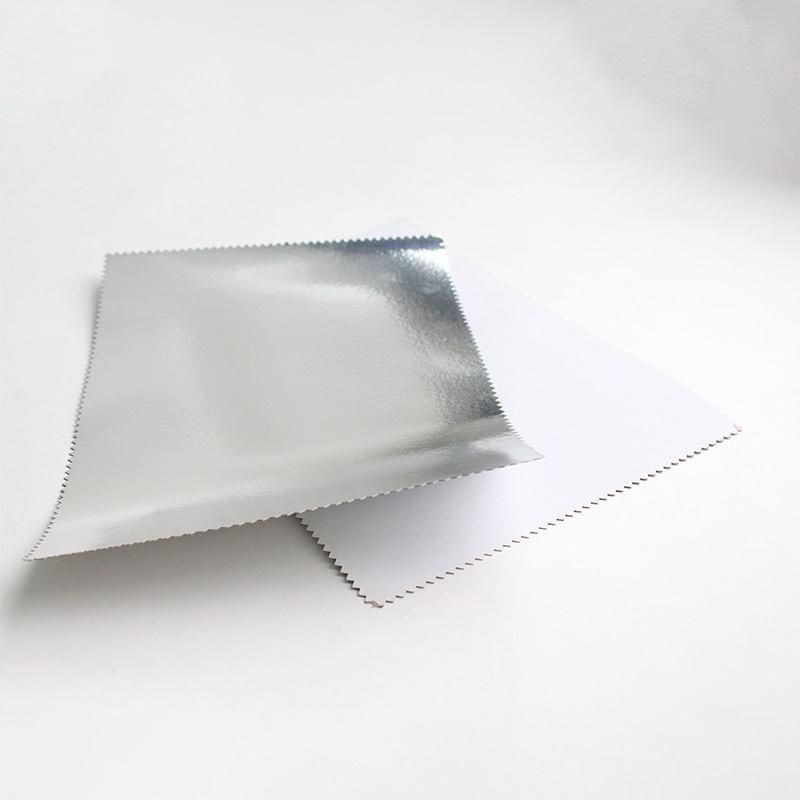
Not all aluminum foil laminated papers are built the same. The number of lamination layers directly determines how well the material resists moisture, oxygen, grease, and light. A basic single-layer structure may suffice for dry goods with short shelf lives, but multi-layer constructions — typically combining aluminum foil with PE film, kraft paper, or PET — are engineered for demanding food packaging environments where product integrity over extended periods is non-negotiable.
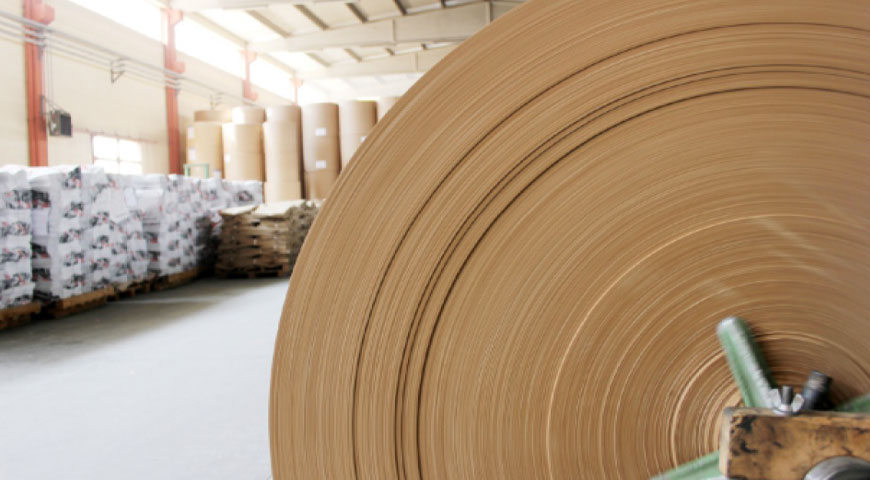
In practice, three-layer and five-layer configurations are most common in food-grade applications. A typical five-layer stack might read: PE / Al foil / adhesive / kraft paper / PE. Each layer contributes a distinct function: the aluminum blocks light and gases, the PE layers seal and protect against moisture, and the kraft paper provides structural rigidity. Removing even one layer from this hierarchy can meaningfully reduce the material's overall barrier index.
At Hangzhou Renmin Eco-tech Co., Ltd., founded in 2004 and based in Hangzhou, Zhejiang, the development of multi-layers aluminum foil laminated paper has been guided by this layered engineering logic — ensuring each structural combination is matched to a specific packaging end-use scenario.
Aluminum Foil Thickness Standards and What They Mean for Packaging
Aluminum foil used in laminated structures typically ranges from 6 to 12 microns in thickness. The choice of gauge is not arbitrary — it reflects a careful trade-off between cost, formability, and barrier efficiency.
- 6–7 μm foil: Cost-effective, suitable for dry snacks and confectionery where moderate barrier is acceptable. Pin-hole risk is slightly higher.
- 9 μm foil: The industry standard for most food-grade laminated papers. Balances cost and performance for coffee pouches, sachets, and takeaway wrapping.
- 12 μm foil: Preferred for high-moisture or high-fat products, pharmaceutical blister packaging, and applications requiring superior puncture resistance.
Pin-hole density — measured in holes per square meter — is a critical quality metric for foil laminates. Thinner foils are more susceptible to micro-pinholes during rolling and lamination, which can create invisible pathways for oxygen and moisture. Reputable manufacturers conduct pin-hole testing as a standard quality control step before any food-contact certification is issued.
Eco-Friendly Directions in Aluminum Foil Laminated Paper
The packaging industry's push toward sustainability has placed traditional aluminum foil laminates under scrutiny. Because multi-material structures are difficult to separate at the end of their life, they have historically been classified as non-recyclable. This is changing on two fronts: material design and waste stream infrastructure.
On the material side, manufacturers are developing mono-material-adjacent designs that reduce layer count without sacrificing performance — for instance, replacing conventional adhesives with water-based or solvent-free alternatives that simplify delamination during recycling. Some lines now incorporate recycled aluminum content (post-industrial scrap) at foil thicknesses of 9 μm and above without measurable loss of barrier integrity.
As a research, development, and sales company specializing in eco-friendly paper packaging solutions, Hangzhou Renmin Eco-tech Co., Ltd. has incorporated sustainability considerations into its laminated paper product development since its early years — reflecting a broader industry shift toward materials that meet both performance and environmental accountability standards. Their multi-layers aluminum foil laminated paper line is developed within this framework.
Key Application Scenarios and Layer Selection Logic
Choosing the right laminate structure requires mapping the product's risk profile to the material's performance characteristics. The table below summarizes common food packaging applications and their typical structural requirements:
| Application | Key Risk Factor | Recommended Layer Count | Foil Gauge |
|---|---|---|---|
| Coffee & tea pouches | Oxygen / aroma loss | 5-layer | 9 μm |
| Takeaway food wrapping | Grease / moisture | 3-layer | 6–9 μm |
| Frozen food packaging | Moisture / temperature shock | 5–7-layer | 12 μm |
| Confectionery wrappers | Light / humidity | 3-layer | 6–7 μm |
Beyond food contact, laminated foil papers are also used in pharmaceutical blister backing, insulation facings, and specialty industrial wrapping — each demanding its own combination of tensile strength, heat-seal behavior, and chemical compatibility. Layer selection is therefore not a catalog choice but an engineering decision driven by product chemistry, logistics conditions, and shelf life targets.