

 English
 中文简体
中文简体 Français
 Español
 عربى
عربى
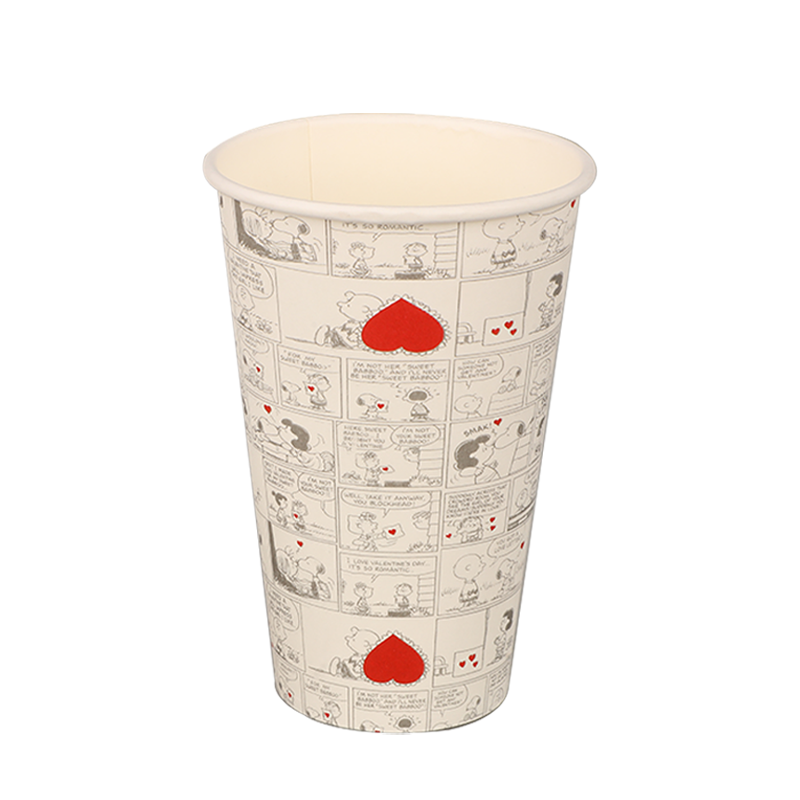

What Makes a Hot Paper Cup Truly Recyclable
Not all paper cups labeled "eco-friendly" can actually be recycled. The distinction lies in the lining. Conventional hot paper cups are coated with polyethylene (PE) plastic to create a moisture barrier — but this PE layer is bonded tightly to the paper fiber, making separation at recycling facilities difficult or impossible. As a result, most standard hot cups end up in landfills even when consumers toss them into recycling bins.
Recyclable hot paper cups address this by replacing or modifying the liner with materials that are compatible with existing paper recycling streams — such as water-based coatings, plant-based PLA liners, or dispersion-coated alternatives. These linings either dissolve in the pulping process or separate cleanly, allowing the paper fiber to be recovered and reused. The key test is whether the cup is accepted by standard MRFs (Materials Recovery Facilities), not just theoretically recyclable in ideal lab conditions.
At Hangzhou Renmin Eco-tech Co., Ltd., we engineer our cup materials with this real-world recyclability in mind — ensuring the liners we use pass practical recycling compatibility standards, not just marketing claims.
Heat Resistance vs. Recyclability: Understanding the Trade-off
One of the persistent challenges in sustainable cup design is that the properties which make a cup heat-resistant — barrier coatings, multilayer laminates — have historically been the same properties that make it non-recyclable. Achieving both in a single cup requires careful material science.
The performance benchmarks for a functional hot beverage cup include:
- Thermal stability up to at least 90–95°C without deformation or leaching
- Moisture barrier sufficient to prevent sogginess over a typical 30–60 minute consumption window
- Structural rigidity under handling pressure without cracking seams or warping sidewalls
- Food-safe compliance with FDA, EU 10/2011, or equivalent standards for direct food contact
Modern recyclable cup technologies — particularly aqueous dispersion coatings applied at controlled GSM (grams per square meter) weights — have demonstrated the ability to meet all four benchmarks while remaining compatible with fiber recycling. This closes the long-standing gap between performance and sustainability in single-use hot cup design.
Comparing Cup Liner Technologies: A Practical Overview
Buyers sourcing hot paper cups for commercial or institutional use often encounter multiple liner types on the market. Understanding the differences helps in making informed procurement decisions — especially when sustainability certifications or waste management policies are involved.
| Liner Type | Recyclability | Compostability | Heat Resistance | Cost Index |
|---|---|---|---|---|
| Standard PE Coating | Low | No | High | Low |
| PLA (Polylactic Acid) Liner | Limited | Industrial only | Moderate | Medium |
| Aqueous / Dispersion Coating | High | Varies | High | Medium–High |
| Double-Wall (no liner upgrade) | Low | No | Very High | High |
Note that PLA liners, despite being plant-derived, are frequently misunderstood as recyclable — they require industrial composting facilities operating above 58°C to break down and are not accepted in most curbside recycling or composting programs. Aqueous dispersion coatings currently represent the most viable path to mainstream recyclability for hot paper cups at commercial scale.
Sizing Standards and Volume Specifications for Commercial Buyers
Foodservice operators sourcing recyclable hot paper cups in bulk need to align cup sizing with their menu, equipment, and lid compatibility. Industry sizing conventions vary slightly by region but generally follow these standard ranges:
- 4 oz / 120 ml — Espresso and sample sizes; common in specialty coffee shops
- 8 oz / 240 ml — Standard small; fits most espresso-based drinks with steamed milk
- 12 oz / 360 ml — Medium; the most widely sold size globally for drip coffee and lattes
- 16 oz / 480 ml — Large; standard in North American QSR (quick-service restaurant) formats
- 20–24 oz / 600–720 ml — Extra-large; common for convenience store self-serve stations
Beyond volume, procurement teams should verify rim diameter compatibility with existing lid stock — a mismatch of even 1–2mm can cause lid pop-off or liquid spillage. Cup height also matters for counter display racks and sleeve fit. OEM/ODM buyers working with Hangzhou Renmin Eco-tech Co., Ltd. can specify custom diameters, heights, and print specifications to ensure seamless integration with existing serving equipment.
GSM and Paper Weight: How Base Paper Quality Affects Cup Performance
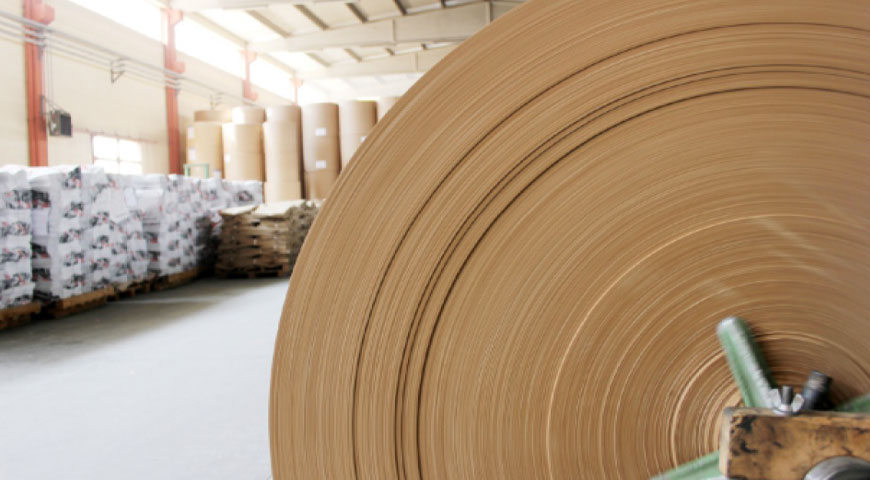
The structural integrity of a hot paper cup depends significantly on the grammage (GSM — grams per square meter) of the base paper used in manufacturing. Higher GSM papers provide greater rigidity and insulation, while lower GSM papers reduce material cost but may compromise performance with very hot liquids.
Typical GSM ranges for hot cup base papers:
- 170–190 GSM: Lightweight single-wall cups suitable for short-hold applications (takeaway windows, vending)
- 200–230 GSM: Standard single-wall commercial cups balancing cost and performance
- 250–300+ GSM: Premium or double-wall cups for extended heat retention and ergonomic comfort
For recyclable cups specifically, paper quality is doubly important: higher-quality virgin or certified recycled fiber base papers yield better fiber recovery during the recycling process, making the end-of-life performance of the cup more predictable. Buyers evaluating suppliers should request fiber certification details (FSC, PEFC, or equivalent) alongside technical data sheets on GSM and coating weights.
Certifications and Compliance Standards to Verify Before Sourcing
When procuring hot paper cups for markets in North America, Europe, Japan, or Australia, compliance with the following standards is typically expected or legally required:
- FDA 21 CFR — US food contact material regulations covering paper and coatings in direct contact with food and beverages
- EU Regulation 10/2011 — European standards for plastic materials in contact with food (relevant for PE or PLA liners)
- FSC / PEFC Certification — Chain-of-custody certification ensuring paper fiber is sourced from responsibly managed forests
- ISO 9001 / ISO 14001 — Quality management and environmental management system certifications at the manufacturing level
- PFAS-Free Declaration — Increasingly required in EU and several US states; confirms absence of per- and polyfluoroalkyl substances in coatings
- BPI / DIN CERTCO Compostability — Required if cups are marketed as compostable in addition to recyclable
Hangzhou Renmin Eco-tech Co., Ltd. holds ISO 9001:2008 and ISO 14001:2004 certifications, reflecting our commitment to both production quality and environmental responsibility. Buyers are encouraged to request full compliance documentation — including migration test reports and coating material safety data sheets — from any supplier during due diligence, regardless of geography.