

 English
 中文简体
中文简体 Français
 Español
 عربى
عربى
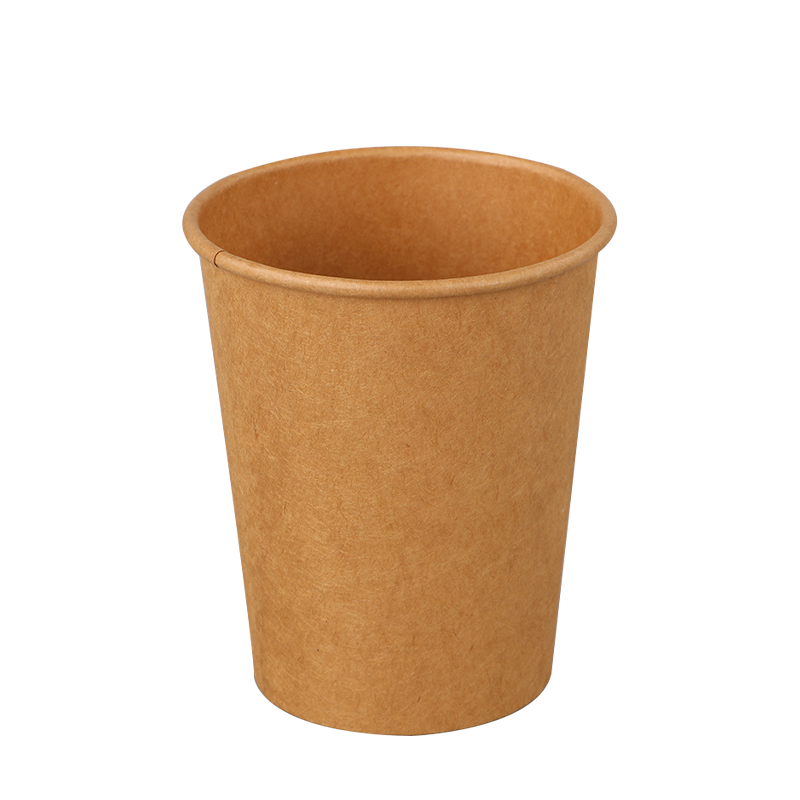
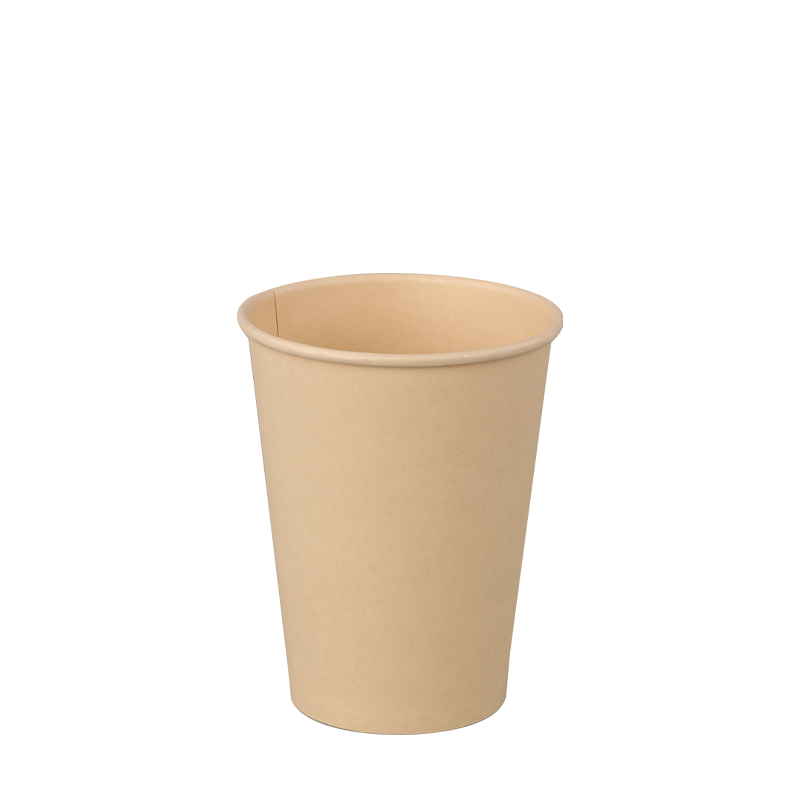


PE vs. PLA Coating: What's the Real Difference for Hot Beverage Cups?
The inner coating of a hot paper cup plays a decisive role in its performance, yet it's one of the most overlooked factors when buyers evaluate suppliers. Both PE (polyethylene) and PLA (polylactic acid) coatings serve the same primary function—preventing liquid from seeping into the paper—but their properties diverge significantly.
PE coating has been the industry standard for decades. It bonds reliably with wood pulp paper, withstands temperatures up to around 85–90°C, and offers excellent moisture barriers at a lower cost. However, PE is petroleum-derived, which complicates end-of-life recyclability—most recycling facilities cannot easily separate the PE film from the paper fiber.
PLA coating, derived from corn starch or sugarcane, is industrially compostable and increasingly demanded in European and North American markets where sustainability mandates are tightening. Its heat tolerance is slightly lower (typically up to 80°C in liquid contact), which matters for serving beverages like freshly brewed espresso or boiling water. PLA-coated cups require certified industrial composting facilities to break down properly—home composting is generally insufficient.
| Property | PE Coating | PLA Coating |
|---|---|---|
| Raw material | Petroleum-based | Plant-based (corn/sugarcane) |
| Heat resistance (liquid contact) | Up to ~90°C | Up to ~80°C |
| End-of-life | Difficult to recycle | Industrially compostable |
| Unit cost | Lower | Higher (~15–30% premium) |
| Market demand growth | Stable | Rapidly increasing |
For buyers sourcing at scale, the choice often comes down to destination market regulations and end-consumer expectations, not just unit economics.
Gsm and Caliper: How Paper Weight Affects Cup Performance
Paper cup performance under heat is largely governed by the base paper's grammage (gsm) and caliper (thickness). Most single-wall coffee paper cups in the 8–12oz range are manufactured from board in the 190–260 gsm range, while double-wall constructions may use lighter individual plies (typically 160–200 gsm each) to achieve rigidity through the air-gap structure.
Higher gsm does not automatically mean better performance. Key considerations include:
- Stiffness vs. weight: Cups with tightly packed, high-caliper board resist side-wall buckling under sustained heat better than lower-weight alternatives—important for milk tea and freshly brewed coffee held for 10+ minutes.
- Printing consistency: Boards with uniform formation (even fiber distribution) yield better ink adhesion and color fidelity for branded cups.
- Moisture resistance of the outer ply: Even with an inner PE or PLA coating, the outer surface of the paper must resist ambient condensation without losing structural integrity—a function of both base paper quality and the surface treatment applied.
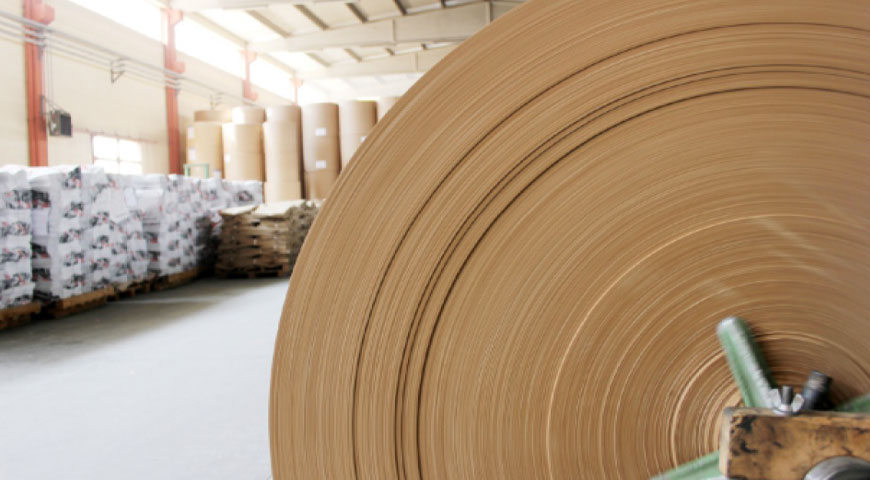
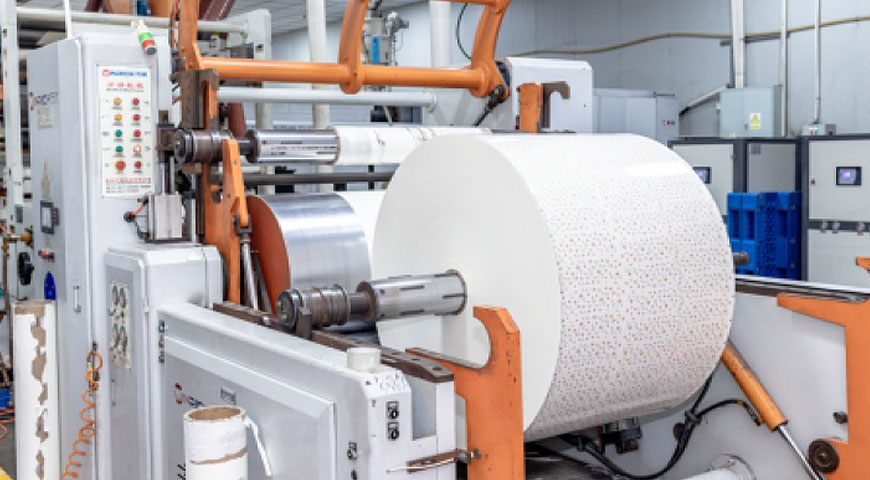
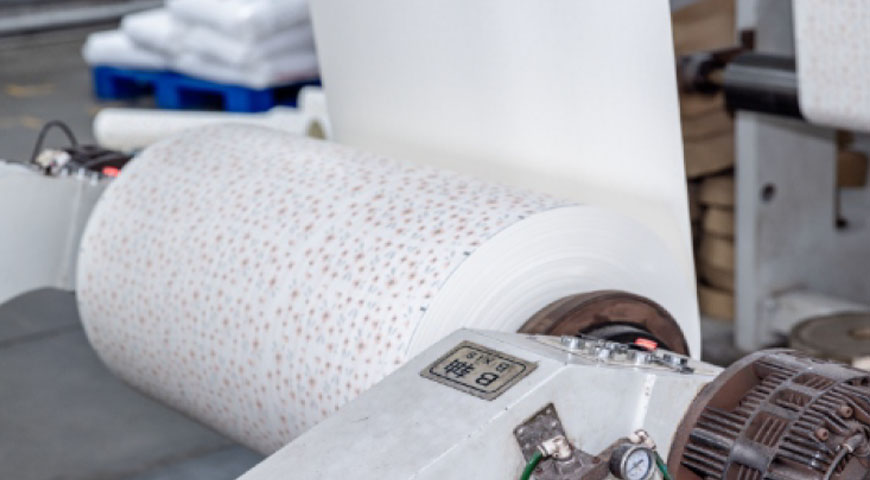
At Hangzhou Renmin Eco-tech Co., Ltd., our base paper rolls and PE coated paper rolls are produced with consistent grammage tolerances, supplying cup manufacturers who require predictable converting performance across high-volume runs.
Single-Wall, Double-Wall, and Ripple-Wall: Choosing the Right Construction
Wall construction is the most tangible differentiator in the hot paper cup category, directly affecting insulation, hand comfort, and cost per unit.
Single-Wall Cups
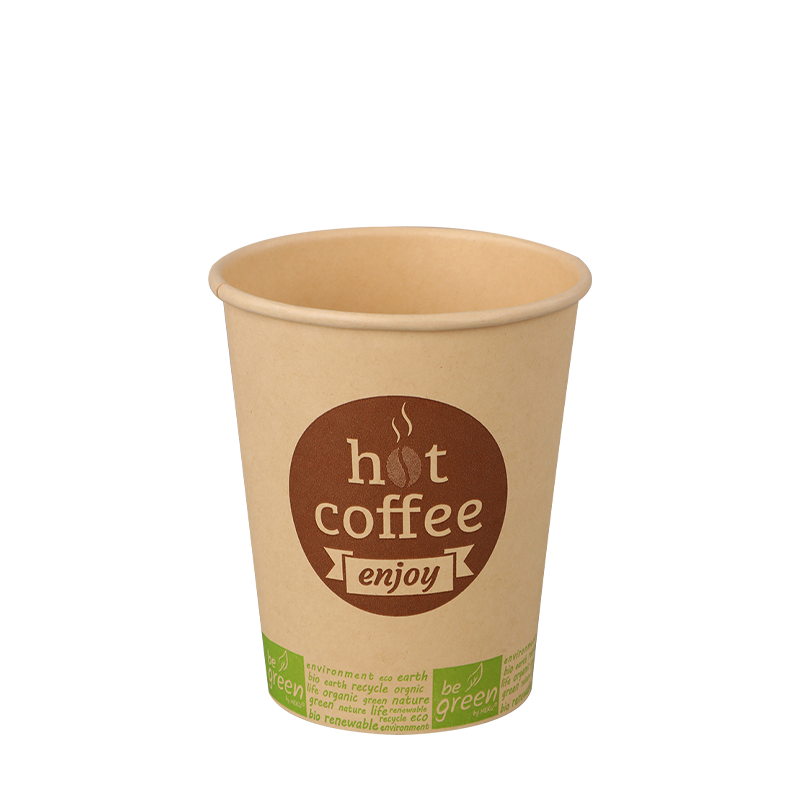
The simplest and most cost-effective format. A single layer of coated paperboard forms the cup body. Suitable for scenarios where a sleeve or secondary insulation is provided, or where beverages are consumed quickly (e.g., convenience store counter service). Not recommended for high-temperature drinks held for extended periods without a sleeve.
Double-Wall Cups
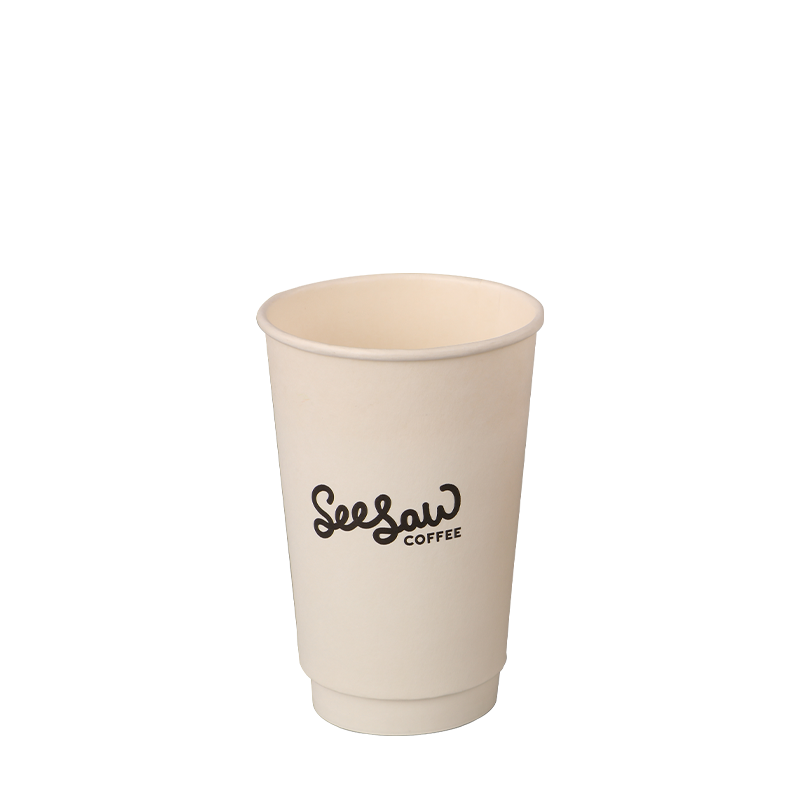
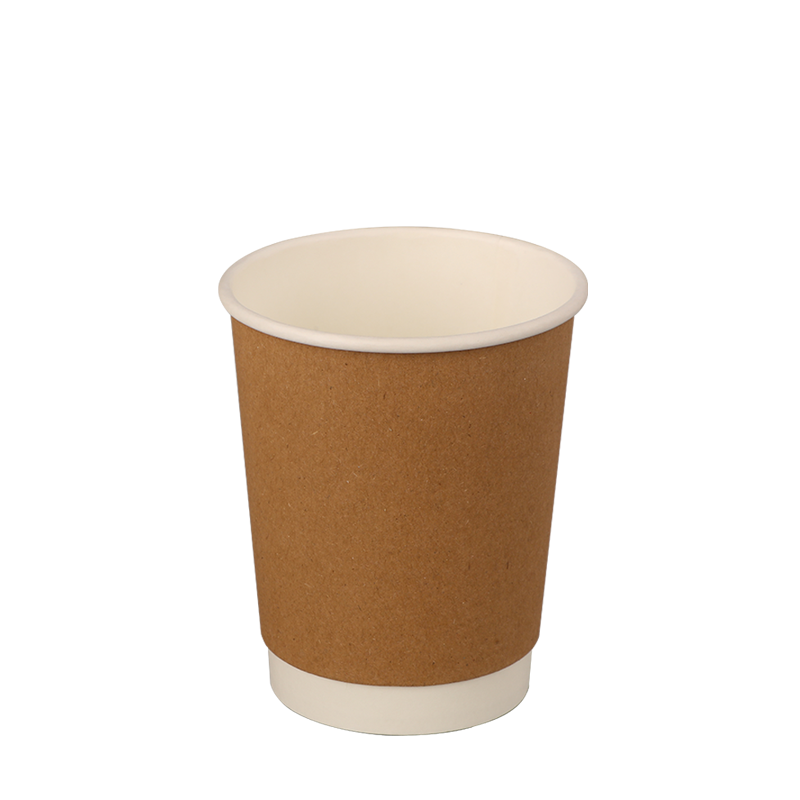
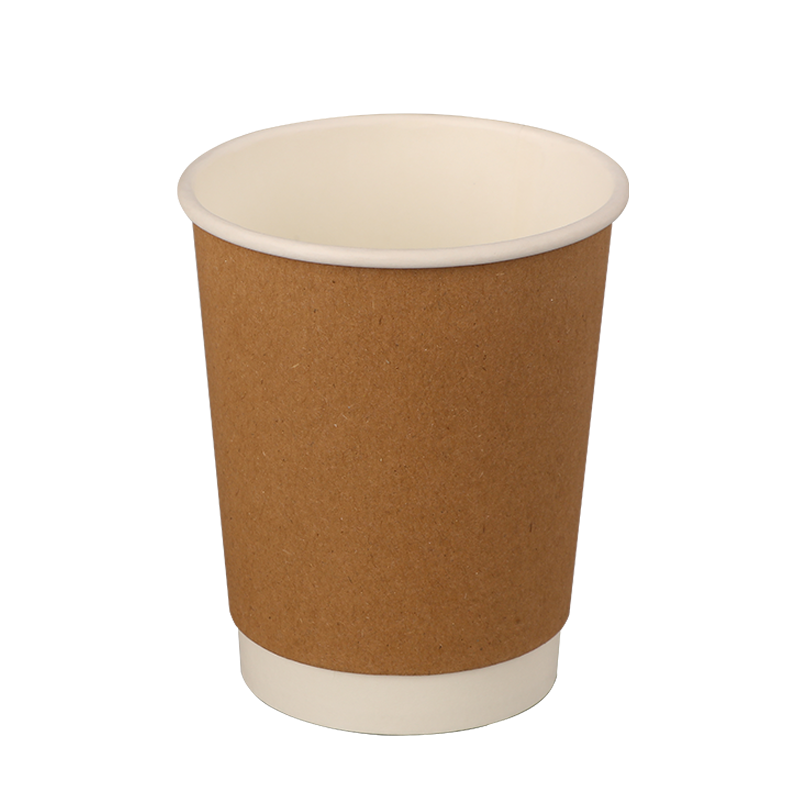
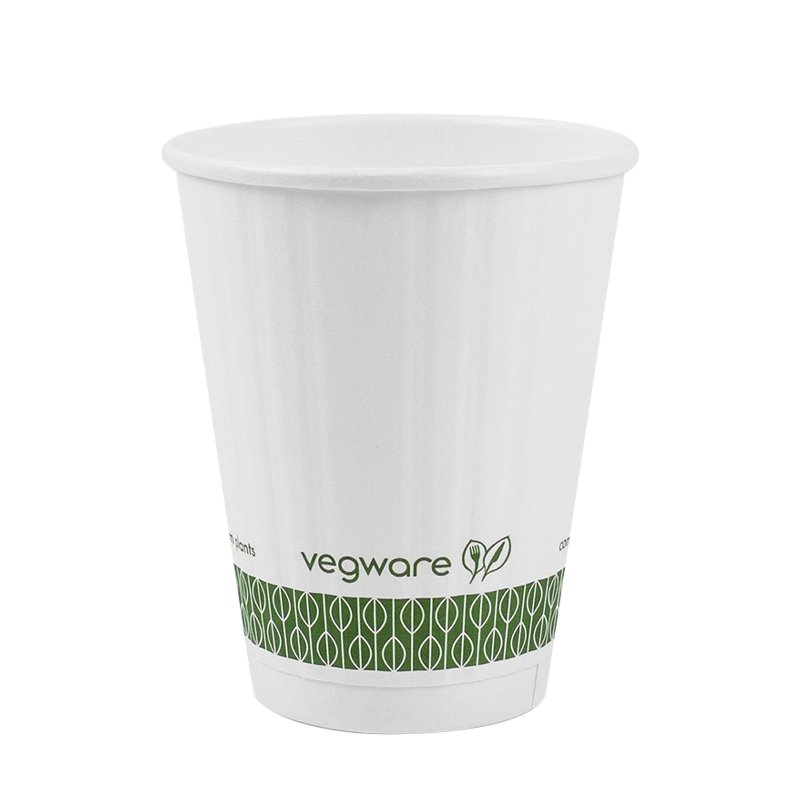
Two plies of paperboard are bonded together with an air gap between them, providing meaningful thermal insulation. The outer wall remains significantly cooler than the inner wall, eliminating the need for a sleeve in most use cases. Double-wall cups typically cost 20–40% more than single-wall equivalents but reduce accessory costs and improve the consumer experience—popular in specialty coffee shops and premium food service.
Ripple-Wall Cups
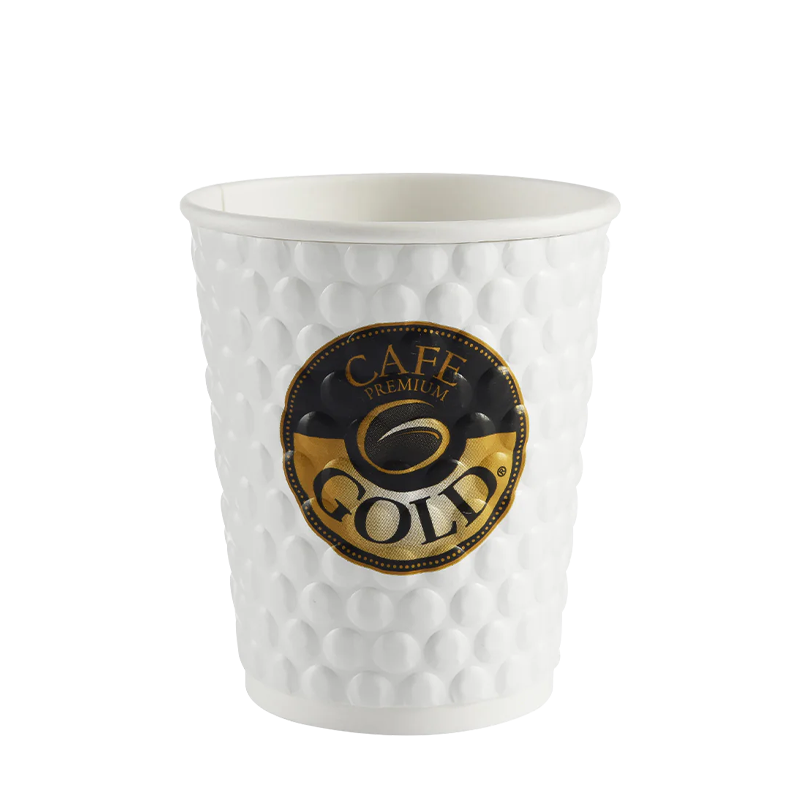
A corrugated middle layer is sandwiched between two paper layers or bonded to the exterior. The textured outer surface creates an insulating air pocket and a tactile grip, making it a popular choice for artisan coffee brands and specialty beverage retailers. Ripple-wall cups tend to have slightly lower stacking density, which increases shipping costs per unit—a trade-off worth quantifying for high-volume buyers.
Lid Compatibility and Sealing Standards Across Key Markets
A paper cup for hot drinks is only as leak-proof as the lid system it's paired with. Lid-to-cup compatibility is determined by rim diameter and the curl profile of the cup's top edge—two variables that are not universally standardized across manufacturers.
The most common rim diameter standards for hot cups in global markets are:
- 79mm – widely used for 8oz and 10oz cups across North America, Southeast Asia, and China
- 80mm – common in European markets and some Middle Eastern chains
- 90mm – frequently used for 12oz and 16oz formats across takeaway and delivery channels
Buyers who source cups and lids from different suppliers should request physical fit samples before committing to production quantities. A 1mm mismatch in rim diameter or curl depth can cause lids to pop off under slight pressure—a field failure that generates returns and damages brand reputation. For export orders destined for the US or EU, buyers should also verify that lid materials comply with FDA 21 CFR or EU 10/2011 food contact regulations respectively.
Printing on Hot Cup Surfaces: Flexo, Offset, and Digital Compared
Custom printing is central to the commercial value of branded coffee paper cups. Three printing methods dominate the market, each with distinct strengths depending on order volume, design complexity, and lead time requirements.
| Method | Minimum Order | Color Accuracy | Best For |
|---|---|---|---|
| Flexographic | 50,000–100,000 pcs | Good (spot colors excel) | High-volume chain orders |
| Offset (pre-print) | 20,000–50,000 pcs | Excellent (CMYK + PMS) | Premium branding, gradients |
| Digital | 500–5,000 pcs | Very good | Sampling, seasonal runs, SMEs |
One technical constraint specific to hot cups: printing inks must be food-safe and heat-stable. Inks applied to the outer surface of a cup holding 70–90°C liquid must not transfer volatile compounds or migrate through the paper structure. Buyers should request ink safety data sheets (SDS) and verify compliance with applicable food contact standards for their target market before approving print proofs.
Sustainable Procurement: What Certifications Actually Signal for Hot Cup Buyers
Environmental claims in the disposable cup category range from rigorously verified to purely marketing-driven. For procurement teams and brand owners sourcing paper cups for hot drinks at volume, understanding which certifications carry genuine weight is essential.
- FSC (Forest Stewardship Council): Certifies that the paper fiber originates from responsibly managed forests. This is chain-of-custody verified and auditable—one of the most meaningful claims a supplier can make regarding raw material sourcing.
- ISO 9001 / ISO 14001: Quality and environmental management system certifications. These speak to process discipline and environmental governance at the manufacturing level rather than the material properties of the product itself. Hangzhou Renmin Eco-tech Co., Ltd. holds both ISO 9001:2008 and ISO 14001:2004 certifications, reflecting our commitment to consistent quality output and responsible production practices.
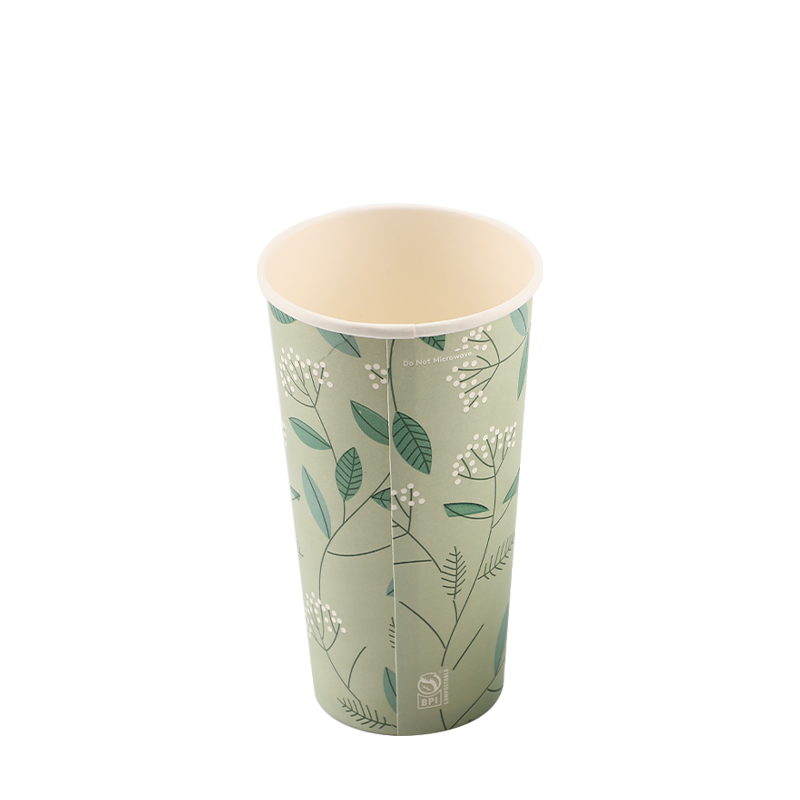
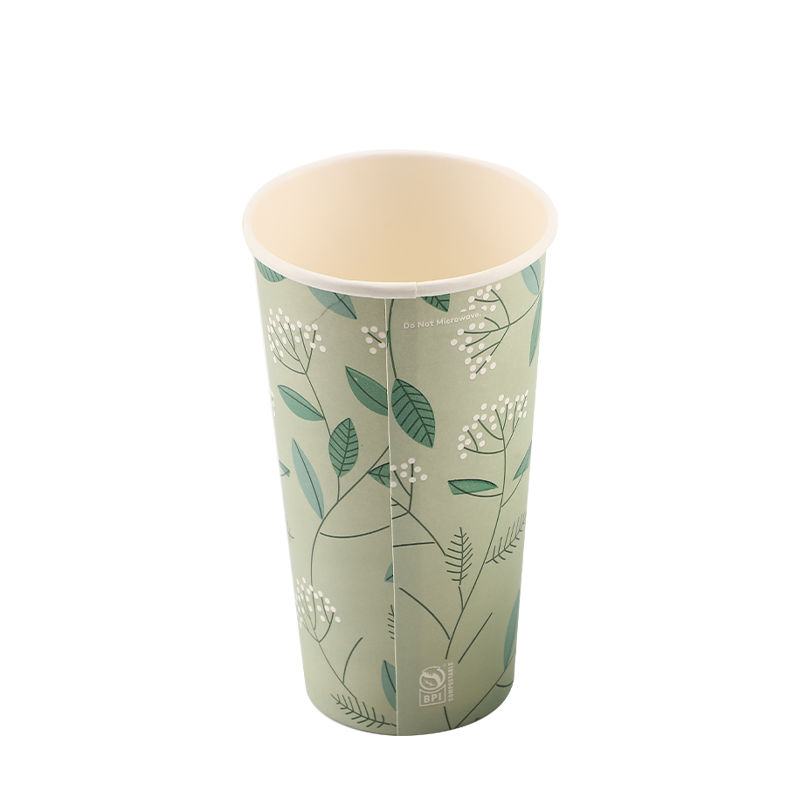
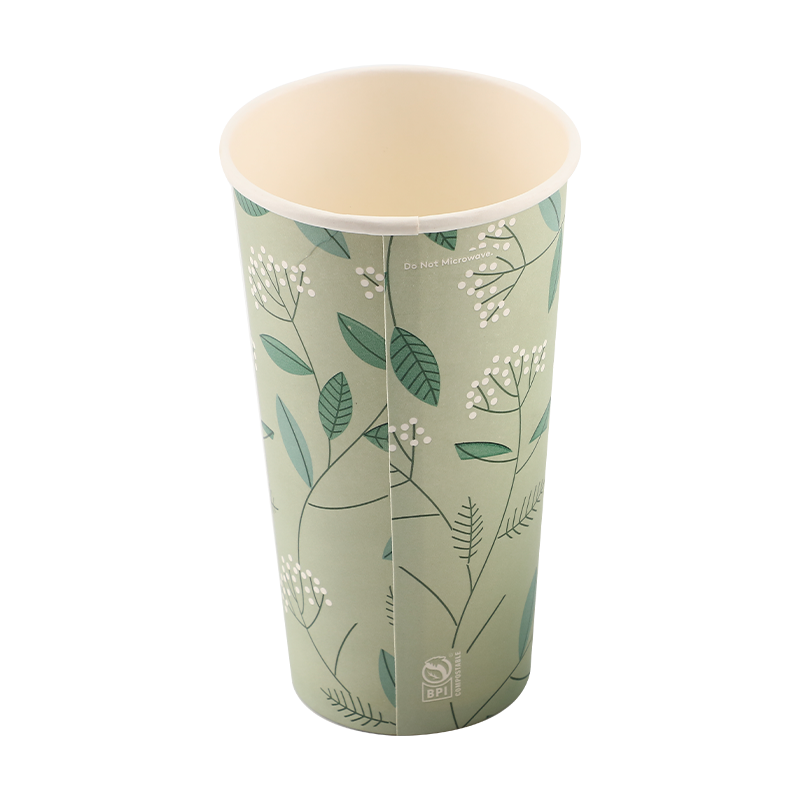
- BPI / DIN CERTCO (compostability): Third-party verification that a cup or coating meets industrial compostability standards (ASTM D6400 in the US, EN 13432 in Europe). Critical for buyers making compostability claims to end consumers.
- "Eco-friendly" without certification: This label alone—without backing documentation—is not actionable for compliance or marketing purposes in regulated markets. Always request the underlying test reports or certification numbers.
As single-use plastic regulations expand across the EU, UK, and parts of Asia-Pacific, buyers who establish certified sustainable supply chains now will be better positioned to avoid sourcing disruptions in the next 3–5 years.