

 English
 中文简体
中文简体 Français
 Español
 عربى
عربى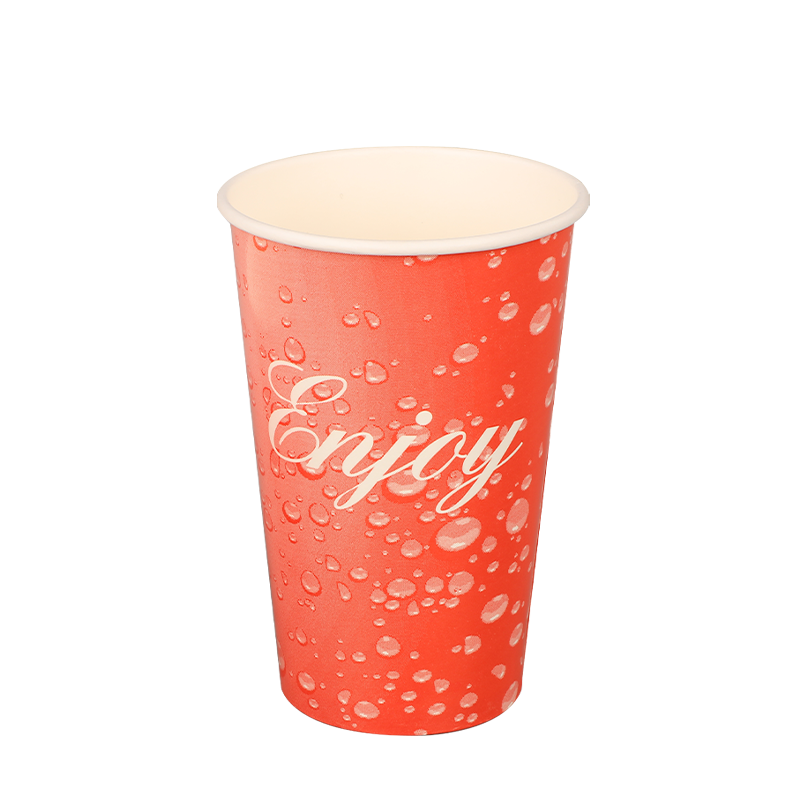
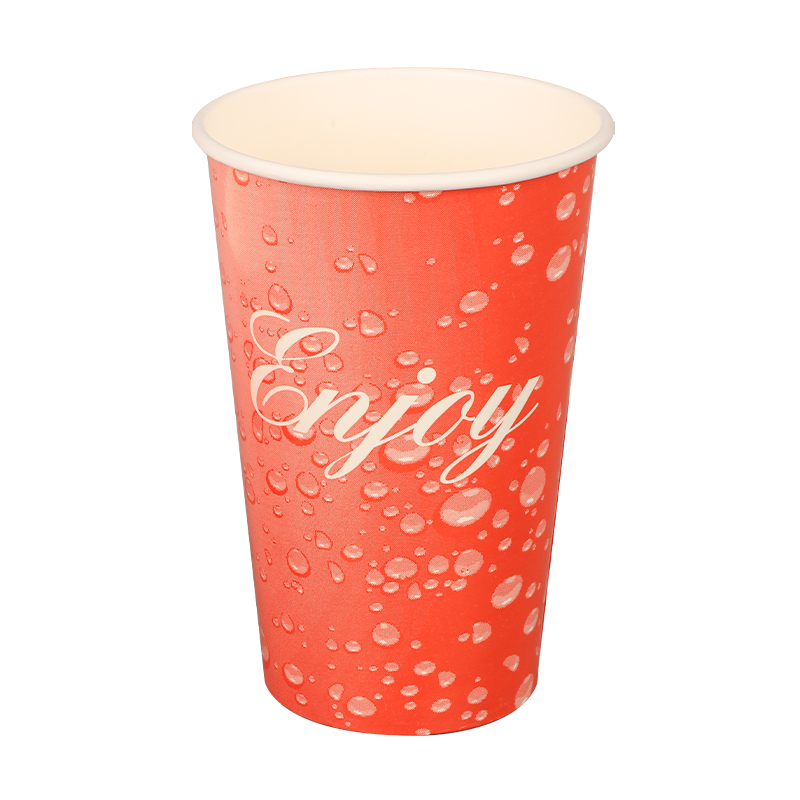


PE vs. PLA Lining: Choosing the Right Cold Cup Coating
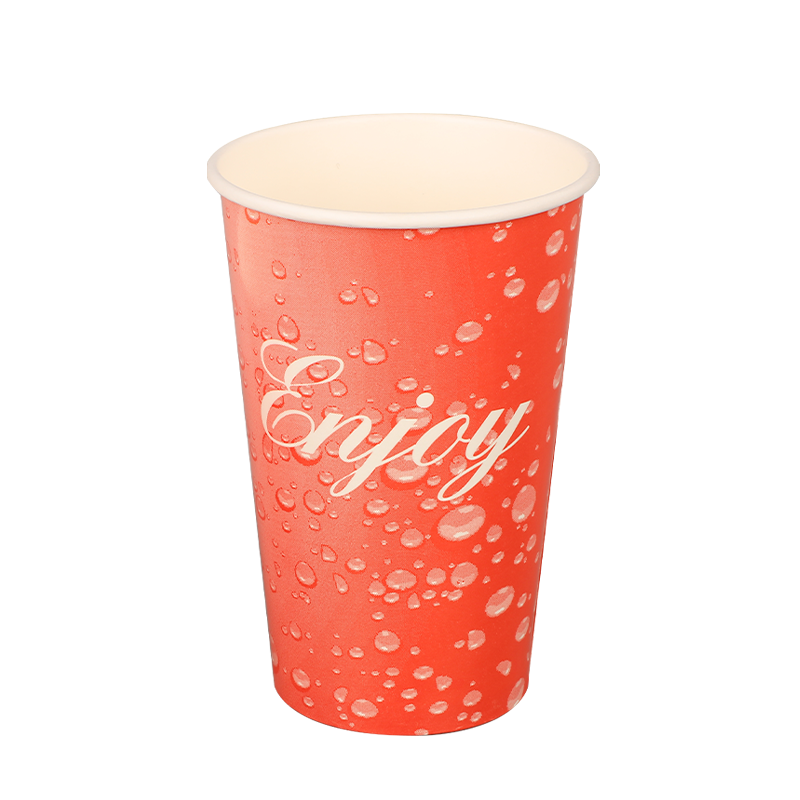
The inner lining of a cold drinking cup determines its performance under condensation, extended hold times, and varying beverage acidity. There are two dominant options on the market today:
- PE (Polyethylene) Coating — A petroleum-based plastic film fused to the paper substrate. It provides excellent moisture resistance, a tight seal, and a lower unit cost. PE-lined cups are the industry standard for high-volume operations such as fast-food chains and convenience stores where cost efficiency is paramount.
- PLA (Polylactic Acid) Coating — A bio-based alternative derived from plant starch (typically corn). PLA-lined cups are commercially compostable under industrial conditions, making them a preferred choice for brands targeting sustainability-conscious consumers. They carry comparable moisture resistance to PE at moderate temperatures but may soften if exposed to beverages above 40 °C.
For operators evaluating their cup supply, the choice often comes down to disposal infrastructure in their region: PE cups require conventional waste streams, while PLA cups deliver meaningful environmental benefits only where certified industrial composting facilities are accessible. Our cold drinking paper cups are available in both PE and PLA-coated variants to support a wide range of sustainability targets.
How Condensation Resistance Is Engineered into Cold Cups
A cold beverage cup faces a unique structural challenge that hot cups do not: the temperature differential between a chilled drink (often 0–5 °C) and ambient air causes significant moisture to form on the outer wall. Without proper engineering, this condensation saturates the paperboard, leading to a limp, leaking cup — a direct negative impact on the consumer experience.
Manufacturers address this through several design decisions:
- Paperboard grammage — Cold cups typically use a heavier base paperboard (commonly 200–350 gsm) compared to general-purpose cups, providing a denser fiber matrix that resists moisture migration.
- Dual-side coating — Premium cold cups apply a thin PE or PLA film to both the interior and the exterior surface, isolating the paperboard from both the liquid inside and the condensation forming outside.
- Rolled rim design — A tightly crimped rim reinforces the cup's mouth, preventing deformation and ensuring a leak-free seal when paired with dome or flat lids.
- Tapered sidewall angle — The classic truncated-cone shape is not purely aesthetic; the angle distributes radial stress evenly, maintaining structural integrity even after prolonged contact with cold, condensation-heavy surfaces.
Size Selection Guide: Matching Cup Capacity to Beverage Type
Selecting the correct cup size affects both customer satisfaction and cost control. Oversized cups inflate material costs and give a poor visual impression of fill level; undersized cups frustrate customers. The table below provides a practical reference for common cold beverage applications:
| Cup Size | Typical Use | Recommended Venue |
|---|---|---|
| 9 oz | Juice, water, small iced tea | Airlines, office water stations, kids' meals |
| 12 oz | Regular iced coffee, soda | Cafés, fast-food chains (small size) |
| 16 oz | Smoothies, milkshakes, iced latte | Bubble tea shops, specialty drink bars |
| 20 oz | Large iced beverages, fountain drinks | Convenience stores, fast-food chains (large) |
| 22 oz | Extra-large fountain drinks, party drinks | Sports venues, theme parks, take-out services |
When planning a cup size range, consider stocking at least three sizes to accommodate both regular and upsized orders, which studies in the quick-service restaurant industry consistently link to a 10–15% increase in average transaction value.
Dome Lids vs. Flat Lids: Performance and Application Differences
Lid compatibility is a specification point that is often overlooked during cup procurement but becomes critical during service. Cold drinking cups are typically paired with one of two lid profiles:
Dome Lids
Dome lids feature an elevated dome-shaped top with a center hole sized for wide-bore straws (12–14 mm diameter). They are the standard choice for thick beverages such as bubble tea (boba), milkshakes, and frappés where the straw must accommodate toppings like tapioca pearls or crushed ice. The raised dome also provides headspace so garnishes — whipped cream, fruit pieces — remain intact during transit.
Flat Lids
Flat lids sit flush with or slightly above the cup rim and usually feature a small straw slot or a sip hole. They are preferred for carbonated drinks and juices where a low profile reduces the risk of CO₂ pressure displacement and keeps the overall cup height compatible with standard cup holders in vehicles and delivery bags. Flat lids also stack more efficiently in storage, reducing logistics costs for high-volume operations.
Regardless of lid type, rim diameter must be matched precisely to the cup's top opening. Cold cup rims are sized differently from hot cup rims even at the same fluid-ounce capacity — always verify rim diameter (typically expressed in millimeters) when ordering lid and cup combinations from different manufacturing runs.
Custom Printing on Cold Cups: What Buyers Should Know Before Placing Orders
Branded cold cups are one of the most cost-efficient mobile advertising surfaces available to foodservice operators — a 16 oz cup carried by a customer through a shopping district generates impressions comparable to a mid-format OOH placement at a fraction of the cost. However, the custom printing process for cold cups has several technical requirements that differentiate it from general commercial printing:
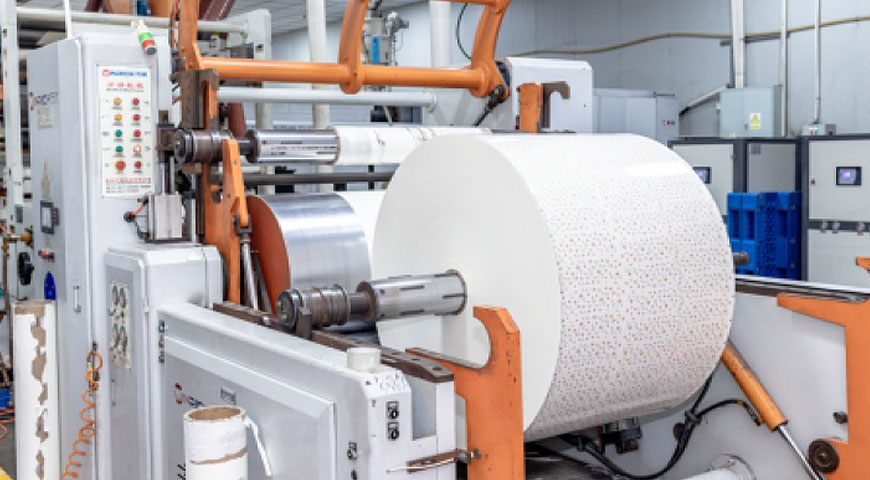
- Pre-coating sequence — Artwork is printed onto the flat paper fan (the cup blank) before the cup is formed. This means designs must account for the fan's curved geometry and seam placement, which requires supplier-provided templates specific to each cup size.
- Food-safe inks — Only water-based, food-contact-compliant inks approved under relevant regulations (e.g., FDA, EU Regulation No. 10/2011) should be used. Solvent-based inks can migrate through the PE/PLA lining under cold and acidic conditions.
- Minimum order quantities (MOQ) — Custom printing typically requires MOQs of 10,000–50,000 units per design to amortize plate or cylinder costs. Operators with seasonal menus should plan print runs around peak demand cycles to avoid overstock.
- Color limitations — Flexographic printing, the most common method for paper cup production, handles up to 8 spot colors per run. CMYK process printing is available from select suppliers for photographic-quality designs but at a higher per-unit cost.
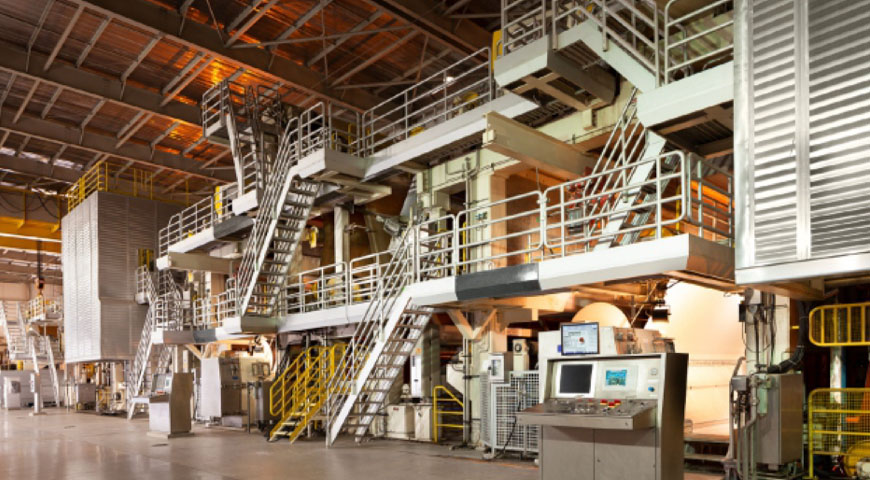
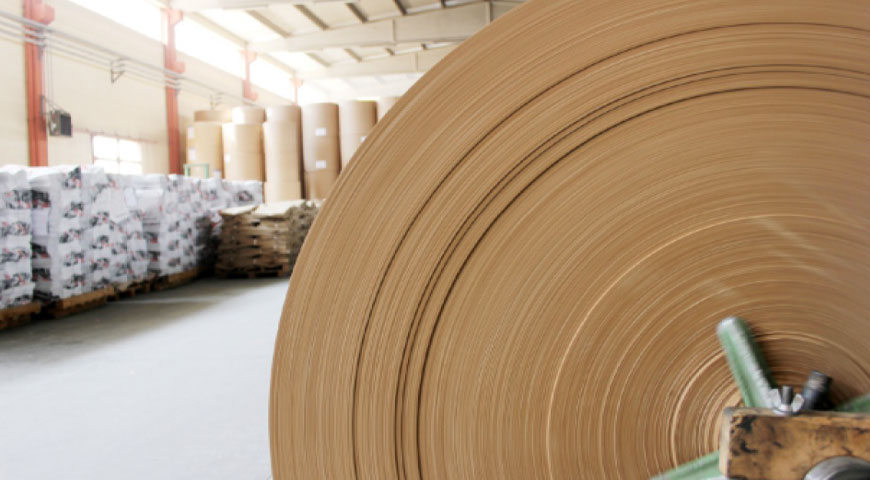
For businesses sourcing branded cold drinking paper cups at scale, working with a manufacturer that controls the full production chain — from base paper through cup forming — significantly reduces lead times and quality inconsistencies between batches.
Sustainability Metrics Buyers Should Request from Cold Cup Suppliers
As extended producer responsibility (EPR) legislation expands across the EU, UK, and several U.S. states, procurement teams are increasingly required to document the environmental profile of disposable packaging in their supply chains. For cold drinking cups, the key data points to request from suppliers include:
- FSC or PEFC certification — Confirms that the paperboard originates from responsibly managed forests. This is now a baseline expectation for suppliers serving European retailers.
- Coating weight (gsm) — Thinner coating layers reduce the plastic content per cup. Leading manufacturers have reduced PE coating weights from the historic 18–20 gsm to 12–15 gsm without sacrificing moisture performance.
- Recyclability testing reports — PE-coated cups are recyclable in facilities equipped with hydrapulping technology. Ask for test results against recognized protocols such as the PTS-RH:021/97 (Europe) or equivalent national standards.
- Compostability certification (for PLA cups) — Look for EN 13432 (Europe) or ASTM D6400 (North America) certification marks, which confirm that the cup will fully biodegrade within defined industrial composting timelines (typically 12 weeks).
- Carbon footprint per 1,000 units — Some Tier 1 suppliers now provide product carbon footprint (PCF) declarations. This figure enables buyers to compare alternative cup materials (paper vs. bioplastic) on a like-for-like emissions basis.
Requesting these documents upfront — rather than after a purchase order is issued — protects buyers from compliance risk and supports more transparent sustainability reporting to their own customers and regulators.