

-
Products

-
Food Packaging Solution
Mission & PhilosophyRenmin Eco-Tech adheres to the philosophy of green, innovation, and responsibility, placing customers at the center and valuing dedicated professionals. We aim to integrate sustainability and eco-consciousness into every product.
 Green Innovation Leading the Future
 -
Our Story
Why Choose Us?Hangzhou Renmin Eco-tech Co., Ltd, situated in the picturesque city of Hangzhou, Zhejiang, is a leading paper product research, development, and sales company. Established in 2004, we specialize in eco-friendly solutions such as Base Paper Rolls, PE Coated Paper Rolls, Paper Cup Fans, Paper Bowl and Box Fans, Die-cut Sheets, etc, for food packaging, and Aluminum Foil Film laminated paper.
 Coming From China, Marketing To The World.
 -
News
 Aluminum Foil Paper Bowls: Structure, Performance & Foodservice Applications
What Aluminum Foil Paper Bowls Actually Are — And Why the Laminate Structure Matters Aluminum foil paper bowls are composite containers built from two bonded materials: a structural paperboard base t...
 English
 中文简体
中文简体 Français
 Español
 عربى
عربىIndustry News
Layered Coffee Drinks: The Cafe Operator’s Guide to Clean Layers and Cup Choice
A test batch of iced layered latte looked perfect when it left the counter: a dark espresso cap resting on cold milk, with a visible boundary line that held for a good ten seconds. Two minutes later, after the customer had settled at a table, the line dissolved into a murky tan. The coffee was fresh, the milk was cold, and the cup was dry. What failed was not the recipe but the chain of small decisions around pour speed, cup height, and how long the drink sat before the first sip.
Layered coffee drinks are a fast way for a coffee shop to make a familiar order look special, but the layer only survives while physics and packaging cooperate. The three variables that control the effect are density, temperature, and pour technique. You can reproduce almost any layered drink once you control those three, and the cup you choose then decides whether the effect lasts until the customer is ready to stir or falls apart on the way to the table.
Content
Understanding Layered Coffee Drinks
A layered coffee drink is any coffee-based drink that keeps two or more visual layers in the cup at the point of service. The layers can be warm, cold, or mixed. The most common examples are the hot latte macchiato, where steamed milk forms a dense base under a cap of espresso and milk foam; cafe bombon, where espresso rests on a bed of sweetened condensed milk; and iced layered lattes, where milk and cold brew or espresso stay separate long enough for the line to remain visible.
The physical rule behind every layered coffee drink is simple: heavier liquids settle below lighter ones. Sugar and dissolved solids increase the density of a liquid. Milk fat lightens it, and trapped air in foam drops the density even further. So a reliable bottom-to-top order is sweetened condensed milk or syrup, then milk, then espresso, then milk foam. Break that order and the layers will blend no matter how carefully you pour.
That basic ladder explains why most successful layered drinks use one of these three formats:
- Latte macchiato, served hot, with steamed milk at the base and espresso poured against milk foam that holds it at the top.
- Cafe bombon, served hot or after dinner, with sweetened condensed milk as the base and espresso on top in a short cup.
- Iced layered latte, served cold, with ice and milk at the bottom and cold brew or espresso poured over the ice to keep the density difference visible.
Why Layered Coffee Drinks Work on a Coffee Shop Menu
The straightforward business answer is that a layered drink looks different from the same coffee served in the usual way, and customers assign higher value to drinks that look intentional. The cost is still espresso, milk, and a cup, but the menu item stands apart from a standard latte at the same price point.
The practical benefits show up quickly in service flow:
- The visual layer gives customers a reason to pause and photograph the drink, which extends the moment the coffee shop stays in front of their audience.
- The density gradient changes how the drink tastes as it is sipped: the first sip is light, the middle sip carries more coffee, and the last sip is the sweetest if syrups are at the bottom.
- Layered drinks are easy to customize. Syrup at the base, alternative milk with added solids, and cold foam on top let you vary the menu without changing the espresso workflow.
- Seasonal updates can use the same layering principle: a berry puree layer for an iced drink, a maple layer for a hot autumn latte, or a spiced syrup for a winter special.
The Build Order That Keeps Layers Clean
Density Comes Before Flavor
The first decision is what sits at the bottom, because the bottom layer carries everything. Sweetened condensed milk has a density around 1.3 grams per milliliter, which is why cafe bombon keeps such a firm two-layer structure. Regular milk sits just above 1.0, espresso sits close to milk, and milk foam moves well below 1.0 once it carries enough air. The greater the density difference, the longer the layer holds.
- Start with the heaviest layer: syrup, condensed milk, or any milk with added dissolved solids.
- Add the middle layer without splashing: pour milk onto a spoon or against the cup wall.
- Finish with the least dense layer: espresso, cold brew, or foam, poured slowly near the surface.
Temperature Changes the Speed of Mixing
Temperature sets how easily two liquids merge. Cold milk is slightly more viscous than warm milk, and hot espresso is less viscous than a cooled shot. That viscosity gap slows the mixing when the pour is gentle. In practice, cold layered drinks work best with fully chilled milk or cold brew; hot layered drinks work best when the milk is steamed to the right texture but not overheated, so the foam stays stable.
Ice is the second temperature tool. Ice packed tightly in a cup is not a garnish; it is a physical shelf. When cold brew or espresso is poured over ice, the coffee spreads across the cubes and falls to the surface of the milk in a thin stream, which keeps the contact area small and the line clean.
Pour Speed Decides How Sharp the Boundary Is
The pour is where most layers get lost. A fast, high pour creates a mixed stream that pushes espresso into milk. A slow pour near the surface gives the liquid time to settle. Two simple techniques work: pour over the back of a spoon, or pour onto ice and let gravity distribute the coffee. In both cases, the spout stays close to the cup and the stream stays thin.
| Drink | Bottom layer | Top layer | Build tip |
|---|---|---|---|
| Latte macchiato | Steamed milk | Espresso over milk foam | Pour espresso slowly against the back of a spoon |
| Cafe bombon | Sweetened condensed milk | Espresso | Tilt the cup and keep the spout near the surface |
| Iced layered latte | Ice and cold milk | Cold brew or espresso | Pack the ice and pour over the ice, not into the milk |
Choosing a Cup That Protects the Layer
Hot Layered Drinks
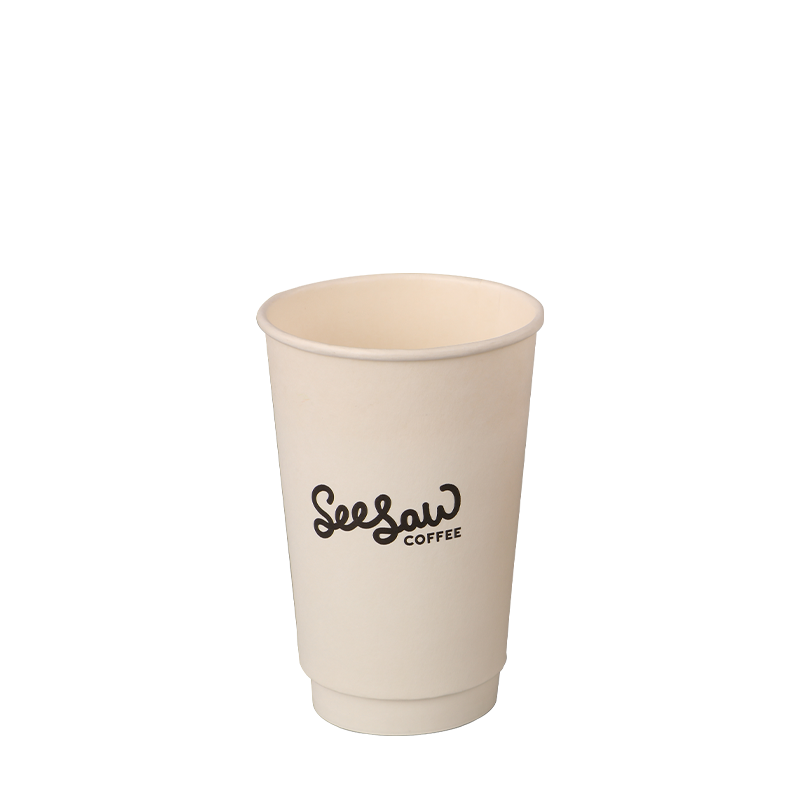
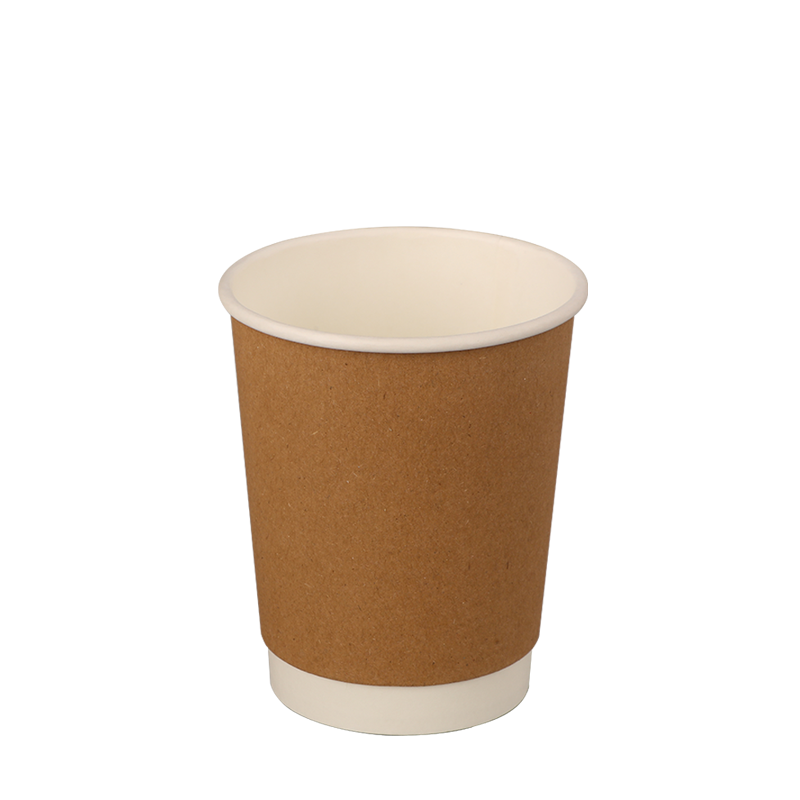
A hot layered drink requires a cup that keeps the coffee warm, keeps the outside comfortable to hold, and does not create condensation that smudges the line. A single-wall cup works for simple espresso-and-milk proportions, but a double-wall cup gives the foam and espresso more time to stay separate while the outer wall remains cool. For a standard 12 oz hot build, a 12 oz insulated double wall hot paper cup is a practical balance between cup feel and temperature retention. The cup height keeps the layered line visible, and the insulated wall stops the customer from putting the cup down immediately, which is the moment most hot layers wobble and mix.
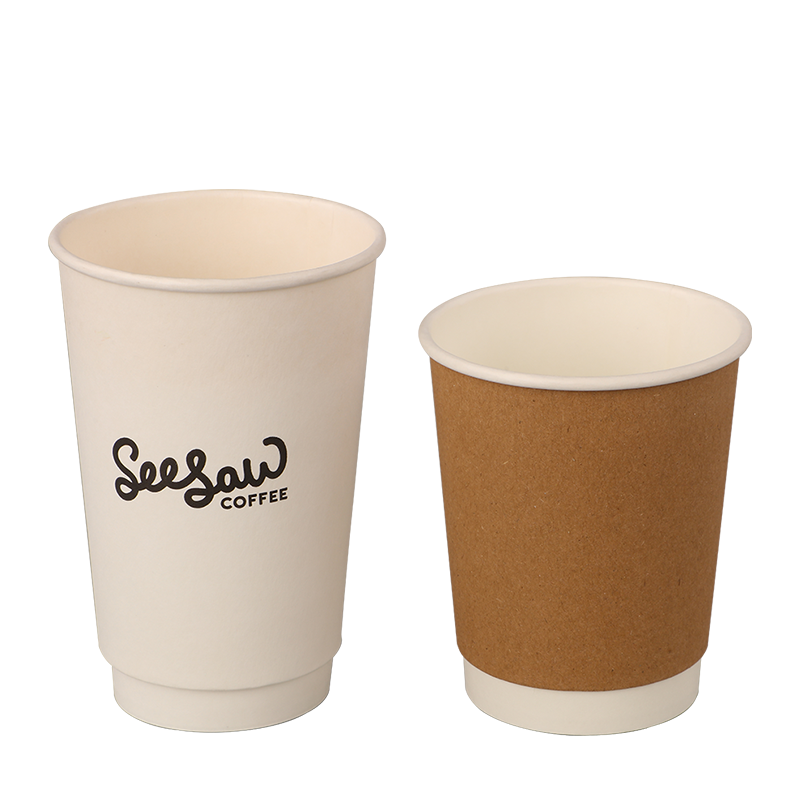 12oz Insulated Double Wall Hot Paper Cups Suppliers, Factory - Hangzhou Renmin ERenmin Eco-tech - China 12oz Insulated Double Wall Hot Paper Cups Suppliers and Factory, Custom 12oz Insulated Double Wall Hot Paper Cups...View Product →
The construction of the cup also affects how the drink is received. A cup that feels solid and well-designed signals that the layered drink is deliberate, not an accident. That perception matters because layered drinks are sold on appearance as much as on taste.
Cold Layered Drinks
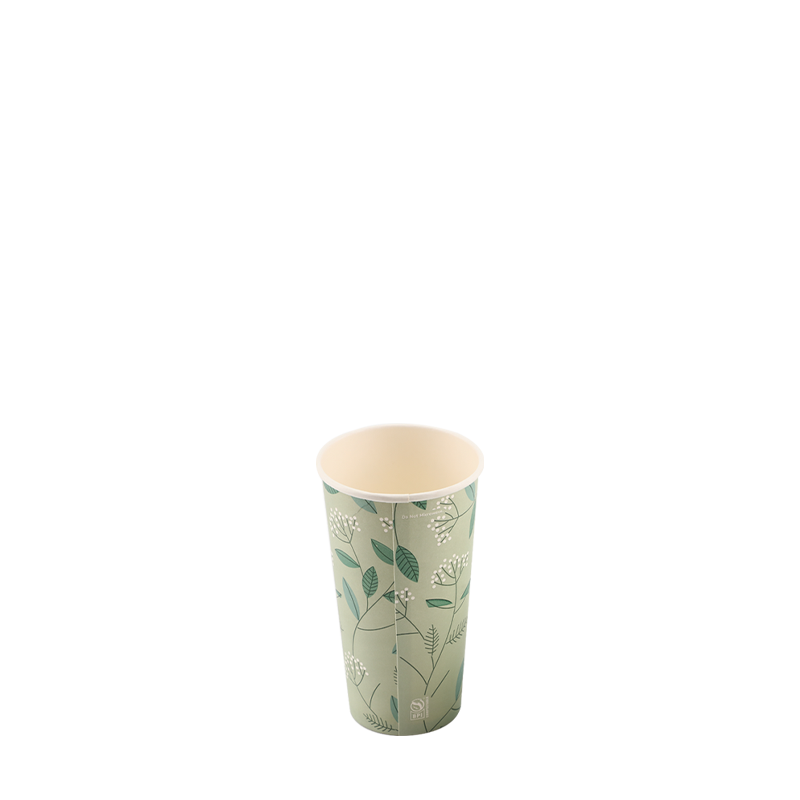
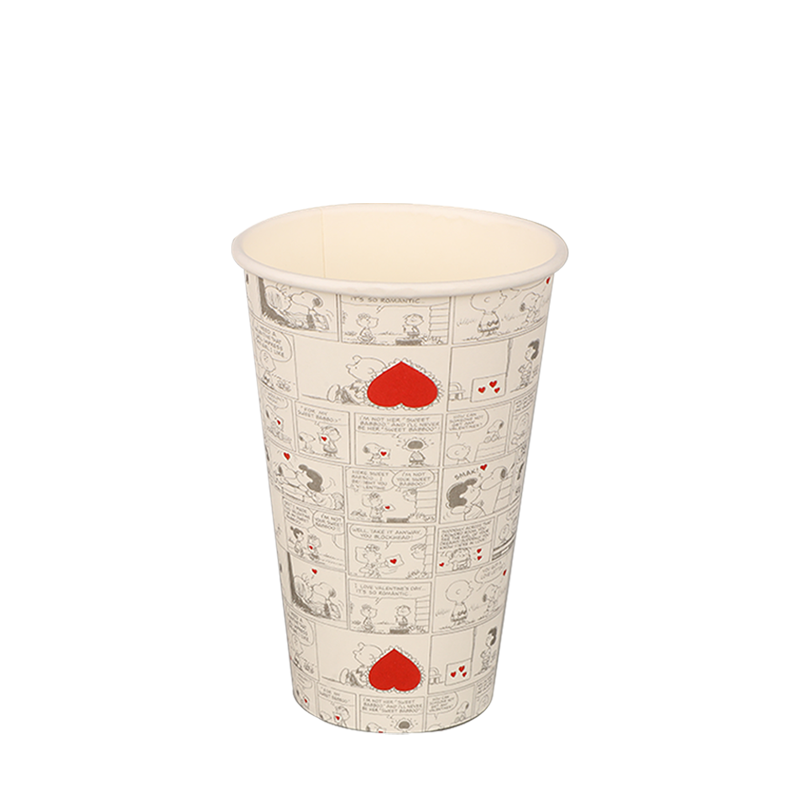
Cold layered drinks put more stress on cup height and ice stability. A short, wide cup creates more turbulence because ice moves sideways as the cup travels. A taller cup keeps the milk and coffee stacked, and the ice gives the coffee a wide landing area without horizontal motion. A 12 oz cold drinking paper cup is a common starting size for milk-forward iced builds; it leaves enough headspace for ice while keeping the boundary line easy to see.
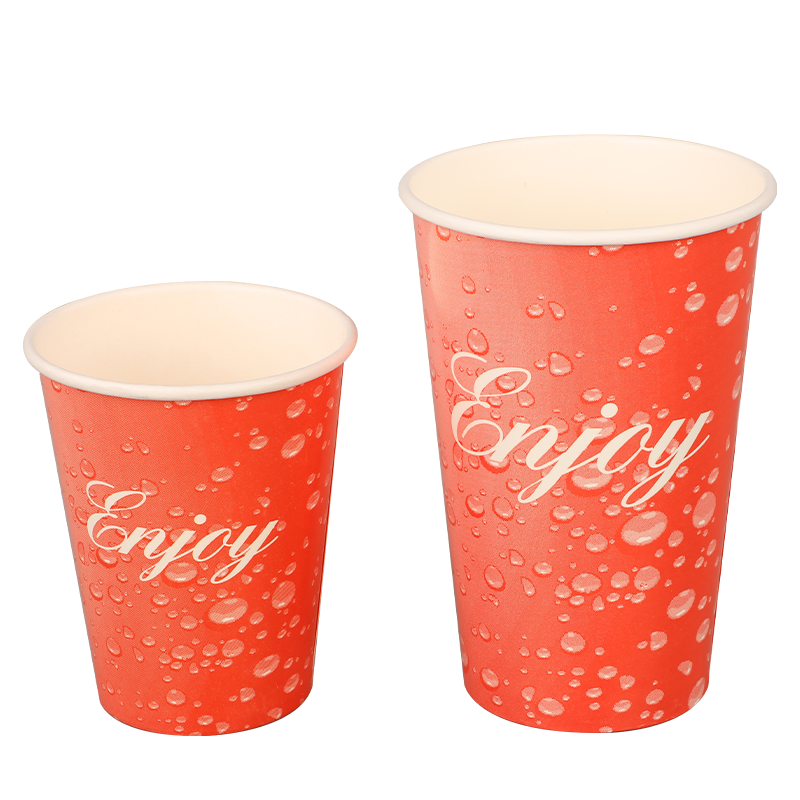 12oz Cold Drinking Paper Cups Juice cups Suppliers, Factory - Hangzhou Renmin EcRenmin Eco-tech - China 12oz Cold Drinking Paper Cups Juice cups Suppliers and Factory, Custom 12oz Cold Drinking Paper Cups Juice cups f...View Product →
If you are standardizing cold drinks across several locations, the cold-drinking paper cup buying guide explains the usual size ranges and construction details so you can match one cup spec across your menu. The cup is part of the recipe; changing the height, rim shape, or coating changes the speed at which a layer disappears.
Material and Sustainability Choices That Matter
A layered drink asks more from the cup than a regular latte because the drink sits on the counter longer, the lid is often opened so the customer can look at the layers, and the boundary zone is exposed to steam and condensation. Coating quality and fiber density control how quickly the paper becomes wet and how much the cup flexes when it is handled.
Coating Types and What They Do
PE coating is the standard water-resistant layer for both hot and cold cups. It blocks liquid migration quickly and keeps the outside dry. PLA coating performs a similar role in hot drinks and is used when a compostable profile is required. Water-based, plastic-free coatings avoid plastic entirely but behave differently, since their heat resistance and fiber interaction vary by formulation. Each coating choice has to match the drink temperature and the disposal stream available to the customer.
For teams evaluating cup quality, a practical start is to look at the raw material side. Checking how PE-coated cupstock paper rolls are built reveals why coating weight and fiber density determine leak resistance and outside condensation. A cup is only as reliable as the paper and coating that go into it.
When the Paper Base Matters
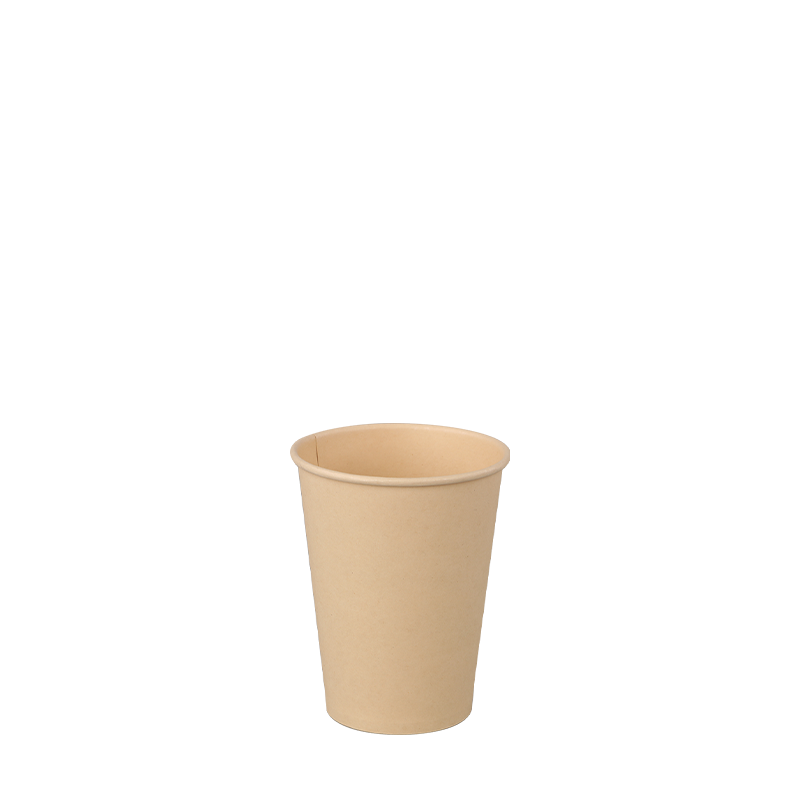
For a hot drink with visible foam, a cup that keeps its rim shape is important because a deformed rim collapses the foam top. For a cold drink with cream or syrup layers, the cup needs to stay rigid enough that the customer can hold it without bending the wall. When the cup flexes, the liquid inside moves and the layers mix. A 12 oz compostable PLA single wall paper cup can support a hot layered build and still answer plastic-free expectations, thanks to a plant-based coating that replaces the traditional PE layer. The trade-off is that compostable materials need the right collection and composting conditions, so the cup choice has to fit the customer’s local disposal infrastructure.
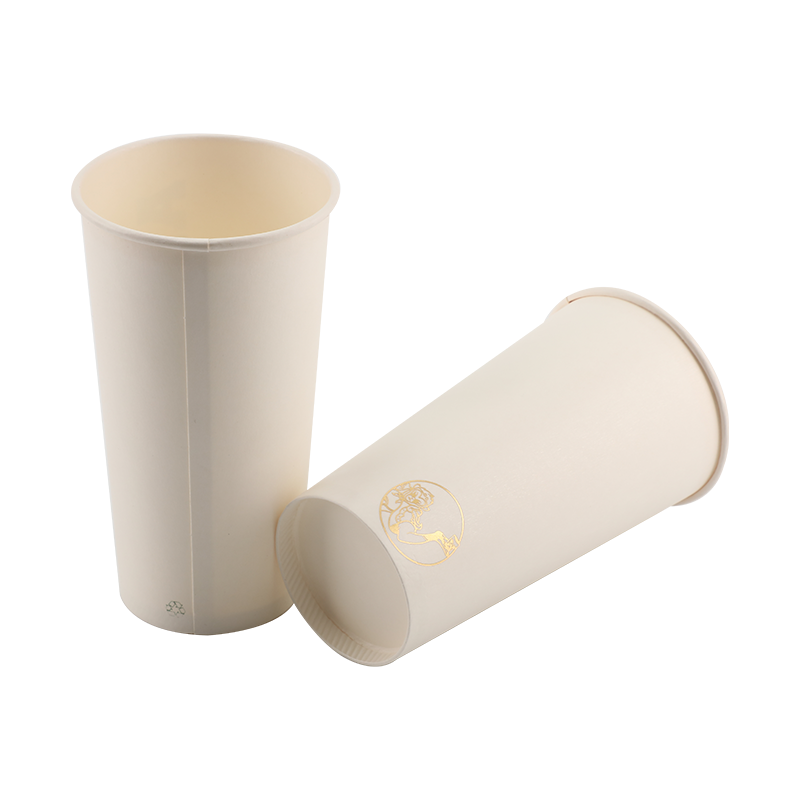 12oz Compostable PLA Single Wall paper cups Suppliers, Factory - Hangzhou RenminRenmin Eco-tech - China 12oz Compostable PLA Single Wall paper cups Suppliers and Factory, Custom 12oz Compostable PLA Single Wall paper ...View Product →
Small Operational Details That Protect the Presentation
The last few meters from the bar to the table are where layers usually disappear. Staff can protect almost any layered drink by reducing turbulence in five specific spots.
- Use large, dense ice cubes for cold drinks. Crushed ice melts faster, and the melted water mixes with the milk and erases the boundary.
- Add the hot milk foam only at service time. If the foam sits in the cup before the espresso goes in, it compresses and the layer smudges.
- Check the lid. A flat lid presses down on the foam and flattens the top layer. A dome lid, or an open service format, preserves the foam while keeping the line visible.
- Match the cup material to the drink temperature. A cup that transfers heat quickly will make a hot drink too hot to hold, and the customer will stir it to cool it down.
- Separate the drink from any baked item on the same tray. Wrapping baked goods in grease-proof wrapping paper keeps oil and crumbs away from the hand-off counter, so the cup stays the focus and the presentation stays clean.
Final Takeaway
Layered coffee drinks do not require special machinery or a new espresso routine. They require a build order that respects density, a cup that keeps temperature on the right side of the layer, and a pour that does not stir the drink. A coffee shop can introduce layering in a single week: choose two or three builds, measure how long the layers hold in each cup size, adjust the coating and diameter, and add a short training step to the barista checklist.
When the drink is designed around the cup, rather than poured into whatever cup is nearby, the line stays sharp, the customer sees the drink as a deliberate piece of work, and the layered coffee drink turns into a repeat order. That is the practical reason the cup deserves as much attention as the coffee recipe.
Your email address will not be published. Required fields are marked *
We're Here To Help.

Copyright © HANGZHOU RENMIN ECO-TECH CO.,LTD. All Rights Reserved
Eco Friendly Food Packaging Solution Food Paper Packaging Manufacturer
