

-
Products
-
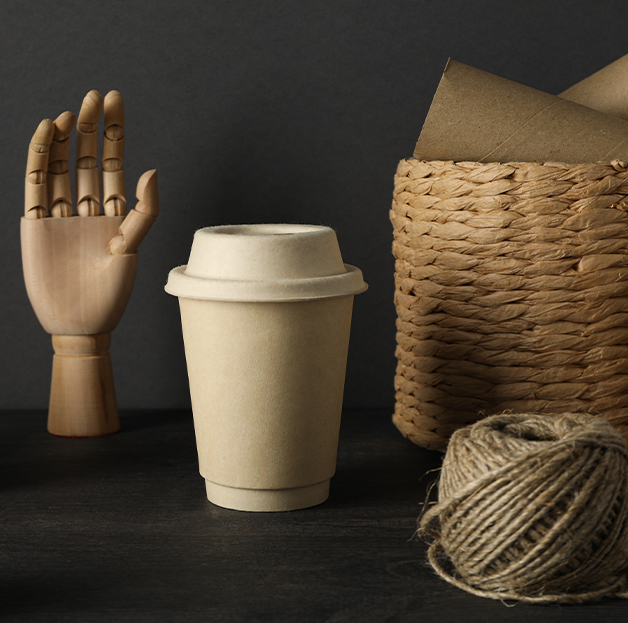
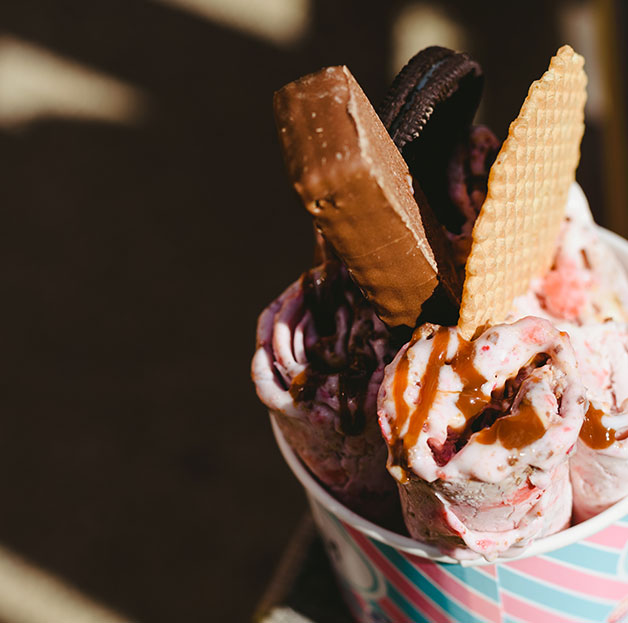
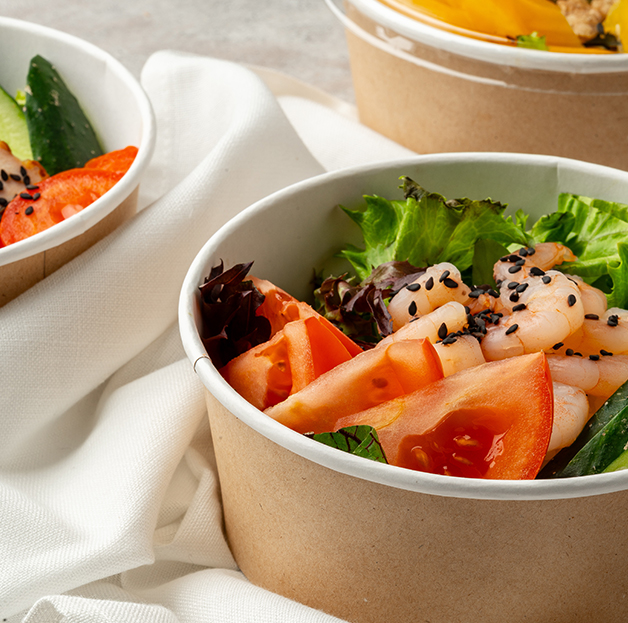
Food Packaging Solution
Mission & PhilosophyRenmin Eco-Tech adheres to the philosophy of green, innovation, and responsibility, placing customers at the center and valuing dedicated professionals. We aim to integrate sustainability and eco-consciousness into every product.
 Green Innovation Leading the Future
 -
Our Story
Why Choose Us?Hangzhou Renmin Eco-tech Co., Ltd, situated in the picturesque city of Hangzhou, Zhejiang, is a leading paper product research, development, and sales company. Established in 2004, we specialize in eco-friendly solutions such as Base Paper Rolls, PE Coated Paper Rolls, Paper Cup Fans, Paper Bowl and Box Fans, Die-cut Sheets, etc, for food packaging, and Aluminum Foil Film laminated paper.
 Coming From China, Marketing To The World.
 -
News
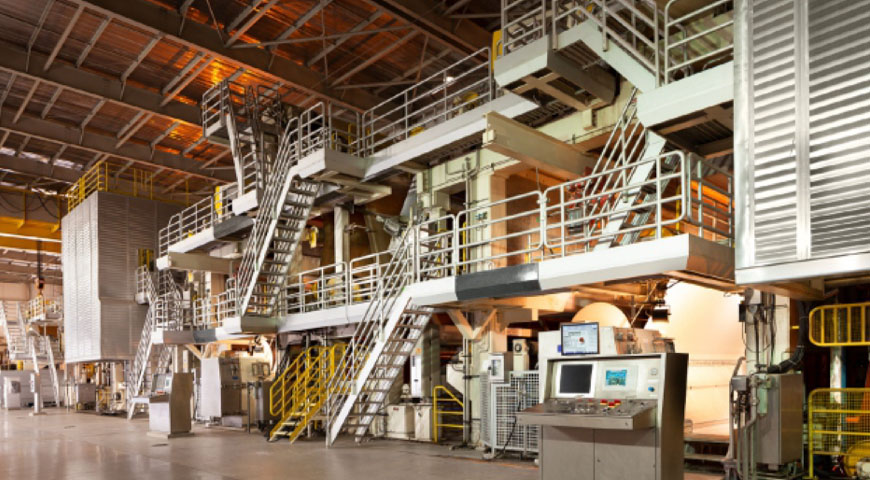 Aluminum Foil Paper Bowls: Structure, Performance & Foodservice Applications
What Aluminum Foil Paper Bowls Actually Are — And Why the Laminate Structure Matters Aluminum foil paper bowls are composite containers built from two bonded materials: a structural paperboard base t...
 English
 中文简体
中文简体 Français
 Español
 عربى
عربىIndustry News
Eco Friendly Utensils: Materials, Performance & Buyer's Guide
Content
- 1 Why Plastic Utensils Are Becoming a Liability, Not a Convenience
- 2 The Real Materials Behind "Eco-Friendly": Wood, Paper, PLA, and Bamboo
- 3 Performance Trade-Offs: Heat Resistance, Grease Resistance, and Durability
- 4 What the Life Cycle Data Actually Shows
- 5 Choosing the Right Utensil Material for Your Business
Why Plastic Utensils Are Becoming a Liability, Not a Convenience
Plastic cutlery still feels like the default choice for takeout and catering, but the numbers behind it are hard to ignore. Roughly 40% of all plastic waste comes from single-use items, and cutlery makes up a meaningful share of that total. A fork used for ten minutes can sit in a landfill for centuries before it finally breaks down, and even then it doesn't disappear — it fragments into microplastics that work their way into soil, waterways, and eventually food chains.
For food businesses, this isn't just an environmental talking point anymore. Plastic bans are spreading across states and countries, and customers increasingly notice what's in their takeout bag. Switching to eco-friendly utensils has moved from a nice-to-have to a practical requirement for staying compliant and competitive.
The Real Materials Behind "Eco-Friendly": Wood, Paper, PLA, and Bamboo
"Eco-friendly" gets used loosely, but the materials behind it are quite different from one another in how they're made and how they behave.
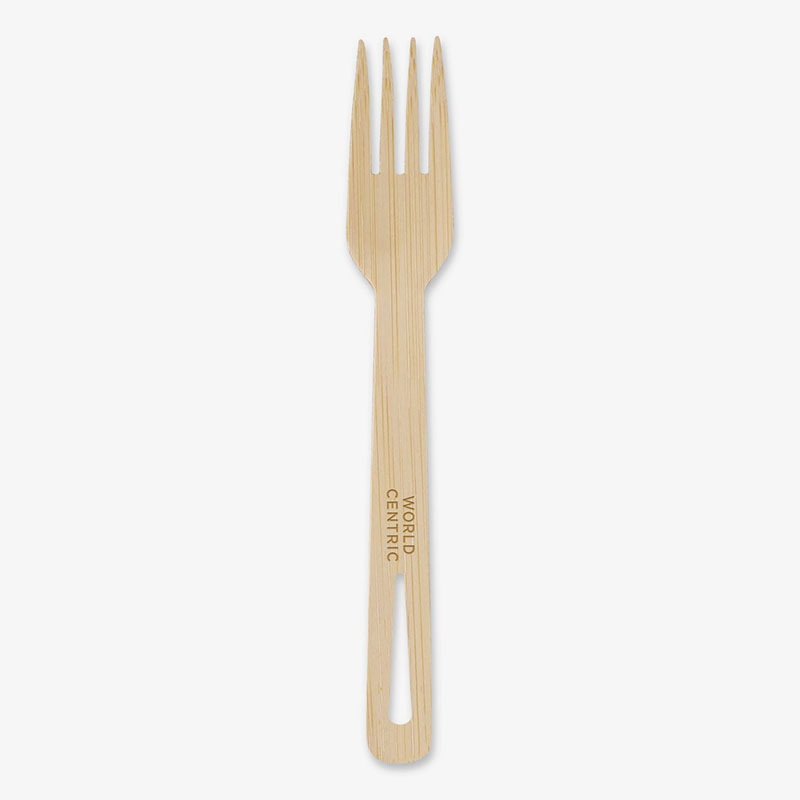
- Wood — typically birch or poplar, cut and pressed into shape with no added plastic coating. It's rigid, splinter-resistant when manufactured properly, and fully compostable.
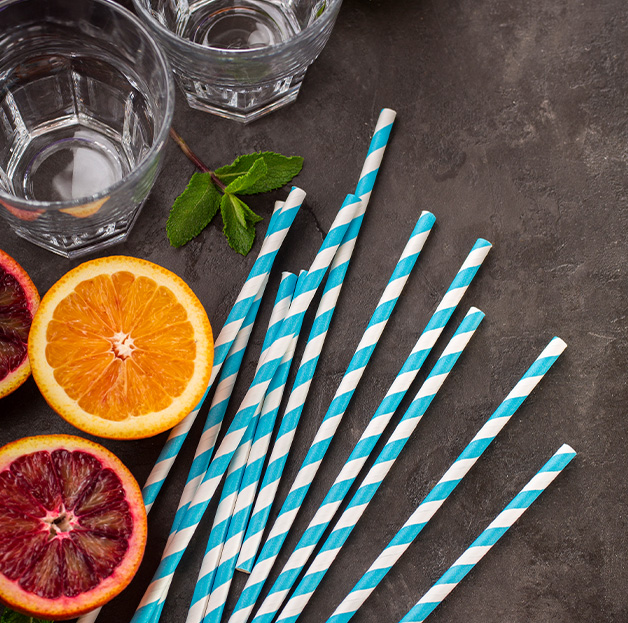
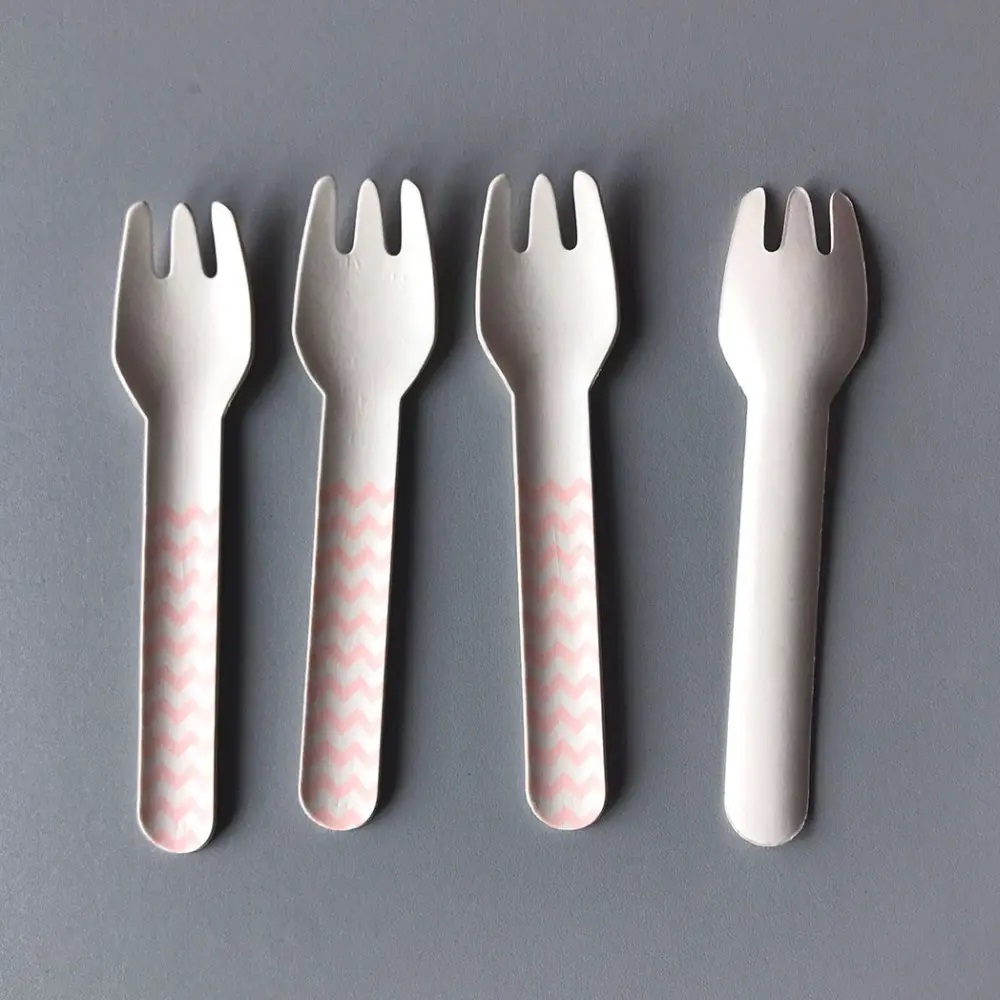
- Paper — pressed and shaped cutlery, sometimes with a thin biodegradable coating for added rigidity. Lightweight and low-cost, though generally less sturdy than wood.
- PLA (polylactic acid) — a bioplastic derived from corn starch or sugarcane. It looks and feels close to conventional plastic but requires industrial composting facilities to break down properly.
- Bamboo — a fast-growing grass, not a tree, that regenerates without replanting. It offers strength closer to hardwood with a lower growth-cycle footprint.
Businesses sourcing at scale often start with wood forks built for single-use foodservice, since wood strikes a practical balance between cost, strength, and compostability without needing specialized industrial composting infrastructure.
Performance Trade-Offs: Heat Resistance, Grease Resistance, and Durability
Material choice isn't just about what sounds green — it has to hold up to the food it's serving. This is where a lot of buyers get caught off guard after switching.
| Material | Heat Resistance | Grease Resistance | Best Use Case |
|---|---|---|---|
| Wood | High | Moderate | Hot entrees, general foodservice |
| Paper | Low to moderate | Low | Light snacks, dry foods |
| PLA | Low (softens above ~110°F) | High | Cold foods, salads, desserts |
| Bamboo | High | High | Heavy-duty use, reusable settings |
PLA's heat sensitivity trips up a lot of buyers switching over for the first time — it's a poor fit for hot soups or fried foods, where wood knives designed for disposable use or bamboo tend to hold their shape far better. For cutlery that needs to work across both hot and cold service without swapping materials mid-shift, wood spoons suited for hot and cold foods tend to be the more forgiving default.
What the Life Cycle Data Actually Shows
It's tempting to assume that anything labeled "biodegradable" automatically wins on environmental impact, but the research doesn't fully back that up. A peer-reviewed life cycle assessment comparing banned single-use plastic products found that plastic cutlery scored worst across most environmental categories, but biodegradable cutlery actually performed worse in eutrophication and ozone depletion, driven largely by the feedstock production process.
The takeaway isn't that biodegradable materials are a mistake — it's that the full picture matters more than a single label. Local production, proper composting infrastructure, and reduced packaging all shift the outcome as much as the base material does. Sourcing from a manufacturer that controls its own supply chain closely tends to matter as much as the raw material choice itself.
Choosing the Right Utensil Material for Your Business
The right material depends less on which one sounds most sustainable and more on how the utensils will actually be used. A few practical questions narrow the decision fast:
- Will these serve hot food, cold food, or both? Wood and bamboo handle temperature swings better than PLA or paper.
- Does your local waste system support industrial composting? PLA only delivers its environmental benefit if it reaches the right facility.
- What's your volume and budget? Paper tends to be the most cost-effective for high-volume, low-grease applications.
- Do you need certification for regulatory compliance? Confirm ASTM D6400 or BPI certification where local bans require it.
For businesses standardizing on a single, dependable material across their utensil lineup, paper-based fork options for lightweight foodservice needs offer a lower-cost entry point, while our full range of disposable fork options covers the heavier-duty wood and plastic-free alternatives for hot food service.
Your email address will not be published. Required fields are marked *
We're Here To Help.

Copyright © HANGZHOU RENMIN ECO-TECH CO.,LTD. All Rights Reserved
Eco Friendly Food Packaging Solution Food Paper Packaging Manufacturer
