



 English
 中文简体
中文简体 Français
 Español
 عربى
عربى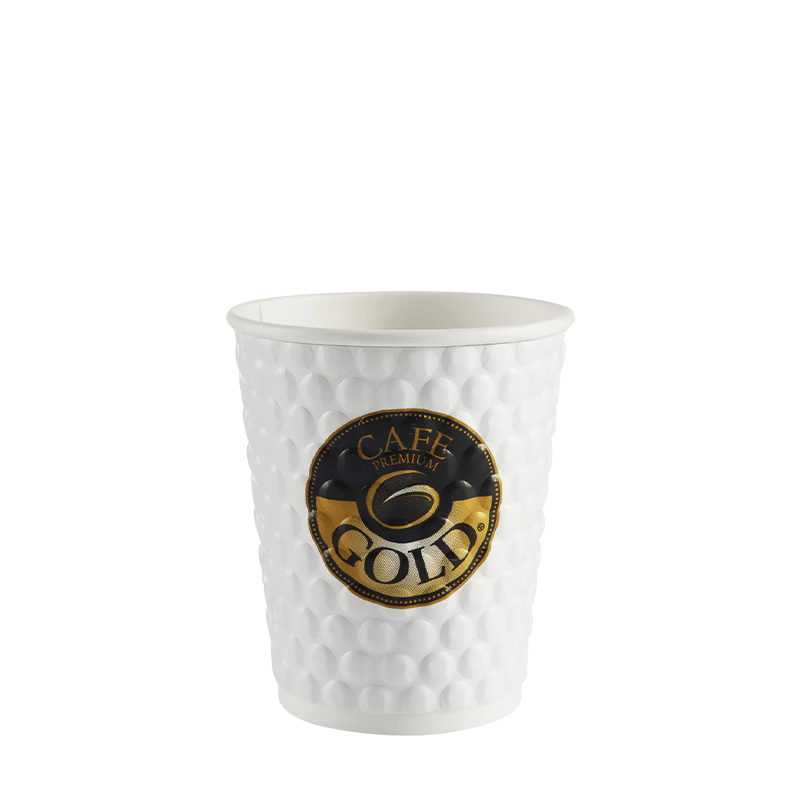


How Embossing Technology Enhances Paper Cup Performance
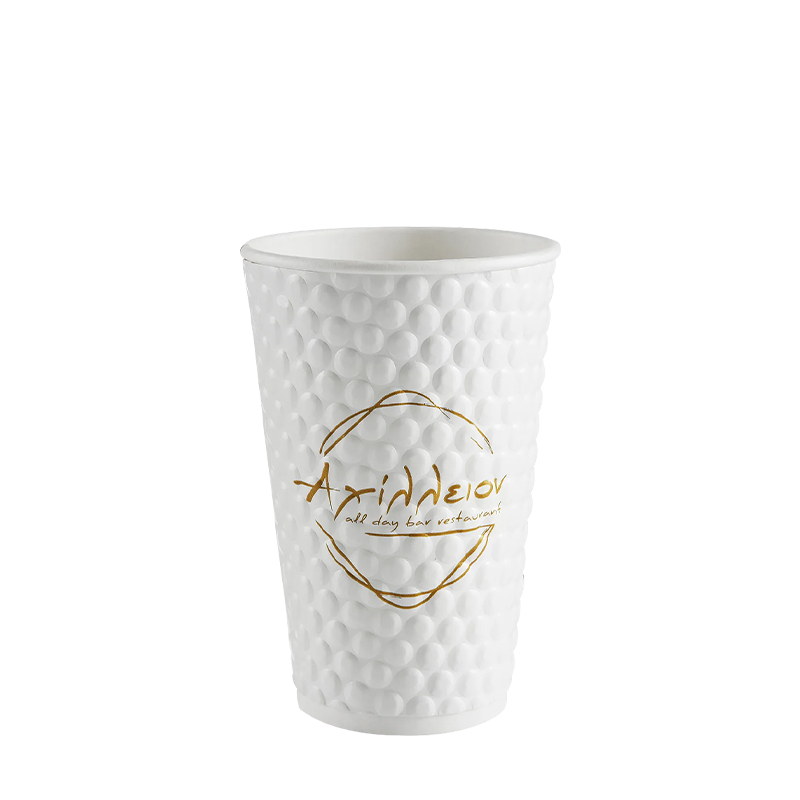
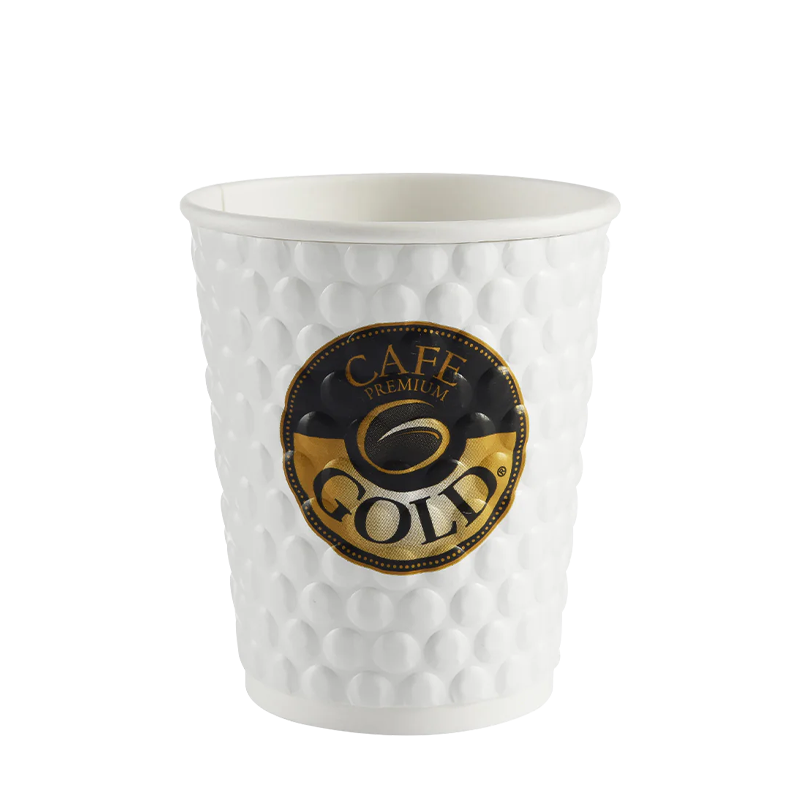
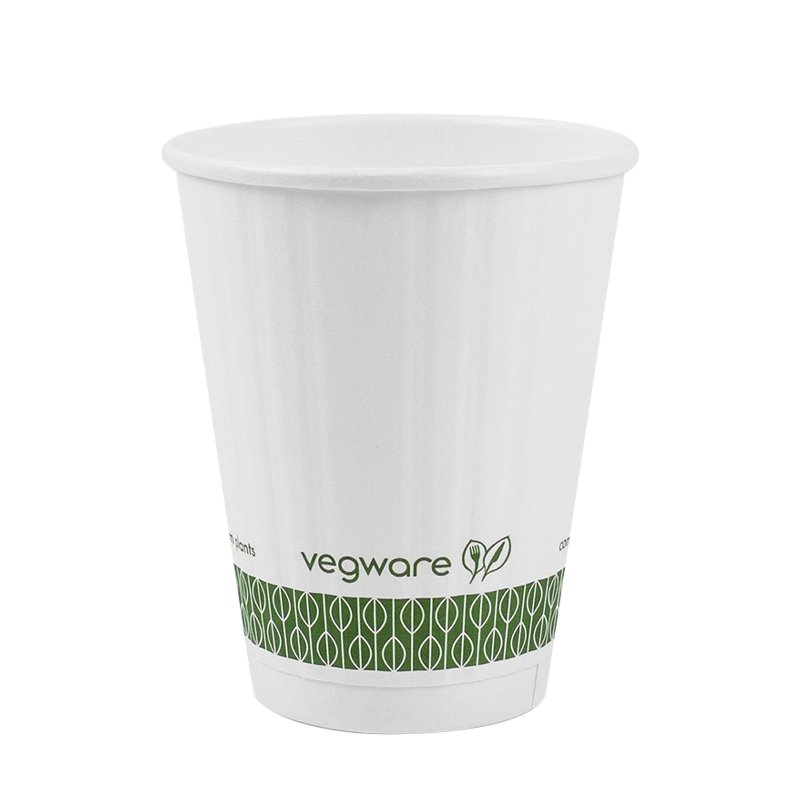
The embossing process used in modern disposable cup manufacturing goes far beyond surface aesthetics. By mechanically pressing a structured pattern into the cup wall during production, embossing increases the effective surface area of the paper material, which delivers measurable functional benefits across three dimensions:
- Thermal insulation: The raised ridges and grooves create micro air pockets between the cup surface and the user's hand, reducing heat transfer by an estimated 20–30% compared to smooth-wall equivalents.
- Structural rigidity: Embossed walls resist radial compression more effectively, meaning the cup holds its shape under the lateral grip pressure that occurs when drinking on the move.
- Grip friction: Textured surfaces generate higher static friction coefficients, reducing slip incidents — a meaningful safety benefit when cups are served near or above 70°C.
These properties collectively reduce the need for secondary sleeve inserts, which lowers per-cup material cost and simplifies the serving workflow at high-volume counters.
Comparing Embossed, Double-Wall, and Ripple-Wall Cups
Buyers frequently evaluate several cup constructions side by side. The table below summarizes the key trade-offs that matter most to food service operators and packaging procurement teams:
| Construction | Insulation Level | Material Use | Print Area | Stack Efficiency |
|---|---|---|---|---|
| Single-wall smooth | Low | Minimal | Full surface | Excellent |
| Embossed single-wall | Medium | Low | Full surface | Very good |
| Double-wall | High | High (2× paper) | Outer wall only | Moderate |
| Ripple-wall | Medium-High | Medium | Limited (corrugated) | Moderate |
For most coffee shop and quick-service restaurant applications, embossed single-wall cups offer the best balance of insulation performance, branding flexibility, and cost per unit — which is why demand for this format has grown steadily in the North American and European markets over the past five years.
Food-Grade Coating Options and Their Impact on Recyclability
The inner lining of a paper cup determines both its leak resistance and its end-of-life recyclability. Three coating technologies are currently in wide commercial use:
PE (Polyethylene) Coating
The conventional solution for over 40 years, PE coatings are highly effective at waterproofing and heat sealing. However, the bonded plastic film complicates recycling — most standard paper mills cannot separate PE from fiber at scale. Regulatory pressure in the EU and UK is accelerating the phaseout of PE-lined cups in some markets.
PLA (Polylactic Acid) Coating
PLA is plant-derived and industrially compostable under EN 13432 conditions. It is increasingly specified by brands seeking to support sustainability commitments. One important caveat: PLA-lined cups require industrial composting facilities — they do not break down in home compost bins or standard landfill conditions within a meaningful timeframe.
Aqueous (Water-Based) Barrier Coating
Emerging aqueous coatings apply a thin mineral or starch-based barrier that is fiber-compatible, allowing the cup to be processed in standard paper recycling streams. This format is gaining traction in markets with mature recycling infrastructure. At Hangzhou Renmin Eco-tech Co., Ltd., our embossed coffee paper cups are produced using food-grade, environmentally compliant materials, with options designed to meet international food safety and sustainability certifications.
Pattern Design and Brand Differentiation: What the Embossing Process Allows
Emboss tooling is manufactured on a per-pattern basis, which means the texture applied to a cup surface can be fully customized. Common pattern categories include:
- Geometric repeats (diamonds, hexagons, crosshatch) — preferred by café chains for their clean, premium look
- Brand-specific motifs — logos, icons, or wordmarks pressed directly into the wall texture rather than printed, creating a tactile brand signal that survives condensation
- Organic textures (bark, linen, wave) — popular in artisan and specialty coffee environments where a handcrafted aesthetic is part of the brand identity
From a print perspective, embossed surfaces interact with flexographic and offset inks differently than smooth stock. Ink sits in the recessed areas, which can create subtle depth effects but also demands tighter registration tolerances. Experienced cup manufacturers account for this in prepress — an important factor to verify when sourcing custom-printed embossed coffee paper cups from a new supplier.
Sizing Standards and Volume Capacities Across Global Markets
Paper cup sizing varies significantly between North America and Europe, which creates practical complexity for brands operating across both markets. The table below maps the most common size designations:
| Common Name | US fl oz | mL (approx.) | Typical Use |
|---|---|---|---|
| Short / Small | 8 oz | 237 ml | Espresso drinks, hot chocolate |
| Tall / Medium | 12 oz | 355 ml | Standard latte, flat white |
| Grande / Large | 16 oz | 473 ml | Iced coffee, milk tea |
| Venti / Extra Large | 20–24 oz | 591–710 ml | Cold brew, smoothies |
Cup weight (gsm of the base paper) is equally important: hot drink cups typically use 200–350 gsm board stock, while cold drink variants may use slightly lighter stock if condensation resistance is achieved through the coating rather than the substrate thickness. As an OEM/ODM manufacturer, Hangzhou Renmin Eco-tech Co., Ltd. supplies cups across the full range of these specifications, with production flexibility to support both standard and custom sizing requirements.
Quality Certification Requirements for Export Markets
Procurement teams sourcing paper cups for distribution in regulated markets need to verify several compliance layers before placing large orders. The requirements differ by destination:
United States
The FDA regulates food contact materials under 21 CFR. Paper cups sold in the US must use inks, coatings, and adhesives that comply with applicable sections. Many buyers additionally require third-party migration testing to demonstrate that substances do not transfer into food or beverages above permissible limits.
European Union
EU Regulation (EC) No 1935/2004 governs materials intended for food contact, with specific migration limits and declaration-of-compliance requirements. Cups intended for the German market in particular often face stricter retailer-specific standards beyond the regulatory baseline.
Japan
The Food Sanitation Act sets standards for paper packaging in contact with food. Japanese buyers frequently request documentation showing compliance with the Japan Hygienic Olefin and Styrene Plastics Association (JHOSPA) standards for the relevant coating material.
Holding ISO 9001 and ISO 14001 certifications — as Hangzhou Renmin Eco-tech Co., Ltd. does — provides a documented quality and environmental management framework that supports the audit and compliance process required by buyers in all of these markets.