




 English
 中文简体
中文简体 Français
 Español
 عربى
عربى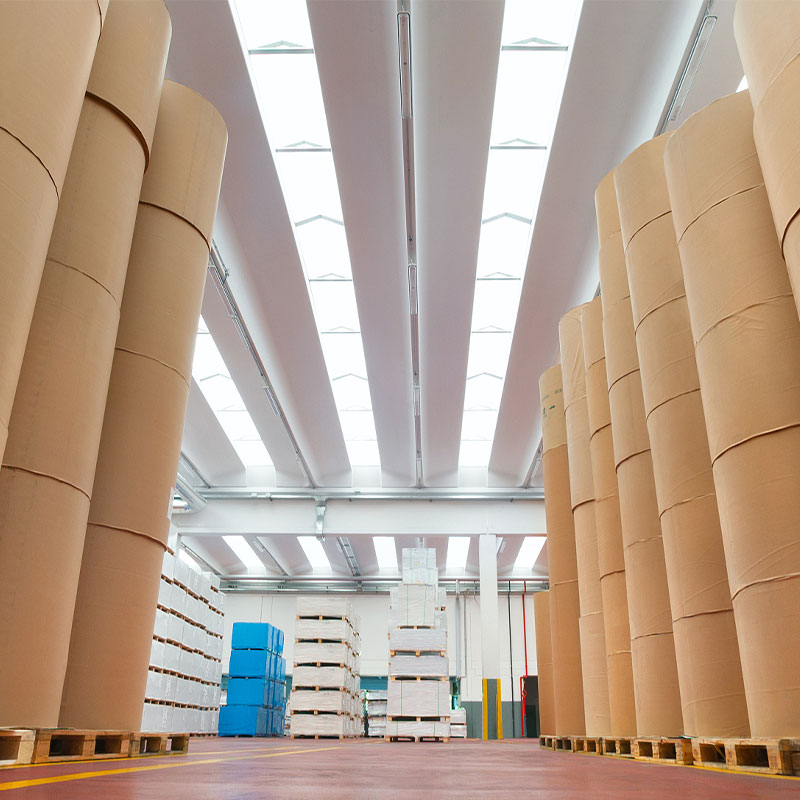
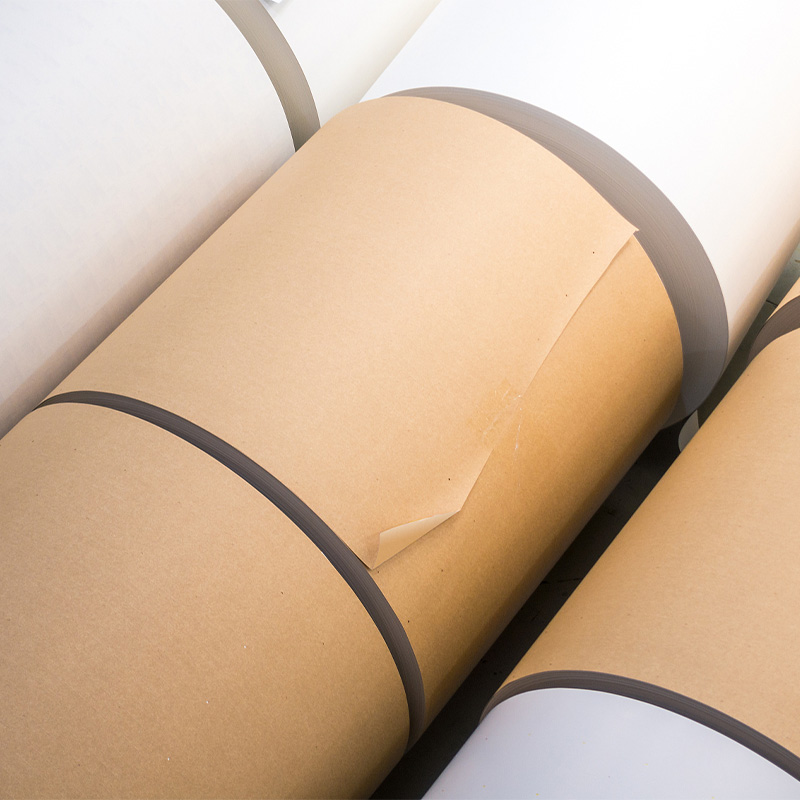
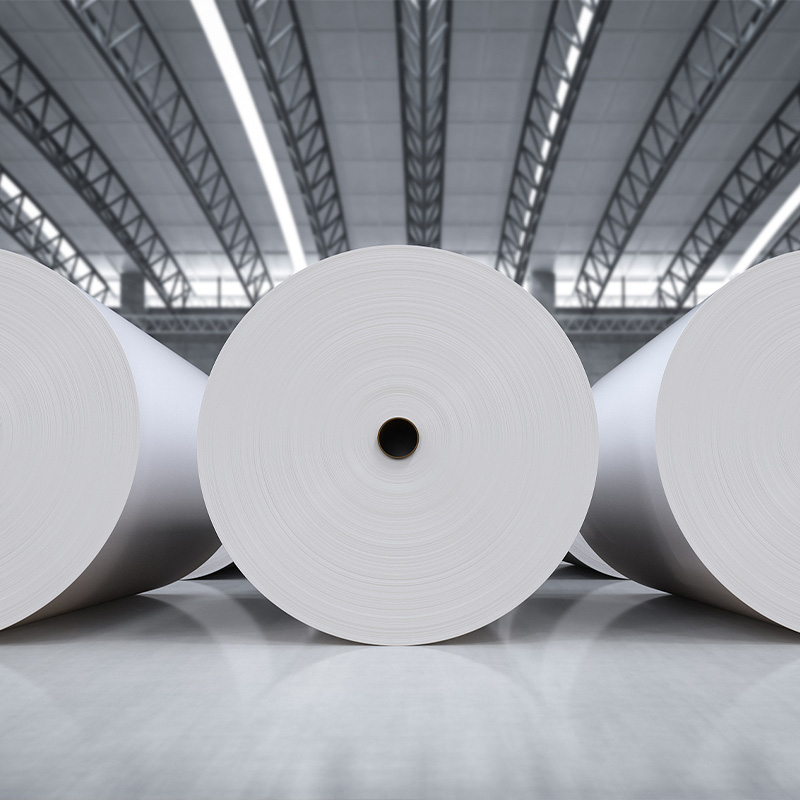
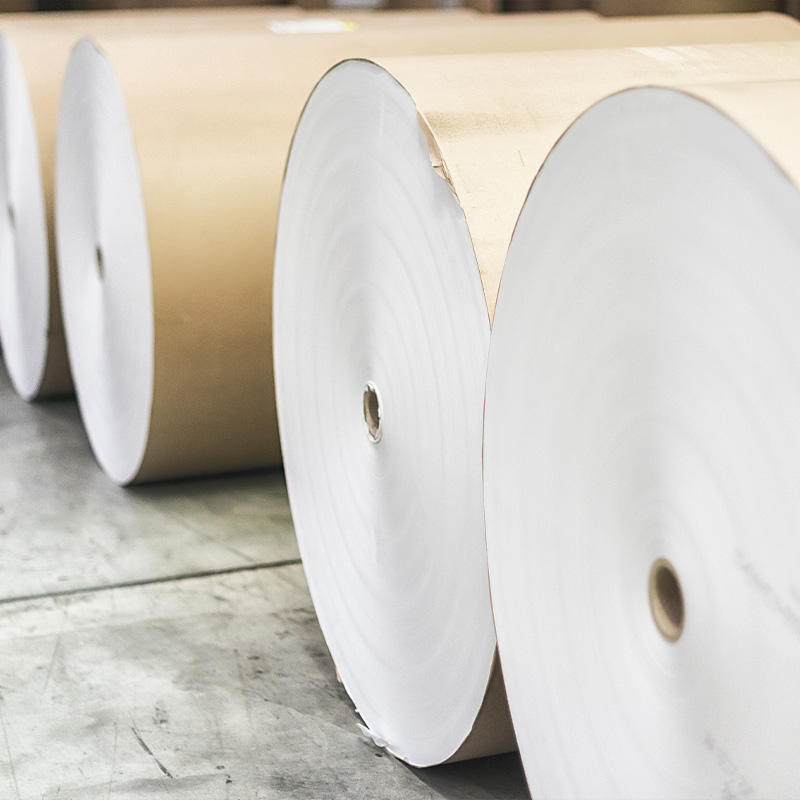



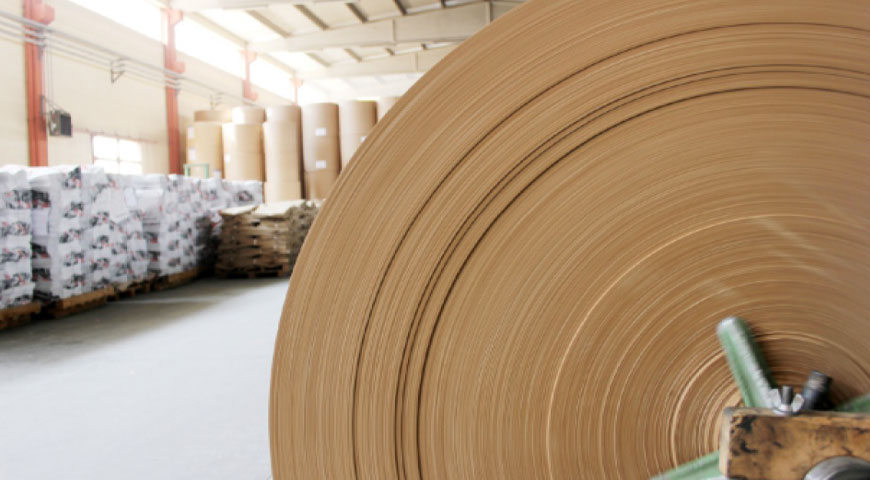
How Fiber Composition Shapes Base Paper Performance
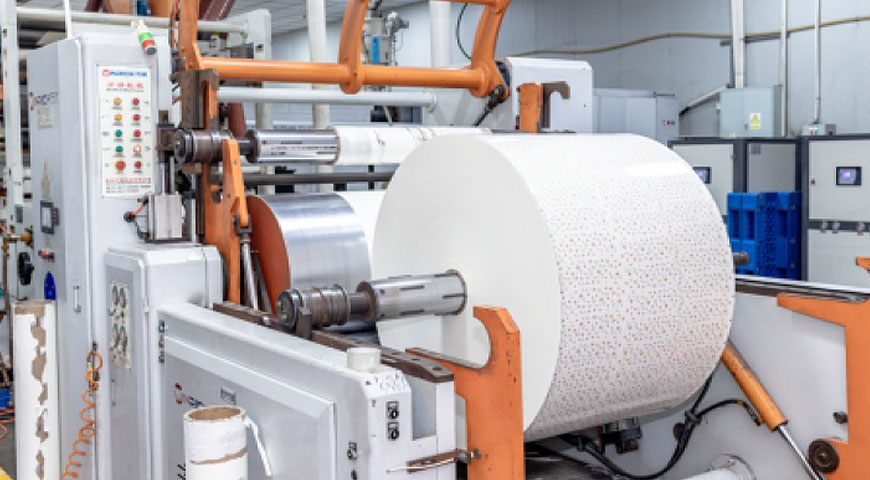
The fiber furnish used in manufacturing base paper has a direct bearing on stiffness, surface smoothness, and how well the sheet accepts PE or PLA coating downstream. Most food-grade base paper for cup and bowl applications is produced from virgin bleached kraft pulp — either softwood (long fiber) or hardwood (short fiber), or a blend of both.
Softwood fibers contribute tensile strength and tear resistance, which matters during high-speed forming. Hardwood fibers improve surface smoothness and formation uniformity, reducing coating defects such as pinholes. A typical furnish blend for cup stock runs 70–80% hardwood and 20–30% softwood, though this shifts toward higher softwood content when extra rigidity is required — for instance, in large-format bowl stock above 300 gsm.
Recycled fiber content is increasingly requested by brands pursuing sustainability targets, but its use in food-contact applications remains tightly regulated. Most jurisdictions require virgin fiber for the food-contact layer, with recycled content confined to an inner ply that does not touch the product.
Grammage Ranges and Matching Them to End Use
Choosing the right grammage is one of the most consequential decisions in cup and bowl specification. Below is a practical reference for common food packaging formats:
| Application | Recommended Grammage (gsm) | Key Requirement |
|---|---|---|
| Cold drink cup (single-wall) | 170–200 | Smooth surface for printing |
| Hot drink cup (single-wall) | 200–230 | Rigidity under heat |
| Soup / noodle bowl | 250–350 | Structural integrity when filled |
| Food box / clamshell | 300–400 | Stacking strength |
Specifying a grammage that is too low to save material cost is a false economy — it typically results in elevated rejection rates on the forming line and customer complaints about cup deformation in the field.
Surface Sizing and Its Effect on Coating Adhesion
Base paper intended for PE or PLA extrusion coating undergoes surface sizing during the papermaking process — a step that applies a thin layer of starch or synthetic sizing agent to the sheet surface. This treatment serves two purposes: it reduces surface porosity to prevent excessive PE penetration during extrusion, and it improves the adhesion bond between the paper substrate and the coating layer.
Inadequate surface sizing leads to coating delamination — a failure mode where the PE layer separates from the paper under thermal stress or mechanical flexing. This is particularly problematic in cup sidewall areas, where the paper is bent and heat-sealed simultaneously during forming. Buyers should request surface sizing level data (typically reported as surface starch pickup in g/m²) as part of the incoming quality check for any new base paper supplier.
Moisture Content: The Hidden Variable in Roll-to-Roll Processing
Base paper is hygroscopic — it continuously exchanges moisture with the surrounding environment. The target moisture content at the point of coating or converting is typically 6–8%. Rolls outside this range create predictable but often overlooked problems:
- Over-dry paper (<5%) becomes brittle, increasing the risk of edge cracking during high-tension unwinding and die-cutting.
- Over-wet paper (>9%) generates steam at the extrusion nip, causing blister defects in the PE coating and adhesion failures that are impossible to detect until the cup leaks in use.
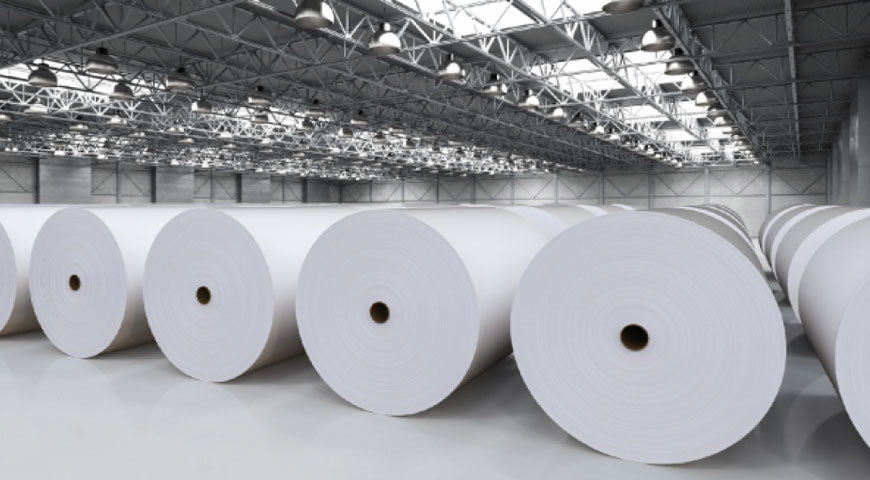
Rolls should be stored on-end (never flat) in climate-controlled warehouses and consumed within 90 days of manufacture for optimal processing consistency. We condition all outgoing base paper rolls to verified moisture targets before dispatch, reducing customer line stoppages caused by material variability.