

-
Products
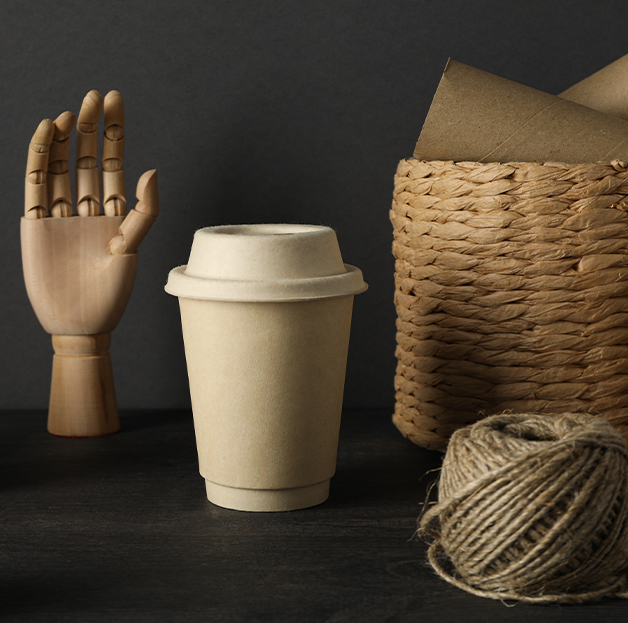
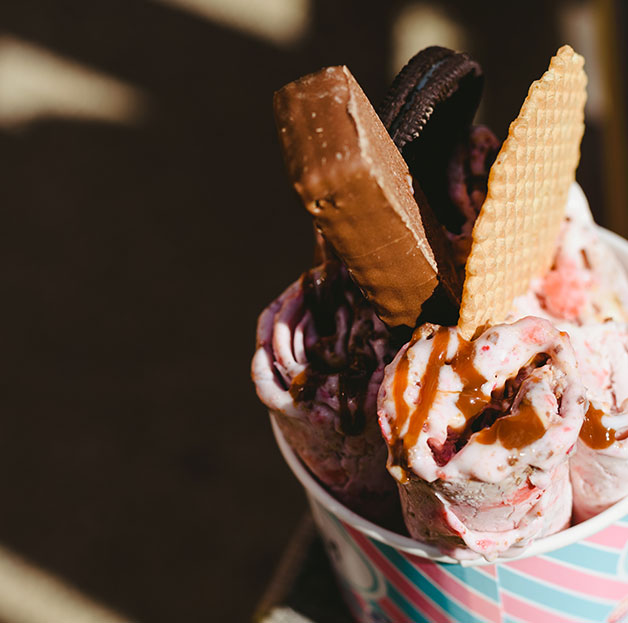
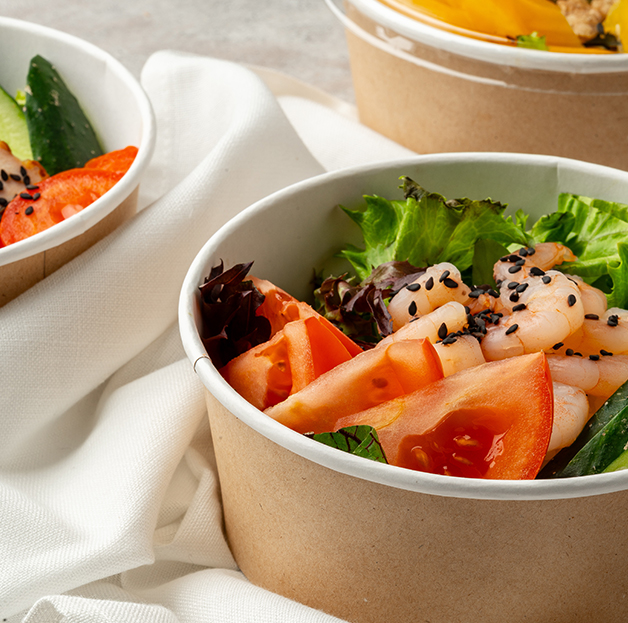
-
Food Packaging Solution
Mission & PhilosophyRenmin Eco-Tech adheres to the philosophy of green, innovation, and responsibility, placing customers at the center and valuing dedicated professionals. We aim to integrate sustainability and eco-consciousness into every product.
 Green Innovation Leading the Future
 -
Our Story
Why Choose Us?Hangzhou Renmin Eco-tech Co., Ltd, situated in the picturesque city of Hangzhou, Zhejiang, is a leading paper product research, development, and sales company. Established in 2004, we specialize in eco-friendly solutions such as Base Paper Rolls, PE Coated Paper Rolls, Paper Cup Fans, Paper Bowl and Box Fans, Die-cut Sheets, etc, for food packaging, and Aluminum Foil Film laminated paper.
 Coming From China, Marketing To The World.
 -
News
 Aluminum Foil Paper Bowls: Structure, Performance & Foodservice Applications
What Aluminum Foil Paper Bowls Actually Are — And Why the Laminate Structure Matters Aluminum foil paper bowls are composite containers built from two bonded materials: a structural paperboard base t...
 English
 中文简体
中文简体 Français
 Español
 عربى
عربىIndustry News
Paper Soup Bowls: Eco-Friendly, Leak-Proof & Custom Guide
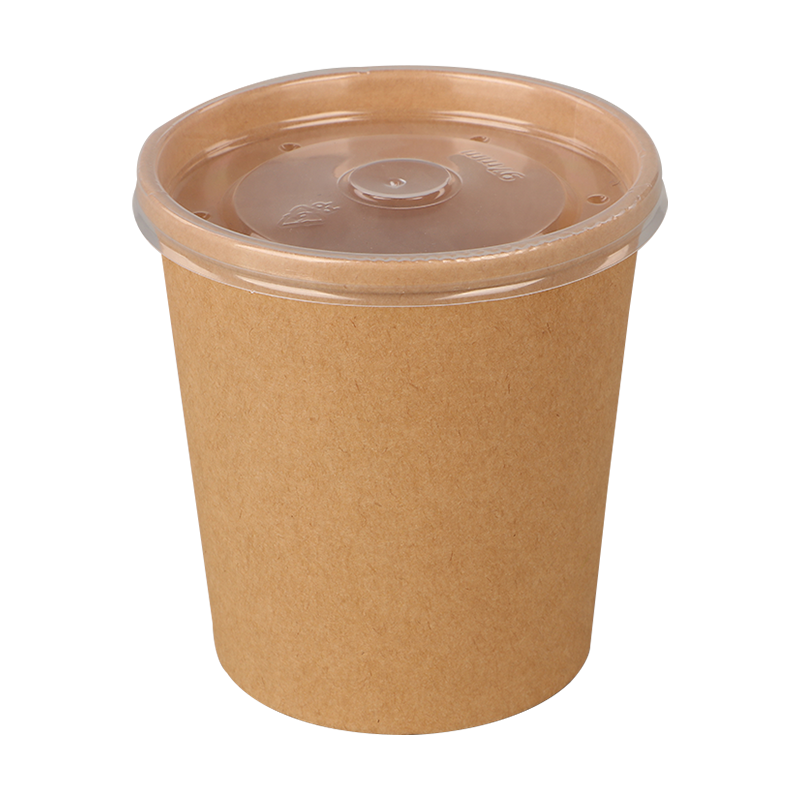
High-quality paper soup bowls have become the essential standard for modern food service businesses aiming to balance convenience, customer safety, and environmental responsibility. These containers offer a robust, leak-proof solution for hot liquids that reduces plastic waste by up to 90% compared to traditional polystyrene alternatives. By utilizing advanced lining technologies and sustainable sourcing, premium paper soup bowls ensure that hot broths, stews, and noodles remain secure during delivery or takeaway, enhancing brand reputation while meeting increasingly strict global sustainability regulations.
Content
Material Composition and Lining Technologies
The core functionality of any paper soup bowl lies in its ability to hold liquid without disintegrating. Since paper is naturally porous, manufacturers apply specific linings to create a waterproof barrier. Understanding these materials is crucial for selecting the right product for your needs.
PE (Polyethylene) Lining
Traditional paper soup bowls often use a thin layer of Polyethylene (PE) plastic. This method is cost-effective and provides excellent heat resistance, making it suitable for boiling hot soups. PE-lined bowls can withstand temperatures up to 100°C (212°F) without leaking. However, because PE is a plastic, these bowls are difficult to recycle in standard facilities and do not biodegrade easily, which may conflict with zero-waste initiatives.
PLA (Polylactic Acid) and Water-Based Coatings
For eco-conscious brands, PLA-lined or water-based acrylic coated bowls are the superior choice. PLA is derived from renewable resources like corn starch. These bowls are fully compostable in industrial facilities, breaking down within 90-180 days. While slightly more expensive, they appeal to environmentally aware consumers and comply with bans on single-use plastics in many regions. Water-based coatings offer a middle ground, being recyclable in paper streams while providing adequate leak protection for warm foods.
Thermal Insulation and User Experience
Beyond containing the liquid, a high-performance paper soup bowl must protect the consumer’s hands from heat. Poor insulation leads to customer dissatisfaction and potential liability issues.
Double-Wall Construction
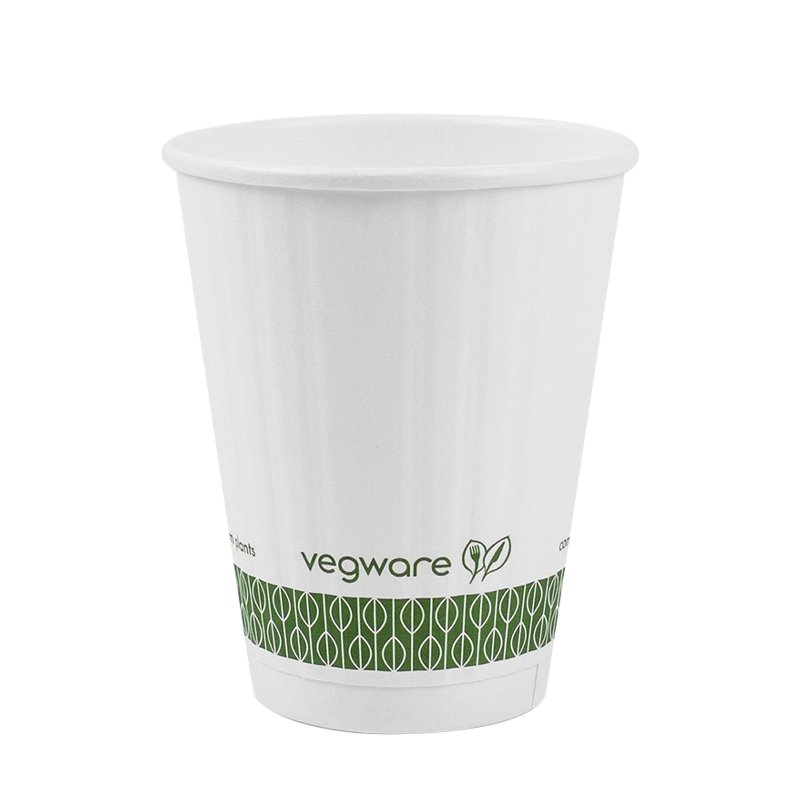
Premium paper soup bowls often feature a double-wall design. This structure creates an air pocket between the inner and outer layers, acting as a thermal insulator. Double-wall bowls can reduce external surface temperature by up to 15°C (27°F) compared to single-wall equivalents. This allows customers to hold the bowl comfortably without needing extra sleeves or napkins, enhancing the dining experience.
Rim Design and Lid Compatibility
The rim of the bowl plays a critical role in preventing spills during transport. A rolled or reinforced rim adds structural integrity and provides a secure sealing surface for lids. Ensuring lid compatibility is vital; a tight seal prevents sloshing and retains heat. Many modern designs include vented lids to release steam, preventing the soup from becoming soggy or the lid from popping off due to pressure buildup.
Environmental Impact and Sustainability
Switching to paper soup bowls is a significant step toward reducing the carbon footprint of food service operations. However, not all paper bowls are created equal in terms of environmental impact.
| Material Type | Biodegradable | Recyclable | Source |
|---|---|---|---|
| PE-Lined Paper | No | Difficult | Wood Pulp + Plastic |
| PLA-Lined Paper | Yes (Industrial) | No | Wood Pulp + Corn Starch |
| Water-Based Coated | Yes | Yes | Wood Pulp + Acrylic |
| Polystyrene (Styrofoam) | No | Rarely | Petroleum |
Water-based coated paper bowls are emerging as the most sustainable option, as they can be processed in standard paper recycling streams. Businesses should verify certifications such as FSC (Forest Stewardship Council) to ensure the paper pulp is sourced from responsibly managed forests.
Customization and Branding Opportunities
Paper soup bowls serve as a mobile billboard for your brand. Unlike generic plastic containers, paper surfaces are highly receptive to high-quality printing, allowing for creative marketing strategies.
Printing Techniques
Flexographic printing is commonly used for large runs, offering cost-effective full-color designs. For shorter runs or premium looks, digital printing allows for intricate details and variable data. Using soy-based or vegetable-based inks enhances the eco-friendly profile of the packaging, aligning with the sustainable message of the product itself.
Design Best Practices
When designing custom paper soup bowls, prioritize visibility. Place logos and contact information on the upper third of the bowl, as this area remains visible even when the bowl is held or stacked. Include clear instructions for disposal (e.g., "Compost Me" or "Recycle") to educate consumers and reinforce your brand’s commitment to sustainability.
Selection Guide for Food Service Businesses
Choosing the right paper soup bowl depends on several operational factors. Here is a checklist to guide your purchasing decision.
- Volume and Temperature: For boiling hot soups, ensure the bowl is rated for high temperatures. Double-wall is recommended for direct hand-holding.
- Lid Security: Test sample bowls with your intended lids. A snap-fit lid is crucial for delivery services to prevent spills during transit.
- Local Regulations: Check local laws regarding single-use plastics. Many cities now ban PE-lined paper products, making PLA or water-based options mandatory.
- Storage Space: Paper bowls are bulkier than plastic. Ensure you have adequate dry storage space, as they must be kept away from moisture to maintain structural integrity.
Your email address will not be published. Required fields are marked *
We're Here To Help.

Copyright © HANGZHOU RENMIN ECO-TECH CO.,LTD. All Rights Reserved
Eco Friendly Food Packaging Solution Food Paper Packaging Manufacturer
