

-
Products


-
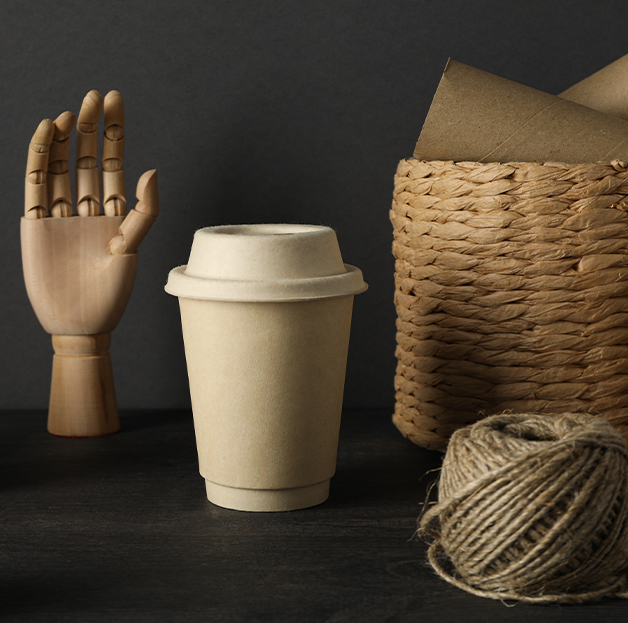
Food Packaging Solution
Mission & PhilosophyRenmin Eco-Tech adheres to the philosophy of green, innovation, and responsibility, placing customers at the center and valuing dedicated professionals. We aim to integrate sustainability and eco-consciousness into every product.
 Green Innovation Leading the Future
 -
Our Story
Why Choose Us?Hangzhou Renmin Eco-tech Co., Ltd, situated in the picturesque city of Hangzhou, Zhejiang, is a leading paper product research, development, and sales company. Established in 2004, we specialize in eco-friendly solutions such as Base Paper Rolls, PE Coated Paper Rolls, Paper Cup Fans, Paper Bowl and Box Fans, Die-cut Sheets, etc, for food packaging, and Aluminum Foil Film laminated paper.
 Coming From China, Marketing To The World.
 -
News
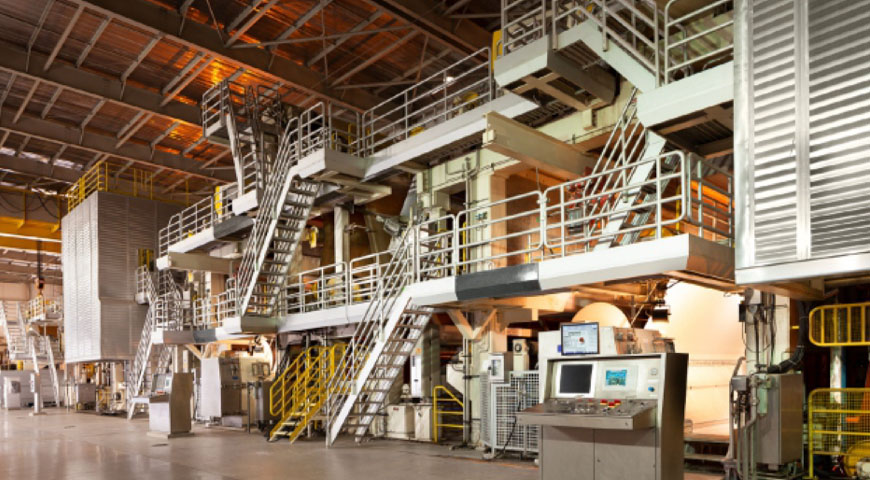 Aluminum Foil Paper Bowls: Structure, Performance & Foodservice Applications
What Aluminum Foil Paper Bowls Actually Are — And Why the Laminate Structure Matters Aluminum foil paper bowls are composite containers built from two bonded materials: a structural paperboard base t...
 English
 中文简体
中文简体 Français
 Español
 عربى
عربىIndustry News
Disposable Knife Guide: Materials, Uses & Eco-Friendly Options
A high-quality disposable knife offers a practical, hygienic, and safe solution for single-use dining scenarios, eliminating the need for washing while maintaining functional cutting performance. Modern advancements in materials have transformed these utensils from flimsy afterthoughts into reliable tools suitable for everything from backyard barbecues to corporate catering.
Content
Material Innovations Beyond Traditional Plastic
The landscape of disposable cutlery has shifted dramatically due to environmental regulations and consumer demand for sustainability. While polystyrene was once the standard, today’s market offers diverse material options that balance durability with ecological responsibility.
Biodegradable and Compostable Options
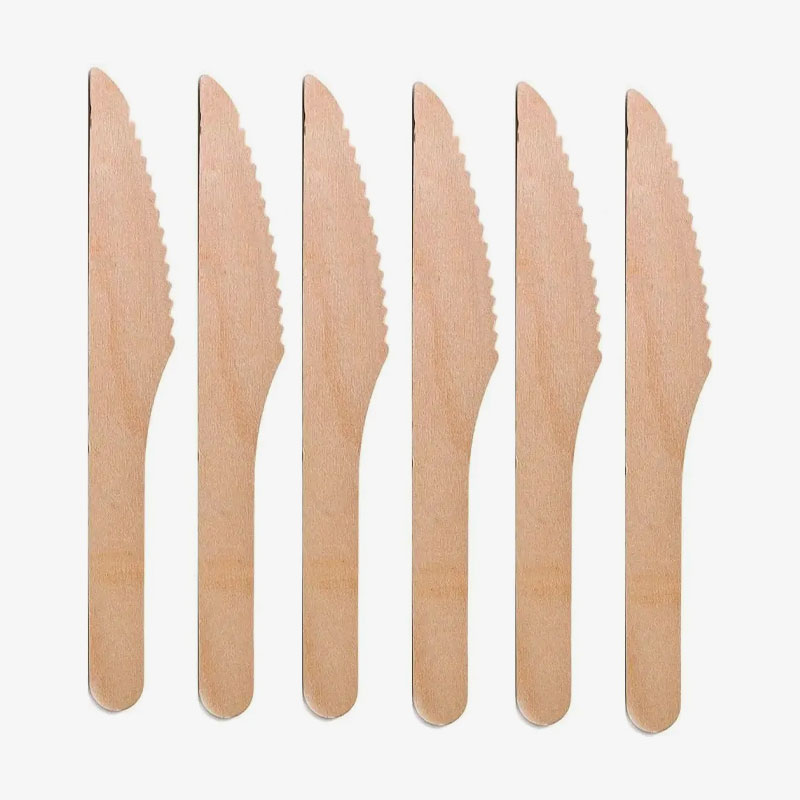
Materials like CPLA (Crystallized Polylactic Acid), bamboo, and wood have gained prominence. CPLA knives can withstand temperatures up to 85°C (185°F) without bending, making them ideal for hot meals. Unlike traditional plastics, these materials break down in industrial composting facilities within 90-180 days.
- Bamboo: Naturally antimicrobial and highly durable
- Wood: Lightweight and fully biodegradable in home compost
- Cornstarch-based PLA: Renewable resource but requires industrial composting
Heavy-Duty Plastic Alternatives
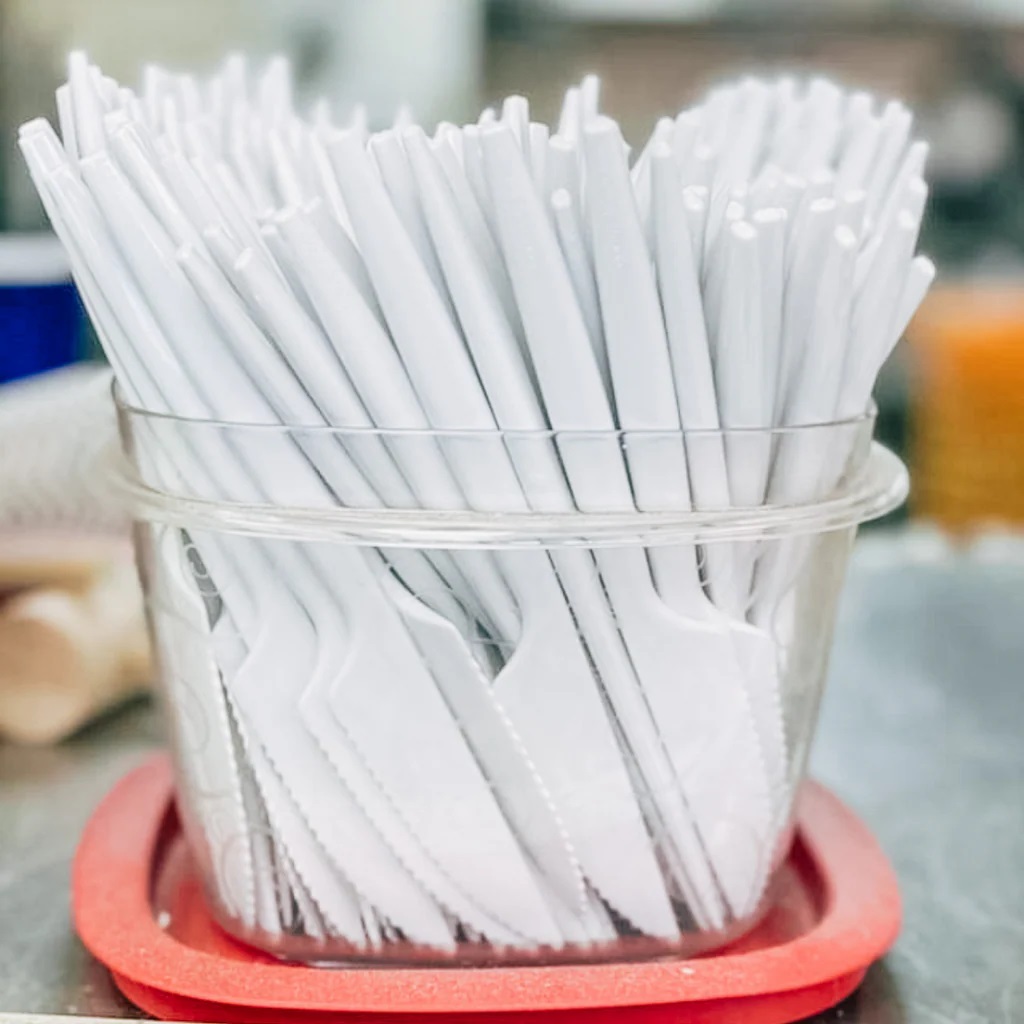
For events where recycling infrastructure is limited, high-density polypropylene (PP) remains a viable option. These knives are designed to be robust enough for multiple uses during a single event before being recycled, reducing overall waste volume compared to flimsier alternatives.
Performance and Functional Design
A disposable knife must perform its primary function: cutting. Poorly designed utensils can ruin the dining experience, leading to frustration and increased food waste. Modern engineering focuses on blade geometry and handle ergonomics.
| Material | Cutting Ability | Heat Resistance | Eco-Friendliness |
|---|---|---|---|
| Polystyrene (PS) | Low | Low | Poor |
| Polypropylene (PP) | Medium-High | High | Recyclable |
| CPLA | High | Very High | Compostable |
| Birch Wood | Medium | High | Biodegradable |
Serrated edges are critical for effective cutting, especially for foods with tough exteriors like steak or crusty bread. Smooth-edged disposable knives often fail under pressure, requiring users to saw ineffectively.
Hygiene and Safety Advantages
In post-pandemic environments, hygiene has become a top priority for food service providers. Disposable knives eliminate the risk of cross-contamination associated with improper washing of reusable cutlery.
Reduced Cross-Contamination Risk
Each user receives a brand-new, sterile utensil. This is particularly important in buffet settings or large gatherings where thousands of people may dine. Using disposable knives reduces the likelihood of transmitting pathogens by nearly 100% compared to shared reusable sets if washing protocols are not strictly followed.
Safety in High-Traffic Environments
Disposable knives are generally less sharp than their metal counterparts, reducing the risk of accidental cuts in crowded environments like festivals or school cafeterias. However, they must still be sturdy enough to prevent breaking during use, which could create sharp fragments.
Cost-Efficiency for Businesses
For restaurants, caterers, and event planners, the total cost of ownership extends beyond the purchase price of the utensil. Factors such as labor, water, and energy for washing reusables must be considered.
Labor and Utility Savings
Eliminating the dishwashing process saves significant labor hours. A typical commercial dishwasher consumes 1-2 gallons of water per rack, plus electricity for heating and drying. For large events, switching to disposables can reduce operational costs by 15-20% when factoring in labor and utilities.
Storage and Logistics
Disposable knives are lightweight and stackable, requiring minimal storage space compared to bulky racks of silverware. This efficiency is crucial for mobile catering units or small kitchens with limited square footage.
Choosing the Right Disposable Knife
Selecting the appropriate disposable knife depends on the specific application, menu items, and environmental goals of the event or business.
- Assess the Menu: For soft foods like cake or pasta, standard PLA or wood suffices. For meats or hard vegetables, choose heavy-duty CPLA or reinforced PP with serrated edges.
- Check Local Regulations: Many regions have banned single-use plastics. Ensure your choice complies with local laws regarding compostable or biodegradable materials.
- Evaluate Disposal Infrastructure: If industrial composting is unavailable, opt for recyclable PP or wood that can be disposed of in general waste with lower environmental guilt than plastic.
- Consider Brand Image: Eco-friendly utensils signal corporate social responsibility. Using high-quality, sustainable knives can enhance customer perception and brand loyalty.
By carefully matching the utensil to the need, businesses can provide a superior dining experience while managing costs and environmental impact effectively.
Your email address will not be published. Required fields are marked *


We're Here To Help.

Copyright © HANGZHOU RENMIN ECO-TECH CO.,LTD. All Rights Reserved
Eco Friendly Food Packaging Solution Food Paper Packaging Manufacturer
