

-
Products

-
Food Packaging Solution
Mission & PhilosophyRenmin Eco-Tech adheres to the philosophy of green, innovation, and responsibility, placing customers at the center and valuing dedicated professionals. We aim to integrate sustainability and eco-consciousness into every product.
 Green Innovation Leading the Future
 -
Our Story
Why Choose Us?Hangzhou Renmin Eco-tech Co., Ltd, situated in the picturesque city of Hangzhou, Zhejiang, is a leading paper product research, development, and sales company. Established in 2004, we specialize in eco-friendly solutions such as Base Paper Rolls, PE Coated Paper Rolls, Paper Cup Fans, Paper Bowl and Box Fans, Die-cut Sheets, etc, for food packaging, and Aluminum Foil Film laminated paper.
 Coming From China, Marketing To The World.
 -
News
 Aluminum Foil Paper Bowls: Structure, Performance & Foodservice Applications
What Aluminum Foil Paper Bowls Actually Are — And Why the Laminate Structure Matters Aluminum foil paper bowls are composite containers built from two bonded materials: a structural paperboard base t...
 English
 中文简体
中文简体 Français
 Español
 عربى
عربىIndustry News
Compostable Cold Paper Cups: Materials, Standards & Guide
Content
The Sustainable Shift in Disposable Beverage Service
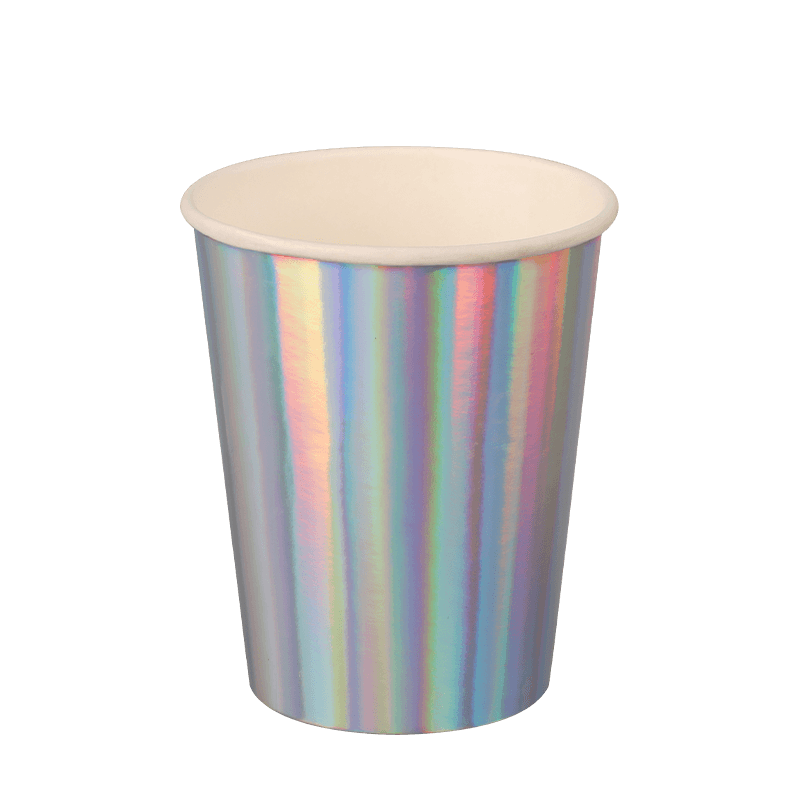
Compostable cold paper cups represent a critical evolution in single-use packaging, offering a viable alternative to traditional plastic-lined or polyethylene-coated containers. Unlike conventional cups that persist in landfills for centuries, these innovative vessels are engineered to break down into non-toxic organic matter under specific conditions. The core advantage lies in their use of polylactic acid (PLA) or aqueous coatings instead of fossil-fuel-based plastics, ensuring that the entire product lifecycle aligns with circular economy principles.
For businesses and consumers, switching to compostable cold paper cups reduces carbon footprint and mitigates plastic pollution. However, true sustainability requires understanding the difference between "biodegradable" and "compostable," as well as the specific infrastructure needed for proper disposal. When managed correctly, these cups can decompose within 90–180 days in industrial facilities, returning nutrients to the soil rather than accumulating as waste.
Material Composition and Barrier Technologies
The functionality of a cold paper cup depends on its ability to hold liquid without leaking or becoming soggy. Traditional cups use polyethylene (PE) liners, which are difficult to separate from paper during recycling. Compostable cold paper cups utilize advanced barrier technologies that maintain integrity during use but degrade efficiently afterward.
| Lining Type | Source Material | Decomposition Time | Best Use Case |
|---|---|---|---|
| PLA (Polylactic Acid) | Corn starch or sugarcane | 90–180 days (Industrial) | Cold beverages, smoothies, iced coffee |
| Aqueous Coating | Water-based polymer dispersion | 30–90 days (Home/Industrial) | Short-term use, high-recyclability zones |
| PBAT Blend | Petroleum-based biodegradable polyester | 180+ days (Industrial) | Enhanced durability for longer events |
Performance in Cold Applications
PLA linings are particularly effective for cold drinks because they remain rigid and leak-proof at temperatures below 40°C (104°F). Unlike hot cup linings that require higher heat resistance, cold cup materials prioritize clarity and stiffness. This ensures that condensation does not compromise the cup’s structural integrity, providing a reliable user experience for iced teas, sodas, and cold brew coffees.
Certification Standards and Verification
Not all products labeled "eco-friendly" are truly compostable. To ensure environmental claims are valid, buyers must look for third-party certifications that verify biodegradability and non-toxicity. These standards test for disintegration, heavy metal content, and plant growth safety.
- ASTM D6400 / EN 13432: The primary standards for industrial compostability. They require that at least 90% of the material breaks down within 180 days in a controlled facility. Look for the BPI (Biodegradable Products Institute) or OK Compost logo.
- AS 5810 (Home Compostable): A stricter standard requiring degradation at lower ambient temperatures (typically 20–30°C). Cups with this certification can be disposed of in backyard compost bins, making them ideal for residential use or areas lacking industrial facilities.
- TÜV Austria OK Compost HOME: Verifies that the product breaks down in home composting systems without leaving toxic residues. This is crucial for brands targeting environmentally conscious consumers who manage their own waste.
Always verify the certification mark on the packaging. Without these credentials, a cup may simply be biodegradable under undefined conditions, potentially leaving microplastics or harmful chemicals in the environment.
Disposal Infrastructure and End-of-Life Management
The environmental benefit of compostable cold paper cups is realized only if they are disposed of correctly. Throwing them in general trash sends them to landfills where anaerobic conditions prevent decomposition, leading to methane generation. Proper end-of-life management requires clear consumer education and accessible infrastructure.
- Industrial Composting Facilities: Most PLA-lined cups require high temperatures (50–60°C) and specific microbial activity found in industrial facilities. Businesses should partner with local waste haulers who accept certified compostables to ensure proper processing.
- Contamination Risks: Mixing compostable cups with recyclables contaminates the paper stream, while mixing them with regular trash negates their benefit. Clear signage with images of accepted items is essential at disposal stations to reduce sorting errors.
- Home Composting Limitations: While some aqueous-coated cups are home compostable, most PLA cups are not. Consumers should check local guidelines. If home composting is not viable, the cup should go to industrial compost or, as a last resort, general waste if no other option exists.
Business Implementation Strategies
For cafes and event organizers, transitioning to compostable cold paper cups involves more than just purchasing new stock. Staff training on waste separation, customer communication about disposal methods, and auditing waste streams are critical steps. By creating a closed-loop system, businesses can significantly reduce their landfill contribution and enhance their brand reputation as sustainability leaders.
Your email address will not be published. Required fields are marked *
We're Here To Help.

Copyright © HANGZHOU RENMIN ECO-TECH CO.,LTD. All Rights Reserved
Eco Friendly Food Packaging Solution Food Paper Packaging Manufacturer
