

-
Products
-
Food Packaging Solution
Mission & PhilosophyRenmin Eco-Tech adheres to the philosophy of green, innovation, and responsibility, placing customers at the center and valuing dedicated professionals. We aim to integrate sustainability and eco-consciousness into every product.
 Green Innovation Leading the Future
 -
Our Story
Why Choose Us?Hangzhou Renmin Eco-tech Co., Ltd, situated in the picturesque city of Hangzhou, Zhejiang, is a leading paper product research, development, and sales company. Established in 2004, we specialize in eco-friendly solutions such as Base Paper Rolls, PE Coated Paper Rolls, Paper Cup Fans, Paper Bowl and Box Fans, Die-cut Sheets, etc, for food packaging, and Aluminum Foil Film laminated paper.
 Coming From China, Marketing To The World.
 -
News
 Aluminum Foil Paper Bowls: Structure, Performance & Foodservice Applications
What Aluminum Foil Paper Bowls Actually Are — And Why the Laminate Structure Matters Aluminum foil paper bowls are composite containers built from two bonded materials: a structural paperboard base t...
 English
 中文简体
中文简体 Français
 Español
 عربى
عربىIndustry News
Paper Noodle Bowls: The Complete Buying Guide for Restaurants & Takeaway
Paper noodle bowls have become an essential part of modern food service operations. Whether you run a ramen shop, a noodle bar, or a busy takeaway counter, choosing the right disposable bowl directly affects food presentation, customer satisfaction, and your environmental footprint. This guide walks through everything you need to know before placing your next bulk order.
Content
What Are Paper Noodle Bowls?
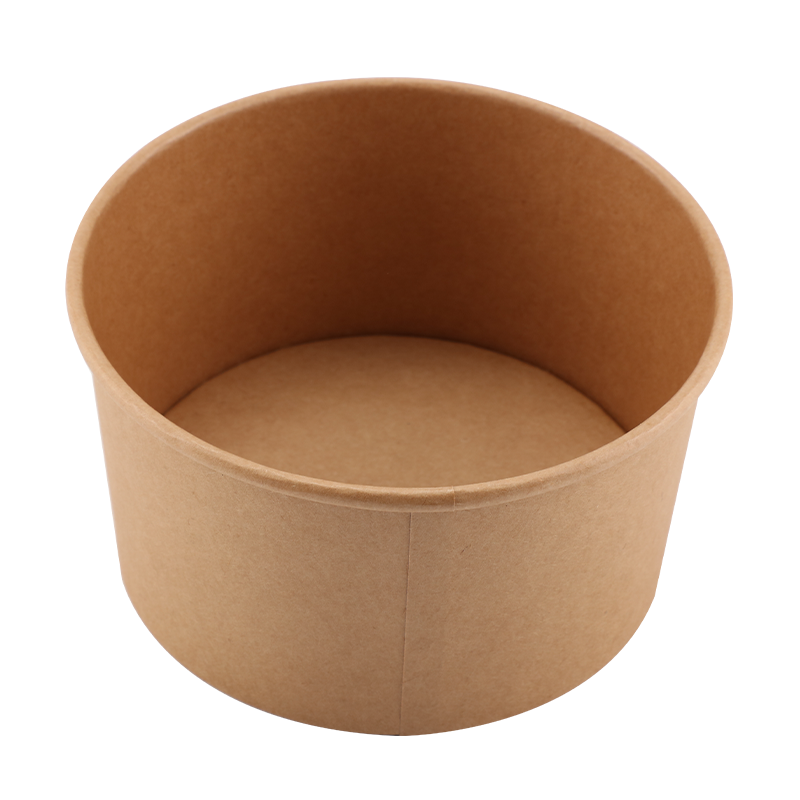
Paper noodle bowls are disposable food containers engineered specifically to hold hot, broth-heavy dishes without leaking or losing structural integrity. Unlike standard paper plates or general-purpose bowls, noodle bowls feature a deeper profile, reinforced walls, and an interior lining — typically PE or PLA — that creates a moisture barrier between the food and the paperboard shell.
The result is a container that can hold hot soups, ramen broth, udon, pho, and other liquid-rich dishes safely during delivery or dine-in service. Most paper noodle bowls are also compatible with lids, making them a practical choice for takeaway and food delivery operations.
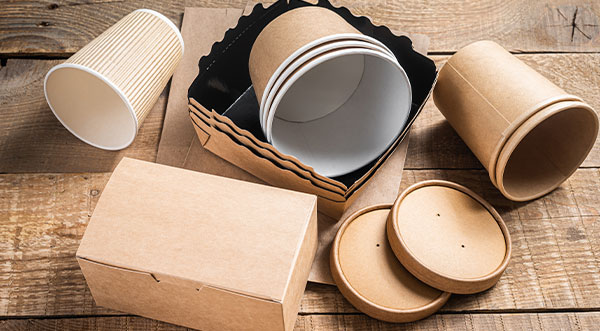
Beyond functionality, paper noodle bowls offer a clean, professional appearance that can be custom printed with your brand logo and colors — turning every order into a marketing touchpoint.
Key Materials: Kraft, PLA-Lined & Sugarcane
The material composition of a paper noodle bowl determines its heat resistance, leak protection, compostability, and overall durability. There are three primary options on the market today:
| Material | Heat Resistance | Leak Protection | Compostable | Best For |
|---|---|---|---|---|
| Kraft Paper + PE Lining | Good | Excellent | No | Budget takeaway, high volume |
| White Paperboard + PLA Lining | Good | Very Good | Yes (industrial) | Eco-conscious brands, casual dining |
| Sugarcane Bagasse (Fiber) | Excellent | Good | Yes (home & industrial) | Premium eco packaging, hot soups |
Kraft paper bowls with a PE (polyethylene) lining are the most widely available and cost-effective option. They offer robust waterproofing and are well-suited for high-volume operations where price matters. The trade-off is that PE-lined bowls are not compostable and are difficult to recycle due to the mixed materials.
PLA-lined paperboard bowls use a plant-based bioplastic coating derived from corn starch. They are certified compostable under industrial conditions and present a clean white finish ideal for branded printing. Note that PLA is not suitable for extreme temperatures — prolonged exposure above 60°C may cause softening.
Sugarcane bagasse bowls are made from the fiber left over after sugarcane juice extraction. They offer the best heat resistance among fiber options, are microwave safe for short durations, and break down in both industrial and home composting environments — making them the most sustainable choice available.
Choosing the Right Size for Your Menu
Paper noodle bowls are available in a range of sizes, and selecting the right capacity for each dish ensures portion consistency and minimizes food waste. Here is a practical breakdown of the most common sizes:
- 8 oz — Ideal for small side dishes, appetizer portions, or tasting servings of soups.
- 12 oz — A versatile size for snack-sized ramen, noodle salads, or kids' portions.
- 16 oz — The most popular size for standard single servings of ramen, pho, or udon.
- 26 oz — Suited for generous restaurant portions or dishes with large toppings like soft-boiled eggs, bamboo shoots, and chashu pork.
- 32 oz — Best for jumbo servings, family-style sharing bowls, or catering contexts.
When in doubt, size up rather than down. A bowl that is too small will cause spillage, compress toppings, and create a poor customer experience — especially during delivery.
Benefits for Restaurants and Takeaway Businesses
Switching to paper noodle bowls offers measurable advantages across operations, branding, and customer experience:
- Lightweight and stackable: Paper bowls take up significantly less storage space than plastic or foam alternatives, and their stackable design makes kitchen workflow faster and more organized.
- Brand visibility: Custom printed paper noodle bowls allow businesses to display their logo, brand colors, and messaging on every single order — both dine-in and delivery. This creates consistent brand exposure at no additional marketing cost.
- Customer perception: Diners and delivery customers increasingly associate eco-friendly packaging with higher food quality. A well-designed paper bowl signals that your business pays attention to detail.
- Compliance readiness: As plastic bans and single-use regulations expand globally, paper-based packaging positions your business ahead of future compliance requirements without requiring operational overhauls.
For food trucks and pop-up operations, paper noodle bowls eliminate the need for washing equipment, reduce water usage, and keep service fast during peak hours.
Eco-Friendly & Certifications: What to Look For
Not all paper noodle bowls marketed as "eco-friendly" are equal. Before purchasing, verify that the product carries recognized third-party certifications rather than relying on vague claims like "green" or "natural."
The most credible certifications to look for include:
- BPI (Biodegradable Products Institute): Certifies compostability under ASTM D6400 standards in North America.
- TÜV Austria OK Compost: A widely recognized European certification for both industrial and home compostability.
- FSC (Forest Stewardship Council): Confirms that the paperboard used is sourced from responsibly managed forests.
- FDA Food Contact Compliance: Ensures that the bowl's lining and inks are food-safe for direct contact with hot food and liquids.
A critical distinction to understand: PE-lined bowls cannot be composted, even if the outer shell is paper. Only bowls with PLA or fiber-based linings meet composting standards. If sustainability is a core part of your brand positioning, always confirm the lining material before ordering.
How to Order Paper Noodle Bowls in Bulk
Bulk purchasing of paper noodle bowls delivers significant cost savings but requires a few considerations to ensure you get the right product at the right price.
Minimum Order Quantities (MOQ): Most manufacturers require MOQs ranging from 1,000 to 10,000 pieces for standard unprinted bowls, and 5,000 to 50,000 pieces for custom printed orders. If you are a small operator, look for wholesalers who offer smaller case packs — typically 250 units — without requiring a full production run.
Lead times: Standard stock bowls can ship within days. Custom printed orders typically require 3–6 weeks for design approval, production, and delivery. Plan your inventory accordingly, especially ahead of peak seasons.
What to request from your supplier:
- Material safety data sheets confirming food-grade compliance
- Compostability certification documents if eco claims are made
- Physical samples before committing to a large order
- Lid compatibility specifications to ensure a proper seal
Choosing a reliable paper food packaging supplier means looking beyond price alone. Consistency of quality across batches, responsive customer service, and transparent certification documentation are equally important factors for any food business serious about its packaging standards.
Your email address will not be published. Required fields are marked *
We're Here To Help.

Copyright © HANGZHOU RENMIN ECO-TECH CO.,LTD. All Rights Reserved
Eco Friendly Food Packaging Solution Food Paper Packaging Manufacturer
