

-
Products


-
Food Packaging Solution
Mission & PhilosophyRenmin Eco-Tech adheres to the philosophy of green, innovation, and responsibility, placing customers at the center and valuing dedicated professionals. We aim to integrate sustainability and eco-consciousness into every product.
 Green Innovation Leading the Future
 -
Our Story
Why Choose Us?Hangzhou Renmin Eco-tech Co., Ltd, situated in the picturesque city of Hangzhou, Zhejiang, is a leading paper product research, development, and sales company. Established in 2004, we specialize in eco-friendly solutions such as Base Paper Rolls, PE Coated Paper Rolls, Paper Cup Fans, Paper Bowl and Box Fans, Die-cut Sheets, etc, for food packaging, and Aluminum Foil Film laminated paper.
 Coming From China, Marketing To The World.
 -
News
 Aluminum Foil Paper Bowls: Structure, Performance & Foodservice Applications
What Aluminum Foil Paper Bowls Actually Are — And Why the Laminate Structure Matters Aluminum foil paper bowls are composite containers built from two bonded materials: a structural paperboard base t...
 English
 中文简体
中文简体 Français
 Español
 عربى
عربىIndustry News
Double Wall Hot Paper Cups: Benefits, Insulation & Sustainability
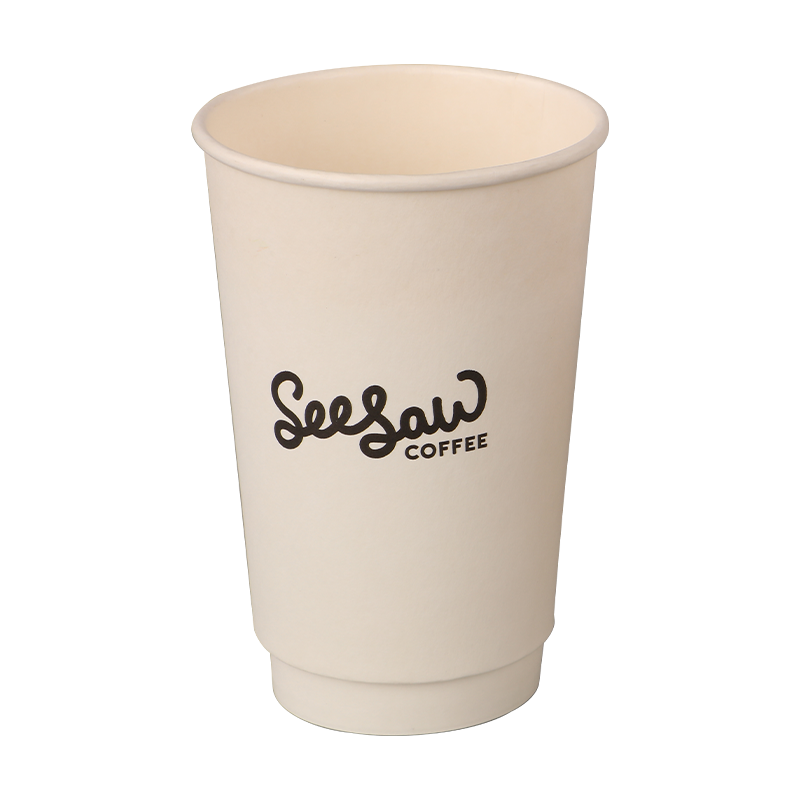
Double wall hot paper cups provide the optimal balance of thermal insulation, customer safety, and brand prestige for coffee shops and food service businesses. By utilizing an air pocket between two layers of paperboard, these cups reduce external surface temperature by approximately 30-40% compared to single-wall alternatives, eliminating the need for cardboard sleeves. This design not only enhances the user experience by preventing burns but also offers a superior canvas for high-quality printing, making them a strategic investment for brands aiming to elevate their perceived value while maintaining operational efficiency.
Content
Thermal Efficiency and Customer Safety
The primary engineering advantage of double wall cups lies in their construction. The inner wall holds the hot liquid, while the outer wall remains cool to the touch due to the insulating layer of trapped air. This air gap acts as a thermal barrier, significantly slowing down heat transfer. For consumers, this means they can hold the cup comfortably without discomfort or the risk of minor burns, which is particularly important for takeaway orders where customers may walk long distances.
Eliminating the Need for Sleeves
Single-wall cups typically require corrugated cardboard sleeves (zarfs) to protect hands from heat. However, sleeves add an extra step to the service process, increase storage requirements, and generate additional waste. Double wall cups integrate this protection directly into the vessel. This streamlines the workflow for baristas, reducing service time per customer by several seconds, which can accumulate to significant labor savings during peak hours. Furthermore, it removes the logistical burden of stocking and managing separate sleeve inventory.
- Heat Retention: Keeps beverages hot for longer periods, enhancing flavor profile preservation.
- Touch Temperature: External surface remains below 45°C (113°F), ensuring comfortable handling.
- Structural Rigidity: The dual-layer structure provides greater stiffness, reducing the likelihood of crushing or spilling.
Brand Enhancement and Aesthetic Appeal
From a marketing perspective, double wall cups offer a premium look and feel that single-wall cups cannot match. The smooth, uninterrupted outer surface provides an ideal canvas for high-resolution printing. Without the visual interruption of a sleeve, logos, patterns, and brand messages are fully visible, creating a stronger brand impression. The tactile experience of holding a sturdy, warm-but-not-hot cup conveys quality and attention to detail, influencing customer perception of the product inside.
Businesses can leverage this aesthetic advantage to justify higher price points for premium beverages. The perceived value of a drink served in a sleek, double-wall cup is inherently higher than one served in a standard cup with a loose sleeve. Additionally, the absence of a sleeve allows for creative design elements, such as wrap-around graphics or textured finishes, which can differentiate a brand in a crowded market.
| Feature | Single Wall + Sleeve | Double Wall |
|---|---|---|
| Insulation Method | Cardboard Sleeve | Air Pocket Layer |
| Brand Visibility | Obscured by Sleeve | Full 360° Visibility |
| Storage Space | High (Cups + Sleeves) | Moderate (Cups Only) |
| Perceived Value | Standard | Premium |
Sustainability and Environmental Considerations
While double wall cups use more paperboard than single-wall cups, they can offer environmental benefits when considering the entire lifecycle. By eliminating the need for a separate sleeve, they reduce the complexity of the waste stream. Sleeves are often made from different materials or have adhesives that complicate recycling processes. A single-material double wall cup is easier for consumers to dispose of correctly, as it does not require separating components before recycling.
Material Innovations and Compostability
Modern manufacturing has addressed traditional concerns regarding the recyclability of paper cups, which are often lined with polyethylene (PE) plastic. Many suppliers now offer double wall cups with aqueous coatings or polylactic acid (PLA) linings, which are commercially compostable and repulpable. These eco-friendly options allow businesses to align with sustainability goals without compromising on performance.
- Reduced Waste Volume: Eliminating sleeves reduces the total volume of packaging waste generated per cup.
- Simplified Recycling: Single-material construction improves the likelihood of successful recycling or composting.
- Sourcing Transparency: Look for FSC-certified paper sources to ensure responsible forestry practices.
Ultimately, double wall hot paper cups represent a smart choice for businesses prioritizing customer comfort, brand image, and operational efficiency. By understanding their thermal properties, aesthetic advantages, and evolving sustainability profiles, cafe owners and procurement managers can make informed decisions that benefit both their bottom line and their customers.
Your email address will not be published. Required fields are marked *

We're Here To Help.

Copyright © HANGZHOU RENMIN ECO-TECH CO.,LTD. All Rights Reserved
Eco Friendly Food Packaging Solution Food Paper Packaging Manufacturer
