

-
Products
-
Food Packaging Solution
Mission & PhilosophyRenmin Eco-Tech adheres to the philosophy of green, innovation, and responsibility, placing customers at the center and valuing dedicated professionals. We aim to integrate sustainability and eco-consciousness into every product.
 Green Innovation Leading the Future
 -
Our Story
Why Choose Us?Hangzhou Renmin Eco-tech Co., Ltd, situated in the picturesque city of Hangzhou, Zhejiang, is a leading paper product research, development, and sales company. Established in 2004, we specialize in eco-friendly solutions such as Base Paper Rolls, PE Coated Paper Rolls, Paper Cup Fans, Paper Bowl and Box Fans, Die-cut Sheets, etc, for food packaging, and Aluminum Foil Film laminated paper.
 Coming From China, Marketing To The World.
 -
News
 Aluminum Foil Paper Bowls: Structure, Performance & Foodservice Applications
What Aluminum Foil Paper Bowls Actually Are — And Why the Laminate Structure Matters Aluminum foil paper bowls are composite containers built from two bonded materials: a structural paperboard base t...
 English
 中文简体
中文简体 Français
 Español
 عربى
عربىIndustry News
Paper Noodle Bowls Guide: Materials, Safety & Best Uses
Content
The Practical Advantage of Disposable Paper Containers
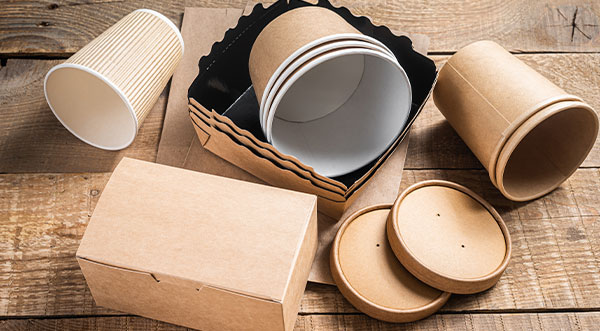
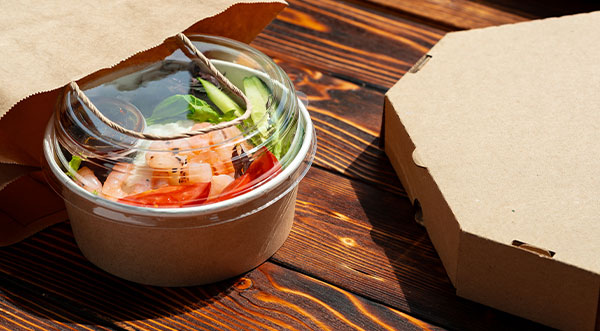
Paper noodle bowls have become the industry standard for takeout and delivery services, offering a lightweight, cost-effective, and versatile solution for serving hot soups, ramen, and stir-fries. Unlike traditional plastic or styrofoam containers, high-quality paper bowls provide better insulation, keeping food hotter for longer while maintaining structural integrity. Their ability to be branded with custom logos also makes them a powerful marketing tool for restaurants seeking to enhance brand visibility during delivery.
The core benefit lies in their balance of functionality and consumer perception. Modern paper bowls are engineered to withstand temperatures up to 100°C (212°F) without leaking or becoming soggy, thanks to advanced lining technologies. For businesses, switching to paper packaging can significantly improve customer satisfaction by providing a more premium dining experience at home, while also aligning with growing environmental concerns regarding single-use plastics.
Understanding Linings and Material Safety
Pure paper cannot hold liquids, so all paper noodle bowls require an inner lining to prevent leakage. The type of lining used determines the bowl's heat resistance, recyclability, and environmental impact. Understanding these materials is crucial for making informed purchasing decisions.
PE (Polyethylene) Lining
PE is the most common lining for paper bowls due to its low cost and excellent waterproofing properties. It forms a thin plastic layer inside the bowl that effectively contains hot broths and oils. However, PE-lined bowls are not biodegradable and are difficult to recycle because the plastic must be separated from the paper fiber. They are suitable for standard takeout operations where cost efficiency is the primary driver.
PLA (Polylactic Acid) Lining
PLA is a plant-based bioplastic derived from corn starch or sugarcane. Bowls with PLA linings are commercially compostable under specific industrial conditions, making them a preferred choice for eco-conscious brands. While slightly more expensive than PE, PLA offers similar heat resistance and leak-proof performance. It is important to note that PLA requires proper composting facilities to break down and should not be mixed with standard recycling streams.
| Lining Type | Heat Resistance | Biodegradability | Cost |
|---|---|---|---|
| PE (Polyethylene) | High (up to 100°C) | No | Low |
| PLA (Polylactic Acid) | High (up to 100°C) | Compostable | Moderate |
| Water-based Coating | Moderate (up to 90°C) | Recyclable | High |
Design Features and Structural Integrity
Not all paper bowls are created equal. The design and construction quality directly impact the user experience, particularly when dealing with heavy, hot liquids like ramen broth. Key structural features ensure that the bowl remains sturdy from the kitchen to the customer's table.
Wall Thickness and Rigidity
High-quality noodle bowls typically use paperboard with a weight of 250-350 gsm (grams per square meter). This thickness provides sufficient rigidity to prevent the bowl from collapsing when held with one hand. Thinner bowls may buckle under the weight of dense noodles and soup, leading to spills and customer dissatisfaction. Look for bowls with reinforced rims to further enhance stability.
Leak-Proof Seams and Lids
The side seam of the bowl is a potential weak point for leaks. Premium manufacturers use ultrasonic welding or high-quality adhesives to create a seamless bond that can withstand prolonged exposure to hot liquids. Additionally, a tight-fitting lid is essential for delivery. Vented lids allow steam to escape, preventing sogginess, while secure locking mechanisms ensure the lid stays in place during transport.
- Choose bowls with a wide base for better stability on uneven surfaces
- Opt for double-walled designs for superior heat insulation and hand comfort
- Ensure lids are made from compatible materials (e.g., PLA lid for PLA bowl)
- Test sample bowls with boiling water before placing bulk orders
Customization and Branding Opportunities
Paper noodle bowls offer a versatile canvas for branding, turning every delivery into a marketing opportunity. Custom printing allows restaurants to reinforce their brand identity and create a memorable unboxing experience for customers.
Printing Techniques
Flexographic printing is the most common method for large runs, offering cost-effective full-color designs. For smaller batches, digital printing provides flexibility without high setup costs. When designing, consider using food-safe inks and keeping critical information, such as ingredients or heating instructions, clearly visible. A well-designed bowl can increase brand recall by up to 70% compared to generic white packaging.
Eco-Friendly Messaging
If using compostable or recyclable materials, clearly label the bowl with appropriate certifications (such as BPI or OK Compost). This transparency builds trust with environmentally conscious consumers and differentiates your brand from competitors using standard plastics. Including a brief message about proper disposal can also help reduce contamination in recycling streams.
- Keep designs simple to reduce printing costs and maintain readability
- Use QR codes on the bowl to link to menus, social media, or feedback forms
- Ensure ink coverage does not compromise the structural integrity of the paper
- Consider seasonal designs to keep packaging fresh and engaging
In conclusion, paper noodle bowls are a vital component of modern food service, combining practicality with branding potential. By selecting the right lining material, ensuring structural durability, and leveraging customization options, businesses can enhance customer satisfaction and operational efficiency. Whether prioritizing cost-effectiveness with PE or sustainability with PLA, the right choice depends on your specific operational needs and brand values.
Your email address will not be published. Required fields are marked *
We're Here To Help.

Copyright © HANGZHOU RENMIN ECO-TECH CO.,LTD. All Rights Reserved
Eco Friendly Food Packaging Solution Food Paper Packaging Manufacturer
