

-
Products

-
Food Packaging Solution
Mission & PhilosophyRenmin Eco-Tech adheres to the philosophy of green, innovation, and responsibility, placing customers at the center and valuing dedicated professionals. We aim to integrate sustainability and eco-consciousness into every product.
 Green Innovation Leading the Future
 -
Our Story
Why Choose Us?Hangzhou Renmin Eco-tech Co., Ltd, situated in the picturesque city of Hangzhou, Zhejiang, is a leading paper product research, development, and sales company. Established in 2004, we specialize in eco-friendly solutions such as Base Paper Rolls, PE Coated Paper Rolls, Paper Cup Fans, Paper Bowl and Box Fans, Die-cut Sheets, etc, for food packaging, and Aluminum Foil Film laminated paper.
 Coming From China, Marketing To The World.
 -
News
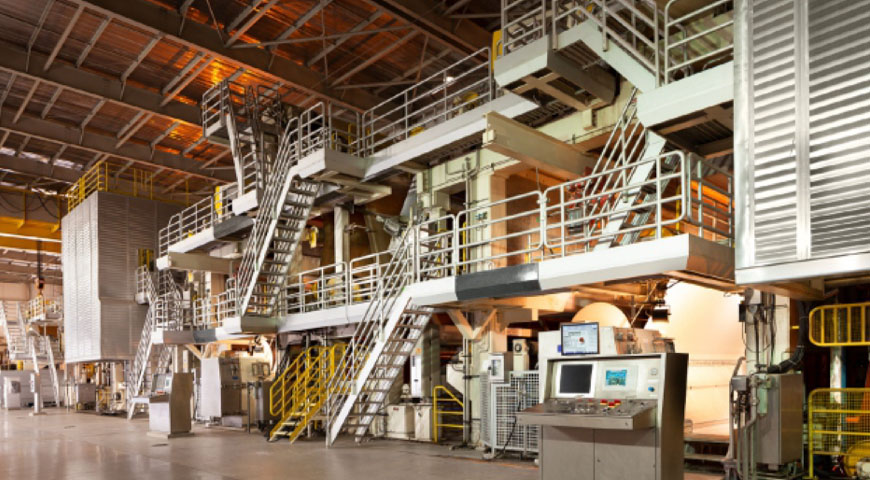 Aluminum Foil Paper Bowls: Structure, Performance & Foodservice Applications
What Aluminum Foil Paper Bowls Actually Are — And Why the Laminate Structure Matters Aluminum foil paper bowls are composite containers built from two bonded materials: a structural paperboard base t...
 English
 中文简体
中文简体 Français
 Español
 عربى
عربىIndustry News
Paper Noodle Bowls: Eco-Friendly Packaging Guide & Benefits
Paper noodle bowls have become the cornerstone of sustainable takeout packaging for Asian cuisine and hot food services. Engineered to withstand high temperatures and heavy, broth-based contents, these containers offer a robust alternative to traditional Styrofoam or plastic options. For restaurant owners and eco-conscious consumers, they represent a critical shift toward biodegradable solutions without compromising on functionality or customer experience.
The primary advantage of high-quality paper noodle bowls lies in their thermal insulation and structural integrity. Advanced manufacturing techniques allow these bowls to hold boiling soups and noodles for extended periods without leaking, sagging, or transferring excessive heat to the user’s hands. With the global ban on single-use plastics expanding, adopting premium paper bowls is no longer just an ethical choice but a regulatory necessity for many food businesses.
Content
Material Composition and Heat Resistance
Not all paper bowls are created equal. The ability of a paper noodle bowl to handle hot liquids depends heavily on the base paper weight and the internal lining material. Standard paper cups cannot withstand the same conditions as specialized noodle bowls, which are designed for heavier, solid-liquid mixtures.
PE vs. PLA Linings
Most paper noodle bowls feature a thin inner layer to prevent leakage. Polyethylene (PE) is the traditional standard, offering excellent water and oil resistance at a lower cost. However, Polylactic Acid (PLA), derived from corn starch, is gaining popularity as a fully compostable alternative. PLA linings break down in industrial composting facilities within 90-180 days, whereas PE can take centuries. For brands aiming for zero-waste certification, PLA-lined bowls are the superior choice.
Thermal Insulation Properties
High-grade noodle bowls often utilize double-wall construction or thicker single-wall paperboard (typically 300-400 gsm). This design minimizes heat transfer, keeping the food hot for up to 30-45 minutes while ensuring the exterior remains cool enough to hold comfortably. This insulation is crucial for delivery services, where travel time can significantly impact food quality.
Structural Design and Leak Prevention
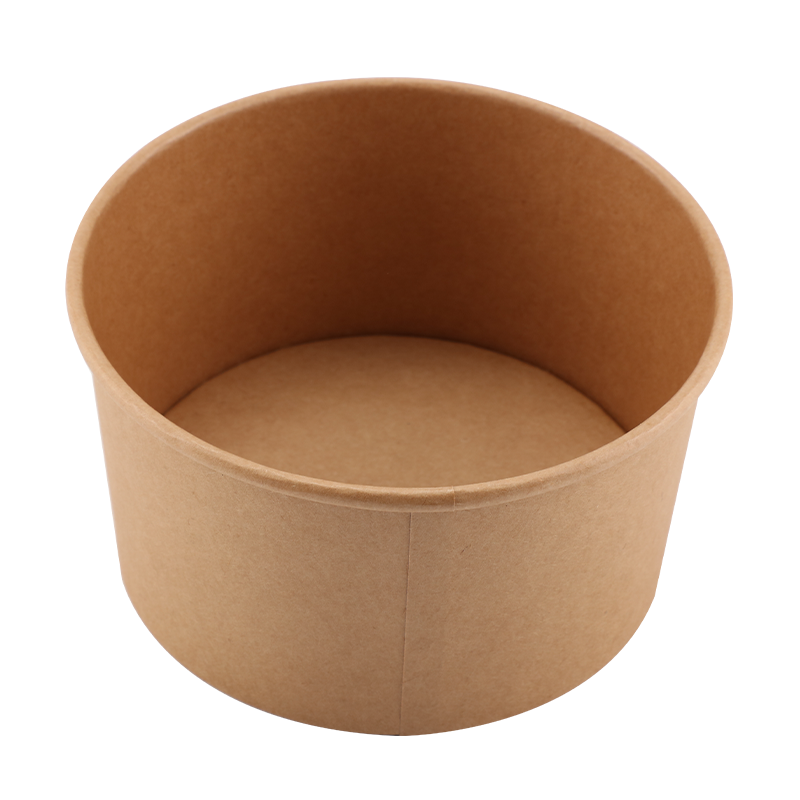
The geometry of a paper noodle bowl is engineered to support the weight of dense ingredients like udon, ramen, or pho. Unlike standard soup cups, noodle bowls have a wider mouth and a broader base to prevent tipping and facilitate easy eating.
| Feature | Standard Paper Bowl | Premium Noodle Bowl |
|---|---|---|
| Paper Weight | 180-250 gsm | 300-400 gsm |
| Leak Resistance | Moderate (Short term) | High (4+ hours) |
| Rim Strength | Standard Roll | Reinforced/Double Roll |
| Lid Compatibility | Generic Fit | Snap-Lock Secure Fit |
A critical design element is the rim reinforcement. Premium noodle bowls feature a double-rolled rim that provides structural rigidity, preventing the bowl from collapsing when lifted by the edges. Additionally, the use of ultrasonic welding or advanced adhesive bonding at the side seam ensures that hot broth does not seep through the joints, a common failure point in lower-quality containers.
Sustainability and Brand Customization
Beyond functionality, paper noodle bowls serve as a powerful marketing tool and a statement of corporate social responsibility. Consumers are increasingly favoring brands that demonstrate environmental stewardship, making the choice of packaging a significant factor in purchasing decisions.
Eco-Friendly Certifications
To validate sustainability claims, reputable manufacturers obtain certifications such as FSC (Forest Stewardship Council) for responsible sourcing and BPI (Biodegradable Products Institute) for compostability. Using certified materials protects businesses from "greenwashing" accusations and appeals to environmentally conscious demographics. Furthermore, paper bowls are recyclable in many jurisdictions if free of food residue, unlike plastic-coated alternatives.
Custom Printing and Branding
Paper surfaces offer superior printability compared to plastic or foam. High-quality flexographic or digital printing allows for vibrant, full-color branding directly on the bowl. This turns every takeout order into a mobile advertisement. Custom designs can include logos, nutritional information, and recycling instructions, enhancing brand visibility and customer engagement. The tactile experience of a sturdy, well-printed paper bowl also elevates the perceived value of the meal inside.
In conclusion, paper noodle bowls are an essential component of modern food service, balancing performance, sustainability, and branding. By selecting high-gsm, PLA-lined options with secure lids, restaurants can ensure customer satisfaction while contributing to a circular economy.
Your email address will not be published. Required fields are marked *
We're Here To Help.

Copyright © HANGZHOU RENMIN ECO-TECH CO.,LTD. All Rights Reserved
Eco Friendly Food Packaging Solution Food Paper Packaging Manufacturer
