

-
Products
-
Food Packaging Solution
Mission & PhilosophyRenmin Eco-Tech adheres to the philosophy of green, innovation, and responsibility, placing customers at the center and valuing dedicated professionals. We aim to integrate sustainability and eco-consciousness into every product.
 Green Innovation Leading the Future
 -
Our Story
Why Choose Us?Hangzhou Renmin Eco-tech Co., Ltd, situated in the picturesque city of Hangzhou, Zhejiang, is a leading paper product research, development, and sales company. Established in 2004, we specialize in eco-friendly solutions such as Base Paper Rolls, PE Coated Paper Rolls, Paper Cup Fans, Paper Bowl and Box Fans, Die-cut Sheets, etc, for food packaging, and Aluminum Foil Film laminated paper.
 Coming From China, Marketing To The World.
 -
News
 Aluminum Foil Paper Bowls: Structure, Performance & Foodservice Applications
What Aluminum Foil Paper Bowls Actually Are — And Why the Laminate Structure Matters Aluminum foil paper bowls are composite containers built from two bonded materials: a structural paperboard base t...
 English
 中文简体
中文简体 Français
 Español
 عربى
عربىIndustry News
Ice Cream Paper Cups: Material, Design & Sourcing Guide
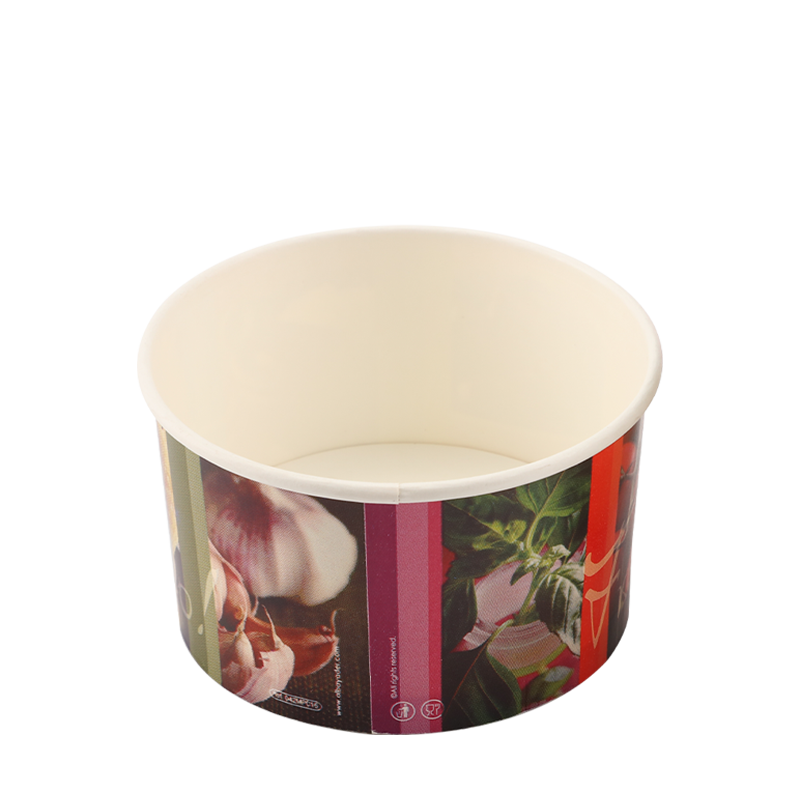
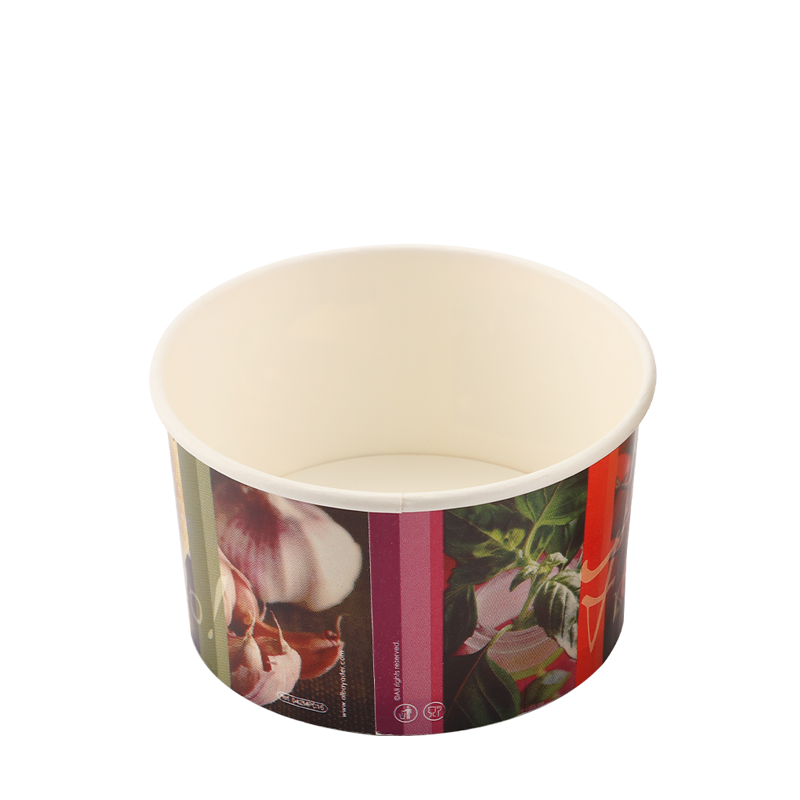
Selecting the right ice cream paper cups is a critical decision for food service businesses, balancing structural integrity, thermal insulation, and brand aesthetics. The ideal cup must withstand sub-zero temperatures without becoming brittle or leaking, while also providing a comfortable holding experience for customers. High-quality polyethylene (PE) or polylactic acid (PLA) lining is essential to prevent sogginess and ensure leak-proof performance, particularly for premium gelato and soft-serve applications. Furthermore, the choice between single-wall and double-wall construction directly impacts customer satisfaction by managing condensation and heat transfer.
Content
Material Composition and Lining Technologies
The core functionality of an ice cream paper cup relies on its ability to resist moisture and maintain structural rigidity at low temperatures. Standard paperboard alone is porous and will quickly degrade when in contact with melting ice cream.
Polyethylene (PE) Coating
PE coating is the industry standard for ice cream containers. It provides an excellent moisture barrier and allows for heat-sealing of lids, ensuring hygiene and spill prevention. Single-side PE coating is typically used for the interior, while the exterior may remain uncoated for better printability or coated for added durability. However, PE-coated cups are not easily recyclable in standard municipal facilities due to the plastic layer.
PLA (Polylactic Acid) and Eco-Friendly Alternatives
For brands prioritizing sustainability, PLA-lined cups offer a compostable alternative. Derived from corn starch or sugarcane, PLA behaves similarly to PE in terms of moisture resistance but breaks down in industrial composting facilities. It is crucial to note that PLA can become brittle at very low temperatures (below -10°C), so it is best suited for short-term serving rather than long-term storage. Aqueous coatings are another emerging technology, offering a water-based barrier that is repulpable and easier to recycle than traditional plastic linings.
Structural Design: Wall Types and Insulation
The construction of the cup determines its thermal properties and user comfort. Ice cream melts quickly, and condensation can make single-layer cups slippery and uncomfortable to hold.
| Wall Type | Insulation Level | Condensation Control | Best Use Case |
|---|---|---|---|
| Single Wall | Low | Poor (Sweats heavily) | Quick serve, cones, low-cost options |
| Double Wall | High | Excellent (Air gap barrier) | Premium gelato, dine-in, hot/cold dual use |
| Ripple Wall | Medium-High | Good (Textured grip) | Takeaway, enhanced grip without bulk |
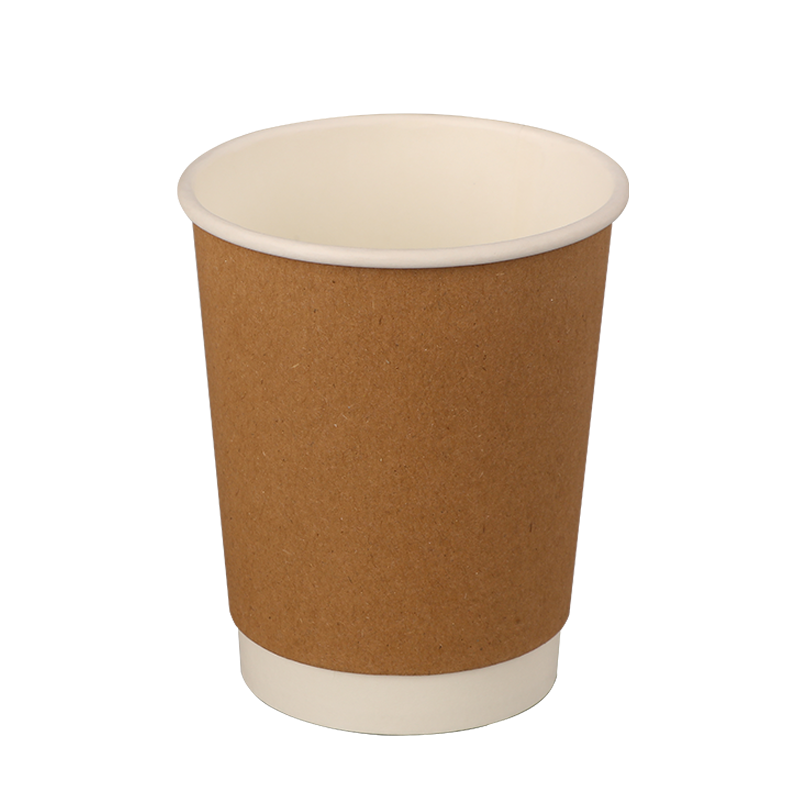
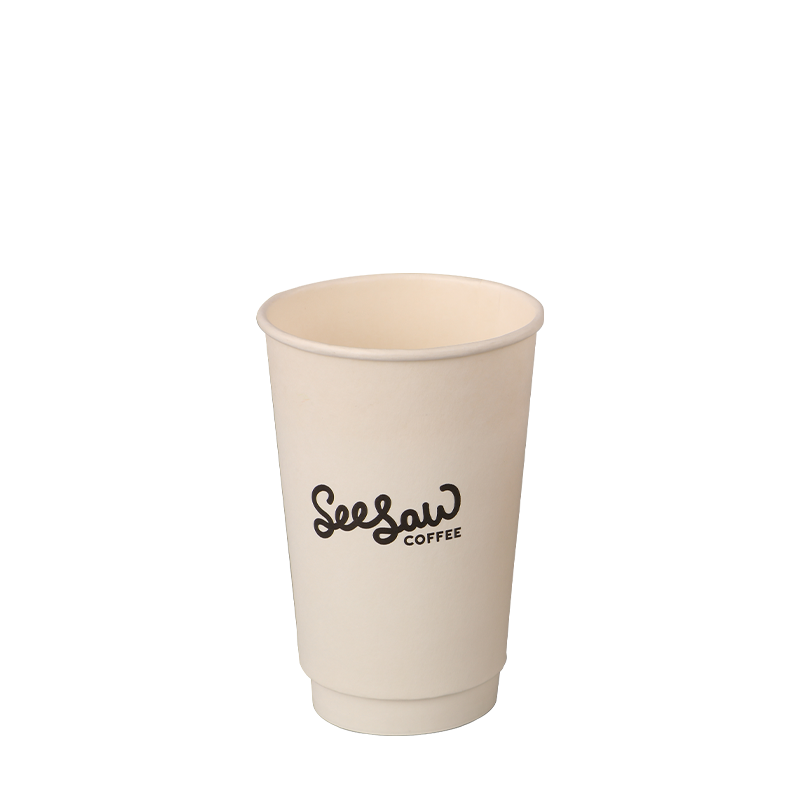
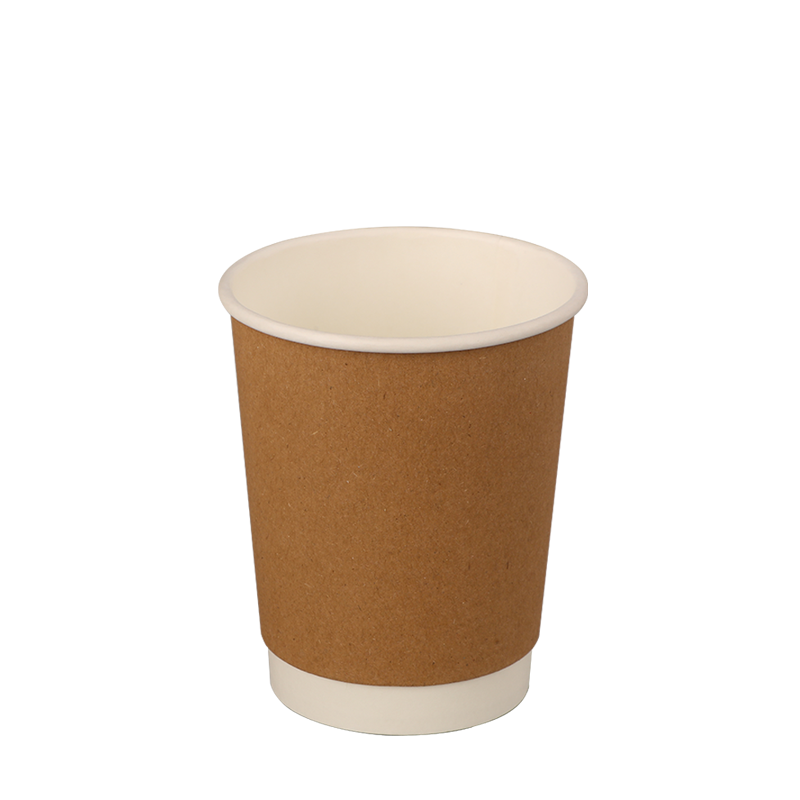
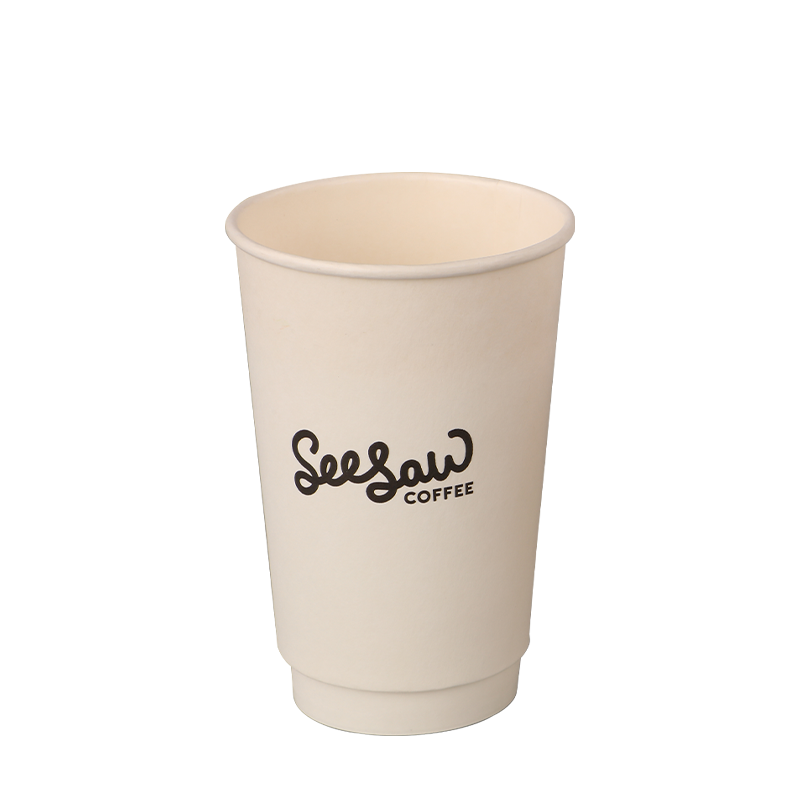
Double-wall cups feature an inner and outer layer with an air pocket in between, which acts as an insulator. This design keeps the customer's hands warm and prevents the ice cream from melting too rapidly due to body heat transfer. For high-end parlors, this premium feel justifies a slightly higher cost per unit.
Sizing and Volume Considerations
Choosing the correct volume is essential for portion control and customer satisfaction. Ice cream density varies, with gelato being denser than soft serve, affecting the perceived volume.
- 2oz - 4oz (60ml - 120ml): Ideal for sampler sizes, kids' portions, or dense gelato servings. These small cups are often used for tastings or as add-ons to other desserts.
- 6oz - 8oz (180ml - 240ml): The standard serving size for most ice cream shops. This volume accommodates a generous scoop or two with room for toppings without overflowing.
- 12oz - 16oz (350ml - 470ml): Used for sundaes, large takeaway tubs, or family-sized shares. These require sturdier board weights (typically 250-300 gsm) to support the weight of multiple scoops and liquid toppings.
Customization and Branding Opportunities
Ice cream paper cups serve as a mobile billboard for your brand. High-quality printing and thoughtful design can enhance the customer experience and encourage social media sharing.
Printing Techniques
Flexographic printing is cost-effective for simple designs and large runs, typically using up to 4-6 colors. For photorealistic images or complex gradients, offset printing offers superior quality but at a higher setup cost. Digital printing is emerging as a viable option for short runs and seasonal promotions, allowing for rapid customization without expensive plates.
Lid Compatibility and Seal Integrity
The cup rim must be perfectly formed to ensure a tight seal with the lid. Flat lids are common for gelato, while dome lids provide space for whipped cream and toppings. Ensuring the lid material matches the cup’s environmental credentials (e.g., PLA lid for PLA cup) is vital for a consistent sustainability message. A secure fit prevents spills during transit, a key factor for takeaway businesses.
Your email address will not be published. Required fields are marked *
We're Here To Help.

Copyright © HANGZHOU RENMIN ECO-TECH CO.,LTD. All Rights Reserved
Eco Friendly Food Packaging Solution Food Paper Packaging Manufacturer
