

-
Products

-
Food Packaging Solution
Mission & PhilosophyRenmin Eco-Tech adheres to the philosophy of green, innovation, and responsibility, placing customers at the center and valuing dedicated professionals. We aim to integrate sustainability and eco-consciousness into every product.
 Green Innovation Leading the Future
 -
Our Story
Why Choose Us?Hangzhou Renmin Eco-tech Co., Ltd, situated in the picturesque city of Hangzhou, Zhejiang, is a leading paper product research, development, and sales company. Established in 2004, we specialize in eco-friendly solutions such as Base Paper Rolls, PE Coated Paper Rolls, Paper Cup Fans, Paper Bowl and Box Fans, Die-cut Sheets, etc, for food packaging, and Aluminum Foil Film laminated paper.
 Coming From China, Marketing To The World.
 -
News
 Aluminum Foil Paper Bowls: Structure, Performance & Foodservice Applications
What Aluminum Foil Paper Bowls Actually Are — And Why the Laminate Structure Matters Aluminum foil paper bowls are composite containers built from two bonded materials: a structural paperboard base t...
 English
 中文简体
中文简体 Français
 Español
 عربى
عربىIndustry News
Hot Cups Buying Guide: Sizes, Materials & Coating Options for Disposable Paper Cups
A customer wraps a fresh latte in a napkin because the cup is too hot to hold, and the barista notices. That small moment repeats daily at coffee counters, takeout windows, and convenience stores. The cause is usually not the beverage but the packaging decision made months earlier: which hot cup to stock. If a cup conducts heat too quickly, leaks during a busy rush, or feels flimsy in the hand, the customer's first impression is already formed before the first sip.
Content
What Makes a Paper Cup a Hot Cup
The difference between a hot cup and a cold cup is more than the label. It comes down to three things: coating weight, cupstock quality, and wall construction.
Hot cups are formed from food-grade cupstock, usually made from virgin wood pulp, so the fibre remains clean for hot food contact and stiff enough to hold its shape at elevated temperatures. The interior gets a moisture barrier, most commonly a polyethylene (PE) layer applied at a higher basis weight than you would find on a cold cup. That heavier coating is what keeps hot liquid from soaking into the sidewall, softening the cup, or causing leaks at the bottom seal.
For operators who work directly with cup manufacturers, the base material deserves special attention. Most high-speed cup forming lines run on PE-coated cupstock paper rolls, where the coating weight and fibre composition are set before the cup is cut and folded. Specifying the correct cupstock now prevents quality surprises later.
Wall construction determines how the cup feels in a customer's hand. A single layer of coated paper transfers heat quickly, which is why coffee shops pair single wall cups with sleeves. A double wall cup adds an air gap that slows heat transfer. Understanding this basic structure helps you evaluate every technical claim a supplier makes.
The Main Hot Cup Types
Single Wall Hot Cups
Single wall cups are the default for daily coffee service. They are lightweight, economical, and available from 2.5oz espresso cups to 22oz travel cups. Their limitation is equally clear: heat transfers through the wall quickly, so most operators pair them with sleeves or cup jackets. A 12oz single wall hot cup is the most common size in takeaway coffee service because it covers regular lattes, cappuccinos, and brewed coffee.
Single-wall 12oz PE hot paper cups are a dependable starting point for cafes and quick-service counters that need one versatile size with reliable heat resistance and a secure lid fit.
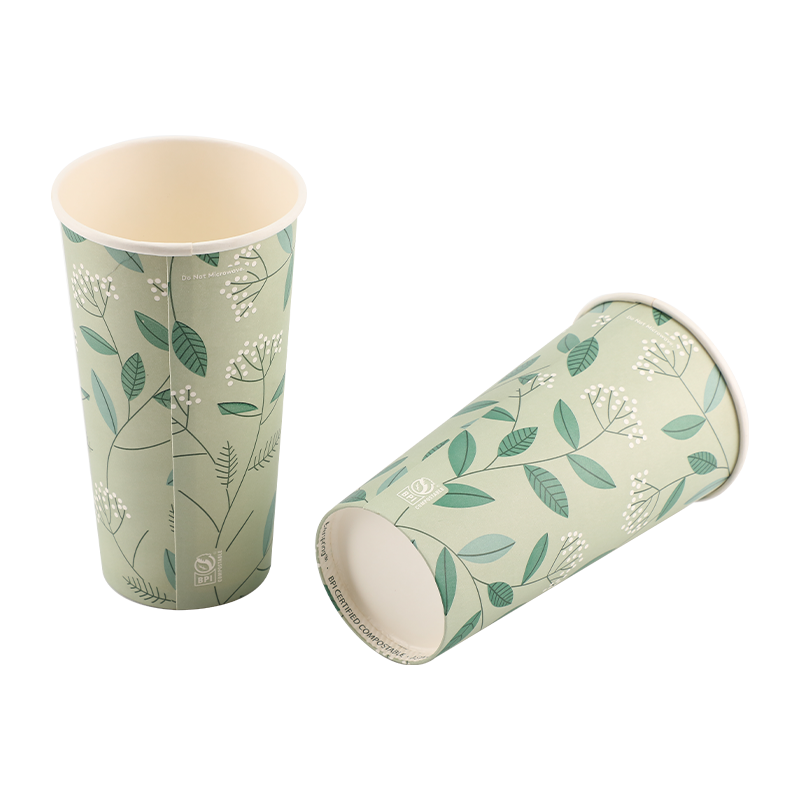 12oz PE Paper Single Wall Hot paper cups Suppliers, Factory - Hangzhou Renmin EcRenmin Eco-tech - China 12oz PE Paper Single Wall Hot paper cups Suppliers and Factory, Custom 12oz PE Paper Single Wall Hot paper cups f...View Product →
Double Wall Hot Cups
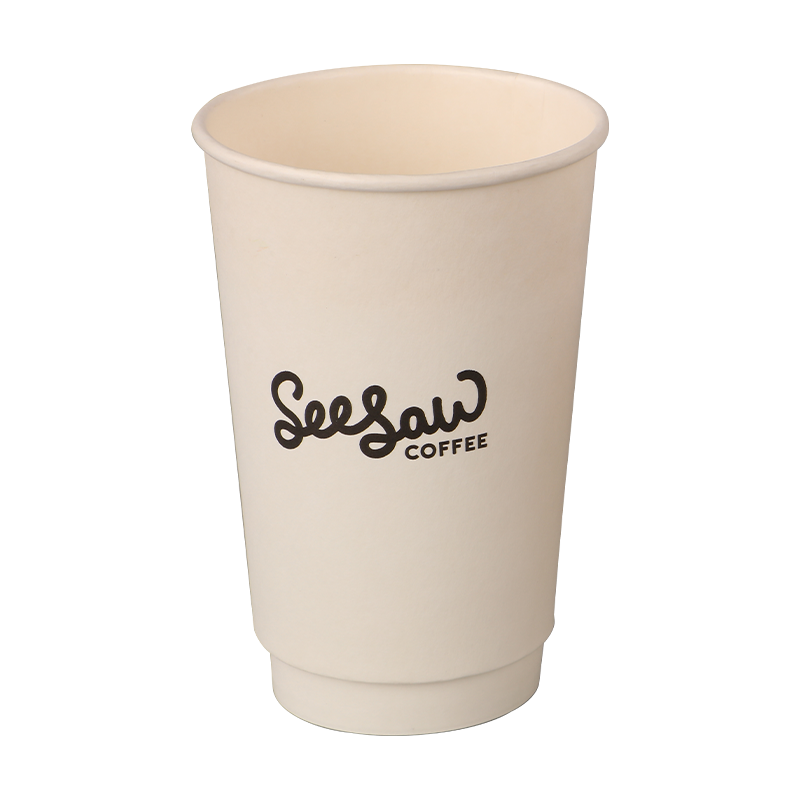
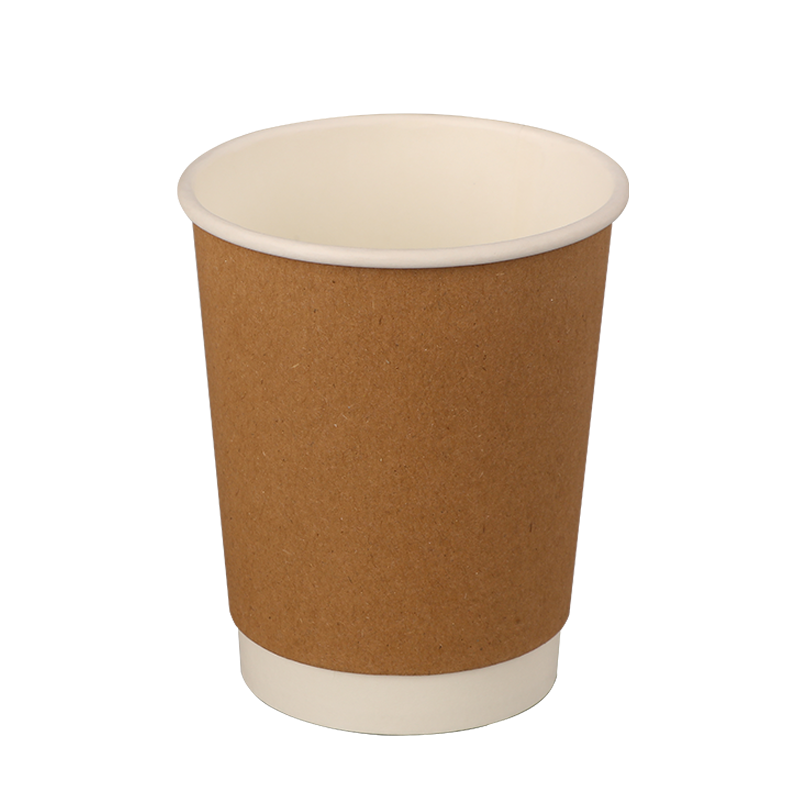
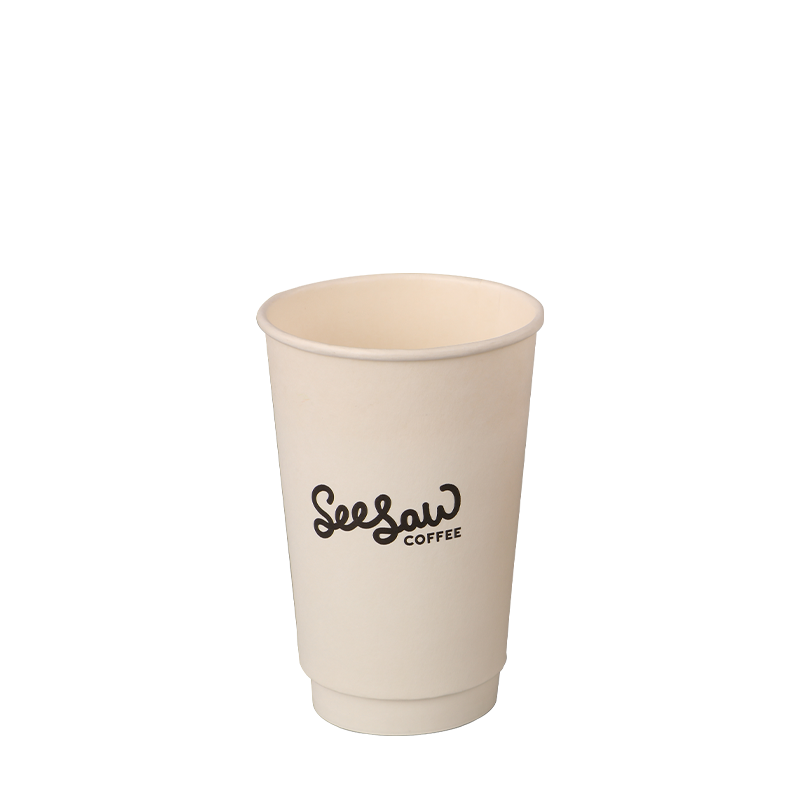
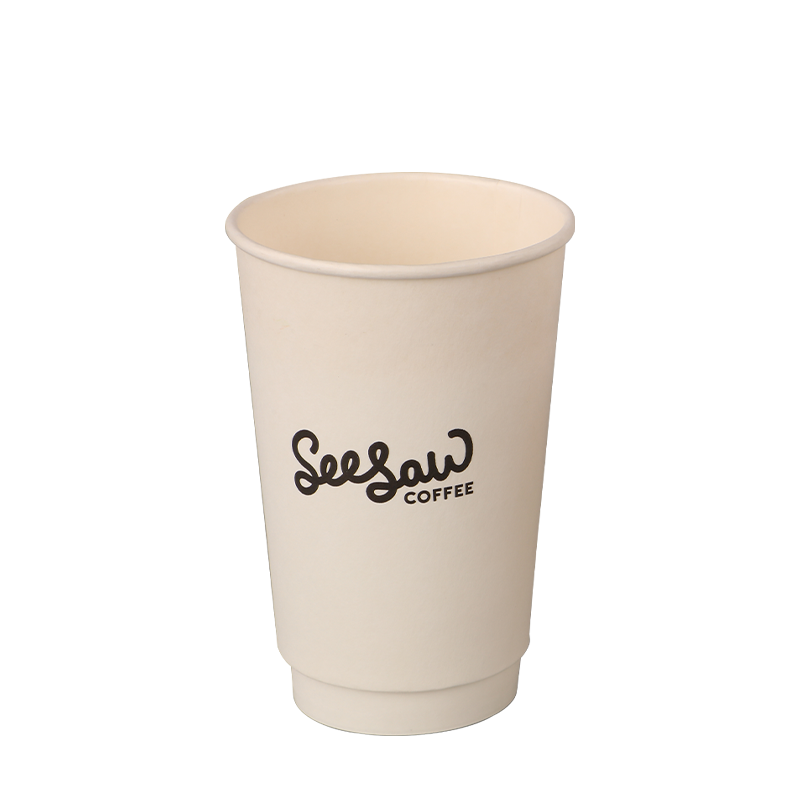
Double wall cups take the insulation burden off the customer. The inner cup holds the beverage, a thin air gap acts as a thermal break, and the outer wall stays noticeably cooler to the touch. The trade-off is more material and tighter manufacturing tolerances. If the bond is weak, the outer wall can separate during drinking, which is a known failure mode in low-cost double wall cups.
Takeout-heavy operations, drive-through counters, and catering benefit most from double wall construction because customers hold the cup while moving. Insulated 12oz double wall hot paper cups remove the need for a sleeve without changing the serving volume.
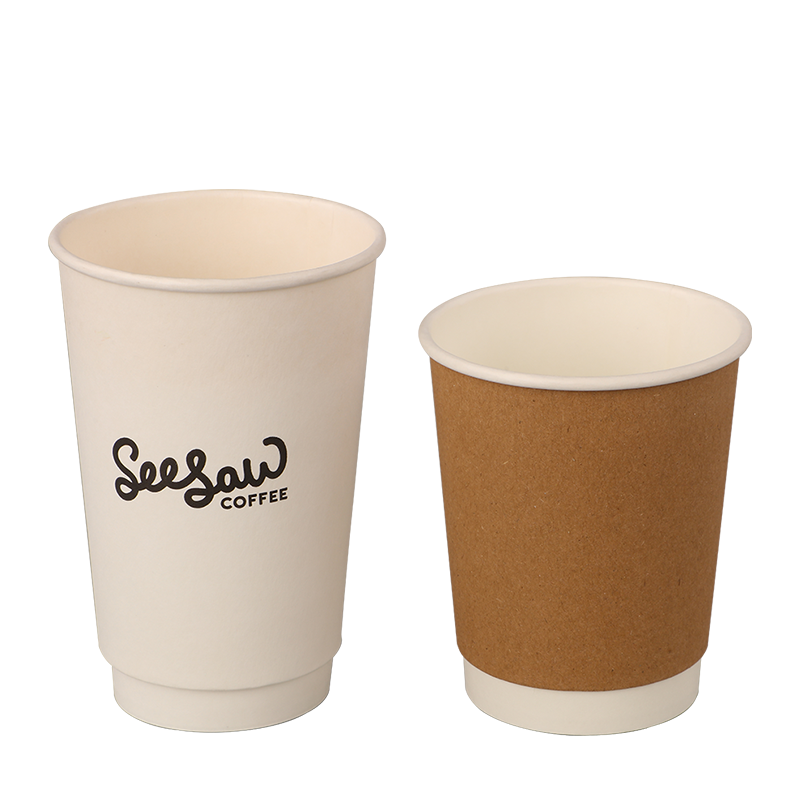 12oz Insulated Double Wall Hot Paper Cups Suppliers, Factory - Hangzhou Renmin ERenmin Eco-tech - China 12oz Insulated Double Wall Hot Paper Cups Suppliers and Factory, Custom 12oz Insulated Double Wall Hot Paper Cups...View Product →
Embossed Hot Cups
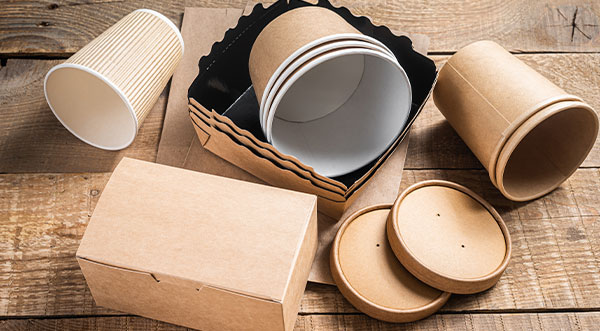
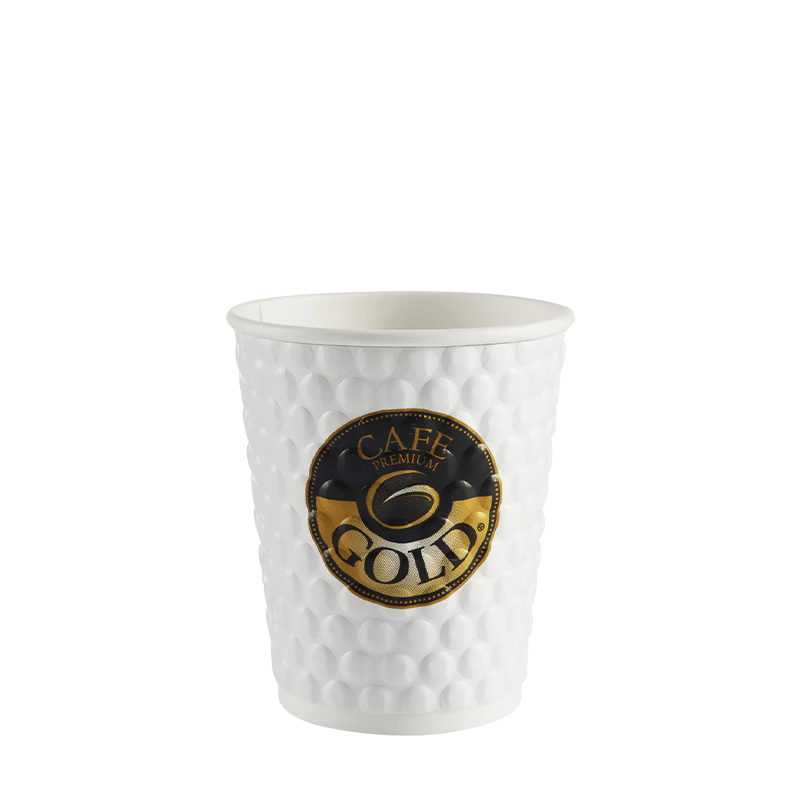
Embossed cups carry a raised pattern pressed into the outer wall. The texture reduces the palm contact area, slows heat transfer slightly, and improves grip even when the outer surface is damp. For brands that want a premium tactile feel without the cost of a full double wall structure, embossing is an effective middle tier.
Kraft Hot Cups
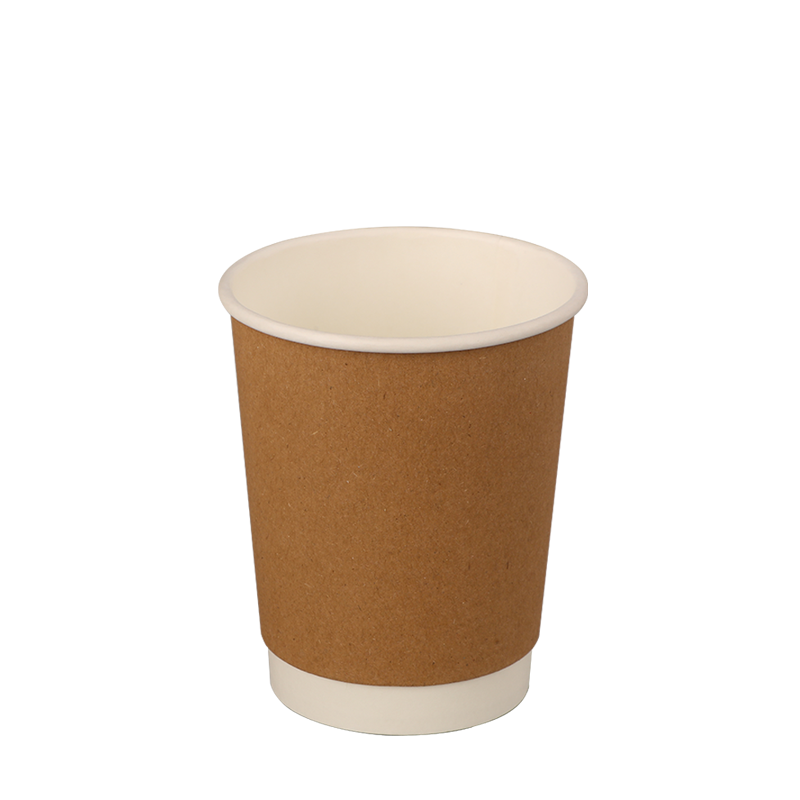
Kraft cups use natural or unbleached kraft paper on the exterior, producing a warm, earthy look that fits artisan roasters, organic cafes, and sustainability-led beverage brands. The inner vessel still carries a food-safe coating, but the visible outer surface changes how customers perceive the cup. Kraft hot cups are available across the same size range as standard single wall cups.
Bamboo Fiber Hot Cups
Bamboo pulp is a fast-growing renewable fibre that can replace part of the wood pulp in hot cup production. Bamboo cups feel similar to standard cupstock, handle hot liquid reliably, and come in sizes from espresso to 22oz. For brands looking for a renewable material story that customers can see and feel, bamboo fibre is a practical alternative that does not change the drinking experience.
Coatings and Environmental Claims
Coating choice is no longer just a technical detail. It determines whether a cup is compostable, recyclable, or headed for landfill, and it shapes the claims you can make about your environmental position.
PE Coating: The Baseline
PE-coated cups dominate the market because polyethylene is inexpensive, proven, and handles hot liquid well. The environmental downside is real: the plastic layer is difficult to separate from the fibre in conventional recycling, so PE cups usually go to general waste unless a dedicated stream exists. The practical answer for many operators is to use PE-coated cups for regular service and to switch to compostable options where local infrastructure supports them.
PLA Coating: Compostable Where Infrastructure Allows
PLA, or polylactic acid, is a plant-based bioplastic used on cups labelled compostable. PLA-coated cups can be processed in industrial composting facilities that accept food-contaminated packaging. The caveat is that not every municipality or commercial composter accepts PLA, so verify your waste route before paying the higher unit price. If your menu and waste handling support it, a compostable 12oz PLA hot paper cup covers the standard coffee size while aligning with a circular materials policy.
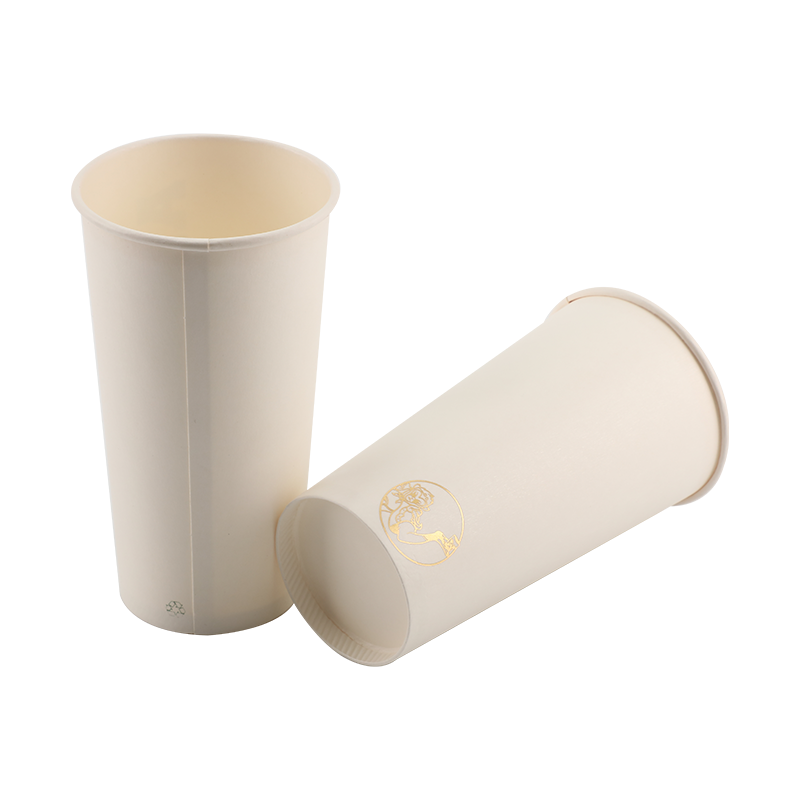 12oz Compostable PLA Single Wall paper cups Suppliers, Factory - Hangzhou RenminRenmin Eco-tech - China 12oz Compostable PLA Single Wall paper cups Suppliers and Factory, Custom 12oz Compostable PLA Single Wall paper ...View Product →
Water-Based and Plastic-Free Coatings
Water-based coatings use mineral or polymer dispersions that create a moisture barrier without a melted plastic film. These cups are often described as plastic-free or recyclable, but the claim is only meaningful if the local recycling mill accepts the coated board. Ask the cup supplier for the coating chemistry and confirm whether the finished cup has passed a known recycling trial.
Sizing Hot Cups to Your Menu
Most hot cup sizes map to beverage formats, so the fastest way to control packaging budget is to match your size list to the actual drink menu. Carrying a size you do not sell creates dead stock; missing one forces staff to substitute and costs margin.
| Cup Size | Typical Use | Notes |
|---|---|---|
| 2.5-4 oz | Espresso, macchiato, tasting pours | Small rim diameter matched to espresso lids; common in specialty coffee. |
| 6-8 oz | Short coffee, flat white, tea | Popular for European-style servings and vending machines. |
| 10-12 oz | Regular coffee, latte, cappuccino | The main takeaway size in most coffee markets. |
| 16 oz | Large latte, hot chocolate | Common second size for chains and quick-service counters. |
| 20-22 oz | Extra-large coffee and tea | Now standard at convenience and drive-through formats. |
For a new coffee operation, a 12oz single wall cup plus a 16oz size covers most order flows. Add a 2.5oz or 4oz espresso cup if you sell shots. Double wall versions of the same sizes can be phased in for takeout customers who will hold the cup while walking or driving.
What to Verify Before Placing an Order
Lid Fit Is Not Automatic
Lids are keyed to the rim and sidewall angle of the cup, not to the ounce volume. A 12oz cup from one supplier often has a different rim diameter than the same size from another. Check the actual rim and test the lid before committing. Poor lid fit is the most common cause of customer complaints in takeout beverage service.
Heat Tolerance and Handle Time
Ask how long a cup keeps its stiffness with hot liquid inside. Cupstock basis weight and coating weight determine this. A cup that stays rigid for more than 20 minutes suits delivery and extended hold times; a lighter cup is fine for immediate service. Define the time window your operation needs and specify it when requesting samples.
Printing Limits and Sample Testing
Cup bodies are printed flat before forming, so artwork must respect the seam and margin allowances. Request the printable template from your supplier. Then test actual samples with the lids you intend to use, using the hottest beverage on your menu and a 15-minute sit test. Check for leaks, softening, and off-taste.
Building a Coherent Cup Portfolio
Start with a single wall cup in your highest-volume size, then add a double wall option for comfort, a kraft or bamboo option for brand personality, and a compostable or recyclable option where the local waste system allows it.
Working with one supplier across the full range keeps quality variables under control: the same raw paper, the same forming process, and the same lid specifications carry across SKUs. Reviewing the full hot coffee cup range before you commit lets you plan for growth rather than reordering piecemeal.
Hot cup buying is not the most complex decision in foodservice packaging, but it is one of the most visible. Every cup is a first touch, a holding surface, a branding canvas, and a disposal decision. Choose cups that stay rigid, fit your lids, match your drink temperatures, and reflect your materials policy. Customers will notice the difference even when they cannot name it.
Your email address will not be published. Required fields are marked *
We're Here To Help.

Copyright © HANGZHOU RENMIN ECO-TECH CO.,LTD. All Rights Reserved
Eco Friendly Food Packaging Solution Food Paper Packaging Manufacturer
