

-
Products
-
Food Packaging Solution
Mission & PhilosophyRenmin Eco-Tech adheres to the philosophy of green, innovation, and responsibility, placing customers at the center and valuing dedicated professionals. We aim to integrate sustainability and eco-consciousness into every product.
 Green Innovation Leading the Future
 -
Our Story
Why Choose Us?Hangzhou Renmin Eco-tech Co., Ltd, situated in the picturesque city of Hangzhou, Zhejiang, is a leading paper product research, development, and sales company. Established in 2004, we specialize in eco-friendly solutions such as Base Paper Rolls, PE Coated Paper Rolls, Paper Cup Fans, Paper Bowl and Box Fans, Die-cut Sheets, etc, for food packaging, and Aluminum Foil Film laminated paper.
 Coming From China, Marketing To The World.
 -
News
 Aluminum Foil Paper Bowls: Structure, Performance & Foodservice Applications
What Aluminum Foil Paper Bowls Actually Are — And Why the Laminate Structure Matters Aluminum foil paper bowls are composite containers built from two bonded materials: a structural paperboard base t...
 English
 中文简体
中文简体 Français
 Español
 عربى
عربىIndustry News
Ice Cream Paper Cups Guide: Materials, Sizes & Sustainability
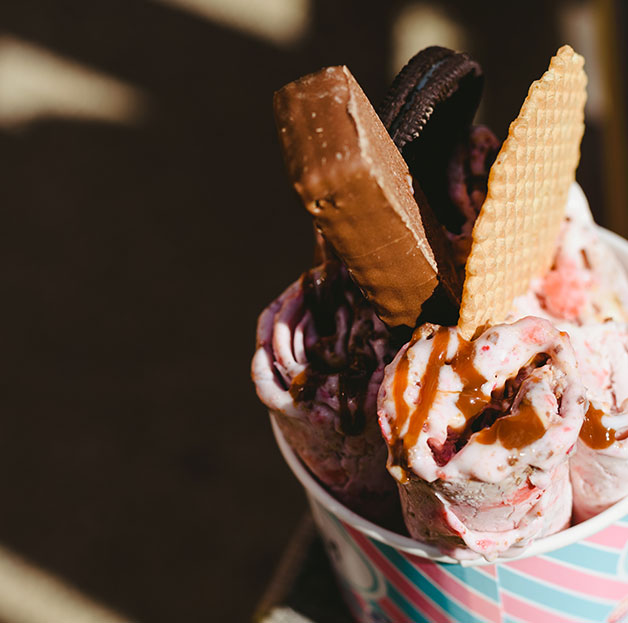
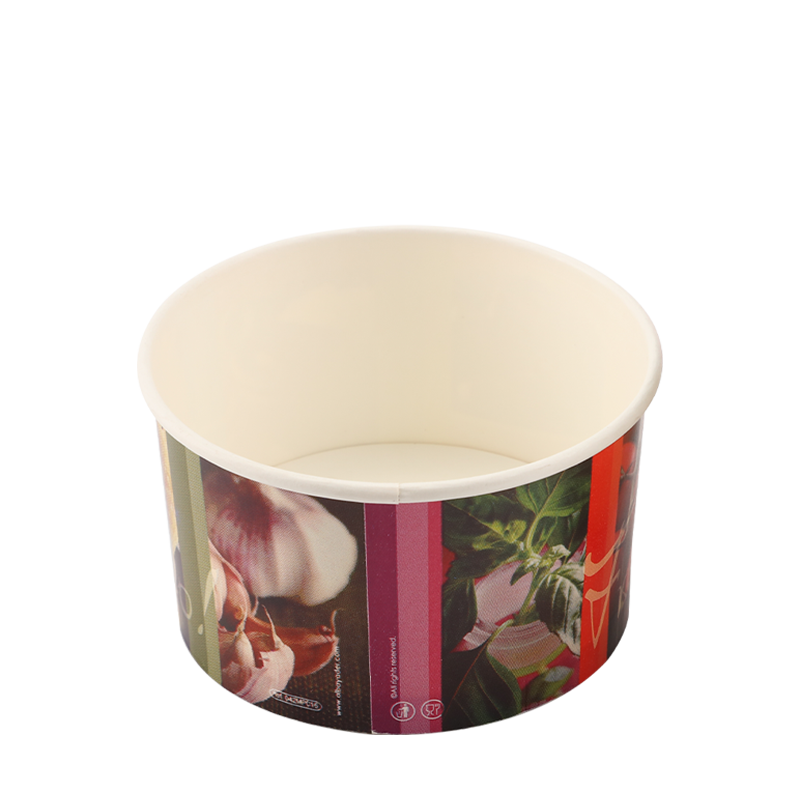
Ice cream paper cups are the cornerstone of presentation and hygiene in the frozen dessert industry, offering a versatile, customizable, and increasingly sustainable solution for serving gelato, soft serve, and scooped ice cream. Unlike plastic alternatives, high-quality paper cups provide structural rigidity to prevent sagging when holding dense, cold desserts while offering a premium tactile experience for customers. For shop owners and event planners, selecting the right cup involves balancing insulation properties, leak resistance, and environmental impact. The modern market has shifted significantly towards bio-based linings and recycled materials, allowing businesses to align their packaging with eco-conscious consumer values without compromising performance.
The core advantage of using paper cups lies in their thermal insulation and branding potential. Paper acts as a natural insulator, keeping the ice cream colder for longer while preventing the "freezer burn" sensation on the customer's fingers. Furthermore, the exterior surface is ideal for high-quality printing, turning every served cup into a mobile advertisement. With capacities ranging from small 2-ounce tasters to large 16-ounce sundaes, these cups cater to diverse serving styles, ensuring that the packaging enhances rather than detracts from the dessert experience.
Content
Material Composition and Linings
While the outer structure is made from paperboard, the interior requires a lining to prevent leakage and maintain structural integrity against moisture and fat. The choice of lining significantly impacts the cup's recyclability and environmental footprint.
Polyethylene (PE) Lining
Traditional ice cream cups use a thin layer of Polyethylene (PE) plastic laminated to the paper. PE provides excellent water and grease resistance, ensuring that melting ice cream does not seep through the walls. It is cost-effective and widely available. However, PE-lined cups are difficult to recycle because the plastic must be separated from the paper fiber, a process not available in most municipal recycling facilities. Consequently, these cups often end up in landfills.
Polylactic Acid (PLA) and Water-Based Dispersions
To address environmental concerns, many manufacturers now offer cups lined with Polylactic Acid (PLA), a bioplastic derived from renewable resources like corn starch or sugarcane. PLA-lined cups are commercially compostable under industrial conditions, breaking down into organic matter within 90-180 days. Alternatively, newer technologies use water-based dispersion coatings that eliminate plastic entirely, making the cup fully recyclable in standard paper streams. These eco-friendly options are becoming the industry standard for brands prioritizing sustainability.
| Lining Type | Leak Resistance | Recyclability | Environmental Impact |
|---|---|---|---|
| PE (Plastic) | Excellent | Low (Hard to Separate) | High (Non-biodegradable) |
| PLA (Bioplastic) | Good | Compostable (Industrial) | Medium (Renewable Source) |
| Water-Based | Very Good | High (Recyclable) | Low (Plastic-Free) |
Sizing Standards and Capacity
Choosing the correct cup size is crucial for portion control, pricing strategy, and customer satisfaction. Ice cream paper cups are typically measured in ounces (oz) or milliliters (ml). Understanding standard sizes helps businesses optimize their menu offerings.
- Sample/Taster (2-3 oz): Ideal for sampling flavors or children's portions. These small cups encourage customers to try multiple flavors without commitment.
- Regular Single (4-6 oz): The standard serving size for a single scoop of gelato or ice cream. This size offers a balanced portion that is satisfying but not overwhelming.
- Double/Large (8-10 oz): Suitable for two scoops or a generous single serving with toppings. Popular among teenagers and adults seeking a more indulgent treat.
- Sundaes/Bowls (12-16 oz): Designed for elaborate desserts with multiple scoops, sauces, nuts, and whipped cream. These wider cups provide stability and space for presentation.
It is important to note that dense gelato occupies less volume than airy soft serve. Therefore, a 4 oz cup may hold a single scoop of gelato but only half a serving of soft serve. Businesses should adjust their sizing based on the specific type of dessert they serve.
Branding and Customization Options
Ice cream paper cups serve as a powerful marketing tool. Custom printing allows businesses to reinforce brand identity, share social media handles, and create an Instagram-worthy aesthetic.
Printing Techniques
Flexographic printing is the most common method for large orders, offering cost-effective, high-speed production with consistent color quality. For smaller batches or highly detailed designs, digital printing provides greater flexibility and faster turnaround times. Both methods support full-color graphics, allowing for vibrant logos and patterns that catch the eye.
Design Best Practices
When designing custom cups, consider the viewing angle. Since customers hold the cup from the bottom, the most critical branding elements should be placed in the upper two-thirds of the cup. Use high-contrast colors to ensure readability. Additionally, include essential information such as allergen warnings or recycling instructions on the bottom or side panels to keep the main design clean and appealing.
Storage and Handling Best Practices
Proper storage of ice cream paper cups is essential to maintain their quality and hygiene. Paperboard is hygroscopic, meaning it absorbs moisture from the air, which can compromise the structural integrity and adhesive bonds of the cup.
- Store cups in a cool, dry place away from direct sunlight and humidity sources.
- Keep cups in their original packaging until ready for use to protect them from dust and contaminants.
- Avoid stacking heavy items on top of cup cartons to prevent deformation.
- Use cups within 12-18 months of production for optimal adhesive performance and print quality.
By adhering to these storage guidelines, businesses can ensure that every cup served meets high standards of quality and presentation, enhancing the overall customer experience.
Your email address will not be published. Required fields are marked *
We're Here To Help.

Copyright © HANGZHOU RENMIN ECO-TECH CO.,LTD. All Rights Reserved
Eco Friendly Food Packaging Solution Food Paper Packaging Manufacturer
