

-
Products


-
Food Packaging Solution
Mission & PhilosophyRenmin Eco-Tech adheres to the philosophy of green, innovation, and responsibility, placing customers at the center and valuing dedicated professionals. We aim to integrate sustainability and eco-consciousness into every product.
 Green Innovation Leading the Future
 -
Our Story
Why Choose Us?Hangzhou Renmin Eco-tech Co., Ltd, situated in the picturesque city of Hangzhou, Zhejiang, is a leading paper product research, development, and sales company. Established in 2004, we specialize in eco-friendly solutions such as Base Paper Rolls, PE Coated Paper Rolls, Paper Cup Fans, Paper Bowl and Box Fans, Die-cut Sheets, etc, for food packaging, and Aluminum Foil Film laminated paper.
 Coming From China, Marketing To The World.
 -
News
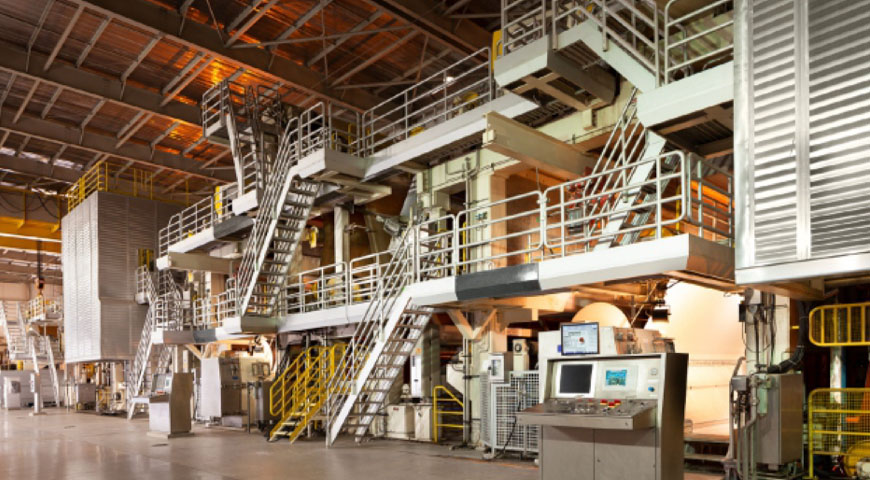 Aluminum Foil Paper Bowls: Structure, Performance & Foodservice Applications
What Aluminum Foil Paper Bowls Actually Are — And Why the Laminate Structure Matters Aluminum foil paper bowls are composite containers built from two bonded materials: a structural paperboard base t...
 English
 中文简体
中文简体 Français
 Español
 عربى
عربىIndustry News
Recyclable Cold Paper Cups: Technology, Benefits & Guide
Content
The Shift to Recyclable Cold Paper Cups in Sustainable Packaging
Recyclable cold paper cups are redefining the single-use beverage industry by offering a viable alternative to traditional plastic-lined containers. Unlike conventional cups coated with polyethylene (PE), which are difficult to separate and recycle, modern recyclable cups utilize advanced water-based dispersions or mono-material structures. The primary conclusion is clear: switching to recyclable cold paper cups can increase recycling rates from less than 1% to over 80% in facilities equipped with standard paper pulping systems.
This article explores the technological innovations behind these cups, their environmental impact, and practical considerations for businesses looking to transition. By understanding these factors, stakeholders can make informed decisions that align with global sustainability goals and consumer expectations.
Technology Behind Recyclable Barrier Coatings
The core challenge in making paper cups recyclable is preventing liquid absorption without using non-recyclable plastics. Traditional PE liners act as a barrier but contaminate the paper pulp during recycling. New technologies have solved this by using materials that can be easily separated or repulped.
Water-Based Dispersions
Water-based barrier coatings are applied as a liquid and dry to form a thin, protective layer. These coatings are designed to break down in standard paper recycling mills. During the pulping process, the coating dissolves or fragments into microscopic particles that can be filtered out, leaving high-quality fiber ready for reuse. This technology allows up to 95% of the paper fiber to be recovered, compared to near-zero recovery for PE-lined cups.
Mono-Material Structures
Another approach involves using a single type of material for both the cup body and the lining, such as polypropylene (PP) or specialized paper-only structures. While PP is plastic, mono-material designs are easier to sort and recycle in specific streams. However, water-based paper cups remain the gold standard for curbside recycling compatibility, as they enter the existing waste paper stream without requiring separate collection infrastructure.
| Lining Type | Recyclability | Compostability | Barrier Performance |
|---|---|---|---|
| Polyethylene (PE) | Low (<1%) | No | Excellent |
| PLA (Bioplastic) | Low (Contaminant) | Industrial Only | Good |
| Water-Based Dispersion | High (>80%) | Varies | Very Good |
Performance and Consumer Experience
A common concern with recyclable cold paper cups is whether they compromise on performance. Modern advancements ensure that these cups meet rigorous standards for leak resistance, durability, and aesthetic appeal.
Leak Resistance and Durability
Recyclable cups with water-based coatings are engineered to withstand condensation and cold liquids for extended periods. Testing shows that high-quality dispersible barriers can prevent leakage for up to 24 hours, making them suitable for iced coffee, smoothies, and soft drinks. The structural integrity of the paperboard remains intact, preventing the sogginess often associated with lower-quality alternatives.
Printability and Branding
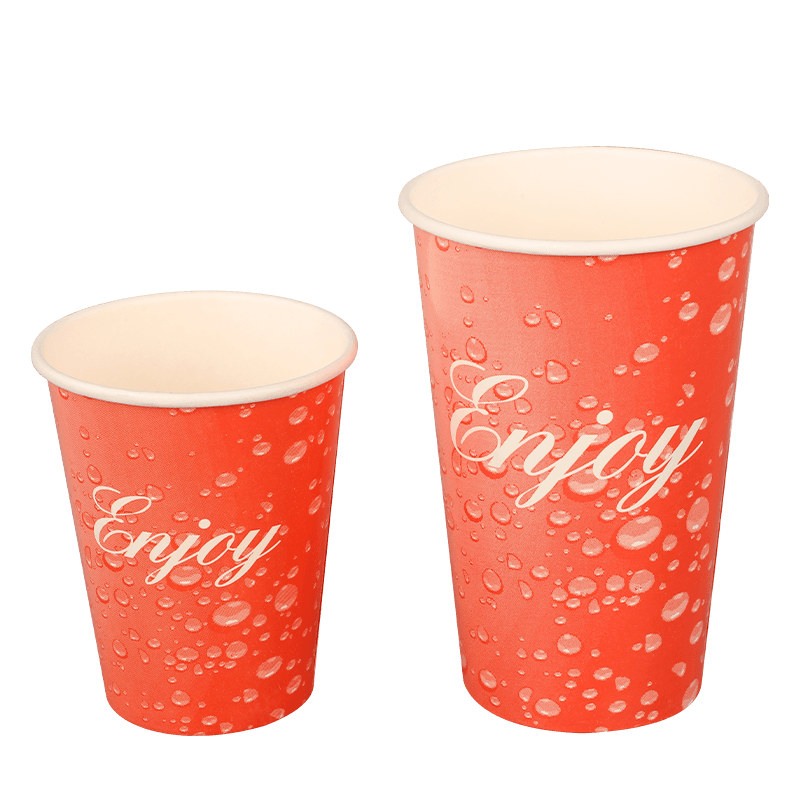
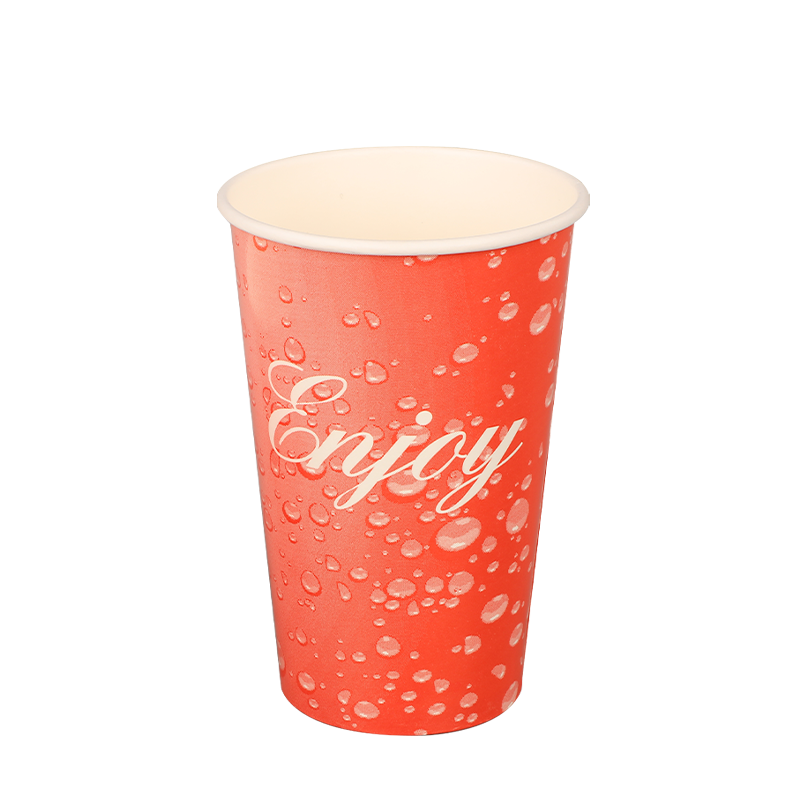
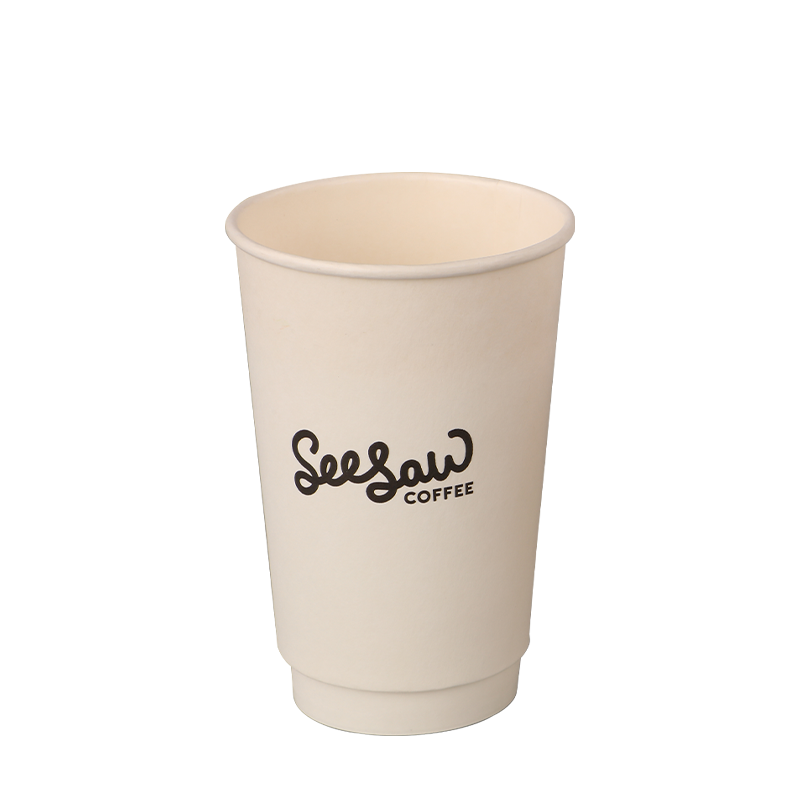
Brands rely on cups as mobile billboards. Recyclable cold paper cups offer excellent printability, supporting high-resolution graphics and vibrant colors. Water-based coatings do not interfere with ink adhesion, allowing for consistent branding. This ensures that companies can maintain their visual identity while transitioning to sustainable packaging, enhancing brand loyalty among eco-conscious consumers.
- Condensation Control: Advanced coatings reduce external sweating, improving grip and comfort.
- Taste Neutrality: Water-based barriers do not impart any plastic taste or odor to beverages.
- Customization: Available in various sizes, shapes, and lid compatibility options for versatile use.
Implementation and Recycling Infrastructure
For recyclable cold paper cups to achieve their environmental potential, proper disposal and processing infrastructure are essential. Businesses and municipalities play a critical role in ensuring these cups enter the correct waste streams.
Consumer Education
Clear labeling is vital. Cups should display recognizable recycling symbols and instructions, such as "Empty & Recycle." Educating consumers about the difference between recyclable cups and traditional plastic-lined ones helps reduce contamination in recycling bins. Campaigns that highlight the ease of recycling these cups can significantly increase participation rates.
Compatibility with Existing Mills
One of the greatest advantages of water-based recyclable cups is their compatibility with existing paper recycling infrastructure. Unlike PLA or other bioplastics that require industrial composting facilities, these cups can be processed in standard paper mills. This means no new infrastructure investment is needed, allowing for immediate scalability and widespread adoption.
Your email address will not be published. Required fields are marked *
We're Here To Help.

Copyright © HANGZHOU RENMIN ECO-TECH CO.,LTD. All Rights Reserved
Eco Friendly Food Packaging Solution Food Paper Packaging Manufacturer
