

-
Products
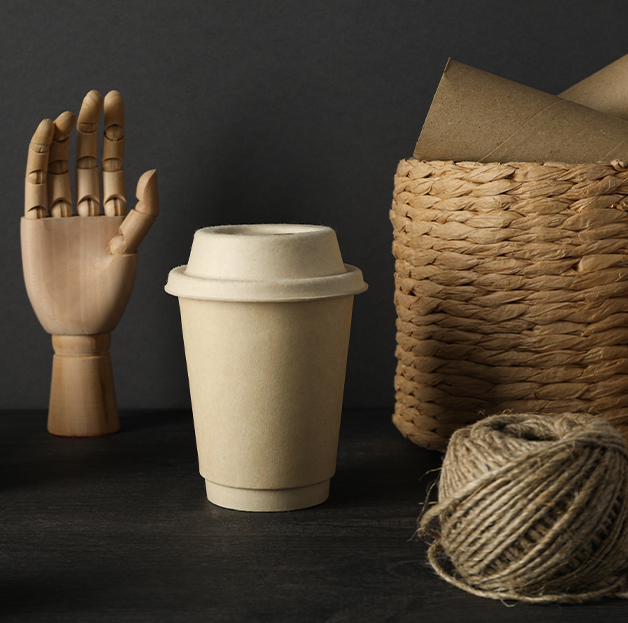
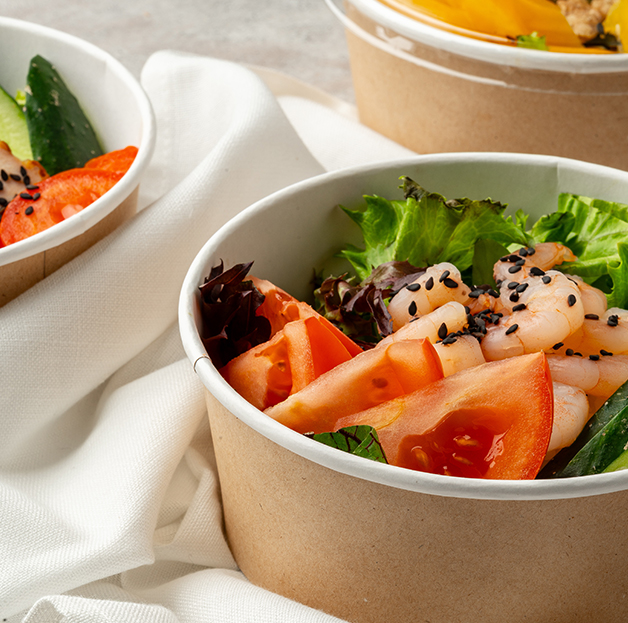
-
Food Packaging Solution
Mission & PhilosophyRenmin Eco-Tech adheres to the philosophy of green, innovation, and responsibility, placing customers at the center and valuing dedicated professionals. We aim to integrate sustainability and eco-consciousness into every product.
 Green Innovation Leading the Future
-
Our Story
Why Choose Us?Hangzhou Renmin Eco-tech Co., Ltd, situated in the picturesque city of Hangzhou, Zhejiang, is a leading paper product research, development, and sales company. Established in 2004, we specialize in eco-friendly solutions such as Base Paper Rolls, PE Coated Paper Rolls, Paper Cup Fans, Paper Bowl and Box Fans, Die-cut Sheets, etc, for food packaging, and Aluminum Foil Film laminated paper.
 Coming From China, Marketing To The World.
-
News
 Aluminum Foil Paper Bowls: Structure, Performance & Foodservice Applications
What Aluminum Foil Paper Bowls Actually Are — And Why the Laminate Structure Matters Aluminum foil paper bowls are composite containers built from two bonded materials: a structural paperboard base t...
 English
 中文简体
 Français
 Español
 عربى
Industry News
Paper Cup Size Guide: Volume, Rim Diameter, Wall Type and Lid Fit Explained
Paper cup size is really three numbers pretending to be one. The ounce figure on the carton is a nominal volume, the millimetre figure at the rim decides whether your lids actually seal, and the usable fill is what reaches the customer after you leave headspace for foam, a dome lid or a straw. A café that orders "16 oz" from two suppliers can end up with cups that hold 470 ml and 500 ml, need two different lids, and stack differently behind the counter.
Here is the short version we give buyers: lock the rim diameter first, because it fixes your lid inventory; pick the wall construction second, because it changes how hot the cup feels and how much you can realistically pour; choose the nominal volume last, matching it to the drink your menu actually sells. Everything below explains those three steps with the sizes, tolerances and storage details that decide whether a reorder runs smoothly or turns into a returns conversation.
Content
- 1 Why the Ounce Label Is Only a Starting Point
- 2 Paper Cup Size Chart for Menu Planning
- 3 Rim Diameter and Lid Fit Decide More Reorders Than Volume
- 4 Wall Construction Changes What You Can Pour
- 5 Matching Sizes to Menu and Daypart
- 6 How Size Affects Cost, Freight and Storage
- 7 Coating Choice Follows the Size Decision
- 8 A Short Checklist Before You Request a Quote
Why the Ounce Label Is Only a Starting Point
Nominal capacity is measured to the brim, and almost nobody serves to the brim. In practice a cup is filled to roughly 80–90% of its stated volume once you allow 10–20 mm of headspace. A 12 oz (about 355 ml) cup therefore delivers something closer to 280–320 ml of drink. If your recipe is built around 350 ml of milk plus a double shot, a 12 oz cup will look generous at the pass and tight at the lid.
Unit conversions add a second layer of confusion. A strict conversion puts 22 oz at roughly 650 ml, yet many suppliers label the same cup 700 ml because they measure a slightly different fill line or round up to a round metric number. Wall thickness, rim curl and the forming tolerance of the side seam all shift the real figure by a few millilitres either way. That is why two cartons marked 16 oz can behave differently in the same dispenser.
The practical answer is to specify capacity twice: the nominal size for ordering, and a working fill line for the barista or kitchen team. Ask for the brimful capacity in millilitres and the recommended fill volume, then test both with your actual portion before you commit to a print run.
Paper Cup Size Chart for Menu Planning
| Nominal size | Practical fill | Common lid family | Typical use | Watch out for |
|---|---|---|---|---|
| 2.5–4 oz (75–120 ml) | 50–90 ml | Small press-fit or none | Espresso, cortado, condiments, tasting portions | Too small for takeaway lids in most ranges; check before promising travel cups |
| 6–8 oz (180–240 ml) | 150–200 ml | 90 mm for most 8 oz cups | Flat white, kids' drinks, water, tea service | Rim size is often shared with 12 oz, but wall thickness can differ |
| 10–12 oz (300–355 ml) | 250–320 ml | 90 mm | Standard small and medium coffee, milk tea | The default size in many markets, so it crowds out smaller SKUs |
| 16 oz (470–500 ml) | 400–450 ml | 90 mm | Large latte, iced coffee, fountain drinks | Double-wall versions hold less liquid than the outer silhouette suggests |
| 20–22 oz (590–700 ml) | 520–640 ml | 95 mm | Cold brew, smoothies, shareable sodas | Ice displaces a large share of the volume; recipe by weight, not by eye |
| 26–32 oz (800–950 ml) | 650–850 ml | 107 mm or 115 mm | Bubble tea, large sodas, soup and noodle service | Taller cup, higher centre of gravity; lid and carrier need to match |
Rim Diameter and Lid Fit Decide More Reorders Than Volume
Within a single supplier range, one lid often covers three or four capacities, which is genuinely useful: fewer parts, simpler training, less clutter in the dry store. The catch is that the lid seals on the rim curl, not on the printed volume. A 90 mm lid that snaps cleanly onto a single-wall 12 oz cup may sit loose on a double-wall cup of the same nominal size, because the outer shell is thicker and the curl geometry changes.
Two practical habits prevent most lid complaints. First, test lids on filled cups at serving temperature, not on empty cups from the sample box, since heat softens the rim and cold contracts it. Second, keep cups and lids from the same production family and batch where you can; mixing suppliers inside one rim family is exactly where tolerance gaps of a few tenths of a millimetre turn into leaks.
Cold service deserves separate attention, because ice, condensation and taller cups load the lid differently from hot drinks. Our cold cup selection guide covers coating choice and diameter matching in more depth if cold drinks are a significant part of your volume.
Wall Construction Changes What You Can Pour
Single-wall cups are the economical choice for cold drinks, quick-service coffee and any menu where the cup is held briefly. Double-wall cups add an insulating air gap, which keeps a 16 oz americano comfortable in the hand without a sleeve, and they hold their shape better under a domed lid. The trade-off is that the inner cup holding the liquid sits inside the outer shell, so the real fill volume is slightly smaller than the exterior suggests; measure the fill line rather than assuming it matches a single-wall cup of the same number.
Embossed and ripple-wall formats sit between the two: the textured surface improves grip and gives a premium feel for speciality coffee, at a slightly higher unit cost and with marginally less printable flat area.
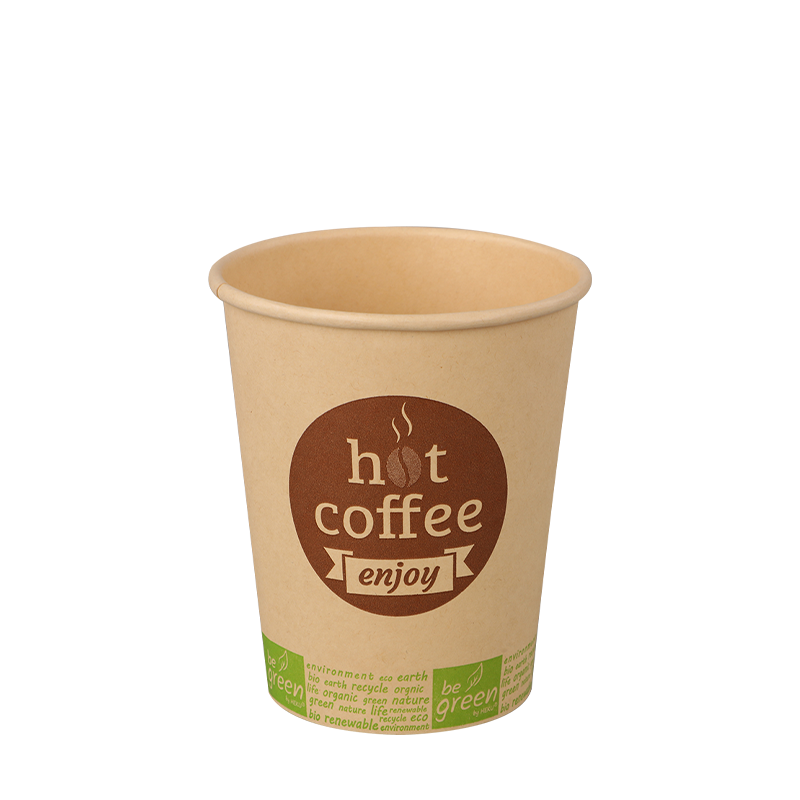
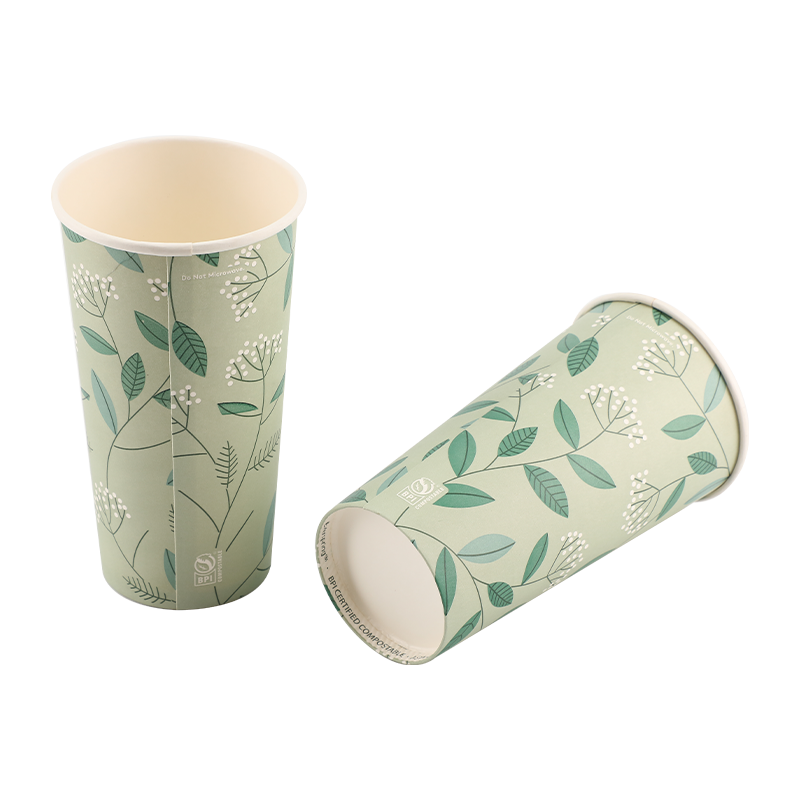 12oz PE-Coated Single Wall Hot Paper CupA customizable 12oz PE-coated single-wall cup for hot coffee or milk tea, with leak-proof seams and print options for branded service.View Product →
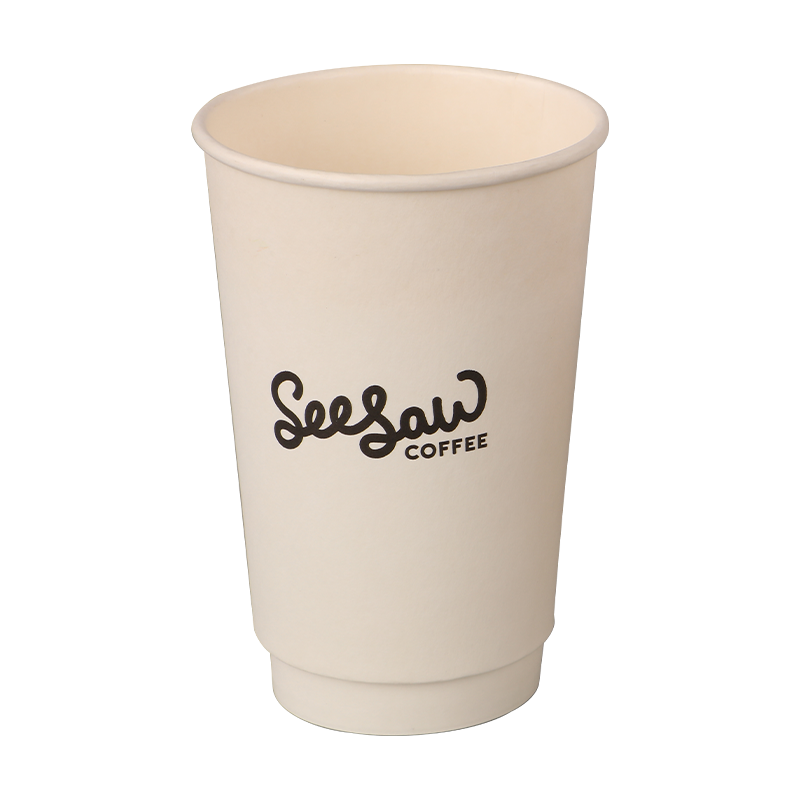
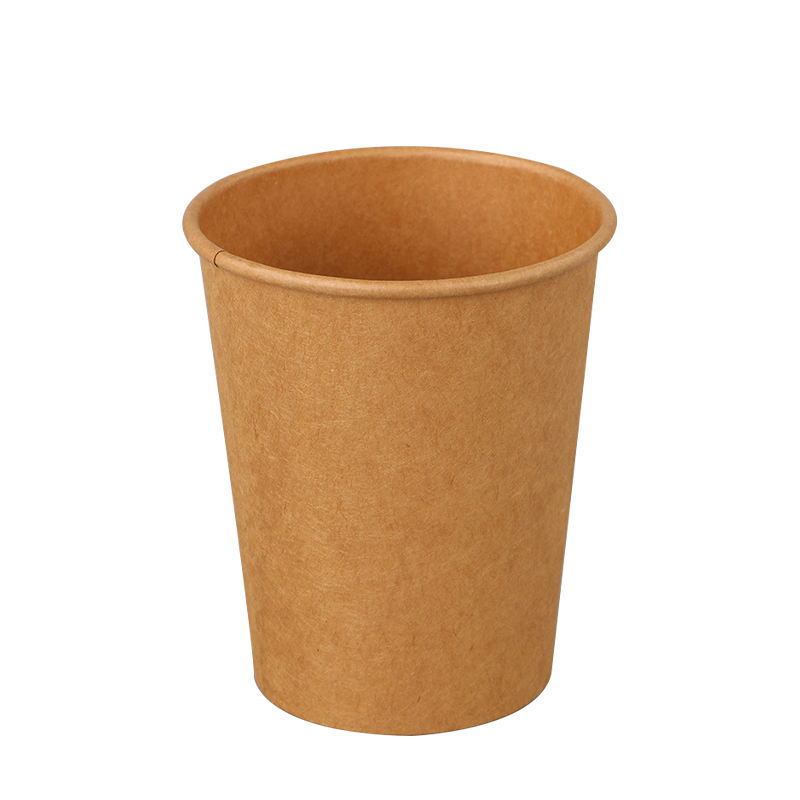
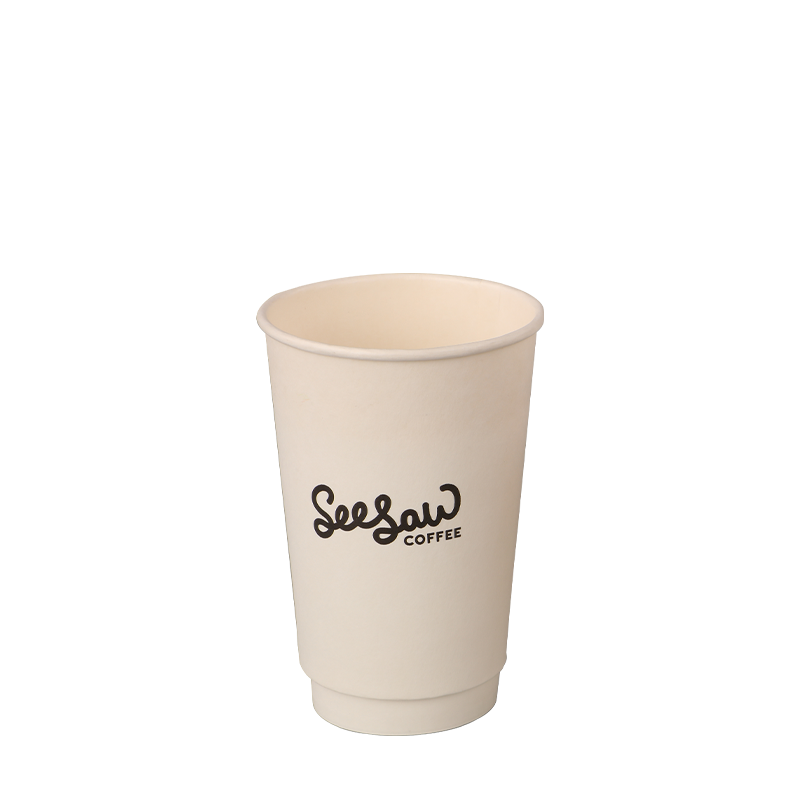
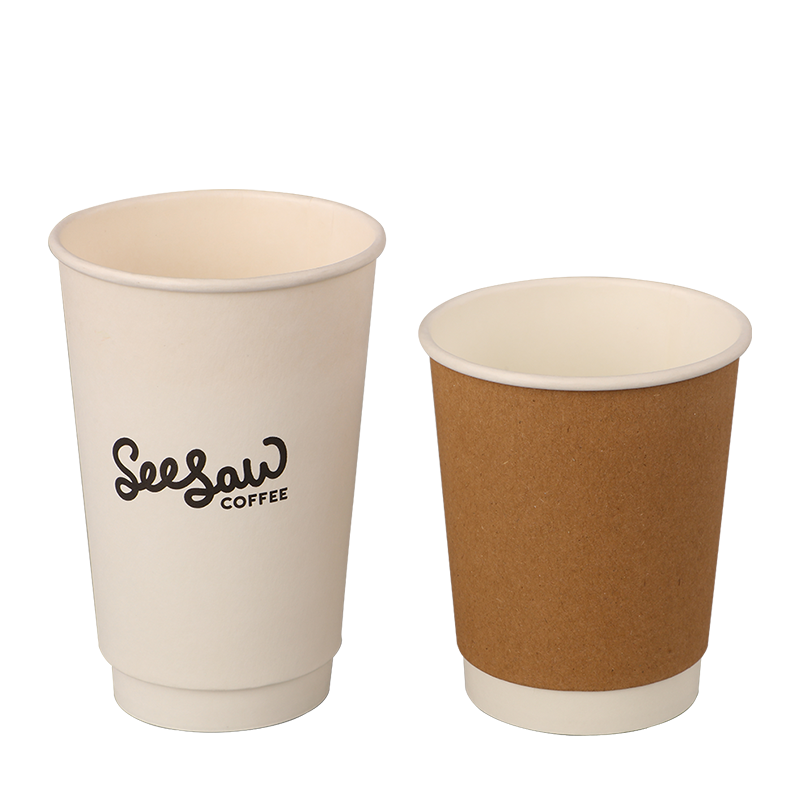 16oz Double Wall Hot Paper CupFor larger hot drinks, this double-wall insulated cup keeps drinks hot and hands cool, with secure lid fit and branding options.View Product → 2.5oz Espresso Single Wall Paper CupA small single-wall cup for espresso or cortado servings, made from wood pulp paper with leak-resistant coating and compostable credentials.View Product →
Matching Sizes to Menu and Daypart
Espresso and small formats
A 2.5–4 oz cup is the correct home for a solo espresso or a cortado. Serving the same shot in an 8 oz cup looks half-empty, cools the crema faster and quietly costs you money on every serve. Small cups are also the cheapest way to add a tasting flight or a children's portion without new lids.
Standard coffee and tea
The 8 oz and 12 oz pair covers most cafés: 8 oz for a flat white or a strong filter, 12 oz as the default medium. If you can only stock one hot size, 12 oz is the safer bet in most markets; if your menu is espresso-led, 8 oz will read as the more considered choice.
Large and iced drinks
Volume planning for cold drinks has to account for ice. A 22 oz cup filled with ice to the top typically holds 350–420 ml of liquid, so a "large" iced latte may contain less coffee than the 16 oz hot version. Fix the ice ratio first, then choose the cup; the reverse order is how menus end up with drinks that overflow or look short.
Bowls and food containers
Food packaging runs on millilitres rather than ounces, and the logic shifts from drinking to transport: a 500 ml salad bowl suits a side portion, while 1000–1500 ml covers a main course, and soup or noodle bowls are specified in ounces because they follow the same rim and lid system as cups.
How Size Affects Cost, Freight and Storage
Bigger cups cost more per unit, but the bigger effect is often freight and shelf space. A carton holds fewer 16 oz cups than 12 oz cups, so the landed cost per cup rises faster than the price list suggests once pallet configuration and container utilisation are included. On the counter side, taller stacks of large cups need more back-bar clearance, and every additional capacity usually drags an extra lid SKU with it.
- Rationalise to three hot sizes and two cold sizes where possible; each extra size adds a lid, a carton footprint and a training item.
- Compare cost per millilitre served, not cost per cup: a cheaper 12 oz cup that forces a top-up costs more than a 16 oz cup used correctly.
- Check carton counts and stack height before you re-plan shelving, especially for 22 oz and above.
- Keep one sample of each size and its lid taped to the dry-store wall, labelled with the fill line your team should use.
Coating Choice Follows the Size Decision
Once the size and wall type are fixed, the lining decides the end-of-life story. PE lining is the workhorse for hot drinks; PLA lining supports industrial composting claims; water-based and plastic-free coatings are aimed at mills and recovery systems that accept coated paper. None of these labels mean much without local collection infrastructure, so match the claim to what your customers can actually do with the cup. Smaller cups use less material per serve, but they also mean more cups per litre poured, which offsets part of the saving.
If you form your own cups rather than buying finished stock, the same dimensions apply one step earlier: paper cup fan blanks are cut to match the finished rim diameter and side-seam length, so the blank specification has to be agreed alongside the cup specification, not after it.
A Short Checklist Before You Request a Quote
Send these nine points and most suppliers can quote accurately on the first pass instead of the third:
- Nominal size in ounces and millilitres, and which figure is the brimful capacity.
- Target fill volume in millilitres for the actual drink you serve.
- Rim diameter in millimetres, or the lid you already stock.
- Wall construction: single, double, embossed or ripple.
- Lining: PE, PLA, water-based or plastic-free, and the claim you intend to print.
- Hot or cold service, including maximum liquid temperature.
- Print coverage and number of colours, if branded.
- Carton count, pallet configuration and expected monthly volume.
- Sample quantity and whether lids and sleeves should be included.
Then run one test that answers most sizing arguments: fill the sample to your intended line, fit the lid, and hand it to someone who has never seen the cup. If they can hold it comfortably and the lid survives a ten-metre walk, the size is right. If not, no spreadsheet will rescue it.
Your email address will not be published. Required fields are marked *
We're Here To Help.

Copyright © HANGZHOU RENMIN ECO-TECH CO.,LTD. All Rights Reserved
Eco Friendly Food Packaging Solution Food Paper Packaging Manufacturer
