

-
Products
-
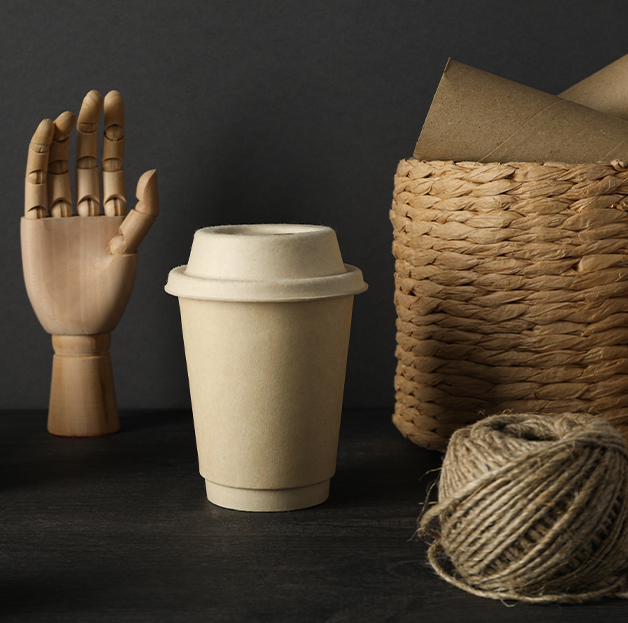
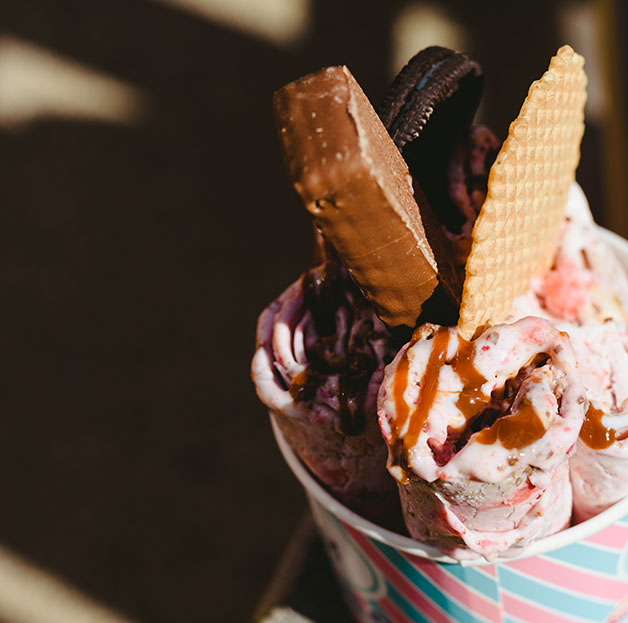
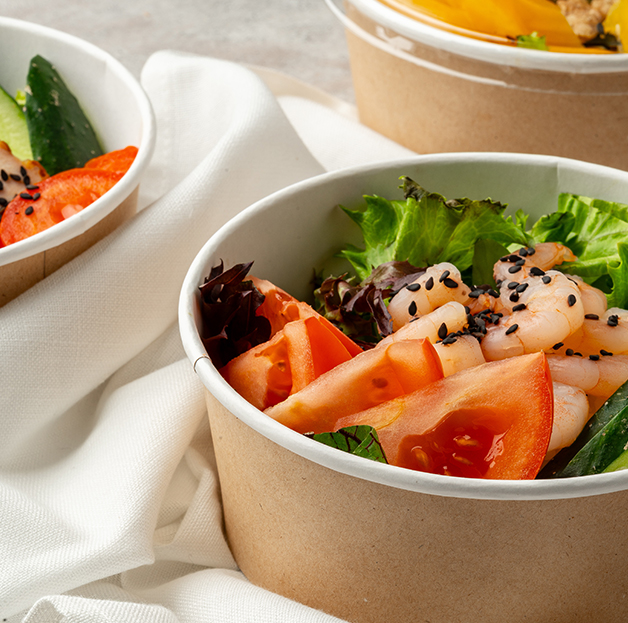
Food Packaging Solution
Mission & PhilosophyRenmin Eco-Tech adheres to the philosophy of green, innovation, and responsibility, placing customers at the center and valuing dedicated professionals. We aim to integrate sustainability and eco-consciousness into every product.
 Green Innovation Leading the Future
-
Our Story
Why Choose Us?Hangzhou Renmin Eco-tech Co., Ltd, situated in the picturesque city of Hangzhou, Zhejiang, is a leading paper product research, development, and sales company. Established in 2004, we specialize in eco-friendly solutions such as Base Paper Rolls, PE Coated Paper Rolls, Paper Cup Fans, Paper Bowl and Box Fans, Die-cut Sheets, etc, for food packaging, and Aluminum Foil Film laminated paper.
 Coming From China, Marketing To The World.
-
News
 Aluminum Foil Paper Bowls: Structure, Performance & Foodservice Applications
What Aluminum Foil Paper Bowls Actually Are — And Why the Laminate Structure Matters Aluminum foil paper bowls are composite containers built from two bonded materials: a structural paperboard base t...
 English
 中文简体
 Français
 Español
 عربى
Industry News
how big is a 12 oz cup: Applications, Selection Criteria, and Practical Guidance
A 12 oz paper cup is usually about 110-112 mm (4.3-4.4 inches) tall with a 90 mm (3.54 inch) top diameter, but that is only one common hot-cup format. The number "12 oz" is a nominal volume, not a fixed height or width. In US foodservice, it means 12 US fluid ounces, or 354.88 mL, commonly rounded to 355 mL. The real answer depends on cup style, wall construction, lid system, and how much headspace your drink needs.
If you are buying cups for coffee, juice, ice cream, or takeaway meals, the useful question is: "How much product will this 12 oz cup hold after the lid, foam, ice, and a safe fill line?" That is the number your menu, cost per serving, and customer experience depend on.
Content
- 1 What 12 oz Means on a Cup Specification
- 2 Typical 12 oz Cup Dimensions by Style
- 3 Why a 12 oz Cup Is Not Always the Same Size
- 4 Hot Cup Formats: Single-Wall and Double-Wall
- 5 Cold Cups and the Ice Factor
- 6 How to Read a 12 oz Cup Drawing Before You Buy
- 7 Sizing Checks That Prevent Costly Order Mistakes
- 8 Quick Size Reference for Menu and Package Design
What 12 oz Means on a Cup Specification
A 12 oz cup specification is a volume claim, not a weight. Twelve US fluid ounces equals 354.88 mL. If a supplier uses imperial fluid ounces, 12 imperial ounces is about 340.96 mL, roughly 14 mL less. In US foodservice and most export specifications, "12 oz" means US fluid ounces, but the unit should still be stated on the purchase order.
There is also a difference between brim capacity and nominal capacity. A cup may hold 12 oz when filled to the very top, while a practical takeaway fill is lower. Hot drinks need room for foam, a lid, and thermal expansion; cold drinks need room for ice and movement. A 12 oz cup with ice may take only 6-8 oz of liquid, depending on ice size and fill level. If your recipe says "12 oz latte," decide whether that means 12 oz of liquid before foam or 12 oz total served volume.
Typical 12 oz Cup Dimensions by Style
The ranges below are common starting points for paper cups. They are not a universal standard. A 12 oz cup from one supplier may not fit another supplier's 90 mm lid, and a small change in rim curl or wall caliper can affect nesting, case pack, and dispenser performance.
| Cup style | Typical top diameter | Typical height | Typical base diameter | Main factors that change the number |
|---|---|---|---|---|
| Single-wall hot cup | 90 mm / 3.54 in | 110-112 mm / 4.33-4.41 in | 60 mm / 2.36 in | Paper weight, coating type, rim curl, and bottom tooling. |
| Double-wall hot cup | 90 mm / 3.54 in | 112-118 mm / 4.41-4.65 in | 58-60 mm / 2.28-2.36 in | Outer wall thickness, air gap, and embossing or sleeve-free insulation. |
| Cold cup | 90 mm / 3.54 in | 115-120 mm / 4.53-4.72 in | 58-60 mm / 2.28-2.36 in | Taller body for ice, lid fit, straw slot, and condensation control. |
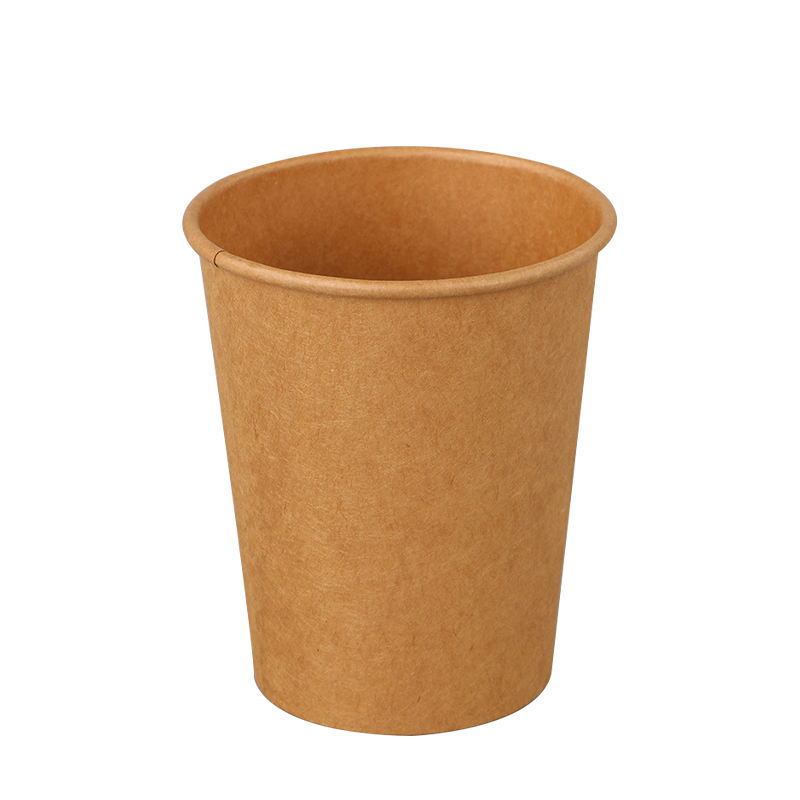
| Kraft or bamboo hot cup | 90 mm / 3.54 in | 110-115 mm / 4.33-4.53 in | 60 mm / 2.36 in | Fiber type, stiffness, coating, and natural shade of the board. |
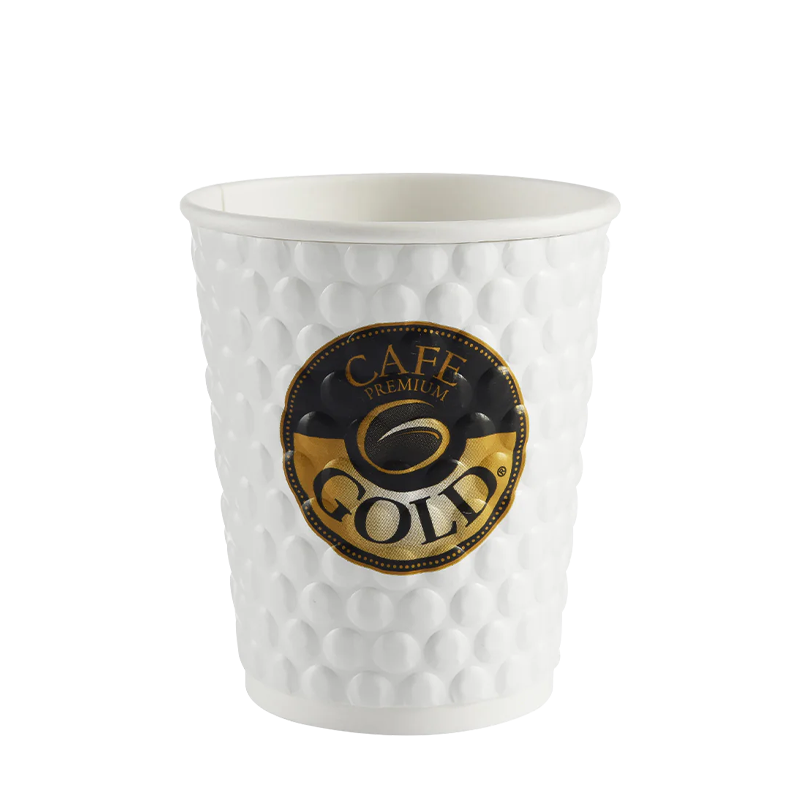
| Embossed hot cup | 90 mm / 3.54 in | 110-115 mm / 4.33-4.53 in | 60 mm / 2.36 in | Embossing depth, pattern coverage, and wall caliper. |
In inches, a 90 mm rim is about 3.54 inches, and a 60 mm base is about 2.36 inches. A 110 mm height is about 4.33 inches. Those conversions are useful for artwork, shelf planning, and comparing supplier drawings, but the millimeter values are usually the controlling dimensions for lids and tooling.
Why a 12 oz Cup Is Not Always the Same Size
Wall construction and coating
Cupstock for hot cups commonly ranges from about 210 to 300 gsm, and the coating adds a small but real thickness. A PE coating, PLA coating, water-based coating, or plastic-free coating can change stiffness, slip, and heat-seal behavior. Double-wall cups add an outer layer, so the outer diameter often grows by roughly 1-3 mm even when the nominal 12 oz capacity and 90 mm rim stay the same.
Lid interface and rim diameter
A 90 mm rim is common for 12-16 oz hot and cold cups, but 90 mm is a nominal lid diameter, not a guarantee. Rim curl shape, cup roundness, and the lid's inner skirt all affect fit. Before ordering, ask for the lid part number and test a filled cup at the temperature and tilt angle your customers will use. A lid that clicks on an empty cup may still leak when the cup is hot, full, and carried in a bag.
Nominal fill versus practical fill
A 12 oz cup that is filled to the brim is not a safe takeaway pour. Most operators leave 10-20 mm of headspace, depending on the drink. For hot coffee, that space protects the lid from foam and expansion. For cold drinks, ice takes up volume before liquid is added. The same 12 oz cup can therefore serve a 10 oz hot chocolate or a 12 oz iced drink with a different liquid-to-ice ratio.
Hot Cup Formats: Single-Wall and Double-Wall
For a 12 oz hot coffee or tea, single-wall cups are the standard choice. They suit dine-in and takeaway service when a sleeve or double-wall option is not required. Our 12 oz PE single-wall hot paper cup is one reference format for this size.
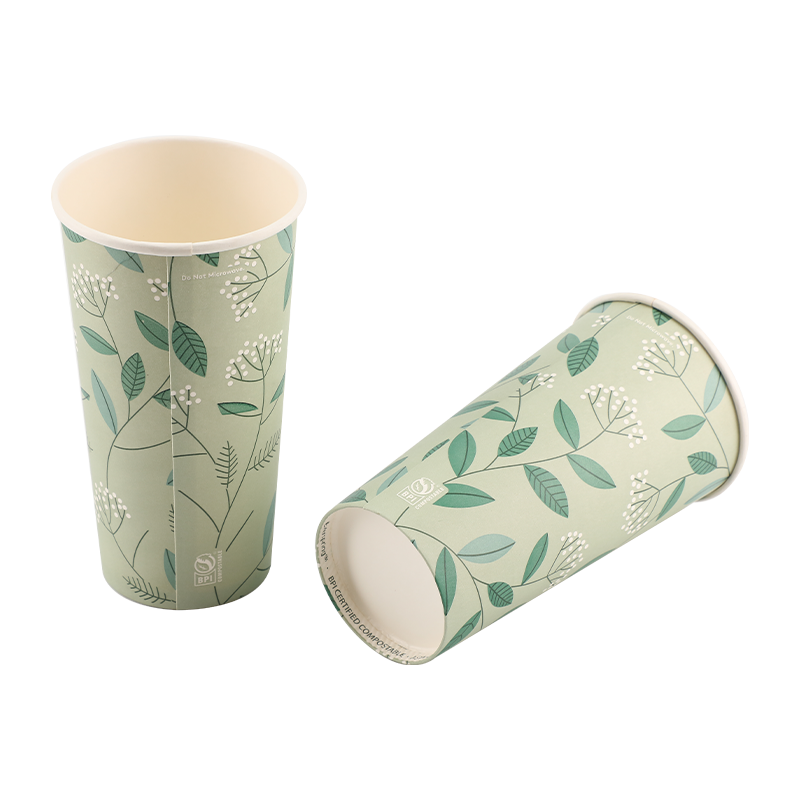 12 oz PE Single-Wall Hot Paper CupA standard 12 oz PE-coated single-wall format for hot coffee or tea, suited to dine-in and takeaway when no sleeve or double wall is required.View Product →
Double-wall cups add an outer layer that improves heat insulation and grip. They are useful for drive-thru or delivery where customers may hold the cup soon after pouring. The trade-off is a slightly larger outer diameter and more paper per cup, so case cube and lid fit should be checked together. Our 12 oz insulated double-wall hot paper cup shows how that format is built around the same nominal volume.
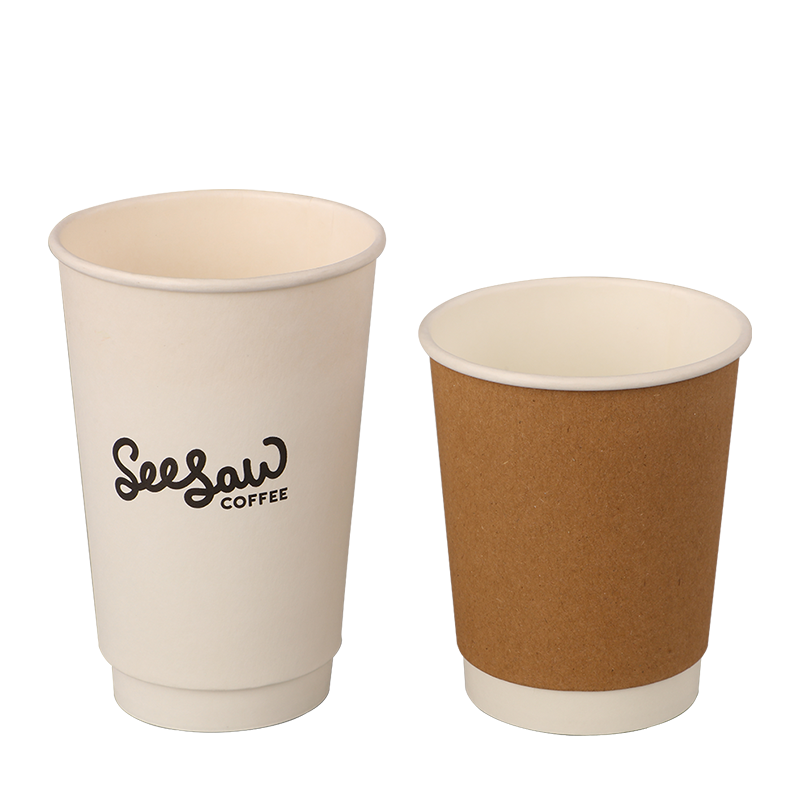 12 oz Insulated Double-Wall Hot Paper CupAn air-wall double-wall cup for hot coffee and tea, adding insulation and grip while requiring checks on outer diameter, lid fit, and case cube.View Product →
Cold Cups and the Ice Factor
A 12 oz cold cup often looks taller and slimmer than a 12 oz hot cup because the body is designed for ice, condensation, and a straw lid. For soda, juice, iced tea, and cold coffee, confirm whether the 12 oz refers to total cup volume or the liquid pour before ice. If your menu promises a 12 oz drink, a cup with a 12 oz nominal capacity may be too tight once ice and a lid are added. Our 12 oz cold drinking paper cup is a practical reference for juice and cold beverage service.
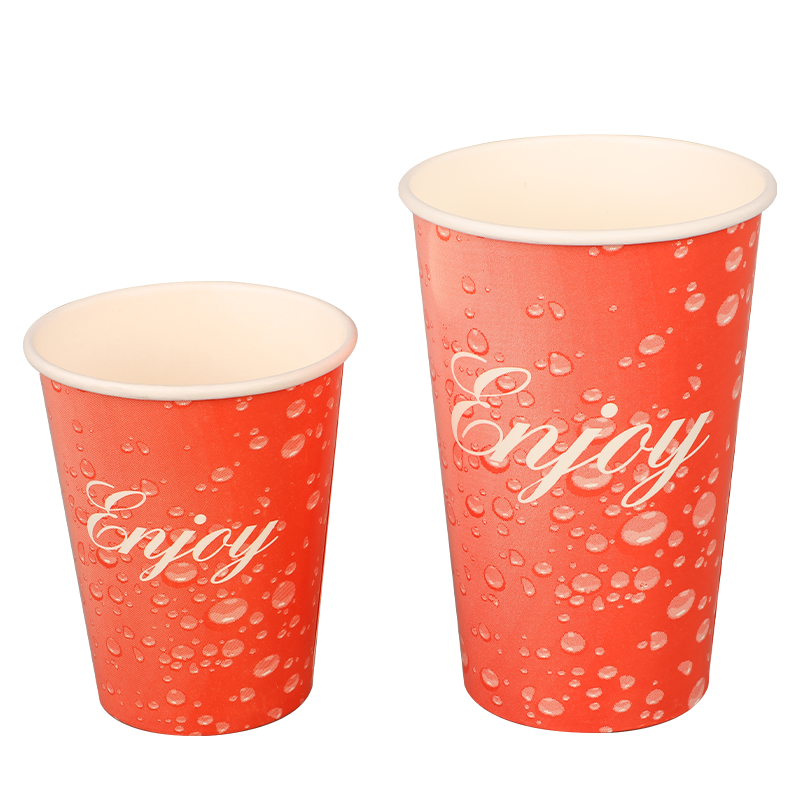 12 oz Cold Drinking Paper Cup for JuiceA 12 oz cold-beverage cup for juice, iced tea, cola, and similar drinks, with two-sided coating and a waterproof barrier for condensation-prone service.View Product →
For a fuller comparison of cold cup materials, sizes, and buying criteria, see this cold drinking paper cup buying guide.
How to Read a 12 oz Cup Drawing Before You Buy
A cup drawing should answer more than "how big is a 12 oz cup." Use the following checks to avoid a shipment that looks correct on paper but fails on the filling line.
- Confirm nominal capacity and brim capacity in US fluid ounces and milliliters.
- Check top diameter, rim curl, and the exact lid part number that will be used.
- Check overall height and base diameter against dispensers, carriers, and carton layouts.
- Confirm cupstock weight, coating type, and whether the cup is single-wall or double-wall.
- Agree on dimensional tolerances, usually in millimeters, and the inspection method.
- Review print area and artwork safe zones after the final drawing is approved.
- Test samples with the real drink, real lid, and real holding time before mass production.
Sizing Checks That Prevent Costly Order Mistakes
Small dimensional differences can create large operational costs. A 1 mm change in rim diameter may affect lid reject rates. A 2 mm change in height can alter how many cups nest in a sleeve, how many sleeves fit in a carton, and how many cartons fit on a pallet. That is why a 12 oz cup should be specified as a system: cup, lid, sleeve, carton, and filling equipment.
Paper choice also matters. A stiffer cupstock can reduce bulge when the cup is filled, but it may change the feel of the rim and the way the cup nests. For hot cups, the base paper and coating should be matched to the drink temperature, hold time, and desired shelf life. A 100% virgin wood pulp cupstock is a common starting point for hot cup production, and its grade should be stated alongside the 12 oz capacity.
When comparing suppliers, ask for a dimension sheet, a lid compatibility sample, and a case-pack drawing. Then run a short trial with the actual beverage. If the cup feels too full, too hot, or too loose under the lid, the issue is usually the fill line or the cup-lid system, not the "12 oz" label alone.
For raw material specifications, you can review this 100% virgin wood pulp cupstock paper reference before matching board grade to cup size.
Quick Size Reference for Menu and Package Design
- 12 US fluid ounces = 354.88 mL, usually rounded to 355 mL.
- 12 imperial fluid ounces = about 340.96 mL, roughly 14 mL less than the US measure.
- 90 mm = 3.54 inches; 60 mm = 2.36 inches; 110 mm = 4.33 inches.
- A typical 12 oz hot cup is about 110-112 mm tall; a typical 12 oz cold cup is often 115-120 mm tall.
- Usable fill is lower than brim capacity once headspace, foam, or ice is added.
A 12 oz cup is a practical single-serve size for coffee, tea, juice, and cold drinks, but its physical size is not universal. Treat 355 mL as the volume anchor, then confirm top diameter, height, base diameter, lid part number, paper weight, and tolerance on the supplier drawing. That approach gives you a cup that fits the lid, the menu, the carrier, and the customer's hand without surprises at the filling line.
Your email address will not be published. Required fields are marked *

We're Here To Help.

Copyright © HANGZHOU RENMIN ECO-TECH CO.,LTD. All Rights Reserved
Eco Friendly Food Packaging Solution Food Paper Packaging Manufacturer
