

-
Products


-
Food Packaging Solution
Mission & PhilosophyRenmin Eco-Tech adheres to the philosophy of green, innovation, and responsibility, placing customers at the center and valuing dedicated professionals. We aim to integrate sustainability and eco-consciousness into every product.
 Green Innovation Leading the Future
 -
Our Story
Why Choose Us?Hangzhou Renmin Eco-tech Co., Ltd, situated in the picturesque city of Hangzhou, Zhejiang, is a leading paper product research, development, and sales company. Established in 2004, we specialize in eco-friendly solutions such as Base Paper Rolls, PE Coated Paper Rolls, Paper Cup Fans, Paper Bowl and Box Fans, Die-cut Sheets, etc, for food packaging, and Aluminum Foil Film laminated paper.
 Coming From China, Marketing To The World.
 -
News
 Aluminum Foil Paper Bowls: Structure, Performance & Foodservice Applications
What Aluminum Foil Paper Bowls Actually Are — And Why the Laminate Structure Matters Aluminum foil paper bowls are composite containers built from two bonded materials: a structural paperboard base t...
 English
 中文简体
中文简体 Français
 Español
 عربى
عربىIndustry News
Embossed Coffee Paper Cups: Branding & Benefits Guide
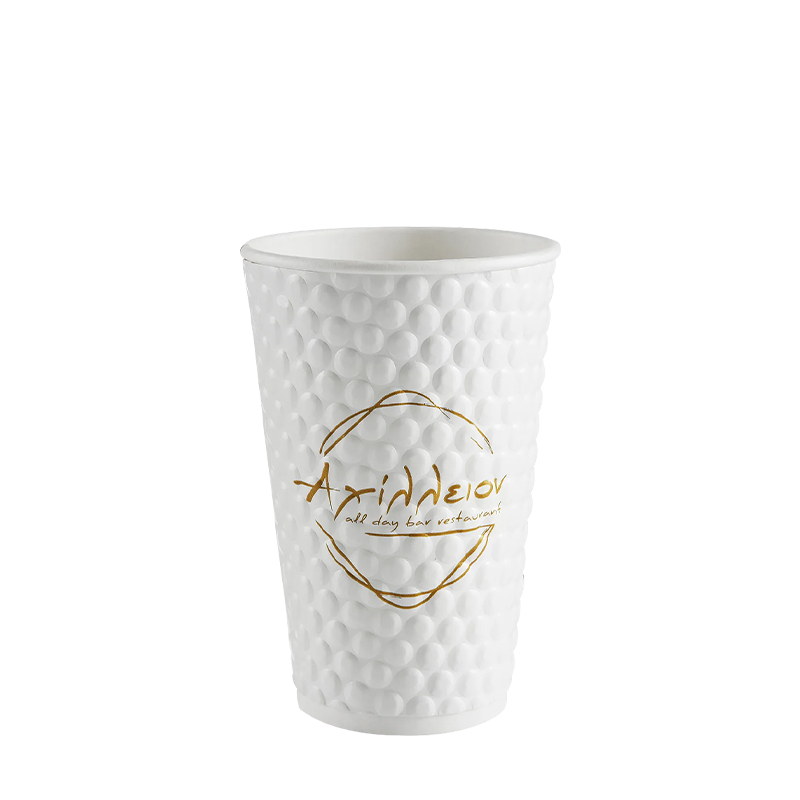
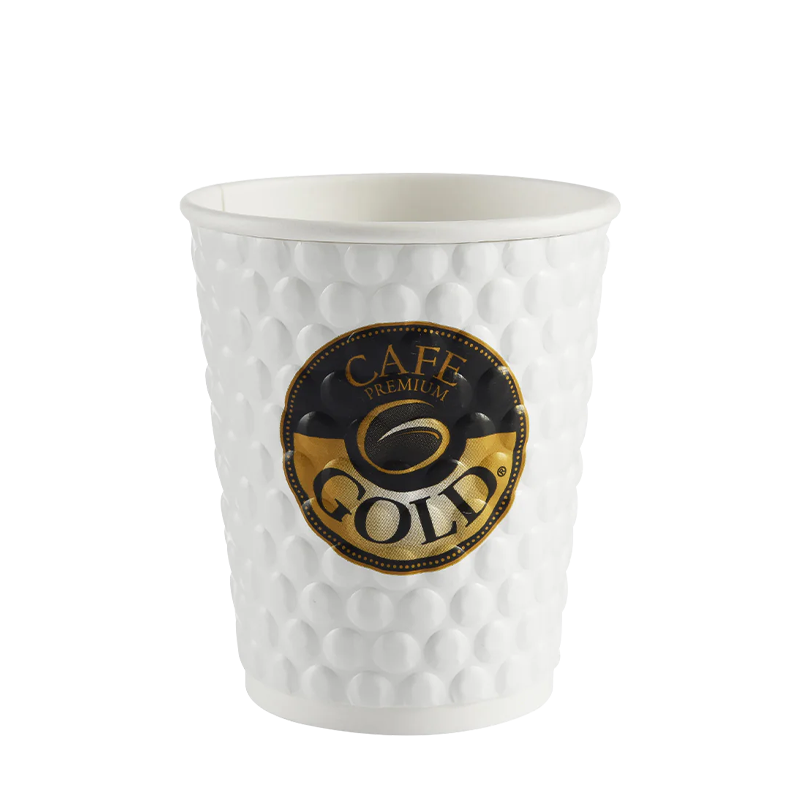
Embossed coffee paper cups provide a superior tactile branding experience that significantly enhances customer perception and brand recall compared to standard printed cups. By raising the logo or pattern above the surface of the cup, businesses create a multi-sensory interaction that communicates quality and attention to detail. This physical texture not only differentiates the product on crowded shelves but also offers a subtle grip improvement, making it a functional and aesthetic upgrade for cafes and restaurants.
Content
The Impact of Tactile Branding on Customer Experience
In the competitive coffee industry, visual appeal is often prioritized over touch. However, embossing leverages the sense of touch to create a deeper psychological connection with the consumer. When a customer holds an embossed cup, the raised texture signals premium quality before they even take a sip.
Enhanced Brand Recall
Studies in sensory marketing suggest that tactile engagement increases memory retention. A smooth, flat print may be seen and forgotten, but a textured logo creates a unique physical signature. Brands using embossed packaging report up to a 20% increase in unaided brand recall because the physical sensation reinforces the visual identity.
Perceived Value and Quality
The additional manufacturing step required for embossing translates directly into perceived value. Customers often associate the extra effort and cost of embossing with higher-quality ingredients and service. This allows businesses to justify premium pricing strategies while enhancing customer satisfaction.
Technical Advantages of Embossed Cups
Beyond aesthetics, embossed coffee paper cups offer practical benefits that improve the user experience. The structural changes made during the embossing process contribute to both functionality and durability.
| Feature | Standard Printed Cup | Embossed Cup |
|---|---|---|
| Grip Texture | Smooth, can be slippery | Textured, improved friction |
| Structural Rigidity | Standard | Slightly increased due to compression |
| Visual Depth | Flat, 2D appearance | 3D effect, shadows highlight logo |
| Brand Differentiation | Low to Medium | High |
The raised areas of the embossing create micro-channels that can help condensation run off more predictably, keeping hands drier. Additionally, the compressed paper fibers in the embossed areas add a slight degree of rigidity, reducing the likelihood of the cup collapsing under pressure if held tightly.
Design Considerations for Effective Embossing
Not all designs translate well to embossing. To maximize the impact of embossed coffee paper cups, businesses must consider specific design principles that work with the physical limitations of the material.
Optimal Logo Complexity
Simple, bold logos with clear lines produce the best embossed results. Intricate details or very thin fonts may get lost or fail to raise distinctly. Line widths should be at least 1-2mm to ensure the embossing die can create a clean, visible impression without tearing the paper fibers.
Placement and Scale
- Central Placement: Position the embossed element where the hand naturally grips the cup, typically the middle third, to maximize tactile interaction.
- Avoid Seams: Ensure the design does not overlap with the side seam of the cup, as this area is uneven and will distort the embossing.
- Scale Appropriately: Larger designs have more impact, but small, subtle embossing can create an elegant, understated look for luxury brands.
Sustainability and Material Choices
As consumers become more environmentally conscious, the sustainability of embossed coffee paper cups is a critical factor. The good news is that embossing is a mechanical process that does not require additional inks or chemicals, making it an eco-friendly branding option.
Most embossed cups are made from FSC-certified paperboard, ensuring responsible sourcing. The embossing process itself generates no waste beyond standard production trimmings. Furthermore, because the branding is achieved through texture rather than heavy ink coverage, these cups are often easier to recycle in facilities that struggle with heavily printed materials.
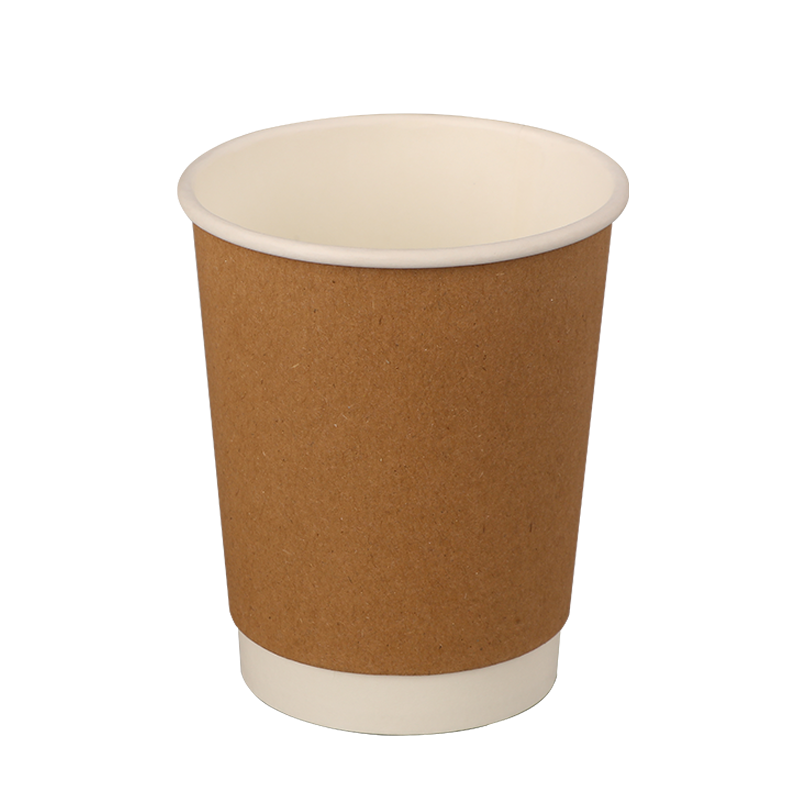
For businesses aiming to reduce their carbon footprint, combining embossing with unbleached, kraft-style paper creates a powerful natural aesthetic that aligns with sustainable values. This combination signals to customers that the brand cares about both quality and environmental responsibility.
Your email address will not be published. Required fields are marked *
We're Here To Help.

Copyright © HANGZHOU RENMIN ECO-TECH CO.,LTD. All Rights Reserved
Eco Friendly Food Packaging Solution Food Paper Packaging Manufacturer
