

-
Products
-
Food Packaging Solution
Mission & PhilosophyRenmin Eco-Tech adheres to the philosophy of green, innovation, and responsibility, placing customers at the center and valuing dedicated professionals. We aim to integrate sustainability and eco-consciousness into every product.
 Green Innovation Leading the Future
 -
Our Story
Why Choose Us?Hangzhou Renmin Eco-tech Co., Ltd, situated in the picturesque city of Hangzhou, Zhejiang, is a leading paper product research, development, and sales company. Established in 2004, we specialize in eco-friendly solutions such as Base Paper Rolls, PE Coated Paper Rolls, Paper Cup Fans, Paper Bowl and Box Fans, Die-cut Sheets, etc, for food packaging, and Aluminum Foil Film laminated paper.
 Coming From China, Marketing To The World.
 -
News
 Aluminum Foil Paper Bowls: Structure, Performance & Foodservice Applications
What Aluminum Foil Paper Bowls Actually Are — And Why the Laminate Structure Matters Aluminum foil paper bowls are composite containers built from two bonded materials: a structural paperboard base t...
 English
 中文简体
中文简体 Français
 Español
 عربى
عربىIndustry News
Cold Drinking Paper Cups: Selection, Coatings & Sustainability
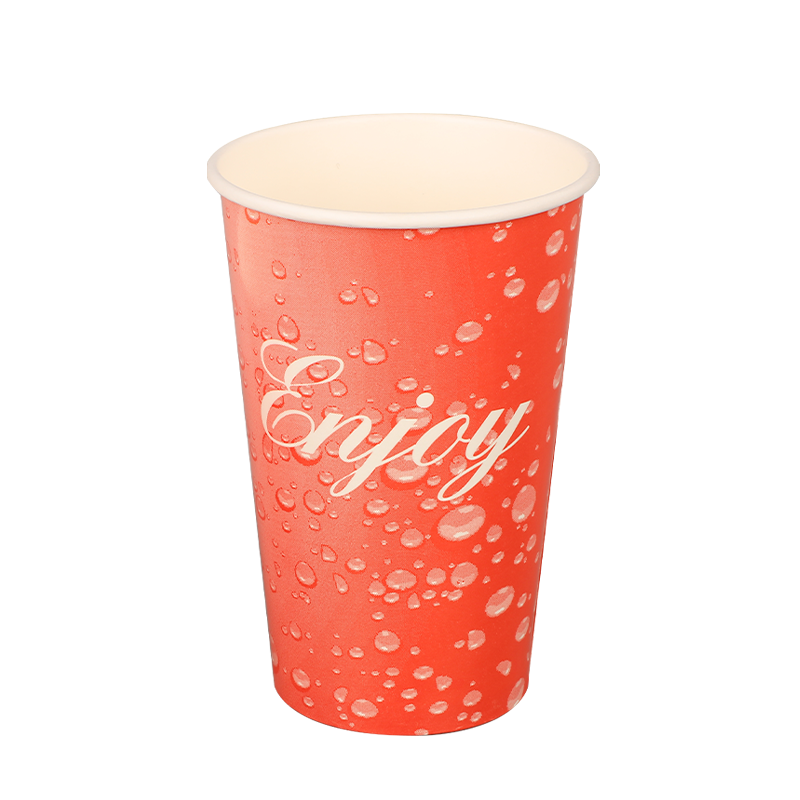
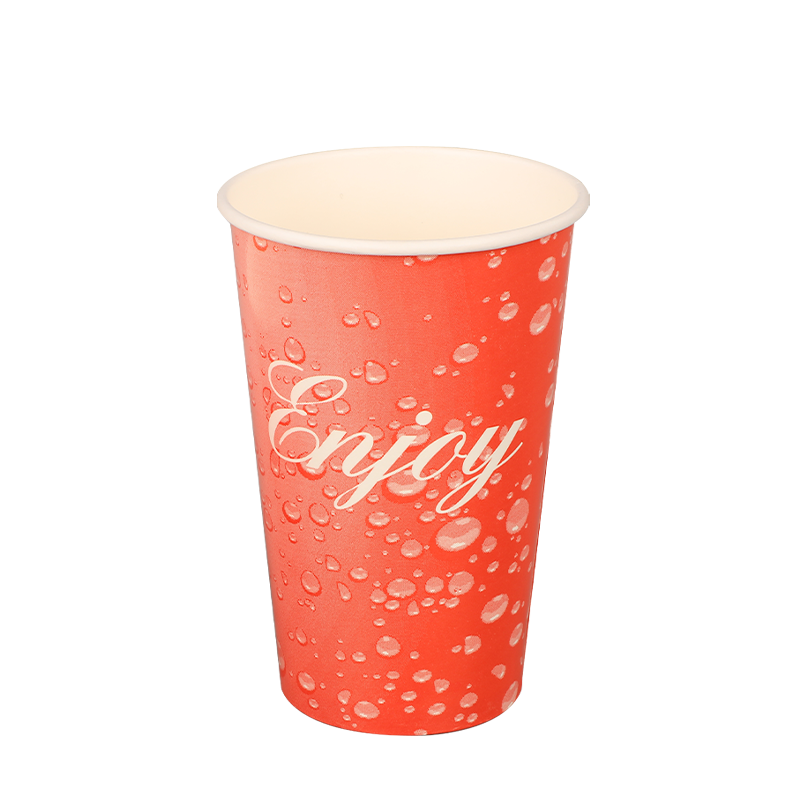
Selecting the right cold drinking paper cups is critical for maintaining beverage quality, preventing structural failure, and meeting sustainability goals. Unlike hot cups, cold cups must resist condensation without becoming soggy, requiring specific internal coatings and often double-walled construction. The most effective solutions utilize high-barrier polyethylene (PE) or polylactic acid (PLA) linings that prevent leakage while ensuring the cup remains rigid at low temperatures. For businesses, prioritizing cups with a weight of at least 200-250 gsm ensures durability, while choosing compostable PLA options can significantly reduce environmental impact.
Content
Understanding Coating Technologies
The core challenge with paper cups is that paper is naturally porous. To hold liquids, especially cold ones that cause external condensation, an impermeable barrier is essential. The type of coating determines the cup's recyclability and compostability.
Polyethylene (PE) Lining
PE is the industry standard for cold cups due to its excellent moisture resistance and low cost. It provides a robust barrier against condensation, preventing the paper from softening. However, traditional PE-lined cups are difficult to recycle because the plastic layer must be separated from the paper fiber, a process not available in all facilities. They are not biodegradable or compostable.
Polylactic Acid (PLA) Lining
PLA is a bio-based plastic derived from renewable resources like corn starch. It offers similar moisture resistance to PE but is commercially compostable in industrial facilities. PLA cups are ideal for brands focusing on sustainability. However, they have a lower heat tolerance, making them strictly suitable for cold beverages below 40°C (104°F). Exposure to higher temperatures can cause the lining to deform or leak.
Structural Integrity and Insulation
Cold beverages often contain ice, which adds weight and physical stress to the cup. Additionally, condensation can make single-wall cups slippery and uncomfortable to hold. Structural design plays a vital role in user experience.
Single-Wall vs. Double-Wall
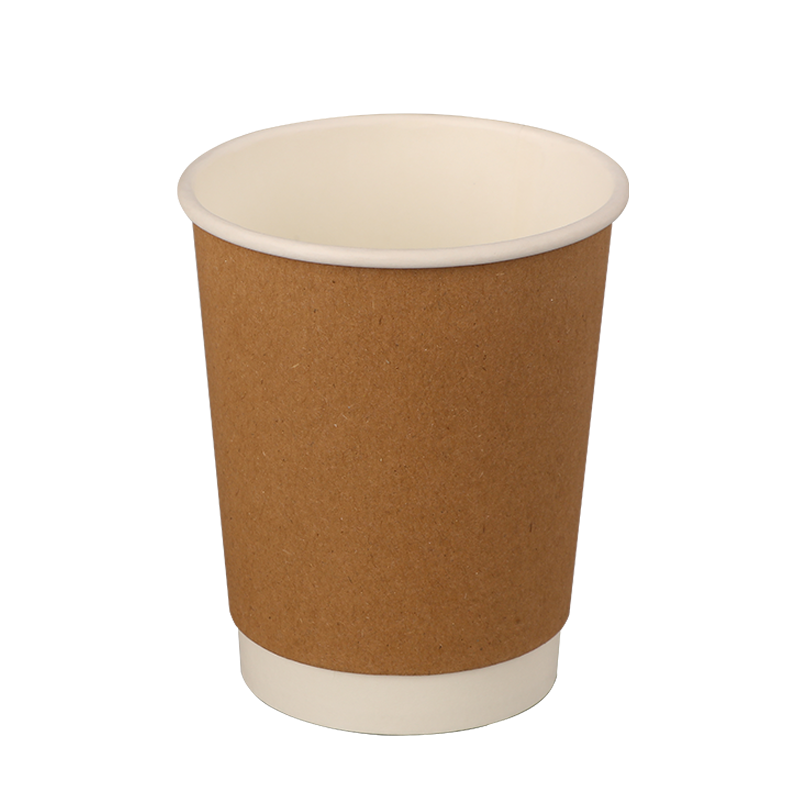
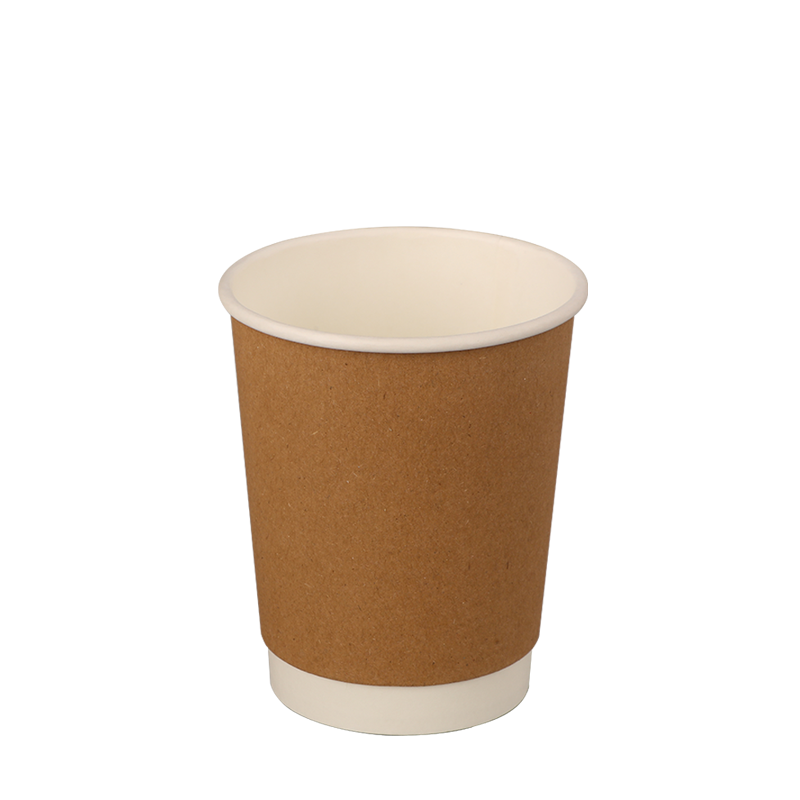
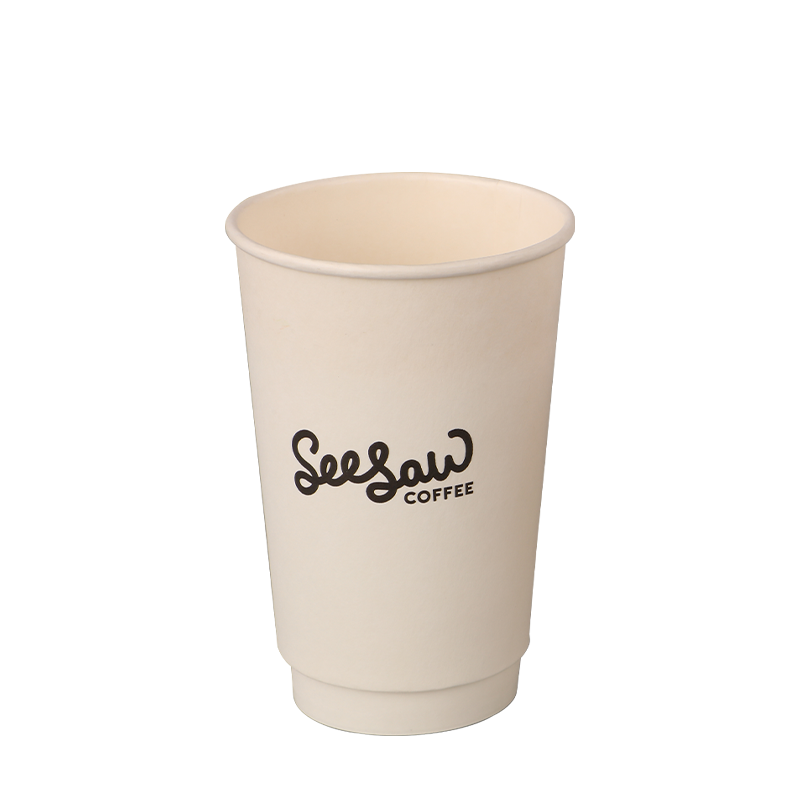
Single-wall cups are cost-effective and suitable for short-term use or when served with a cardboard sleeve. However, for premium experiences or longer durations, double-wall cups provide superior insulation. The air gap between the walls reduces heat transfer, keeping drinks colder for longer, and prevents "sweating" on the outer surface, eliminating the need for a sleeve. This enhances grip and comfort.
Paper Weight and Rigidity
The grammage (gsm) of the paper board determines the cup's stiffness. For cold drinks, a minimum of 200 gsm is recommended for sizes up to 12oz, while larger sizes (16oz-24oz) should use 250-300 gsm to prevent buckling under the weight of ice and liquid. High-quality cups also feature reinforced rims to maintain shape during lid application and drinking.
Comparing Cup Options for Business Needs
Choosing the right cup depends on balancing cost, environmental impact, and performance. The following table highlights key differences between common cold cup types.
| Cup Type | Coating Material | Compostable | Best Use Case |
|---|---|---|---|
| Standard PE | Polyethylene | No | High-volume, cost-sensitive operations |
| PLA Bio-Cup | Polylactic Acid | Yes (Industrial) | Eco-conscious brands, cold brew, smoothies |
| Double-Wall PE | Polyethylene | No | Premium beverages, no-sleeve convenience |
| Aqueous Coated | Water-based dispersion | Recyclable | Regions with strict plastic bans |
Emerging technologies like aqueous coatings offer a recyclable alternative to both PE and PLA. These water-based barriers allow the paper to be repulped easily, making them increasingly popular in regions with strict single-use plastic regulations.
Sustainability and Disposal Considerations
As consumers become more environmentally aware, the disposal method of cold drinking paper cups is a significant factor. Misunderstanding disposal guidelines can lead to contamination in recycling or composting streams.
- Recycling Challenges: Standard PE-lined cups are technically recyclable, but few facilities have the technology to separate the plastic lining. Always check local infrastructure before labeling them as recyclable.
- Composting Requirements: PLA cups require industrial composting facilities with high temperatures (58°C+) to break down. They will not decompose in home compost bins or landfills. Clear labeling is essential to guide consumers.
- Reducing Material Use: Optimize cup design by using lighter but stronger paper boards. Reducing the weight of each cup by 10% can significantly lower carbon footprint and shipping costs over large volumes.
- Consumer Education: Provide clear disposal instructions on the cup or nearby signage. Icons indicating "Compostable Only in Industrial Facilities" or "Check Local Recycling" help reduce contamination.
Your email address will not be published. Required fields are marked *
We're Here To Help.

Copyright © HANGZHOU RENMIN ECO-TECH CO.,LTD. All Rights Reserved
Eco Friendly Food Packaging Solution Food Paper Packaging Manufacturer
