

-
Products
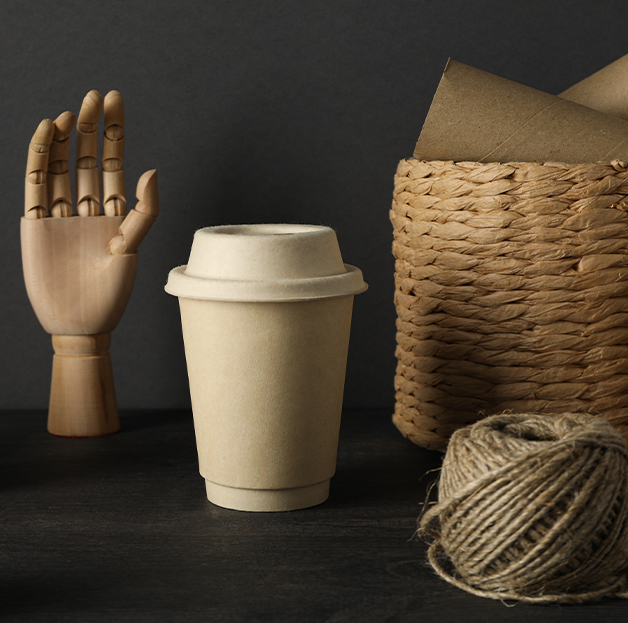
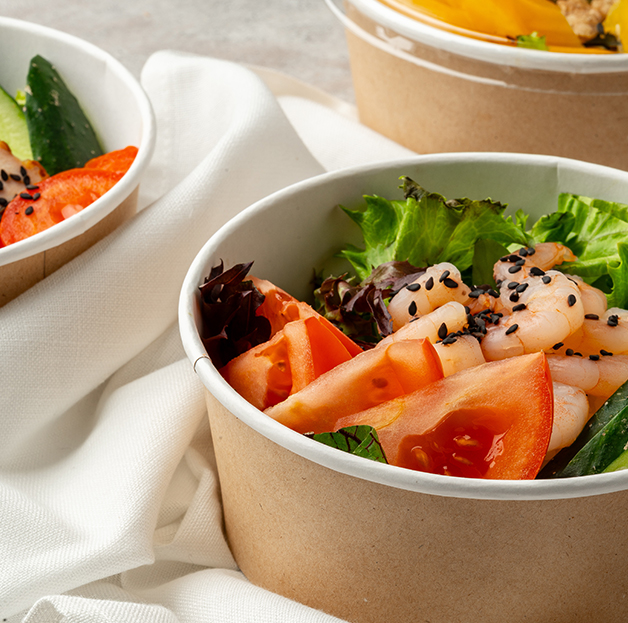
-
Food Packaging Solution
Mission & PhilosophyRenmin Eco-Tech adheres to the philosophy of green, innovation, and responsibility, placing customers at the center and valuing dedicated professionals. We aim to integrate sustainability and eco-consciousness into every product.
 Green Innovation Leading the Future
 -
Our Story
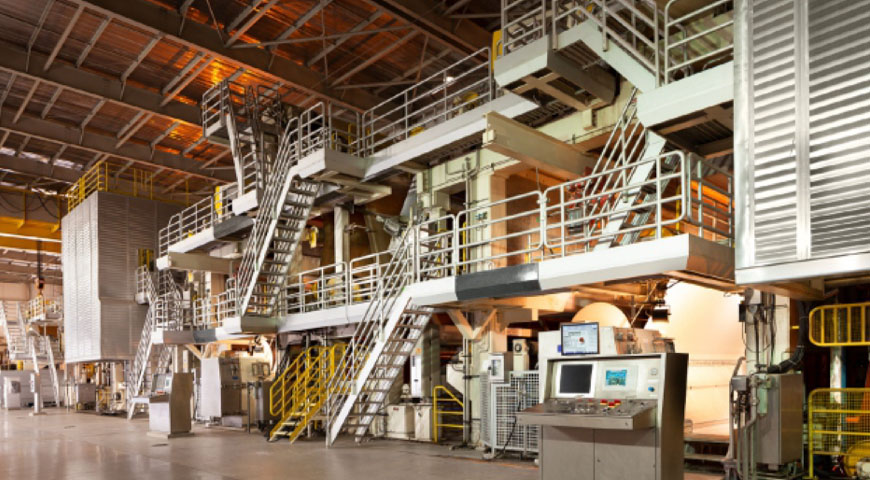
Why Choose Us?Hangzhou Renmin Eco-tech Co., Ltd, situated in the picturesque city of Hangzhou, Zhejiang, is a leading paper product research, development, and sales company. Established in 2004, we specialize in eco-friendly solutions such as Base Paper Rolls, PE Coated Paper Rolls, Paper Cup Fans, Paper Bowl and Box Fans, Die-cut Sheets, etc, for food packaging, and Aluminum Foil Film laminated paper.
 Coming From China, Marketing To The World.
 -
News
 Aluminum Foil Paper Bowls: Structure, Performance & Foodservice Applications
What Aluminum Foil Paper Bowls Actually Are — And Why the Laminate Structure Matters Aluminum foil paper bowls are composite containers built from two bonded materials: a structural paperboard base t...
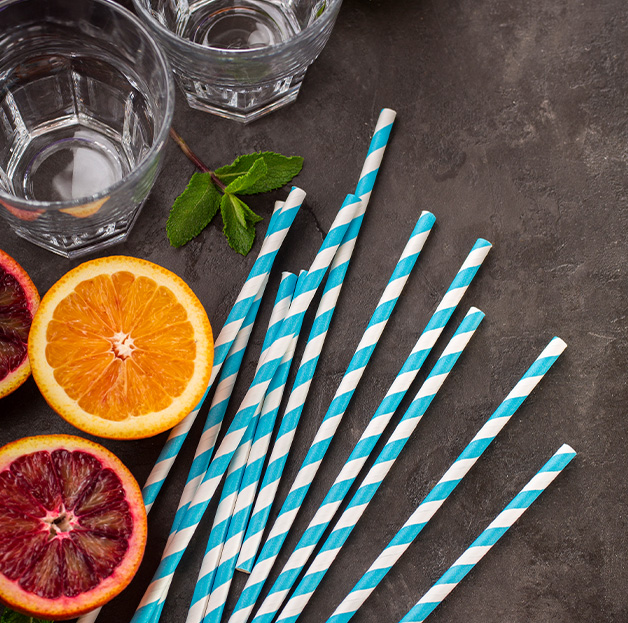
Industry News
12oz vs 16oz Cups: The Practical Size Guide for Coffee Shops and Takeaway
When the weekly cup order is due, a coffee shop manager often faces the same question: Should I stock 12oz or 16oz cups? The short answer is that 12oz cups work best for espresso-based drinks, small drip orders, and tasting portions, while 16oz cups are the safer default for large hot drinks, iced beverages, and takeaway service. The right choice depends on your menu, your pour size, and how much storage space you have.
Content
What the size numbers really mean
Nominal capacity is only part of the story. A 12oz cup will not deliver a full 12oz of drink in most real service settings. For hot coffee, you need headspace for foam, and baristas usually stop short of the rim. A typical 12oz hot cup holds about 10 to 11oz of liquid. A 16oz hot cup holds about 14 to 15oz. For cold drinks, ice absorbs space: a 16oz cup with 3oz of ice gives a customer around 13oz of actual beverage, while a 12oz cup with 2oz of ice leaves roughly 10oz of liquid.
That is why a 16oz cup can feel like a better value even if it is not being filled to the brim. It also means you cannot simply swap recipes from a 12oz cup to a 16oz cup without adjusting the coffee-to-milk ratio and the amount of ice. The practical rule is to test your actual pour with your real recipes before you standardize.
When a 12oz cup is the right choice
For a menu built around espresso, cortados, cappuccinos, or flavored drip coffee, a 12oz cup keeps portions tight and flavors concentrated. Customers who order these drinks expect a smaller serving, and the 12oz format helps you avoid over-pouring and wasted product. If you serve coffee flights, a smaller blank also looks more intentional and premium.
A 12oz cup also reduces your per-cup cost and raw material consumption. It occupies less shelf space, and more cups fit in a case, which makes storage easier in compact cafes. For owners who want to keep the menu short and control waste, a 12oz cup can become the workhorse of the hot drink program. The key is to confirm the actual fill line with your barista team so the recipe stays consistent from week to week.
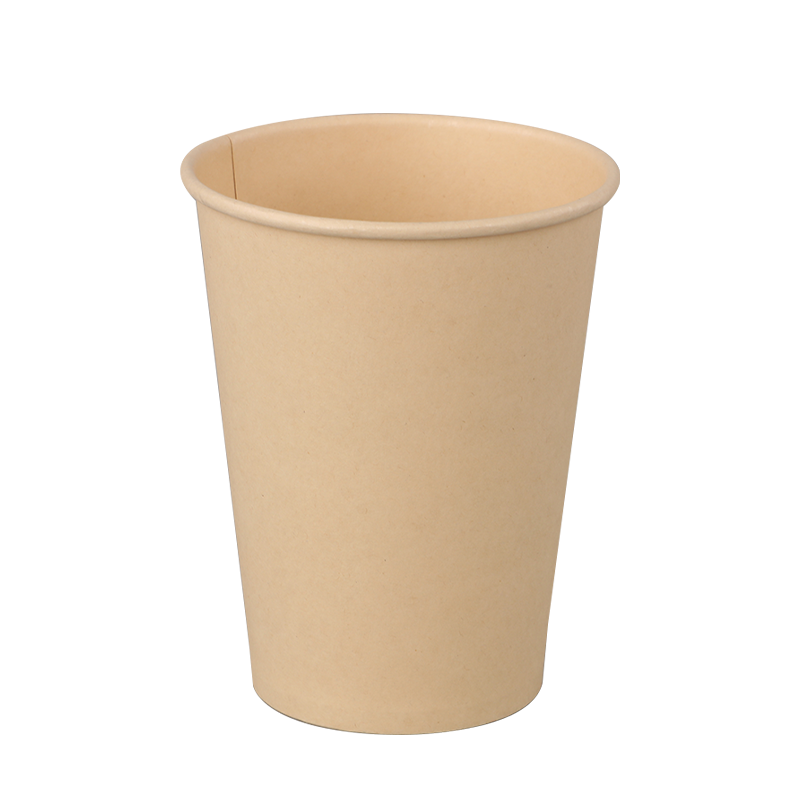
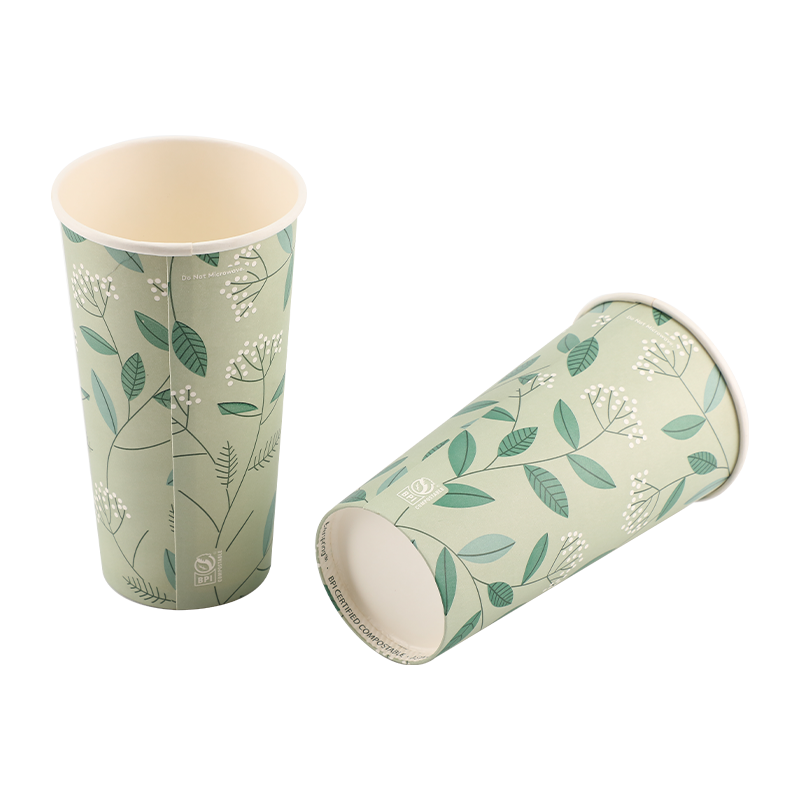 12oz Single Wall Hot Paper Cups for Efficient Coffee ServiceThis 12oz PE-lined cup reduces per-cup cost and storage needs while supporting consistent hot drink recipes, making it a practical choice for cafes seeking to control waste and keep menus simple.View Product →
When a 16oz cup is the right choice
For large hot coffees, brewed coffee with room for milk, iced lattes, smoothies, or takeaway meals, a 16oz cup is the more versatile option. It gives customers a bigger perceived portion, and it accommodates extra milk, foam, toppings, or ice without feeling crowded. If you have a one-size beverage program, the 16oz cup is often the least risky choice because it fits more drink styles.
In bars and events, 16oz cups are often the default because they fit beer, mixed drinks, and soft drinks. A single 16oz size can cover most standard pours, which simplifies inventory. The tradeoff is that a 16oz cup uses more raw paper, costs more per unit, and takes up more space in storage. If you mainly serve the same customer a standard large coffee or iced drink, the 16oz size is worth the extra cost because it reduces the chance of a customer feeling that the portion is too small.
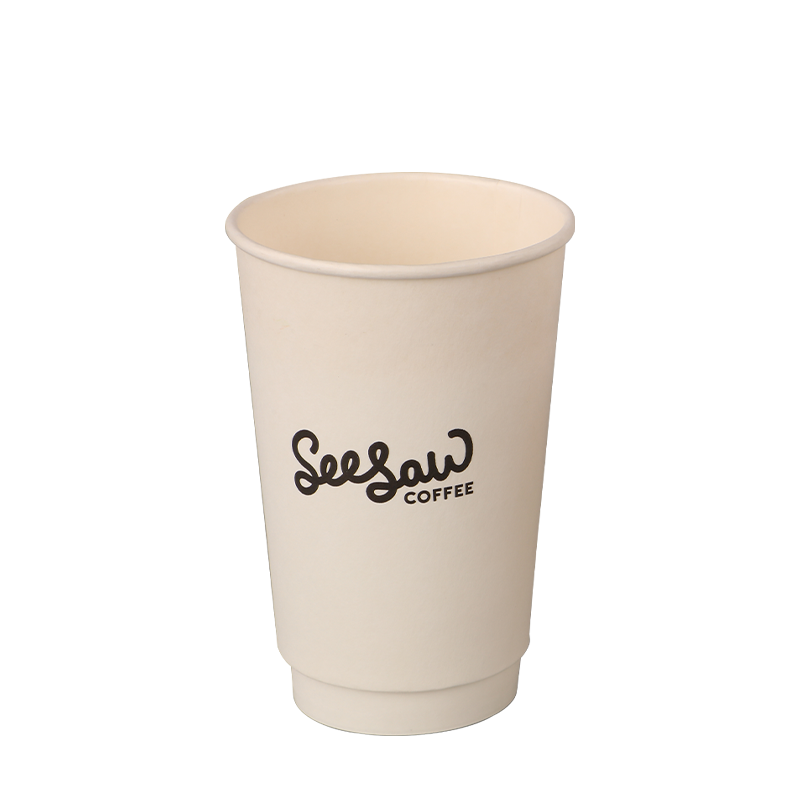
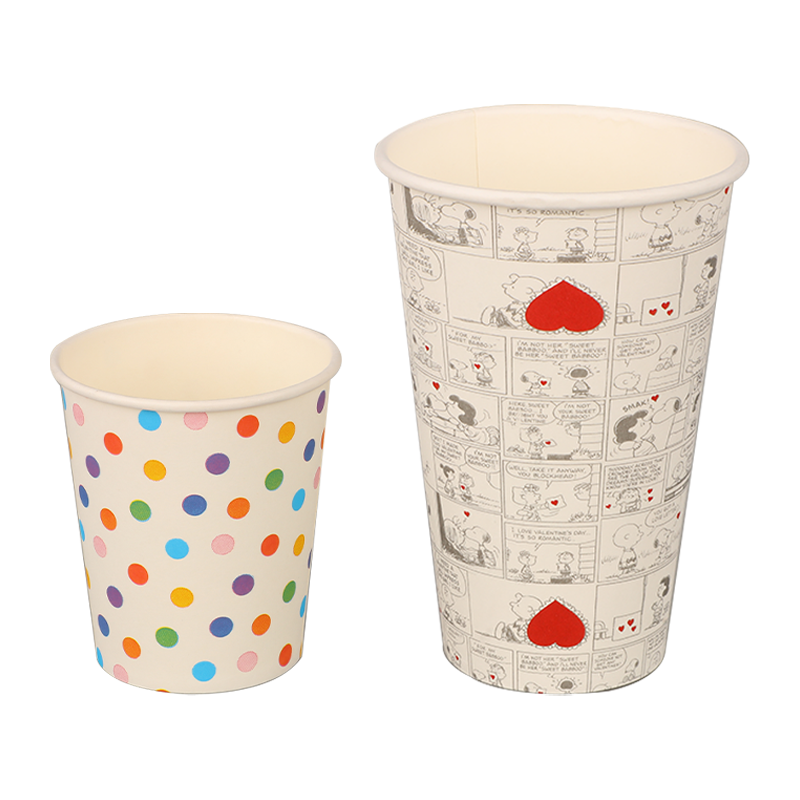 16oz Hot Coffee Paper Cup for Versatile Beverage PortionsA 16oz cup accommodates hot coffee, iced lattes, and takeaway meals with room for milk or ice, offering a standard size that minimizes customer perception of small portions.View Product →
Cold drinks and the ice factor
For cold drinks, the choice between 12oz and 16oz is often about how much room you need for ice. The 16oz cold cup is the safest choice for iced coffee, iced tea, soda, and takeaway cold beverages, because it leaves space for ice and lids without making the drink ratio feel watery. In many quick-service operations, a 16oz cold cup becomes the all-purpose cup for both cold drinks and water.
The 12oz cold cup still has a place for juice portions, children's beverages, or sample sizes. If you want one cup size for both hot and cold service, the 16oz format is more forgiving; if you are focused on a compact cold-beverage menu, the 12oz version can reduce over-pouring and lower packaging costs.
When ordering cups, remember to match the lid diameter carefully. A 90mm lid fits most 12oz and 16oz cold cups, but your supplier can confirm the exact dimensions for the blank you choose. Applying the right lid and cup combination makes a noticeable difference in drink integrity and perception. Our cold-drinking paper cup buying guide can help you check material, size, and lid compatibility in detail.
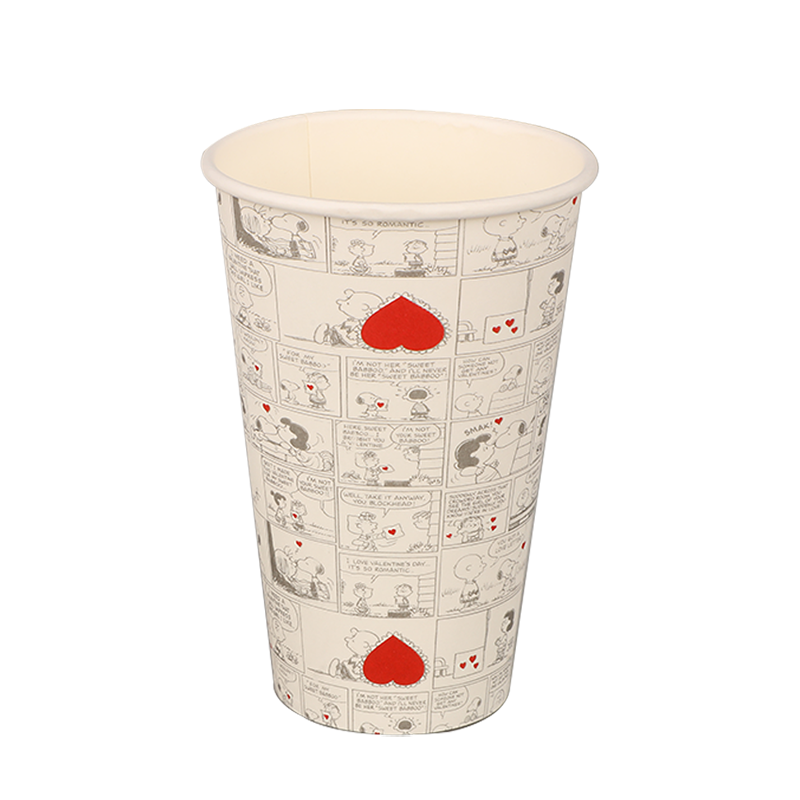
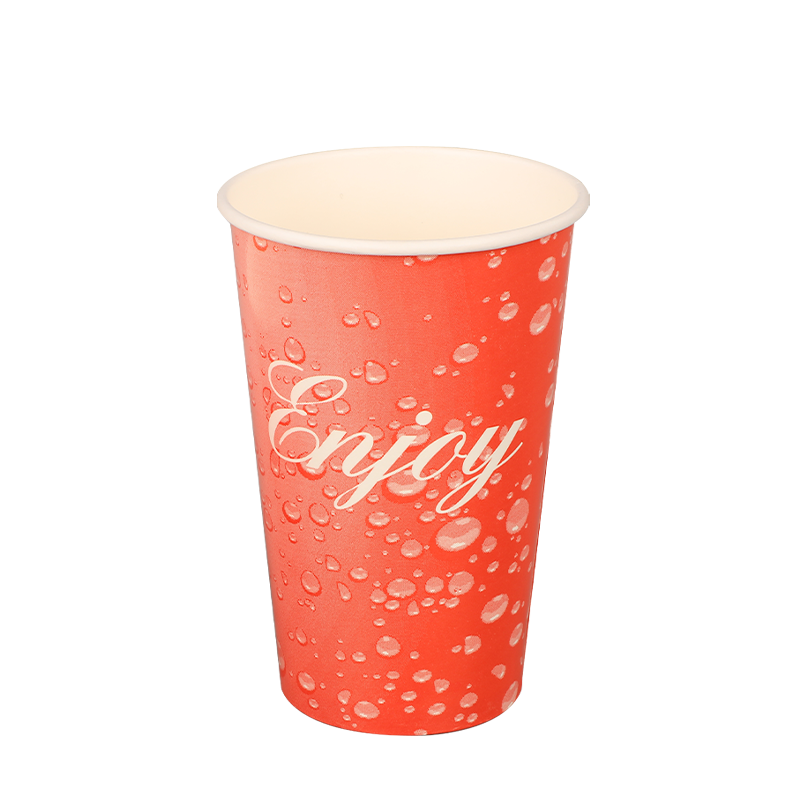
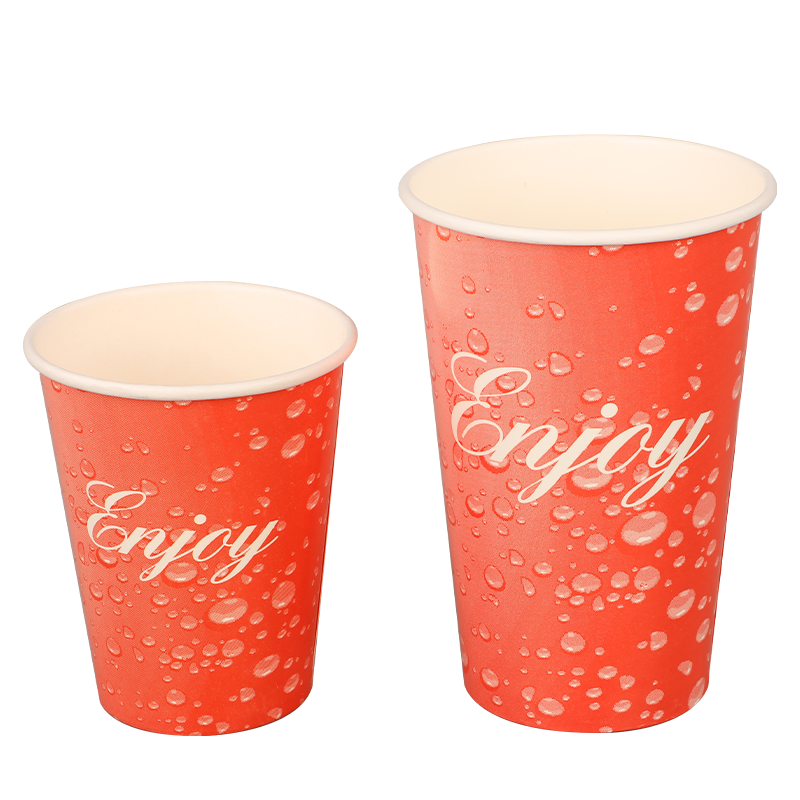 Recyclable 16oz Cold Drinking Paper CupsMade from recyclable pulp with a waterproof coating, these 16oz cups suit cold drinks like cola and iced tea while simplifying inventory if a single size covers multiple uses.View Product →
Sustainability and material choices
Once you know which size fits your menu, the next decision is the material. A 12oz cup uses less paper and less coating than a 16oz cup, so it is the more resource-efficient option per drink. That said, the larger cup may still be the greener choice if it lets you retire a second size and reduce total inventory complexity.
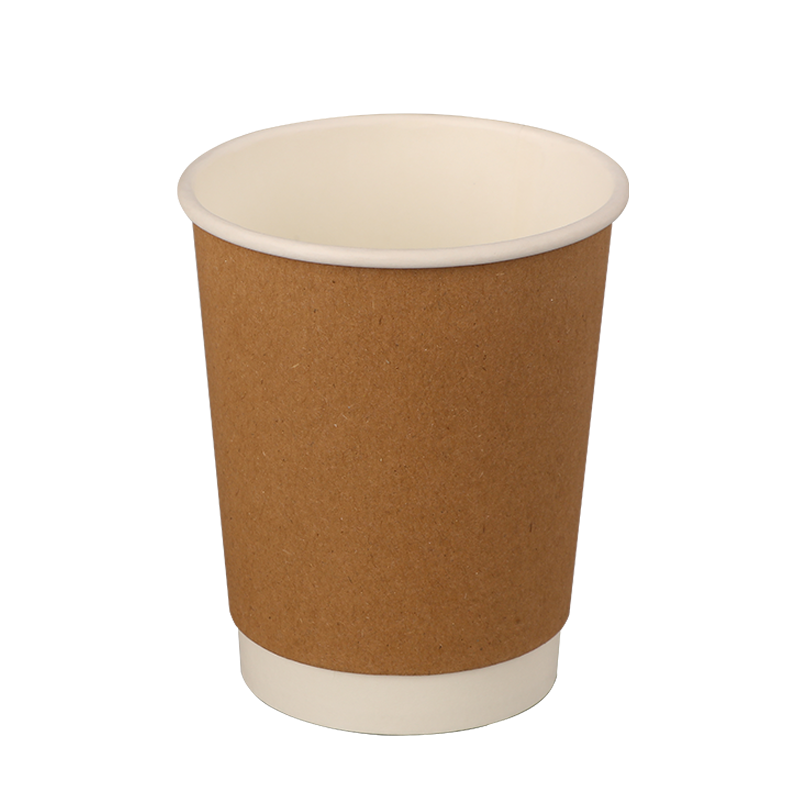
We offer a range of eco-friendly formats that can be supplied in both 12oz and 16oz. For hot drinks, the options include PE-coated single-wall cups, double-wall insulated cups, recyclable hot cups with water-based coatings, and compostable PLA-coated cups. For cold drinks, we offer recyclable and compostable cold cups, as well as 16oz recyclable cold cups that work well with cold beverage service. Bamboo and kraft coffee cups are also available if you want a natural look.
The coating type matters more than the size for sustainability. PLA and water-based coatings support composting or recycling when the right waste stream is available, while PE-coated cups are more practical in standard recycling systems. If you are buying custom printed cups, ask your supplier about the coating, the raw paper, and how the cup will be disposed of at the end of its life.
Side-by-side comparison
The table below summarizes the most relevant differences for a buyer deciding between 12oz and 16oz cups.
| Factor | 12oz cup | 16oz cup |
|---|---|---|
| Typical actual hot fill | 10-11oz | 14-15oz |
| Typical actual cold fill with ice | About 10oz | About 13oz |
| Best for | Espresso, cortado, small drips, tastings | Large coffee, iced drinks, takeaway, mixed drinks |
| Customer perception | Controlled portion, premium small serving | Generous value, fewer reorders |
| Storage footprint | Smaller, more units per case | Larger, more space per unit |
| Unit cost | Lower | Higher |
| Good if | You want to cut waste and simplify your menu | You need one size for both hot and cold |
Cost, storage, and inventory planning
If you operate on tight margins, the 12oz cup is usually cheaper per unit. It uses less paper, it is lighter to ship, and you can fit more sleeves into the same shelf space. For a small cafe with limited backroom storage, that can be decisive. In contrast, the 16oz cup costs more, but it may reduce the number of cups you need to stock.
If one size can handle both a hot latte and a cold brew, you can avoid carrying two cup sizes, two lids, and two storage areas. The key is to calculate your average pour volume and compare it with the capacity of each size. Track how many cups of each size you actually use per month, and check whether the larger version is causing more waste or better perceived value.
When you move to custom printing, the cup blank itself is only part of the equation. If you have a packaging line or you buy paper cup fans, you can produce exactly the 12oz or 16oz format you need. Large-volume buyers often look for this flexibility to reduce inventory risk and control margins more precisely.
Choosing the right cup for your operation
Start with your menu, not with the cup. If your bestseller is a 12oz cappuccino and you barely sell large hot drinks, the 12oz cup is the better investment. If iced coffee and takeaway are a large part of your revenue, a 16oz cup will protect the drink's perceived value.
For many foodservice operators, the practical answer is to stock both. Keep 12oz cups for espresso-based drinks and sample portions, and keep 16oz cups for large hot drinks, iced beverages, and takeaway orders. This approach costs more in inventory, but it gives you the most flexibility across your menu. If you are planning a limited menu, the 16oz cup is more forgiving, while the 12oz cup is more cost-efficient.
Look at your actual drink recipes, not at the blank capacity, and involve your barista team in the final choice. They will know whether a small cup feels cramped or a large cup encourages over-pouring. Use those observations to set your standard sizes for the season.
There is no single correct answer for every business. The 12oz cup is the better choice when portion control, cost, and compact storage matter most. The 16oz cup is the better choice when perceived value, large pours, and iced beverages are central to your operation. Test your real recipes, listen to your customers, and choose the size that fits your service style without leaving money on the table.
Your email address will not be published. Required fields are marked *
We're Here To Help.

Copyright © HANGZHOU RENMIN ECO-TECH CO.,LTD. All Rights Reserved
Eco Friendly Food Packaging Solution Food Paper Packaging Manufacturer
