

-
Products



-
Food Packaging Solution
Mission & PhilosophyRenmin Eco-Tech adheres to the philosophy of green, innovation, and responsibility, placing customers at the center and valuing dedicated professionals. We aim to integrate sustainability and eco-consciousness into every product.
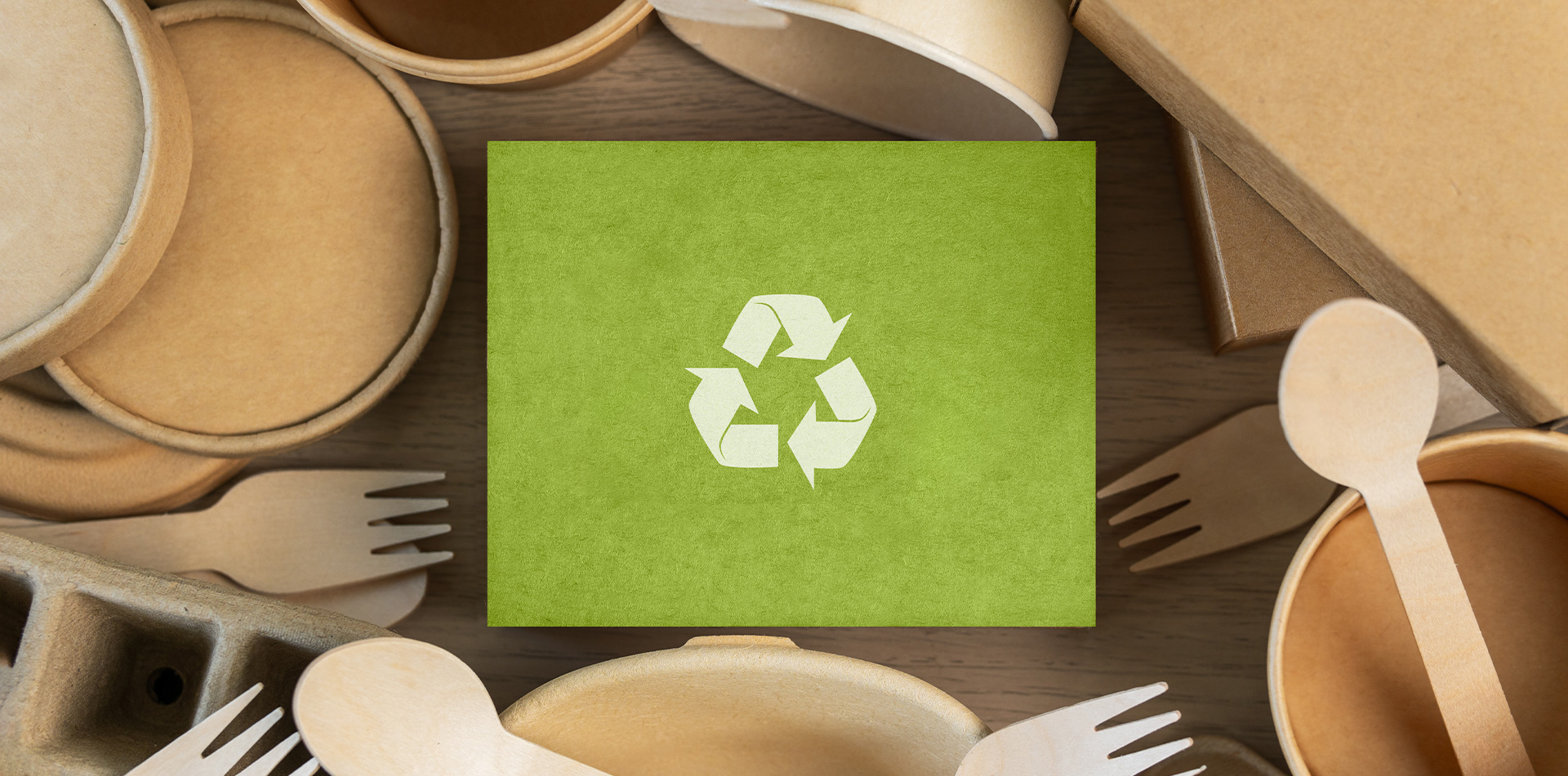 Green Innovation Leading the Future
 -
Our Story
Why Choose Us?Hangzhou Renmin Eco-tech Co., Ltd, situated in the picturesque city of Hangzhou, Zhejiang, is a leading paper product research, development, and sales company. Established in 2004, we specialize in eco-friendly solutions such as Base Paper Rolls, PE Coated Paper Rolls, Paper Cup Fans, Paper Bowl and Box Fans, Die-cut Sheets, etc, for food packaging, and Aluminum Foil Film laminated paper.
 Coming From China, Marketing To The World.
 -
News
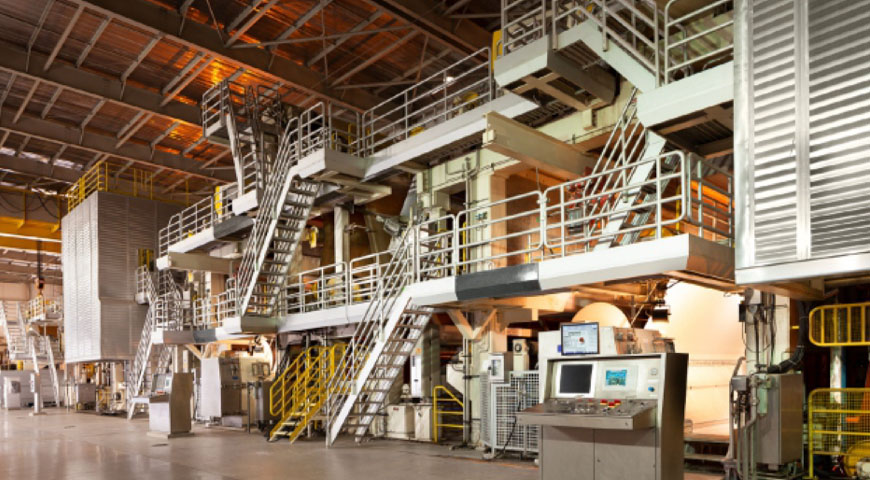 Aluminum Foil Paper Bowls: Structure, Performance & Foodservice Applications
What Aluminum Foil Paper Bowls Actually Are — And Why the Laminate Structure Matters Aluminum foil paper bowls are composite containers built from two bonded materials: a structural paperboard base t...

 English
 中文简体
中文简体 Français
 Español
 عربى
عربىIndustry News
EUDR Compliance for Disposable Paper Cups: A Complete Guide for Exporters
Table of Contents
What Is the EUDR?
Does the EUDR Apply to Disposable Paper Cups?
Key Deadlines You Need to Know
How to Comply: Step-by-Step Guide
Documentation Required for EUDR Compliance
Risk Assessment Based on Country Classification
Common Pitfalls to Avoid
Final Checklist for Paper Cup Exporters
Content
- 1 What Is the EUDR?
- 2 Does the EUDR Apply to Disposable Paper Cups?
- 3 Key Deadlines You Need to Know
- 4 How to Comply: Step-by-Step Guide
- 5 Documentation Required for EUDR Compliance
- 6 Risk Assessment Based on Country Classification
- 7 Common Pitfalls to Avoid
- 8 Final Checklist for Paper Cup Exporters
- 9 Final Thoughts
What Is the EUDR?
The European Union Deforestation Regulation (EUDR) – officially Regulation (EU) 2023/1115 – is a landmark piece of legislation aimed at combating global deforestation and forest degradation. It ensures that products placed on or exported from the EU market have not contributed to forest damage.
The regulation targets seven key commodities: cattle, cocoa, coffee, oil palm, rubber, soya, and wood. It applies to a wide range of derived products listed by their HS codes in Annex I, including certain pulp and paper products.
The EUDR replaces the EU Timber Regulation (EUTR) and introduces far more stringent due diligence obligations throughout the supply chain.
Does the EUDR Apply to Disposable Paper Cups?
This is the most critical question for paper cup exporters. The answer depends on two key factors:
Factor 1: How the Paper Cups Are Placed on the Market
The EUDR applies to packaging only when it is first delivered as a product in its own right.
|
Scenario |
EUDR Status |
|
You import paper cups as finished goods and sell them as standalone products to cafes, restaurants, or distributors in the EU |
Applicable – you must comply |
|
You import paper cups used exclusively as protective packaging for another product (e.g., a gift box containing a watch) |
Not applicable – packaging used solely to protect, support, or carry another product is exempt |
In other words, if you are a paper cup manufacturer or wholesaler placing paper cups directly on the EU market as products to be sold, the EUDR applies to you.
Factor 2: Virgin Fiber Content
Even if paper cups are sold as standalone products, the EUDR only applies if they contain virgin fiber.
100% recycled paper cups → Exempt from EUDR due diligence
Paper cups containing any proportion of virgin fiber → Subject to EUDR
Important: If your paper cups are made from bamboo fiber, they may be exempt, as bamboo-based products are generally excluded from EUDR scope. However, you should verify this with a qualified compliance expert.
Bottom line for paper cup exporters:
If you sell paper cups as finished products in the EU → EUDR applies (unless 100% recycled)
If your paper cups contain virgin wood fiber → EUDR applies
If your paper cups are 100% recycled → EUDR does not apply
Key Deadlines You Need to Know
The EUDR has undergone multiple postponements. The current applicable dates are:
|
Business Type |
Compliance Deadline |
|
Large and medium-sized enterprises |
30 December 2026 |
|
Micro and small enterprises |
30 June 2027 |
Note: These deadlines represent the second postponement of the regulation, which was originally set to apply from 30 December 2024.
How to Comply: Step-by-Step Guide
If your paper cups fall within EUDR scope, here is a practical step-by-step compliance roadmap:
Step 1: Determine Your Role in the Supply Chain
The EUDR distinguishes between two types of operators:
Primary operators – Companies that first place relevant products on the EU market. These are responsible for submitting full Due Diligence Statements (DDS) .
Downstream operators – Companies that purchase products already covered by a DDS. These only need to collect and retain information for 5 years.
If you are a manufacturer exporting paper cups directly to the EU, you are a primary operator and must submit a DDS.
Step 2: Conduct Due Diligence
Due diligence consists of three core obligations:
A. Information Collection
You must collect data proving that your paper cups are deforestation-free. This includes:
Geolocation coordinates of the plots where the wood was harvested
Country of production of the raw materials
HS code, product description, and quantity
Supply chain documentation from each upstream supplier
Tip: The regulation requires traceability back to the specific plot of land where the trees were harvested. This is one of the most challenging aspects of EUDR compliance.
B. Risk Assessment
You must assess the risk of deforestation in your supply chain based on:
The country risk classification (see section below)
The specific region and plot where the wood was harvested
The compliance history of your suppliers
C. Risk Mitigation
If risks are identified, you must implement mitigation measures before placing products on the EU market.
Step 3: Submit a Due Diligence Statement (DDS)
The DDS must be submitted to the EU's TRACES information system.
Only the first operator placing the product on the EU market is required to submit the DDS. Downstream operators do not need to resubmit.
Step 4: Maintain Records
You must store all due diligence documentation for at least 5 years.
Documentation Required for EUDR Compliance
To successfully comply with the EUDR when exporting paper cups, you need the following documents:
1. Supply Chain Traceability Documents
Geolocation data – GPS coordinates of the forest plots where wood was harvested
Harvest dates
Chain of custody certificates – documenting the flow of wood from forest to paper mill to cup manufacturer
2. Supplier Declarations
Declarations from your pulp/paper suppliers confirming the origin of virgin fibers
FSC® or PEFC™ certifications – while not a substitute for EUDR compliance, these can help demonstrate responsible sourcing
3. Due Diligence Statement (DDS)
Submitted to the EU TRACES system
Contains all traceability information, HS code, product description, and quantity
4. Product Documentation
HS code for your paper cups (typically under Chapter 48 of the Combined Nomenclature)
Product specifications showing virgin fiber content
If claiming exemption: proof of 100% recycled content
5. Record-Keeping
All documents must be retained for at least 5 years from the date the product enters the EU
Risk Assessment Based on Country Classification
The European Commission published the first country risk classification on 22 May 2025. Countries are categorized into three risk levels:
|
Risk Level |
Examples |
Implications |
|
Low Risk |
All EU Member States, UK, US, Canada, China, Japan, Australia |
Simplified due diligence; fewer checks |
|
Standard Risk |
~50 countries |
Standard due diligence required |
|
High Risk |
Belarus, Myanmar, North Korea, Russia |
Enhanced due diligence required |
Good news for many exporters: China is classified as low risk. This means paper cup exporters sourcing wood from China may benefit from simplified compliance procedures.
However, do not assume low-risk status eliminates the need for due diligence – you must still collect all required information and submit a DDS.
Common Pitfalls to Avoid
Mistake 1: Assuming All Packaging Is Exempt
Packaging is only exempt when used exclusively to protect another product. If you sell paper cups as products, the EUDR applies.
Mistake 2: Relying on Recycled Content Claims Without Proof
If you claim your paper cups are 100% recycled, you must have documentary evidence to support this. Any virgin fiber content triggers EUDR obligations.
Mistake 3: Not Collecting Geolocation Data Early
Geolocation data must go back to the specific plot where trees were harvested. Start collecting this from your upstream suppliers now.
Mistake 4: Assuming FSC Certification Is Enough
While FSC certification is valuable, it does not replace EUDR compliance. You still need to submit a DDS and provide geolocation data.
Mistake 5: Ignoring the Deadline Differences
Large and medium enterprises must comply by 30 December 2026, while micro and small enterprises have until 30 June 2027. Know which category your business falls into.
Final Checklist for Paper Cup Exporters
Use this checklist to ensure your paper cups are EUDR-compliant:
Determine if EUDR applies – Are your paper cups sold as standalone products? Do they contain virgin fiber?
Identify your operator status – Are you a primary or downstream operator?
Collect supply chain data – Geolocation coordinates, harvest dates, supplier information
Conduct risk assessment – Based on country risk classification and supplier history
Mitigate identified risks – Implement corrective actions if needed
Submit Due Diligence Statement – Upload to the EU TRACES system
Maintain records – Store all documents for at least 5 years
Monitor regulatory updates – Country classifications and requirements may change
Final Thoughts
The EUDR represents a significant shift in how paper products – including disposable paper cups – can be sold in the European Union. While compliance requires substantial effort in supply chain tracing and documentation, early preparation is key.
For paper cup exporters, the path to compliance is clear:
Know your product – virgin or recycled content?
Know your role – primary or downstream operator?
Know your supply chain – where does your wood come from?
Submit your DDS – on time and with complete information
The deadlines are approaching. Start your compliance journey today to ensure uninterrupted access to the EU market.
Your email address will not be published. Required fields are marked *


We're Here To Help.

Copyright © HANGZHOU RENMIN ECO-TECH CO.,LTD. All Rights Reserved
Eco Friendly Food Packaging Solution Food Paper Packaging Manufacturer
